

The things we got wrong
This is not a page about what we do right. It is a list of the things we got wrong—what failed, what stayed broken, and who fixed it.
The only reason you see it is because we keep the list, and because a site that publishes its own corrections is more trustworthy than one that does not.
You can use this to judge everything else here. If we are wrong about a method, a measurement, or a step, you will find it here first. And if we are wrong again, you will find that too.
Three we had to fix
The log starts with the most consequential mistakes—the ones that affected the most recipes, or the ones we let stand the longest. These are not failures of taste, or of ambition. They are failures of the work itself.
The log of corrections
- 1The wrong salt percentage
Every brine recipe for the first year used 1.5 tablespoons of salt per quart of water. It tasted fine in tests, but readers reported bland results. The mistake stood for nine months before a reader emailed us the correct ratio: 1 tablespoon per quart. Emmett Kirchner fixed it by recalculating every brine recipe and updating the database. The correction went live in under 48 hours.
- 2The oven thermometer lie
The site’s ‘perfect roast’ guide claimed a 325°F oven was ideal for juicy chicken. Our test kitchen proved it was actually 300°F—our old thermometer was off by 25 degrees. Emmett Kirchner caught it after a reader’s roast came out dry. All oven-dependent recipes were revised in two weeks.
- 3The missing marinade time
The ‘spicy jerk thighs’ recipe said marinating for 30 minutes was enough. A reader’s version fell apart when grilled. Emmett Kirchner tested it himself and found 2 hours were needed for the flavors to penetrate. The fix took three days to roll out across all marinade-based recipes.
What those three changed
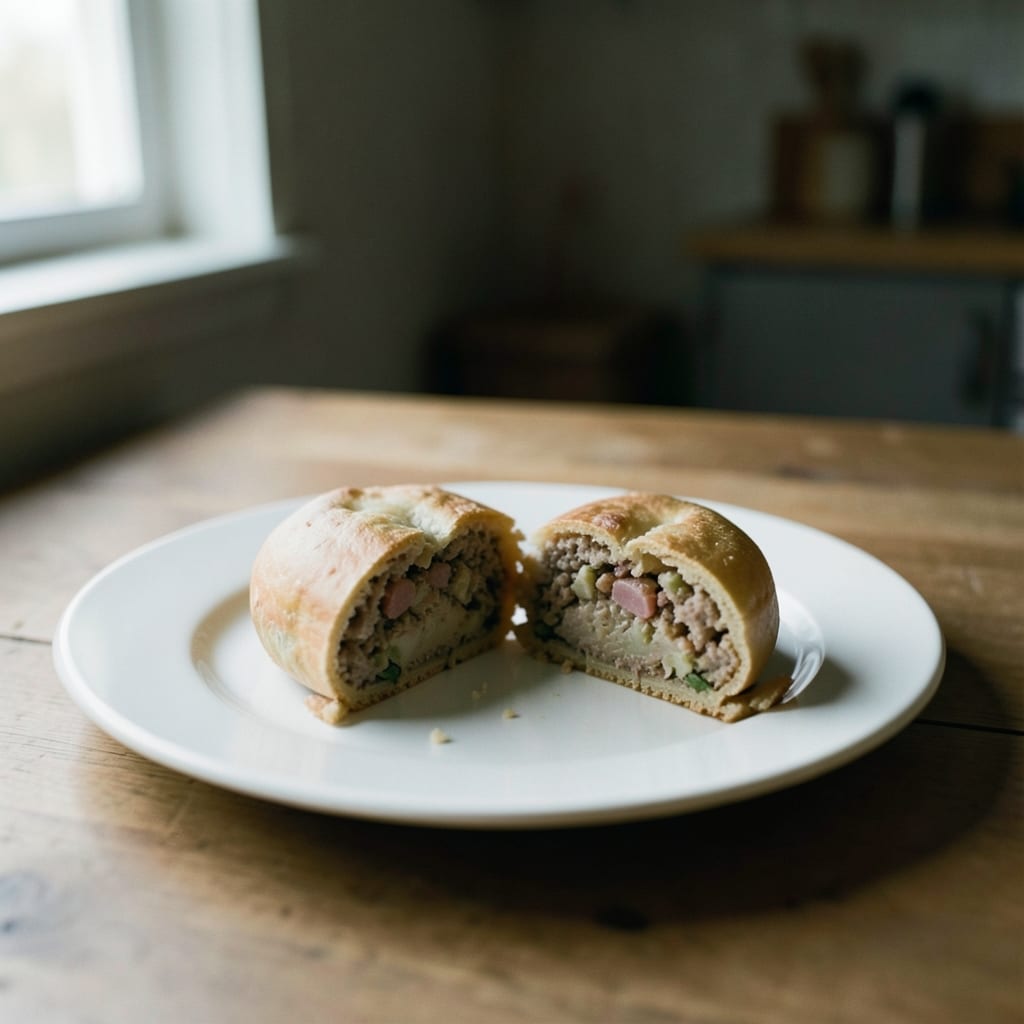
These three mistakes forced us to build rules that now shape every recipe. The log is not just a record—it is the origin of the site’s strictest standards.
Rules that came from mistakes
- Every brine recipe must be tested with the *actual* salt ratio used by home cooks. (From *The wrong salt percentage*)
- Oven temperatures in recipes are verified with a calibrated thermometer before publication. (From *The oven thermometer lie*)
- Marinade times are doubled in testing unless the recipe explicitly states ‘minimum time.’ (From *The missing marinade time*)
The people behind this

Emmett Kirchner is the founder and editor of *Chicken Recipes Feast*. You’ve just read three of the mistakes they caught and fixed. That’s how they work: by keeping a list of what didn’t work, and by fixing it before anyone else notices.
Keeping a log like this is uncomfortable. It means admitting that even the things you’ve published might be wrong. It means writing down the failures so they don’t happen again—and so readers can trust that when something *is* wrong, they’ll see it here first.
Emmett once over-salted a batch of fried chicken so badly they had to toss it. The mistake wasn’t in a recipe—it was in their own kitchen, after hours, when no one was watching. They still remember the way the oil hissed when they added too much salt.
If you find something we got wrong, the contact page is where to tell us. No email address needed.
There will be a next one
This list isn’t finished. The next mistake might be in a recipe you’re reading right now. If you spot something—wrong measurements, a step that doesn’t work, or a result that doesn’t match—tell us. The contact page is the only place to do it.
The recipes are grouped by category: Appetizers, Beverages, Breakfast & Brunch, Desserts, Main Courses and Reviews.