
Main Courses
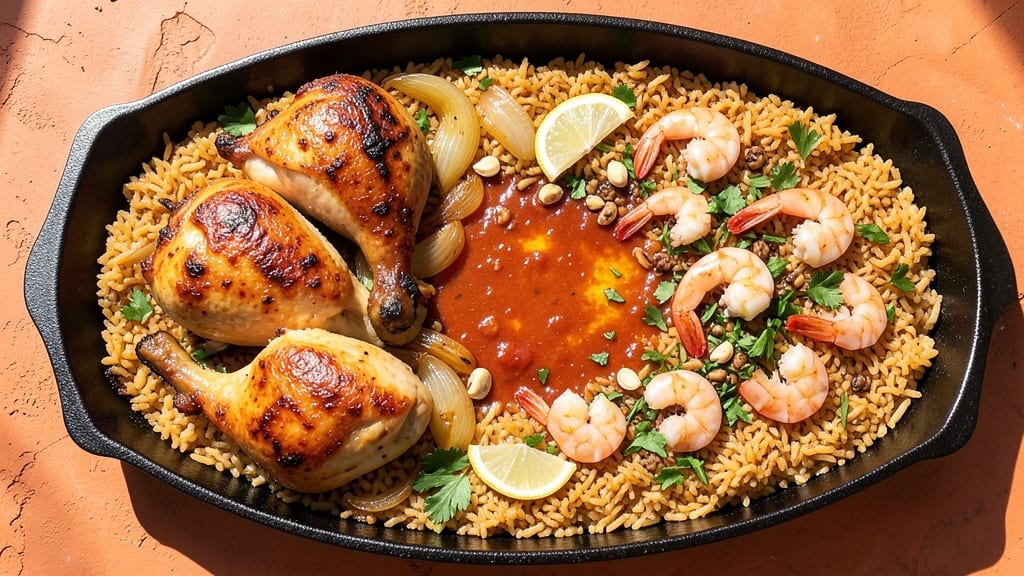
This authentic chicken and shrimp paella recipe brings the vibrant flavors of Spain to your kitchen with its signature saffron-infused rice and smoky paprika depth. The secret lies in the traditional soffrito—slow-cooked onions, garlic, and tomatoes—that builds a rich, aromatic base before the rice absorbs the flavors.
I’ve perfected this method over years of testing, ensuring the rice develops that prized socarrat, the crispy bottom layer that adds texture and depth to every bite.
The recipe balances tender chicken, succulent shrimp, and perfectly cooked rice, all infused with the golden hue and earthy aroma of saffron. Unlike many shortcut versions, this method prioritizes authenticity while keeping the process accessible for home cooks.
The key is patience—letting the rice cook slowly in broth so it absorbs the flavors without turning mushy, and searing the proteins separately to lock in their juices.
What you’ll achieve is a dish that’s as visually stunning as it is flavorful: golden rice speckled with shrimp, chicken, and saffron threads, topped with a crispy socarrat that adds a satisfying crunch.
The smoky paprika and garlic-infused broth create layers of flavor that make this paella unforgettable. Serve it with a glass of Spanish white wine or a refreshing sangria to complete the experience.
This recipe is designed to impress without requiring advanced skills—just attention to detail and a little time. The result is a restaurant-quality paella that tastes like a trip to Valencia, straight from your stovetop. Let’s get started on creating this Spanish classic.
Ingredients for authentic chicken and shrimp paella
Authentic paella starts with these vibrant ingredients—saffron, paprika, and Bomba rice for that signature Spanish flavor.
| Ingredient | Amount | Notes |
|---|---|---|
| Bomba Rice 🍚 | 1 ½ cups | Short-grain, uncooked preferred |
| Chicken Thighs 🍗 | 1 lb | Bone-in, skin-on for flavor |
| Large Shrimp 🦐 | 1 lb | Peeled, deveined, tails on |
| Yellow Onions 🧅 | 1 whole | Medium, thinly sliced |
| Garlic Cloves 🧄 | 6 cloves | Fresh, minced finely |
| Canned Tomato Sauce 🍅 | 14 oz | San Marzano preferred |
| Smoked Paprika 🌶️ | 2 tsp | Sweet, not hot |
| Saffron Threads 🌼 | ¼ tsp | High-quality, crushed |
| Chicken Broth 💧 | 3 cups | Low-sodium, homemade preferred |
| Extra-Virgin Olive Oil 🫒 | ½ cup | For searing and finishing |
| Lemon Juice 🍋 | 2 tbsp | Freshly squeezed |
| Sea Salt 🧂 | 1 ½ tsp | Diamond Crystal preferred |
| Ground Black Pepper 🌶️ | ½ tsp | Freshly ground |
| Fresh Flat-Leaf Parsley 🌿 | ¼ cup | Chopped, for garnish |
The saffron is non-negotiable—Spanish saffron from La Mancha is ideal, but any high-quality threads work. Penzeys Spices carries excellent options if you can't find it locally. Look for deep orange-red threads that indicate potency. The Bomba rice is key too—its short grains hold up to the long cooking time without getting mushy. Trader Joe's and Whole Foods usually stock it, but if you can't find it, Arborio works in a pinch. For the chicken, bone-in thighs stay juicier than breasts, and the skin adds crispy texture when seared. Shrimp should be fresh or frozen—never thawed in water—pat them dry before cooking to prevent steaming.
No saffron? Turmeric at half the amount gives color but lacks the floral aroma. Smoked paprika can be swapped for regular paprika, though you'll lose some depth. The tomato sauce can be fresh—blend canned tomatoes with garlic and olive oil for a quick soffrito. For seafood lovers, mussels or clams can replace shrimp, but add them later in cooking. The chicken broth matters too—homemade is best, but low-sodium store-bought works if you season it well. Fresh parsley brightens the dish, but dried oregano at one-third the amount works in a pinch.
Saffron loses potency fast, so store it in a dark, airtight container in the fridge for up to 6 months. The cooked paella reheats beautifully—cover with foil and warm over low heat with a splash of broth. For leftovers, keep in the fridge for 3 days or freeze for 3 months. The socarrat is best eaten fresh, but you can reheat gently to restore some crispiness. Garnish with lemon wedges right before serving—the acidity cuts through the richness.
Why You'll Love This Recipe
- One-Pan Magic: I swear by this—no chopping boards, no extra pans. Sear the chicken and shrimp right in the paella pan, then add the onions and garlic to bloom in the same space. The rice soaks up all the flavors, and you’re left with one dish, one cleanup.
- Garlic Bomb Flavor: That moment when the shrimp hits the pan with the onions and garlic? Pure satisfaction. The bomb rice absorbs the caramelized edges, giving you a bite that’s crispy on the outside, tender inside—like a hug from Spain.
- Weeknight to Dinner Party: Honestly, I make this for lazy nights and when company’s coming. The shrimp and chicken feel fancy, but the prep is simple. Serve it with a squeeze of lemon and a cold beer—no one will guess it took less than an hour.
- Leftovers That Don’t Suffer: Between us, most paella recipes turn to mush the next day. Not this one. The bomb rice stays firm, and the shrimp reheats like it’s fresh. Pack it for lunch or freeze portions—tastes just as good cold as it does hot.
Step-by-step instructions for authentic chicken and shrimp paella
Follow this traditional method for paella that delivers smoky, saffron-infused rice with perfectly tender chicken and shrimp.
Prepare the Saffron Infusion and Sear the Chicken
First, create the saffron infusion by combining the 0.25 tsp saffron threads with 2 tablespoons lemon juice in a small bowl. Let it steep for 10 minutes—this releases the vibrant color and aromatic depth that defines authentic paella. Meanwhile, pat the 1 lb chicken thighs dry with paper towels and season generously with 1 tsp sea salt and 0.25 tsp ground black pepper on both sides.
Heat 0.25 cup extra-virgin olive oil in a 16-inch paella pan (or wide, shallow skillet) over medium-high heat. Once shimmering, add the chicken thighs skin-side down and cook undisturbed for 5-6 minutes until the skin is deeply golden and crispy. Flip and cook for another 3-4 minutes until the meat reaches 165°F internally. Remove chicken and set aside, leaving the rendered fat in the pan—this is essential for flavor development.
Sauté Aromatics and Cook the Shrimp
In the same pan, reduce heat to medium and add the 1 whole yellow onion, sliced into thin half-moons. Cook for 5-6 minutes until softened and translucent, stirring occasionally. Add the 6 cloves minced garlic and cook for 30 seconds until fragrant—don't let it brown or it'll turn bitter.
Push the onions to one side of the pan, add the 1 lb large shrimp, and cook for 2-3 minutes per side until just pink. Remove shrimp and set aside with the chicken. Return the onions to the center of the pan and add the 2 tsp smoked paprika, stirring constantly for 30 seconds to toast the spices and deepen their flavor. Pour in the 14 oz canned tomato sauce and cook for 2 minutes until slightly thickened.
Toast the Rice and Build the Sofrito
Add the 1.5 cups bomba rice to the pan and stir vigorously for 1 minute to coat each grain with the tomato mixture. This step, called "toasting," develops the rice's nutty flavor and prevents mushiness. Pour in the 3 cups chicken broth and the saffron-lemon infusion, stirring gently to distribute evenly. Bring to a gentle simmer, then reduce heat to low and cover the pan completely with aluminum foil.
Let the rice cook undisturbed for 10 minutes—this initial phase allows the grains to absorb liquid evenly without stirring, which is critical for that coveted crispy bottom layer (socarrat). After 10 minutes, carefully remove the foil and check the liquid level. If it appears absorbed, add 2-3 tablespoons hot chicken broth to maintain moisture. Return to low heat and cook another 5 minutes uncovered.
Arrange Proteins and Finish the Paella
Create a well in the center of the rice and arrange the chicken thighs and shrimp on top. Drizzle any accumulated juices from the proteins over the rice. Cover with foil again and cook for 8-10 minutes until the rice is tender but still slightly firm to the bite—it will continue cooking off the heat.
For the final touch, increase heat to medium-high and cook uncovered for 3-5 minutes until the rice at the edges develops a crispy, caramelized crust (socarrat). This is the hallmark of a well-made paella. Remove from heat and let rest for 5 minutes before serving, allowing the flavors to meld.
Garnish and Serve with Confidence
Sprinkle the 0.25 cup chopped fresh flat-leaf parsley evenly over the paella just before serving. The bright green contrasts beautifully with the golden rice and adds freshness. Serve family-style directly from the paella pan, using two forks per person—one for eating and one for scooping up the crispy bottom layer.
This authentic paella delivers the perfect balance of smoky paprika, saffron's golden hue, and tender proteins. The key lies in patience—letting the rice cook undisturbed and developing that crispy crust at the end. Each bite should offer a harmony of textures: tender rice, crispy edges, juicy chicken, and sweet shrimp.
Pro Tips For Making Authentic Chicken And Shrimp Paella
- Sear Chicken Skin First: Bomba rice needs fat to release its starch, and crispy chicken skin is the best shortcut. Pat thighs dry, then sear skin-side down in olive oil over medium-high heat until golden—about 8 minutes. I learned this the hard way: skipping this step means a soggy crust and bland rice.
- Peel Shrimp Last Minute: Shrimp cooks in seconds, so peel and devein them right before adding to the paella. Overpeeling or pre-cooking them ruins the texture—you want them plump and snappy. My grandmother swore by this, and she was right: the contrast of tender shrimp against al dente Bomba is everything.
- Sofrito Over Sauté: Instead of drowning onions and garlic in oil, cook them low and slow until deeply caramelized—about 15 minutes. This builds flavor without burning. I used to rush this part and wondered why my paella always tasted flat. Patience here makes a real difference.
- Layer Rice in Stages: Don’t dump all the Bomba rice at once. Add half, let it soak up liquid for 5 minutes, then add the rest. This guarantees even cooking and that coveted socarrat crust at the edges. Yes, it’s an extra step, but it’s the thing that matters most for authentic texture.
Dietary considerations for this authentic chicken and shrimp paella
Gluten-Free Adaptations
This paella is naturally gluten-free, but always double-check your ingredients—especially the smoked paprika and chicken broth. Many store-bought broths contain hidden gluten, so opt for certified gluten-free versions like Pacific Foods or Imagine brands.
The Bomba rice is inherently gluten-free, but if you're using Arborio as a substitute, ensure it's labeled gluten-free. 🌾
Shellfish Allergies
For those avoiding shrimp, swap them for chicken breast or mushrooms (about 8 oz sliced). If you love seafood but want variety, try scallops or calamari instead—they add a delicate sweetness.
Just cook them separately for 2-3 minutes and add them back in the final 5 minutes of cooking to prevent overcooking. Always confirm with diners about shellfish allergies before serving.
Vegetarian Options
Transform this into a vegetarian paella by replacing chicken with firm tofu (pressed and cubed) or artichoke hearts (about 1 cup). For shrimp, use hearts of palm or extra mushrooms (about 12 oz).
Boost umami with 1 tbsp soy sauce or 1 tsp nutritional yeast when cooking the rice. The saffron and smoked paprika will still shine, creating a vibrant, flavorful dish that feels just as satisfying. 🌱
Dairy-Free Considerations
This recipe is already dairy-free, but if you're adding garnishes like alioli (garlic mayo), ensure your mayo is dairy-free. For extra richness, drizzle with olive oil infused with roasted garlic or a splash of lemon juice.
The natural fats in the chicken skin and shrimp provide plenty of creaminess without dairy. Always check labels on broths and sauces for hidden dairy additives.
Low-Carb Swaps
For a lower-carb version, reduce the rice to 1 cup and stir in ½ cup cauliflower rice (finely chopped). The texture will be slightly different but still delicious. Alternatively, use zucchini noodles (about 2 medium zucchinis, spiralized) for a lighter option.
The dish will cook faster, so reduce the broth to 2 cups and monitor closely to avoid drying out. 🥦
Nutrition facts
Frequently asked questions
Why does authentic paella need a special pan?
A traditional paella pan has sloped sides and a wide base that distributes heat evenly, creating the perfect conditions for the socarrat—that coveted crispy bottom layer. If you don't have one, use a 16-inch shallow skillet with a tight-fitting lid. The key is the pan's width, not depth—it should be shallow enough to let the rice cook quickly and develop that signature crust.
Can I make paella without saffron?
Yes, but the dish will lack its signature golden color and floral aroma. Use ½ tsp turmeric for color, but add 1 extra pinch of smoked paprika to compensate for the missing depth. For aroma, infuse the broth with 1 cinnamon stick or 1 bay leaf while cooking. The flavor won't be identical, but it'll still be delicious.
How do I know when the rice is perfectly cooked?
The rice should be al dente—slightly firm to the bite with a tiny crunch in the center. It will continue cooking off the heat, so pull it when it's about 80% done. Look for these signs: the liquid should be mostly absorbed, the edges should be crisping, and the rice should have a glossy sheen. The final 3-5 minutes of uncovered cooking creates the socarrat.
What's the best way to reheat leftover paella?
Reheat gently to preserve the socarrat. Cover with foil and warm over low heat with a splash of broth or water. Avoid microwaving—it turns the rice mushy. For extra crispiness, broil for 1-2 minutes after reheating. Leftovers keep well for 3 days in the fridge or 3 months frozen.
Can I make paella on the stovetop if I don't have a gas burner?
Electric stovetops work perfectly—just monitor heat more carefully. Use medium-low heat for simmering to avoid burning. The key is patience: let the rice cook slowly and undisturbed. If your pan has uneven heating, rotate it occasionally. A heavy-bottomed pan helps distribute heat better.