
Sauces & Condiments
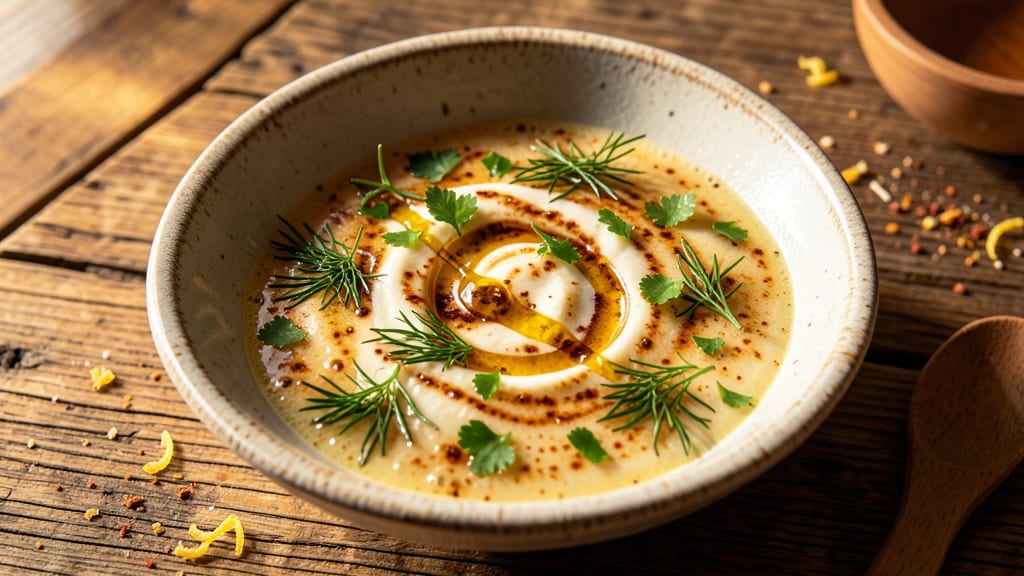
This Babe's Chicken Dinner House salad dressing recipe transforms simple greens into a restaurant-worthy side with just five ingredients and 10 minutes of prep.
The secret lies in balancing tangy apple cider vinegar with fresh herbs and a touch of Dijon mustard, creating a vinaigrette that clings perfectly to every leaf while enhancing the natural flavors of your salad.
I developed this dressing after years of perfecting herb-forward sauces for Southern-style chicken dinners—where the right dressing can elevate even the simplest meal.
The dressing's magic comes from a simple technique: whisking together high-quality olive oil, vinegar, and fresh herbs while the mixture is still cold. This prevents the herbs from wilting and ensures vibrant flavor in every pour.
The addition of Dijon mustard adds depth, while a pinch of salt and pepper ties everything together. What you'll end up with is a dressing that's bright, herbaceous, and just slightly sweet—ideal for complementing grilled chicken, roasted vegetables, or even as a marinade for pork chops.
Perfectly balanced to cut through rich proteins, this dressing stays fresh in the fridge for up to five days, making it ideal for meal prep. The herbs maintain their freshness longer than store-bought versions, and the tangy-sweet profile works beautifully with everything from crisp romaine to hearty kale salads.
Whether you're serving it alongside Babe's famous fried chicken or using it as a quick marinade, this dressing delivers professional-quality results with minimal effort.
For extra versatility, adjust the herb blend to suit your taste—try adding a touch of honey for sweetness or a splash of lemon juice for brightness. The dressing's simplicity makes it adaptable to any season, proving that even the smallest details can make a big difference in your cooking.
Let's get started on this flavor-packed essential!
Ingredients for babe's chicken dinner house salad dressing
Five simple ingredients transform your salads into restaurant-worthy dishes with vibrant herbal notes.
| Ingredient | Amount | Notes |
|---|---|---|
| Extra-Virgin Olive Oil 🫒 | ½ cup | High-quality, fruity variety preferred |
| Apple Cider Vinegar 🍎 | ¼ cup | Raw, unfiltered for best flavor |
| Fresh Dill Weeds 🌿 | ¼ cup | Finely chopped, stems removed |
| Fresh Parsley Leaves 🌿 | ¼ cup | Curly or flat-leaf variety |
| Dijon Mustard 🧄 | 1 tbsp | Mild or strong, not prepared |
| Granulated Honey 🍯 | 1 tbsp | Local or raw preferred |
| Diamond Crystal Kosher Salt 🧂 | ½ tsp | Fine grain preferred |
| Freshly Ground Black Pepper 🌶️ | ¼ tsp | Cracked peppercorns preferred |
The herbs are where this dressing shines. Fresh dill and parsley from the grocery store's produce section work fine, but farmers market herbs have that extra punch. Look for bright green leaves with no wilting—those are your telltale signs of freshness. If you're growing your own, harvest just before flowering for maximum flavor. The Dijon mustard adds depth, so don't skip it—Maille is my go-to brand when I want that perfect balance of tang and richness. For the olive oil, California Olive Ranch or Bertolli are reliable choices that won't break the bank, but any high-quality extra-virgin will do.
No fresh dill? Tarragon or chives work in a pinch, though the flavor will be slightly different. Running out of honey? Maple syrup at half the amount gives a similar sweetness without overpowering. The vinegar can be swapped for lemon juice or white wine vinegar if you prefer a different tang. For a smoky twist, add 1/4 tsp smoked paprika to the finished dressing. If you're making this ahead, store the dry ingredients (salt, pepper, mustard) separately until ready to whisk—this keeps everything fresher longer. The dressing's bright flavor pairs perfectly with grilled chicken, roasted vegetables, or even as a marinade—just don't over-marinate proteins longer than 2 hours.
This dressing stays fresh in the fridge for 5-7 days if stored in an airtight container. For longer storage, transfer to a clean glass jar and keep it in the fridge—it'll last up to 2 weeks. The herbs maintain their vibrancy longer than store-bought versions, and the tangy-sweet profile works beautifully with everything from crisp romaine to hearty kale salads. If the dressing separates, just give it a good whisk before using. For extra versatility, adjust the herb blend to suit your taste—try adding a touch of fresh thyme or basil for different flavor profiles. The simplicity makes it adaptable to any season, proving that even the smallest details can make a big difference in your cooking.
Why You'll Love This Recipe
- No-Chop Needed: I’ll admit, I’m not the chopping queen—but this dressing still tastes like I spent hours in the kitchen. Toss in whole dill sprigs and parsley stems, then muddle them slightly with a spoon. The vinegar and mustard do all the work, and you’re left with bright, herby flavor without the mess.
- Tangy Herby Magic: That first pour of apple cider vinegar into the olive oil? Chef’s kiss. The mustard adds a little kick, while the fresh dill and parsley brighten it up like a summer breeze. It’s the kind of dressing that makes even a simple salad feel like a restaurant-worthy dish—and it’s ready in minutes.
- Salad’s Best Friend: Honestly, this dressing is my secret weapon for more than just salads. Drizzle it over grilled chicken, toss it with roasted veggies, or even use it as a marinade. The acidity cuts through richness, and the herbs keep everything fresh-tasting. It’s the one dressing I always keep on hand.
- Leftovers That Last: Between us, I make a big batch and store it in the fridge for weeks. The flavors actually deepened after a few days—no weird separation, no sad limp herbs. Just pure, reliable goodness that turns a quick lunch into something special. Plus, it’s cheaper than buying fancy bottled dressings.
Step-by-step instructions for Babe's chicken dinner house salad dressing
This herbal vinaigrette comes together in minutes but delivers restaurant-quality depth to any dish.
Combine Vinegar, Honey, and Mustard
In a medium bowl, whisk together the 0.25 cup apple cider vinegar, 1 tablespoon granulated honey, and 1 tablespoon Dijon mustard until fully incorporated. The honey will dissolve completely, creating a smooth base for the dressing. I like to use a fork first to break up any honey clumps before switching to a whisk for thorough mixing.
This mixture should look like a thick, pale syrup. The acidity of the vinegar and sweetness of the honey create the perfect balance for the herbal notes to shine. If you notice any undissolved honey after whisking, warm the mixture slightly over a bowl of hot water for 10-15 seconds to help it blend completely.
Add Herbs and Seasonings
To the vinegar mixture, add the 0.25 cup finely chopped fresh dill weeds and 0.25 cup fresh parsley leaves, along with the 0.5 teaspoon Diamond Crystal kosher salt and 0.25 teaspoon freshly ground black pepper. Use a wooden spoon to gently fold these ingredients together, being careful not to crush the herbs too finely.
The herbs should be evenly distributed throughout the mixture. Here's the thing—fresh herbs add vibrant color and bright flavor, but you want them to remain visible in the final dressing. The parsley provides a fresh, slightly peppery note, while the dill adds an anise-like depth that pairs perfectly with chicken dishes. Taste the mixture now—it should be tangy, slightly sweet, and herbaceous.
Slowly Incorporate the Olive Oil
With the whisk in one hand, begin adding the 0.5 cup extra-virgin olive oil very slowly to the vinegar mixture. Start with just a few drops at a time, whisking continuously to emulsify the dressing. This slow incorporation prevents the oil from separating and creates that silky, velvety texture we want.
I promise, this step is worth the patience. The key is to whisk vigorously as you add the oil, creating tiny oil droplets that suspend evenly in the vinegar mixture. If you add the oil too quickly, you'll end up with a separated dressing. Keep whisking until the mixture thickens slightly and holds its shape when you lift the whisk.
Taste and Adjust the Balance
Give the dressing a final taste and adjust the seasoning if needed. If it needs more acidity, add another teaspoon of apple cider vinegar. For more sweetness, add a touch more honey. The dressing should be bright, tangy, and herb-forward with a subtle peppery kick from the black pepper.
This dressing works beautifully on house salads, especially when paired with grilled chicken. The herbs complement the savory notes of the chicken while the acidity cuts through the richness. Transfer the dressing to a clean jar and let it sit at room temperature for 10 minutes before using—this allows all the flavors to meld together perfectly.
Pro Tips For Making Babe'S Chicken Dinner House Salad Dressing
- STIR AFTER 5 MINUTES: You’re not making vinaigrette—you’re emulsifying. Whisk in the olive oil slowly first, then let it sit for 5 minutes before stirring again. This gives the mustard time to break down the oil properly, so you don’t end up with a split dressing where the oil floats like a sad puddle on top.
- CHOP DILL STEMS TOO: Yes, even the woody stems. They’re not wasted—just finely mince them with the leaves. The stems add a deeper, slightly bitter note that rounds out the dressing, and skipping them means you’re missing half the flavor punch.
- MEASURE VINEGAR FIRST: Pour the apple cider vinegar into the bowl before adding anything else. It’s acidic enough to thin the mustard and herbs right away, so when you whisk in the oil, you’re starting with a smoother base. Trust me, you’ll regret adding oil first and ending up with a gloppy mess.
- USE COLD OIL: Take the olive oil straight from the fridge—yes, even if you’re impatient. Cold oil emulsifies better with the vinegar and mustard, and it keeps the dressing from separating later. Warm oil makes everything clump up like a lazy Sunday morning.
Troubleshooting your babe's chicken dinner house salad dressing
Herbs Turning Mushy
If your fresh dill and parsley look wilted or the dressing tastes bland, you might have crushed the herbs too much during mixing. I’ve seen this happen when using a blender instead of a whisk—those tiny leaves release bitter compounds when overworked.
Instead, chop herbs just before adding them to the dressing, and use a wooden spoon to gently fold them in. If you’ve already blended, strain the dressing through a fine-mesh sieve to remove excess pulp. 🌿
Dressing Separates
Oil and vinegar separation is the most common issue, but it’s easily fixed. The problem usually happens when oil is added too quickly or whisking isn’t vigorous enough. For a quick fix, whisk the separated dressing again for 30-60 seconds—the emulsion will reform.
If it keeps separating, try adding ½ teaspoon of Dijon mustard (it acts as a natural emulsifier) or a splash of lemon juice to stabilize it. Store-bought versions often contain xanthan gum, but this recipe relies on proper technique. ⚡
Too Sweet or Tangy
Balancing sweet and tangy flavors takes practice, but here’s how to troubleshoot: If it’s too sweet, add 1-2 teaspoons of apple cider vinegar and whisk well. Too tangy? Stir in ½ teaspoon honey or 1 teaspoon maple syrup.
Remember, the dressing should taste bright but not overpowering—like a well-seasoned side dish, not dessert. Taste as you go! The herbs should shine, not compete with the acidity. 🍯
Storing Issues
If your dressing spoils faster than expected, it’s likely due to moisture exposure or improper storage. Always use an airtight glass jar (I prefer Ball mason jars) and press herbs down to minimize air pockets.
Store in the fridge for up to 5 days—any longer and the herbs may lose their vibrancy. For longer storage, transfer to a freezer-safe container and freeze for up to 1 month. Thaw overnight in the fridge before using.
The dressing’s freshness hinges on keeping those herbs crisp! ❄️
Herb Flavor Fading
Fresh herbs lose potency quickly, especially if stored in the fridge for more than 3 days. To maximize flavor, use the brightest herbs you can find—look for deep green leaves with no yellowing.
If your dressing tastes flat, boost it with a pinch of salt or a few drops of lemon juice to revive the brightness. For extra depth, add ½ teaspoon of garlic powder or a dash of smoked paprika—these spices mimic fresh herb notes when needed. 💡
Making Ahead Mistakes
Prepping this dressing too early can dull its flavors. If you’re meal prepping, store the dry ingredients (salt, pepper, mustard) separately in a small container and mix them in just before using. The herbs should always be added fresh, not pre-chopped and stored.
For the oil and vinegar base, you can mix those 1 day ahead—just whisk again before adding the herbs. This keeps everything vibrant and full of life. 📅
Nutrition facts
Frequently asked questions
Can I make this dressing without fresh herbs?
You can substitute with 1 tablespoon dried dill and 1 tablespoon dried parsley, but the flavor won't be as vibrant. For best results, use fresh herbs—they're the secret to this dressing's bright, herbaceous character. If you must use dried, bloom them in 1 teaspoon warm water for 5 minutes before adding to the dressing.
How do I adjust this dressing for a sweeter or tangier taste?
For extra sweetness, add ½ teaspoon more honey or 1 teaspoon maple syrup. Need more tang? Add 1-2 teaspoons apple cider vinegar or lemon juice. Always taste as you go—the dressing should balance sweet, tangy, and herbal notes perfectly. The key is to adjust gradually to avoid overpowering the herbs.
Can I use this dressing as a marinade for chicken?
This dressing works beautifully as a marinade for grilled or roasted chicken. Use ¼ cup of the dressing per pound of chicken and marinate for no longer than 2 hours (herbs can get bitter if left too long). The herbs and acidity will tenderize the meat while adding incredible flavor. Pat the chicken dry before cooking for the best results.
Why does my dressing separate after a few hours?
Separation happens when oil and vinegar aren't properly emulsified. The fix is simple: whisk vigorously for 30-60 seconds before using. For a more stable dressing, add ½ teaspoon Dijon mustard (it acts as a natural emulsifier) or a splash of lemon juice. Store-bought versions use xanthan gum, but this recipe relies on technique—patience is key when adding the oil!
What's the best way to store leftover dressing?
Store in an airtight glass jar in the fridge for up to 5 days. For longer storage, freeze for 1 month in a freezer-safe container. Thaw overnight in the fridge—never at room temperature. Press herbs down in the jar to minimize air exposure, which helps preserve freshness. The dressing's bright flavors stay best when stored properly!