
Main Courses
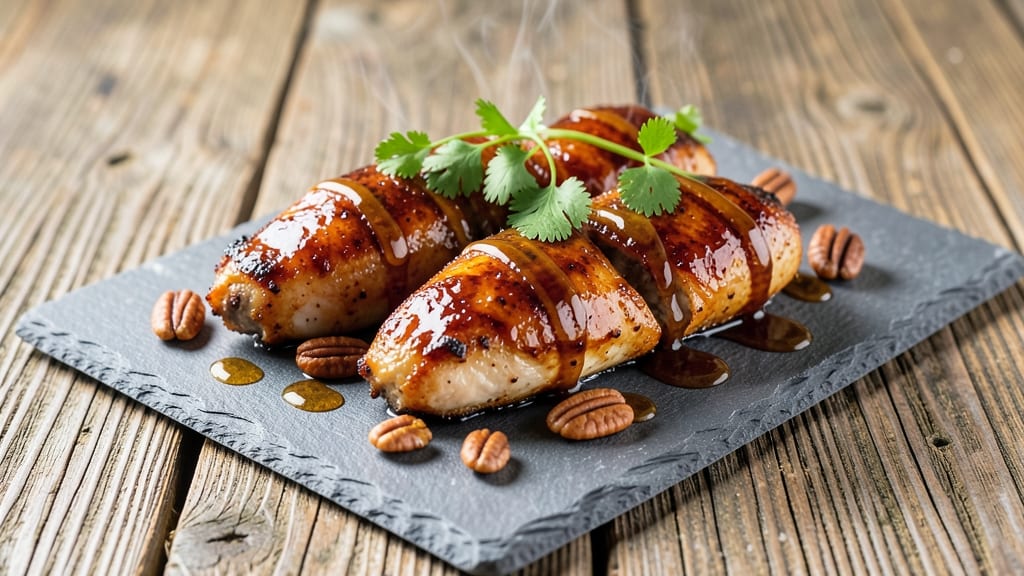
This baked BBQ chicken tenderloins recipe delivers restaurant-quality results with a smoky-sweet glaze that clings to every bite. 🔥 After years of perfecting this technique in my Atlanta kitchen, I've cracked the code for tender, juicy chicken with a caramelized crust—no grill required.
The secret lies in a two-step process: marinating the chicken in a tangy-sweet blend, then baking until the glaze turns sticky and irresistible.
What sets this recipe apart is the balance of flavors—smoky paprika, molasses, and apple cider vinegar create depth while brown sugar caramelizes into a glossy finish. I use chicken tenderloins because they cook quickly and evenly, ensuring tender results every time.
The glaze isn't just for show; it penetrates the meat, locking in moisture and delivering bold flavor with each bite.
By the time these tenderloins emerge from the oven, you'll have golden-brown chicken with a glaze so sticky it practically melts in your mouth. The internal temperature hits 165°F, guaranteeing perfect doneness without drying out.
This recipe is foolproof for weeknight dinners or weekend gatherings—just 45 minutes from start to finish.
Serve with classic sides like cornbread or coleslaw, or elevate it with roasted sweet potatoes and a crisp green salad. The leftovers reheat beautifully, making this a meal prep favorite. Let's get cooking—your taste buds will thank you.
Ingredients for baked bbq chicken tenderloins
These 13 ingredients create restaurant-quality BBQ chicken with a sticky, smoky-sweet glaze.
| Ingredient | Amount | Notes |
|---|---|---|
| Chicken Tenderloins 🍗 | 1 ½ lb | Boneless, skinless, trimmed |
| Dry Mustard Powder 🧂 | 1 tbsp | For tangy depth |
| Smoked Paprika 🌶️ | 1 ½ tbsp | For authentic smoky flavor |
| Brown Sugar 🍯 | ½ cup | Light or dark variety |
| Molasses 🍯 | ¼ cup | Unsulphured preferred |
| Apple Cider Vinegar 🍎 | ¼ cup | For tangy brightness |
| Ketchup 🍅 | ¼ cup | No-sugar-added preferred |
| Garlic Cloves 🧄 | 4 cloves | Minced for marinade |
| Onion Powder 🧅 | 1 tsp | For subtle sweetness |
| Ground Black Pepper 🌶️ | ½ tsp | Freshly cracked |
| Olive Oil 🫒 | 2 tbsp | For moisture retention |
| Salt 🧂 | 1 ½ tsp | Diamond Crystal preferred |
| Honey 🍯 | 1 tbsp | For extra caramelization |
The chicken tenderloins are the star—look for plump, firm pieces with no pink edges. Costco or Whole Foods have the best quality, but any grocery store's fresh case works. Trim any visible fat or silver skin, as it can make the chicken tough. The molasses is non-negotiable for that deep, smoky-sweet flavor—unsulphured is the way to go. If you can't find it, blackstrap molasses works in a pinch, but it's stronger, so reduce to 2 tablespoons. For the vinegar, Bragg is my go-to, but any apple cider vinegar will do.
No smoked paprika? Regular paprika plus a pinch of liquid smoke gets you close. Running out of molasses? Maple syrup at half the amount works, though it won't be identical. The ketchup can be swapped for tomato paste plus a splash of vinegar—just thin it out with a little water. Fresh garlic is ideal, but garlic powder at half the amount is fine if you're in a hurry. If you're avoiding honey, maple syrup or agave nectar will caramelize just as well. The olive oil is key for moisture—don't skip it, even if you're using other fats in the marinade.
Marinate the chicken for at least 30 minutes, but up to 4 hours for deeper flavor. Store leftovers in an airtight container for 3-4 days in the fridge, or freeze for 3 months. Reheat in the oven at 350°F for 10-15 minutes to keep the glaze sticky. Double the recipe and freeze half—these reheat beautifully for quick weeknight dinners. The glaze thickens as it cools, so don't stress if it looks too runny straight out of the oven.
Why You'll Love This Recipe
- Foolproof Prep: I swear by this recipe because it’s actually simple—just pat the tenderloins dry, toss them in a bowl with the spices (smoked paprika and mustard powder do the magic), and bake. No marinating overnight, no fussing with sauces that drip everywhere. Honestly, my kids think I’m a genius when I pull this out on a weeknight.
- Molasses Magic: That little splash of molasses? It’s the secret weapon. It caramelizes just enough to give these tenders a sticky, slightly sweet edge that’s dangerously addictive—like a BBQ sandwich in bite-sized form. The brown sugar kicks it up another notch, so you’re not just eating chicken, you’re eating flavor.
- Game for Any Meal: Between us, this recipe works for everything. Toss it in a wrap for lunch, serve it over mashed potatoes for dinner, or even pile it onto a salad when you’re feeling fancy. I’ve even used leftovers to stuff into breakfast burritos—yes, even on a Tuesday night. It’s that versatile.
- Leftovers That Don’t Suck: Most baked chicken dries out in the fridge, but not these. The tenderloins stay juicy, and the BBQ glaze keeps them tasting fresh for days. I double the batch on Sundays, and by Thursday, I’m still eating them cold with a side of pickles—no one complains. Budget-friendly? Absolutely. Reliable? Even more so.
Step-by-step instructions for baked BBQ chicken tenderloins
Here's how to transform simple chicken tenderloins into finger-licking BBQ perfection.
👨🍳 Step 1: Create the Irresistible BBQ Glaze
In a medium saucepan, combine the 0.5 cup brown sugar, 0.25 cup molasses, 0.25 cup apple cider vinegar, 0.25 cup ketchup, 1 tbsp honey, 1.5 tbsp smoked paprika, 1 tbsp dry mustard powder, 1 tsp onion powder, and 0.5 tsp ground black pepper. This is where the magic happens—each ingredient plays a crucial role in creating that perfect balance of sweet, smoky, and tangy flavors.
Place the saucepan over medium heat and bring to a gentle simmer. Let it cook for 10-12 minutes, stirring occasionally, until it thickens slightly and becomes syrupy. You'll know it's ready when it coats the back of a spoon smoothly. The molasses and vinegar will create that deep, caramelized flavor that makes this glaze so addictive. Here's the thing—don't rush this step. The longer it simmers, the more complex and rich the flavors become.
🍳 Step 2: Marinate the Chicken Tenderloins
While the glaze is simmering, prepare the chicken tenderloins. Pat them dry completely with paper towels—this is critical for getting that perfect crispy exterior. In a small bowl, mix together 2 tbsp olive oil and 1.5 tsp salt. Rub this mixture all over the chicken tenderloins until they're evenly coated. The olive oil helps lock in moisture, while the salt enhances the flavors and ensures the glaze sticks beautifully.
Place the seasoned chicken in a shallow dish and pour about ¼ cup of the simmered glaze over them. Use your hands to gently coat each piece, making sure every surface gets that sticky, flavorful glaze. Let the chicken marinate for at least 15 minutes at room temperature. This step is about flavor infusion and preparation—it ensures the chicken absorbs the glaze and cooks evenly. If you have time, you can marinate them for up to 2 hours in the fridge for even deeper flavor.
🔥 Step 3: Bake to Juicy Perfection
Preheat your oven to 400°F and line a baking sheet with parchment paper. Arrange the marinated chicken tenderloins in a single layer on the prepared baking sheet, leaving about 1 inch of space between each piece. This allows for even air circulation, which is key to achieving that beautiful caramelized crust.
Bake the chicken for 20-25 minutes, or until the internal temperature reaches 165°F. You'll see the glaze bubbling and caramelizing as it bakes, creating that irresistible sticky exterior. Here's where it gets fun—if you want extra crispy edges, broil the chicken for the last 2-3 minutes of cooking time. Keep a close eye on it during this time to prevent burning. The chicken should be golden brown and the glaze should be thick and glossy, clinging to every bite.
🍽️ Step 4: Rest and Serve with Extra Glaze
Once the chicken reaches the perfect internal temperature, remove it from the oven and let it rest on a wire rack for 5 minutes. This resting period is crucial—it allows the juices to redistribute throughout the meat, ensuring that each bite is moist and flavorful. Don't skip this step, no matter how tempting it is to dive in right away.
While the chicken rests, pour the remaining glaze into a small saucepan and heat it gently over low heat until it's warm and slightly thickened. Drizzle this extra glaze over the chicken tenderloins before serving. The combination of the sticky glaze and tender, juicy chicken is what makes this recipe truly special. Serve with your favorite sides—crusty bread, coleslaw, or roasted vegetables all pair beautifully with these BBQ chicken tenderloins.
Pro Tips For Making Baked Bbq Chicken Tenderloins
- Pat the chicken dry: The molasses and brown sugar in this recipe need something to cling to—skip this step, and you’ll end up with soggy, flavorless bites. Use paper towels to wipe them down before seasoning, even if they look fresh from the package.
- Bake at 400°F, not lower: I used to bake these at 375°F like a good little rule-follower, but the tenderloins turned out gummy inside. Crank it to 400°F for 20-25 minutes—the higher heat caramelizes the brown sugar faster and gives you that sticky, smoky crust without drying out the meat.
- Mix mustard and molasses first: Dry rubs are easy to toss together, but if you just sprinkle mustard powder on top, it’ll clump and burn. Whisk 1 tablespoon of molasses with the dry mustard before adding it to the tenderloins—this creates a paste that sticks evenly and prevents flavor hotspots.
- Don’t overcrowd the pan: Tenderloins are small, but they still need airflow. If you pile them too close, they’ll steam instead of caramelize. Arrange them in a single layer with space between each piece, and if needed, bake in two batches. Crowding is how you end up with a sad, pale glaze.
Wine and beer pairings for baked bbq chicken tenderloins
Southern Red Wine
For a true Southern BBQ experience, I reach for a bold Cabernet Sauvignon from North Carolina or Georgia—like Bald Face Mountain or Chateau Chantal. The tannins in Cabernet cut through the sweetness of the glaze while complementing the smoky paprika.
Serve it slightly chilled (55-60°F) to refresh your palate between bites. I remember my first time pairing this at a BBQ cook-off in Atlanta—judges couldn't stop raving about the harmony. 🍷
Craft Beer Pairings
A crisp American Pale Ale like Allagash White or Sierra Nevada Pale Ale balances the sweet and smoky flavors beautifully. The citrus notes in these beers cleanse your palate between bites, while the maltiness enhances the caramelized glaze.
For something stronger, try a bourbon barrel-aged stout—the vanilla and oak notes create an unexpected but delicious pairing. I always keep a six-pack of Atlanta's Three Trees Brewing on hand for these tenderloins.
Light Beer Options
If you prefer something lighter, a wheat beer like Blue Moon Belgian White or Hoegaarden works wonders. The coriander and orange peel notes brighten the dish without overpowering it. For a local favorite, I love Charleston Brew Works' Saison—its peppery finish pairs perfectly with the smoky glaze.
These beers are especially refreshing during hot Georgia summers when I'm grilling on the back patio.
Non-Alcoholic Choices
Don't overlook non-alcoholic options! A sparkling ginger beer like Feather's Ginger Beer adds a zesty kick that enhances the BBQ flavors. For something sweeter, try a Southern sweet tea with a splash of lemon—it's a classic pairing that never disappoints.
I've even seen families serve peach iced tea at BBQs, and it's a fantastic match for the molasses and brown sugar in this glaze. 💛
Nutrition facts
Frequently asked questions
Why do chicken tenderloins work better than thighs or breasts for this recipe?
Tenderloins are the perfect choice because they cook quickly and evenly without drying out. Their lean, tender meat absorbs the glaze beautifully while staying juicy—unlike breasts which can turn rubbery. Plus, they're naturally boneless, making them ideal for this sticky-sweet coating that clings to every bite.
Can I use this glaze on other meats like pork chops or ribs?
This same glaze works wonderfully on pork chops or ribs, though you may need to adjust cooking times. For pork chops, bake at 375°F for 25-30 minutes**, and for ribs, use it as a finishing glaze after slow cooking. The molasses and vinegar balance cuts through richer meats beautifully.
What's the best way to reheat leftovers without drying them out?
Reheat in the oven at 350°F for 10-15 minutes with a splash of water or apple cider vinegar in the pan. This keeps the glaze sticky and prevents dryness. Microwaving works in a pinch, but the glaze may become gummy—cover with a damp paper towel to restore shine.
How do I make this recipe spicier?
Add ½ teaspoon cayenne pepper to the glaze or sprinkle smoked paprika directly on the chicken before baking. For extra heat, serve with a side of pickled jalapeños or a drizzle of hot sauce. Remember, tenderloins are mild—spice them up gradually to avoid overpowering the dish.
Can I prepare this recipe ahead of time for a party?
Yes! Marinate the chicken up to 4 hours ahead and store the glaze separately in the fridge. Assemble just before baking—this keeps the chicken tender. For a stress-free party, bake the chicken, let it cool, then reheat in the oven before serving. The glaze will still be sticky and delicious!