
Main Courses
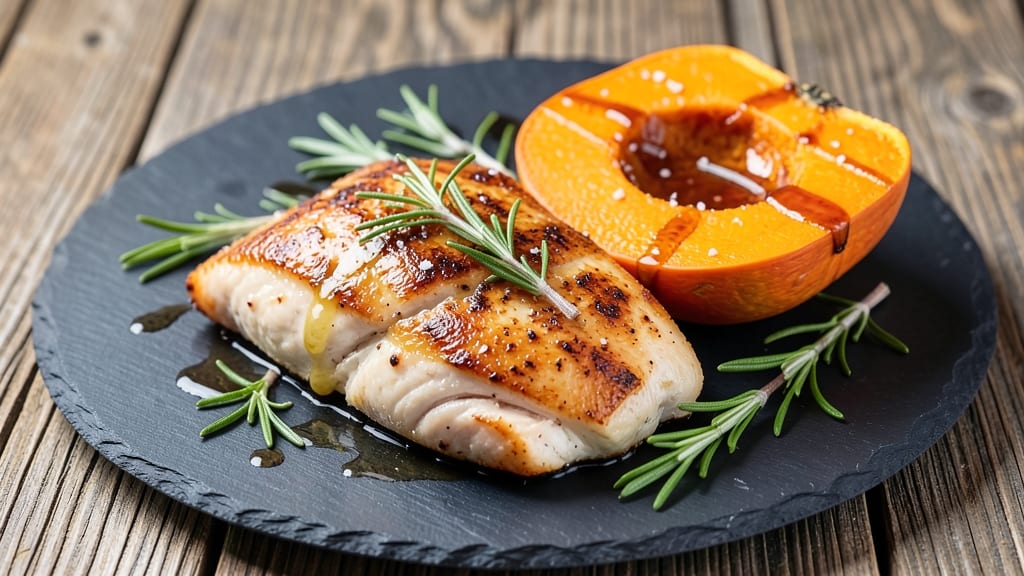
This baked chicken breast and acorn squash recipe transforms weeknight dinner into a restaurant-worthy meal with minimal effort. 💛 The secret lies in balancing sweet, caramelized squash with perfectly seasoned chicken—both achieving tender perfection in the same pan.
I developed this after years of experimenting with one-pan meals that actually deliver on flavor without requiring hours in the kitchen.
The technique is simple but precise: chicken seasons with herbs and citrus while the squash roasts with just enough maple syrup to enhance its natural sweetness. Cooking at 375°F ensures even doneness—no dry chicken or undercooked squash here.
The result is juicy, flavorful chicken paired with squash that's tender on the inside and caramelized at the edges, creating a harmony of textures and flavors that feels both comforting and impressive.
What makes this dish truly special is how it comes together with just 15 minutes of prep and 40 minutes of baking. The aromatic blend of thyme, rosemary, and a touch of garlic infuses both proteins, while the squash's natural sweetness deepens as it roasts.
This isn't just another one-pan meal—it's a complete, balanced dinner that feels like a celebration without the fuss.
Serve with a simple arugula salad dressed in lemon vinaigrette or crusty bread to soak up the remaining juices. The contrast of crisp greens or warm bread against the rich squash and savory chicken creates a meal that's both satisfying and elegant.
Perfect for weeknight dinners or when you want to impress guests with minimal effort—this recipe delivers every time.
Ingredients for baked chicken breast and acorn squash
Sweet caramelized squash meets herb-infused chicken in this one-pan masterpiece.
| Ingredient | Amount | Notes |
|---|---|---|
| Boneless, Skinless Chicken Breast 🍗 | 1 ½ lb | Pounded to even thickness |
| Medium Acorn Squash 🎃 | 1 whole | Halved lengthwise, seeds removed |
| Pure Maple Syrup 🍯 | 2 tbsp | Grade B for deeper flavor |
| Extra-Virgin Olive Oil 🫒 | 2 tbsp | For roasting and basting |
| Fresh Thyme Leaves 🌿 | 1 tbsp | Or 1 tsp dried thyme |
| Fresh Rosemary Sprigs 🌿 | 2 whole | Finely chopped |
| Garlic Cloves 🧄 | 4 cloves | Minced for maximum aroma |
| Lemon Juice 🍋 | 1 tbsp | Freshly squeezed |
| Diamond Crystal Kosher Salt 🧂 | 1 ½ tsp | Adjust to taste |
| Freshly Ground Black Pepper 🌶️ | ½ tsp | For balanced seasoning |
| Unsalted Butter 🧈 | 1 tbsp | For basting chicken |
The acorn squash is the star here—its natural sweetness deepens beautifully when roasted. Look for squash with a matte finish and no soft spots at stores like Whole Foods or your local farmers market. The maple syrup enhances its flavor without overpowering, so Grade B is ideal—it has a richer, more complex taste than Grade A. For the chicken, boneless, skinless breasts work best; pound them to even thickness (about 1/2-inch) for consistent cooking. If you can't find fresh thyme or rosemary, dried works at one-third the amount, but fresh delivers that restaurant-quality aroma.
No maple syrup? Honey or agave nectar will work in a pinch, though maple's earthy notes are unmatched. Substituting another squash? Butternut or delicata will work similarly, but acorn's sweetness is what balances the savory chicken perfectly. The olive oil should be extra-virgin—it's worth the splurge for the fruity depth. If you're short on time, pre-minced garlic from the jar is fine, though fresh always tastes better. And for the butter—unsalted is critical so you can control the seasoning perfectly.
This dish reheats beautifully—just 5 minutes at 350°F restores its moisture. Store leftovers in the fridge for 4-5 days, covered tightly to preserve the squash's caramelization. For meal prep, portion the chicken and squash separately—they reheat at different rates. The squash can also be roasted ahead and reheated with a splash of water to restore tenderness. Freezing isn't recommended for the squash, but the chicken freezes well for 3 months if stored properly.
Why You'll Love This Recipe
- One-Pan Magic: I swear by this for nights when I don’t want to wash a million dishes. Just slice the squash, season the chicken, drizzle with olive oil and maple syrup, and toss it all on one sheet pan. The thyme releases its aroma while everything bakes—no pots, no pans, no stress.
- Sweet-Savory Balance: That caramelized maple syrup glaze on the chicken? It’s the secret weapon. The squash soaks up the sweetness while staying tender, and the thyme adds an earthy kick that makes every bite feel like a hug. Honestly, the contrast is what makes it ridiculous good.
- Meal Prep Hero: Between us, this is my go-to for busy mornings. The chicken stays juicy for days, and the squash reheats beautifully—perfect for lunches or when I need to feed the family without last-minute chaos. (Yes, even on a Tuesday night.)
- Budget-Friendly Luxury: Acorn squash is cheaper than butternut, and chicken breast stretches further than you’d think. A little maple syrup and olive oil go a long way, and fresh thyme makes it taste like I splurged. My wallet and taste buds win.
Step-by-step instructions for sweet roasted chicken and acorn squash
A harmonious one-pan dish where tender chicken meets caramelized squash—simple techniques for maximum flavor.
🍳 Step 1: Prep the Chicken and Squash for Even Cooking
Begin by pounding the 1.5 lb boneless, skinless chicken breast between two sheets of plastic wrap to an even ½-inch thickness. This ensures even cooking and prevents dryness. Season both sides generously with 1.5 tsp Diamond Crystal kosher salt and 0.5 tsp freshly ground black pepper—press the seasoning in firmly so it adheres.
While the chicken rests at room temperature, prepare the medium acorn squash by cutting it in half lengthwise and scooping out the seeds with a spoon. Brush the cut sides with 1 tbsp extra-virgin olive oil to prevent drying and enhance caramelization. The squash should have a golden-brown hue when done, with tender flesh that yields easily to a fork.
👨🍳 Step 2: Build the Herb-Garlic Butter Mixture
In a small bowl, combine 1 tbsp unsalted butter, 4 minced garlic cloves, 1 tbsp finely chopped fresh rosemary sprigs, and 1 tbsp fresh thyme leaves. This aromatic blend will infuse the chicken with layers of flavor. Let it sit at room temperature for 5 minutes to meld the aromatics—you’ll notice the garlic softens slightly and releases its pungent scent.
Spread half of this herb mixture evenly over the seasoned chicken breast. The butter will baste the meat as it roasts, creating a golden crust and locking in moisture. Reserve the remaining herb mixture for basting later—this ensures every bite of chicken carries that fragrant depth.
🔥 Step 3: Roast the Chicken Until Golden and Juicy
Preheat your oven to 400°F and place a wire rack on a rimmed baking sheet. Arrange the seasoned chicken breast on the rack (not directly on the pan) to allow heat to circulate evenly. Roast for 12-15 minutes, until the internal temperature reaches 160°F and the edges are golden brown. Avoid opening the oven door during cooking—this disrupts heat distribution and extends cook time.
About halfway through roasting (6-7 minutes in), brush the chicken with the remaining herb mixture and spoon any accumulated juices from the pan over the top. This basting step creates a glossy, flavorful crust while keeping the meat tender. The chicken is done when it releases easily from the rack and the juices run clear.
🥘 Step 4: Caramelize the Squash with Maple and Lemon
While the chicken roasts, place the halved acorn squash cut-side down on the baking sheet. Drizzle evenly with the 2 tbsp pure maple syrup and 1 tbsp lemon juice, then sprinkle with any remaining herb mixture. Roast alongside the chicken for 20-25 minutes, until the squash flesh is tender when pierced with a fork and the edges are deeply caramelized. The maple syrup should reduce to a sticky glaze, while the lemon brightens the natural sweetness of the squash.
Real talk: the squash is done when it yields slightly under gentle pressure—no need for it to be mushy. If the edges brown too quickly, tent loosely with foil for the last 5 minutes to prevent over-browning. The aroma of caramelized squash and roasted herbs should fill your kitchen by this point.
⏰ Step 5: Rest and Serve with Pan Sauce
Transfer the chicken to a cutting board and tent loosely with foil. Let it rest for 5 minutes—this allows the juices to redistribute, ensuring each slice remains moist. Meanwhile, carefully remove the squash halves from the pan and brush any remaining maple glaze over the top. Place them on serving plates alongside the sliced chicken.
For the finishing touch, spoon the pan drippings—now a rich, herby sauce—over the chicken and squash. The sauce should coat the back of a spoon with a velvety consistency. Serve immediately with the squash halves cut into wedges for easy sharing. Each bite delivers perfectly balanced flavors: tender chicken, caramelized squash, and a bright herbal finish.
Pro Tips For Making Baked Chicken Breast And Acorn Squash
- CUT CHICKEN THIN: Acorn squash bakes slow—don’t let chicken turn rubbery. Pound breasts to ½-inch thickness (or even thinner if they’re big) so the center hits 165°F without drying out. I used to skip this and ended up with chewy, sad chicken every time.
- SALT THE SQUASH: Acorn squash soaks up moisture like a sponge—salt the cut sides 10 minutes before roasting. This draws out excess water so it caramelizes instead of steaming. (Yes, even if the recipe doesn’t say it.)
- MAPLE SYRUP TRICK: Warm the maple syrup just until it drizzles easily (30 seconds in a microwave), then brush it on the chicken. Cold syrup pools instead of sticking, and you’ll waste half of it. Also, don’t skimp—2 tablespoons per breast makes a real difference.
- THYME BUNDLES WORK: Instead of sprinkling fresh thyme leaves (they’ll burn or float away), tie 4-5 sprigs with kitchen twine into a loose bundle. Tuck it under the chicken or into the squash cavity—it infuses flavor without turning to ash. (Pro move: Add a tiny garlic clove to the bundle.)
Perfect pairings for baked chicken breast and acorn squash
Citrus Brightness
Finish the dish with a squeeze of fresh lemon juice (about 1 tbsp) over the squash and chicken right before serving. The acidity cuts through the richness of the roasted chicken and maple-glazed squash, creating a refreshing contrast.
I like to add a lemon zest garnish on top for an extra pop of flavor—just use a microplane to get fine, fragrant strips. 🍋
Herbal Garnish
Fresh herbs elevate this dish instantly. After plating, sprinkle with extra chopped rosemary and thyme leaves for a fragrant finish. For a more delicate touch, try chopped chives or parsley—they add freshness without overpowering.
I often use what I have on hand, but fresh herbs make all the difference in that final presentation.
Crusty Bread Pairing
A warm baguette or sourdough loaf is perfect for soaking up the pan juices and herb butter mixture. Toast it lightly with garlic-infused olive oil before serving—it’s a simple way to add texture and depth. For a heartier option, try crusty breadsticks or focaccia from your local bakery. 🥖
White Wine Pairing
A crisp Sauvignon Blanc or Pinot Grigio complements the dish beautifully. The wine’s acidity and citrus notes mirror the lemon in the recipe, while its light body doesn’t overpower the flavors.
For something more robust, a dry Riesling adds a touch of sweetness that pairs well with the caramelized squash. Avoid heavy reds—they’ll clash with the dish’s delicate balance.
Side Salad Contrast
A simple arugula salad with a lemon vinaigrette (just 2 tbsp olive oil, 1 tbsp lemon juice, and a pinch of salt) provides a peppery, refreshing contrast to the rich chicken and squash.
Toss in thinly sliced radishes or shaved fennel for extra crunch. This keeps the meal light while adding a fresh element to each bite.
Creamy Polenta
For a cozier option, serve with creamy polenta made from 1 cup cornmeal, 4 cups chicken broth, and 2 tbsp butter. The mild, buttery texture balances the sweetness of the squash and the savory chicken.
Top it with a sprinkle of Parmigiano-Reggiano for an extra layer of richness. This turns the dish into a full, satisfying meal. 🥄
Nutrition facts
Frequently asked questions
Why do you pound the chicken breast before baking?
Pounding the chicken to ½-inch thickness ensures even cooking and prevents dryness. Chicken breasts cook faster on the edges than in the center, and pounding creates a uniform thickness so every bite finishes at the same time. This technique keeps the meat juicy while achieving that perfect golden crust.
Can I substitute acorn squash with another type?
Yes! Butternut or delicata squash work well, though acorn's sweetness is ideal for balancing the savory chicken. If using butternut, reduce maple syrup to 1 tbsp—it's naturally sweeter. Delicata's thin skin means it roasts faster (15-20 minutes), so check it earlier. The flavor harmony won't be identical, but it'll still be delicious.
What's the best way to reheat leftovers?
Reheat chicken and squash separately for best results. Place chicken on a baking sheet at 350°F for 5-7 minutes until warmed through. For squash, cover with foil and reheat for 10 minutes—add a splash of water to restore moisture. Never microwave squash; it turns rubbery. Store leftovers for 4-5 days in the fridge.
Can I make this recipe ahead of time?
Roast the squash a day ahead and store at room temperature. Reheat in a 350°F oven for 10 minutes with foil. For the chicken, marinate it overnight with the herb mixture (skip the butter) and bake fresh. The flavors develop beautifully when prepped ahead, but chicken tastes best when cooked fresh.
How do I know when the chicken is fully cooked?
Use a meat thermometer to check the internal temperature—it should reach 160°F at the thickest part. The juices should run clear, and the chicken should release easily from the rack. If using a thermometer is new to you, cut into the thickest part: no pink should remain.