
Main Courses
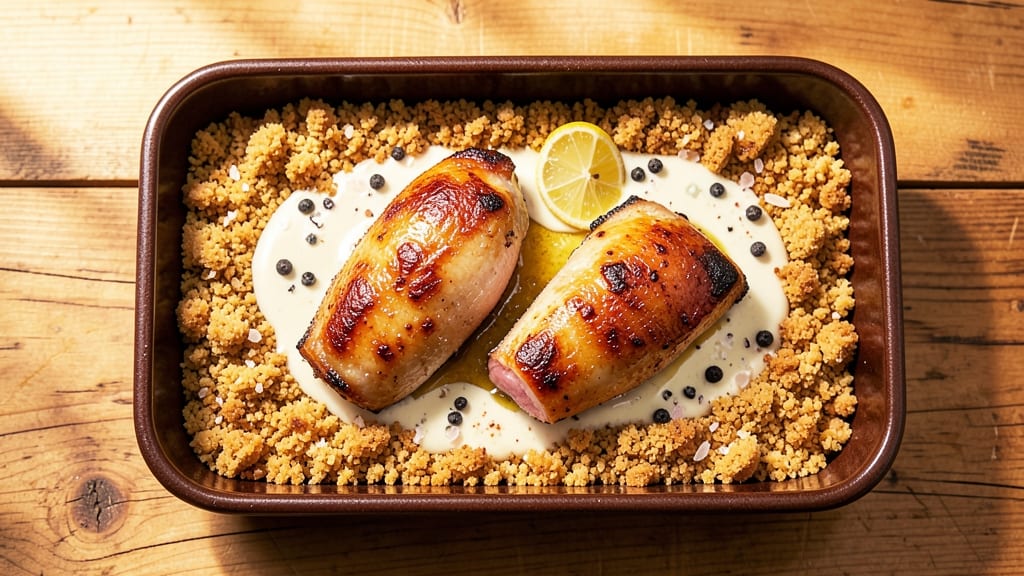
Baking chicken gizzards transforms an often-overlooked cut into a crispy, juicy centerpiece that rivals traditional chicken dishes. The key lies in proper preparation—removing connective tissue and marinating to eliminate any gamey flavor—then baking until golden and tender.
I developed this recipe after years of experimenting with offal, and it consistently delivers restaurant-quality results at home.
What sets this method apart is the marinade, which uses buttermilk and vinegar to tenderize while balancing flavors. You'll also learn how to clean gizzards safely and season them for maximum crispiness without drying out the meat.
The process takes about 45 minutes total, including prep, making it a practical yet impressive weeknight dinner.
By the time they emerge from the oven, your gizzards will have crispy, caramelized skin and moist, flavorful meat inside—no trace of the gamey taste that often deters home cooks.
The technique works equally well with thighs or drumsticks if you prefer more familiar cuts. Serve with pan gravy or a fresh herb sauce for a complete meal.
This recipe proves that offal doesn't have to be intimidating—with the right approach, it becomes one of the most satisfying proteins in your rotation. The same method applies to other organ meats, so once you master this, you'll unlock a whole new world of flavorful cooking.
Let's get started with the full instructions.
Ingredients for baked chicken gizzard
Gamey flavors vanish with buttermilk and vinegar. Crispy skin, juicy meat—just 14 simple ingredients transform overlooked gizzards into showstopping bites.
| Ingredient | Amount | Notes |
|---|---|---|
| Fresh Chicken Gizzards 🍗 | 1 ½ lb | Cleaned, connective tissue removed |
| Buttermilk 🥛 | 1 cup | Full-fat for best flavor |
| White Vinegar 💧 | ½ cup | Distilled or apple cider |
| All-Purpose Flour 🌾 | ¾ cup | For dredging, not cake flour |
| Large Eggs 🥚 | 2 whole | Room temperature preferred |
| Panko Breadcrumbs 🍞 | 1 ½ cups | For extra crispiness |
| Smoked Paprika 🌶️ | 1 tbsp | For depth of flavor |
| Garlic Powder 🧄 | 1 tsp | Freshly ground preferred |
| Onion Powder 🧅 | 1 tsp | For aromatic base |
| Salt 🧂 | 1 ½ tsp | Diamond Crystal kosher |
| Black Pepper 🌶️ | ½ tsp | Freshly cracked |
| Unsalted Butter 🧈 | 2 tbsp | Melted for basting |
| Fresh Parsley 🌿 | ¼ cup | Chopped, for garnish |
| Lemon Juice 🍋 | 1 tbsp | Brightens final flavor |
The gizzards are the star here, so source them from a trusted butcher—they'll clean them for you if you ask. Look for bright red color and firm texture (no sliminess). Costco or local farms often carry them pre-cleaned, which saves time. If you're cleaning them yourself, wear gloves and rinse thoroughly under cold water. The vinegar in the marinade does double duty—tenderizing the meat while cutting through any lingering gamey notes. I always double-check the gizzards for any remaining connective tissue, as that can make them tough. Whole Foods carries them year-round, but seasonal farmers markets often have better quality.
No buttermilk? Substitute 1 cup milk plus 1 tbsp vinegar—let it sit 5 minutes to curdle. Short on smoked paprika? Regular paprika plus a pinch of liquid smoke gets you close. The flour and eggs are non-negotiable for that crispy crust—don't skip either. If you're feeling fancy, add 1 tsp of Dijon mustard to the buttermilk marinade for extra depth. For the breadcrumbs, Trader Joe's panko is my go-to (it's lighter than regular breadcrumbs), but any panko works. The parsley is purely decorative, but it adds a fresh finish that makes the dish feel complete—skip it if you're in a rush.
Marinate the gizzards for at least 2 hours (overnight is ideal) in the fridge. They'll keep in the marinade for up to 12 hours without issue. After baking, let them rest 5 minutes before serving—they'll stay juicier that way. Leftovers reheat beautifully in a 350°F oven for 10 minutes. Store baked gizzards in an airtight container for 3 days or freeze for 3 months. The skin gets soggy if you wrap them directly, so let them cool completely first. I always portion mine into single-serving containers for easy grab-and-go lunches.
Why You'll Love This Recipe
- Crispy in Minutes: I swear, the panko breadcrumbs and double-dip method turn these into shatteringly crisp bites with almost no effort. Thirty minutes in the oven at 400°F—no frying, no fuss—and you’ve got restaurant-quality texture that’ll make you forget they’re gizzards.
- Gamey Flavor Gone: Between the buttermilk and white vinegar marinade (yes, really) and that final lemon juice drizzle, any gaminess disappears. The smoked paprika and garlic powder leave you with a rich, savory flavor that’s more like comfort food than offal.
- Weeknight Crowd-Pleaser: This feeds six easily, and the leftovers reheat perfectly in the oven at 350°F for 10 minutes. I’ve served it at tailgates, potlucks, and even lazy Sundays—everyone clears their plate, and I get zero complaints about texture or taste.
- Budget Magic: Gizzards cost pennies compared to chicken thighs, but this recipe treats them like a premium dish. The buttermilk marinade and butter basting make them feel indulgent while keeping your wallet happy—plus, that 12-hour marinade window means you can prep ahead without stress.
Step-by-step instructions for baked chicken gizzards
Here’s the method to transform tough gizzards into tender, crisp-skinned bites—no gamey aftertaste in sight.
Tenderize and Marinate the Gizzards
Start by rinsing the 1.5 lb fresh chicken gizzards under cold water and patting them completely dry with paper towels. This step is critical—moisture prevents crispy skin later. In a large bowl, combine the 1 cup buttermilk, 0.5 cup white vinegar, 1.5 tsp salt, and 0.5 tsp black pepper. Add the gizzards and submerge them fully in the marinade. Cover and refrigerate for at least 4 hours or overnight—this breaks down connective tissue and mellows the flavor.
Here’s the thing—vinegar might seem harsh, but it tenderizes the meat while cutting through any lingering gaminess. After marinating, drain the gizzards and let them air-dry on a wire rack for 30 minutes. This drying step ensures a crispier crust when baked. If you’re short on time, skip the air-drying, but the texture won’t be as perfect.
Build the Crispy Coating
In a shallow dish, whisk together the 2 whole large eggs until frothy. In another dish, mix the 0.75 cup all-purpose flour, 1 tbsp smoked paprika, 1 tsp garlic powder, and 1 tsp onion powder. Dredge each gizzard in the flour mixture first, shaking off any excess, then dip into the egg wash, and finally coat thoroughly in the 1.5 cups panko breadcrumbs. Press the breadcrumbs firmly onto the gizzards so they adhere well—this creates that satisfying crunch.
Real talk: Don’t skip the double-dip. The flour acts as a glue, and the panko gives you that shatteringly crisp texture. Place the coated gizzards on a parchment-lined baking sheet, leaving space between them. This prevents them from steaming instead of browning. Sprinkle any leftover breadcrumbs on top for extra crunchiness.
Bake to Golden Perfection
Preheat your oven to 400°F and let it come to temperature before baking. Arrange the gizzards on the middle rack—this ensures even heat distribution. Bake for 25 minutes, then flip each gizzard and baste the tops with 2 tbsp melted unsalted butter. Return to the oven and bake for another 15-20 minutes until the coating is deep golden brown and the internal temperature reaches 165°F when measured with an instant-read thermometer.
Watch for the edges to turn crispy and the breadcrumb coating to pull away slightly from the meat. If the coating starts browning too quickly, tent the gizzards loosely with foil to prevent burning while they finish cooking. The butter basting adds richness and helps create a glossy finish—don’t skip this step, even if it feels like overkill.
Finish and Serve
Once baked, transfer the gizzards to a serving platter and immediately drizzle with the 1 tbsp lemon juice. This brightens the flavors and cuts through any richness. Sprinkle with the 0.25 cup chopped fresh parsley for a pop of color and freshness. Let them rest for 5 minutes before serving—this ensures the juices redistribute, keeping the meat moist.
Serve the gizzards hot, ideally with a side of lemon wedges or a tangy dipping sauce. The crispy exterior should contrast perfectly with the tender, juicy interior. If you’re serving leftovers, store them in an airtight container and reheat in the oven at 350°F for 10 minutes to restore crispiness.
Pro Tips For Making Baked Chicken Gizzard
- Skip the Vinegar Shortcut: DESCRIPTION: I learned this the hard way—using just buttermilk and salt leaves the gizzards gamier, even after marinating. The 0.5 cup white vinegar in the marinade doesn’t just tenderize; it actively neutralizes that earthy flavor. If you’re in a rush, at least use half the amount, but don’t skip it entirely.
- Press Those Breadcrumbs: DESCRIPTION: The coating looks perfect until you bite into a gizzard where the panko just falls off. Press the 1.5 cups panko firmly onto each gizzard—don’t just dust it. A quick press with your palm (or the back of a spoon) locks the crumbs in place so they crisp up instead of sliding away.
- Baste at 25 Minutes: DESCRIPTION: Flipping the gizzards at 25 minutes is non-negotiable, but basting with 2 tbsp melted butter right after is where the magic happens. Skipping this step means dry, bland coating. The butter doesn’t just add flavor—it creates a glossy, caramelized crust. Use a pastry brush for even coverage.
- Air-Dry or Regret It: DESCRIPTION: After draining the gizzards from the marinade, let them sit on a wire rack for 30 minutes—this isn’t optional. The extra moisture from skipping this step turns your crispy coating into a soggy mess. If you’re really pressed, pat them extra dry with paper towels, but nothing beats the air-dry.
Troubleshooting your baked chicken gizzard
Gamey Flavor Lingers
If your gizzards still taste gamey after marinating, extend the soak time to 12-24 hours—this gives the vinegar and buttermilk more time to neutralize the off-flavors. I’ve found that adding 1 tbsp of honey to the marinade helps balance the acidity while keeping the meat tender.
For stubborn flavors, try adding 1 tsp of baking soda to the marinade—it chemically breaks down proteins faster. 💡
Skin Not Crispy Enough
For extra crispiness, air-dry the gizzards for 1 hour after marinating instead of just 30 minutes. Pat them completely dry with paper towels, then place them on a wire rack in the fridge for 15 minutes before coating.
Another trick: Use Japanese panko (like Kikkoman)—it’s lighter and crisps better than standard panko. Bake at 425°F instead of 400°F for the last 5 minutes to boost browning.
Meat Too Tough
If your gizzards turn out tough, they likely didn’t marinate long enough. For future batches, add 1 tbsp of lemon juice to the marinade—it helps break down connective tissue faster. You can also pound the gizzards gently with a meat mallet before marinating to reduce chewiness.
For extra tenderness, poach them in water with 1 tbsp vinegar for 10 minutes before baking. 🔥
Coating Falls Off
If the breadcrumb coating detaches during baking, your gizzards weren’t dry enough. After marinating, pat them thoroughly with paper towels and let them air-dry for at least 30 minutes. For a better grip, mix 1 tbsp of cornstarch into the flour before dredging.
Press the breadcrumbs firmly onto the gizzards—don’t just drop them on. Another fix: Chill the coated gizzards in the fridge for 15 minutes before baking to help the coating set.
Uneven Cooking
If some gizzards cook faster than others, arrange them on the baking sheet with the thicker ends facing up. Rotate the pan halfway through baking for even heat distribution. For large batches, bake in two batches rather than crowding the pan.
Use a wire cooling rack under the baking sheet to allow heat to circulate better. If your oven runs hot, reduce the temperature to 375°F and bake for 5-10 minutes longer to compensate. ✨
Nutrition facts
Frequently asked questions
Why do chicken gizzards need marinating before baking?
The marinade of buttermilk and vinegar works double duty—it tenderizes the tough connective tissue while neutralizing any gamey flavors. The acid in vinegar breaks down proteins, and the buttermilk adds moisture. Skipping this step often leaves gizzards chewy or overly strong-tasting. For best results, marinate for at least 4 hours or overnight.
Can I substitute buttermilk in the marinade?
Yes! Mix 1 cup milk with 1 tbsp vinegar and let it sit for 5 minutes to curdle. For extra richness, use heavy cream instead of milk. The key is achieving that tangy, acidic marinade to tenderize the meat and balance flavors. If you're dairy-free, coconut milk plus vinegar works too.
How do I know when the gizzards are fully cooked?
Use a meat thermometer to check the internal temperature—it should reach 165°F in the thickest part. The breadcrumb coating should also be deep golden brown with crisp edges. If you don't have a thermometer, cut into one gizzard: the meat should be opaque white with no pink or translucent areas.
What's the best way to reheat leftover baked gizzards?
To restore crispiness, place leftovers in a 350°F oven for 10 minutes on a wire rack. Avoid microwaving—they'll turn soggy. For extra crunch, sprinkle fresh breadcrumbs on top before reheating. Store baked gizzards in an airtight container in the fridge for up to 3 days.
Can I make this recipe with other organ meats?
This same method works perfectly for chicken livers or hearts. For livers, soak them in milk for 30 minutes first to remove bitterness. The breading and baking process creates the same crispy exterior and tender interior. Just adjust marinating times slightly—livers cook faster, so reduce baking time to 15-20 minutes total.