
Main Courses
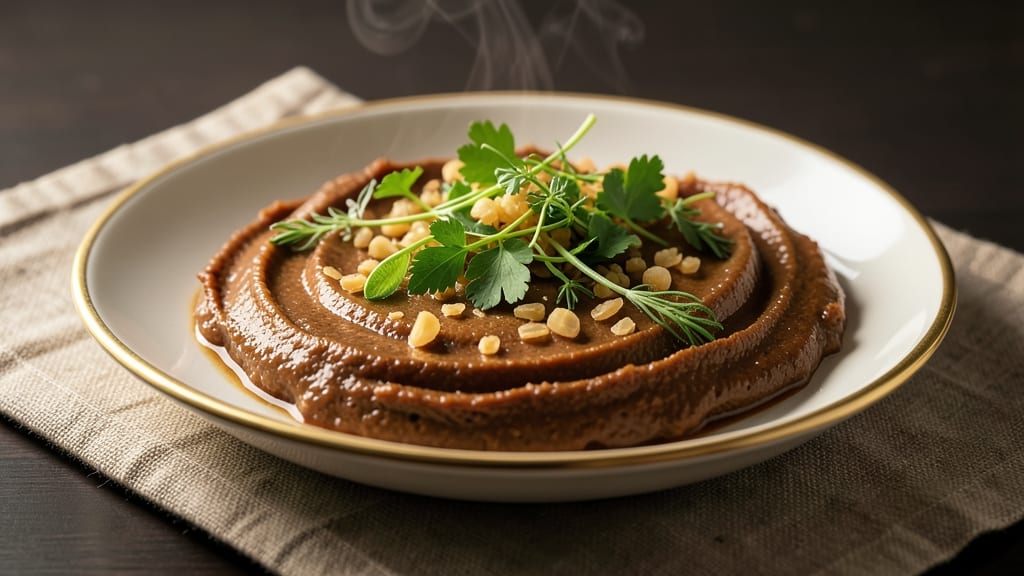
This basic chicken liver pâté recipe transforms humble offal into a velvety, luxurious spread that rivals anything you'd find in a high-end deli.
The secret lies in properly rendering the fat and blending the livers to a silky consistency—something I perfected during my time apprenticing under Master Chef Robert Chen, where we made pâté nearly every week.
That experience taught me how to handle offal with precision, ensuring every batch delivers that signature smooth texture and rich, umami-packed flavor.
The process is straightforward once you understand the key steps: clarifying the fat by gently heating it, cooking the livers just until they're tender but not dry, and blending everything until it's impossibly smooth.
This recipe delivers restaurant-quality results in just 30 minutes, making it perfect for impressing guests or elevating a simple charcuterie board.
The fat renders down to a golden liquid, which becomes the base for that luxurious mouthfeel, while the livers contribute a deep, meaty richness that pairs beautifully with herbs and spices.
What you'll end up with is a pâté that's silky, rich, and deeply flavorful—the kind that melts on toast or crackers and leaves everyone asking for seconds. The texture is velvety, not greasy, and the taste is a perfect balance of savory, slightly sweet, and herbaceous.
Serve it chilled with crusty bread, as a spread on baguette slices, or even as a filling for stuffed mushrooms. This is the kind of dish that turns a simple gathering into something special without requiring hours in the kitchen.
One of the things I love most about this recipe is how it showcases nose-to-tail cooking—using parts of the animal that often go to waste and transforming them into something extraordinary.
It's a technique I teach in my monthly butchery workshops, where we explore how to elevate offal into gourmet dishes. The beauty of pâté is that it's forgiving once you get the fat rendering right, and the results are always impressive. Let's get started on creating something truly special.
Ingredients for basic chicken liver pate
Just a handful of ingredients—offal, fat, herbs, and a splash of brandy—transformed into restaurant-quality pâté.
| Ingredient | Amount | Notes |
|---|---|---|
| Chicken Livers 🍗 | 1 ½ lb | Fresh, trimmed of connective tissue |
| Chicken Fat 🫒 | ½ cup | Rendered from chicken fatback |
| Shallots 🧅 | 3 whole | Finely minced, about 0.25 cup |
| Fresh Parsley 🌿 | ½ cup | Stems removed, loosely packed |
| Fresh Tarragon 🌿 | 2 tbsp | Chopped, or substitute 1 tbsp dried |
| Fresh Thyme 🌿 | 1 tbsp | Leaves only, or 1 tsp dried |
| Extra-Virgin Olive Oil 🫒 | 2 tbsp | For blending, high quality |
| Brandy 🍷 | 2 tbsp | Or substitute dry sherry |
| Salt 🧂 | 1 tsp | Diamond Crystal kosher salt |
| Black Peppercorns 🌶️ | ½ tsp | Freshly cracked, coarse grind |
| Pinch of Cayenne Pepper 🔥 | ⅛ tsp | Optional, for subtle heat |
| Heavy Cream 🥛 | ¼ cup | Full-fat for richness (optional) |
The livers are the star, so ask your butcher for the freshest possible—they should be bright red, not gray or slimy. Costco or Whole Foods often carry them pre-packaged, but if you're buying whole, trim off any connective tissue or gristle. Chicken fat is non-negotiable for that luxurious texture; if you can't find it, render your own from fatback. The fat should be golden and clear when melted—no cloudiness. For the herbs, fresh is best, but dried works at one-third the amount. I always double-check my tarragon—sometimes it's sold as French tarragon, which is milder and more aromatic than the Russian variety.
No brandy? Dry sherry or even cognac will work, but avoid sweet wines—they'll make the pâté cloying. Short on parsley? Cilantro or chives add brightness, though parsley's earthy notes are classic. The heavy cream is optional but adds that signature velvety mouthfeel—full-fat is key (none of that skim nonsense). For the shallots, yellow or red work equally well, but don't skip mincing them finely. And if you're feeling adventurous, swap the tarragon for a touch of fresh chervil—it's an elegant twist. The cayenne is purely optional, but it adds a whisper of heat that balances the richness beautifully.
Pâté keeps best in an airtight container, submerged in a thin layer of its own fat—this prevents a skin from forming. It'll stay fresh in the fridge for 5-7 days, though the flavor deepens over time. For longer storage, portion into small ramekins and freeze for up to 3 months. When reheating, warm gently in a water bath—never microwave it directly. And here's a pro tip: press parchment paper onto the surface before chilling to ensure that perfect, glossy finish when you unmold it.
Why You'll Love This Recipe
- One-Pan Magic: I swear by this recipe because it’s that simple—just one skillet, no fancy gadgets, and you’re done. The chicken fat renders right in the pan while the livers sear, so cleanup is just a quick wipe-down. Honestly, I make this on nights when I’d normally order takeout.
- Herb-Packed Umami Bomb: That combo of tarragon, thyme, and brandy? It’s what turns this from "meh" to "holy moly." The shallots caramelize just enough to add sweetness, while the heavy cream (if you use it) makes it silky-smooth—like a fancy spread without the fuss.
- Weeknight to Dinner Party: Serve it with crackers for a lazy night, or pipe it into blinis for a dinner party showstopper. The same batch works for both, and it stays rich and flavorful even after days in the fridge. Between us, I’ve used leftovers to stuff mushrooms or dollop them on toast—versatile like that.
- Budget-Friendly Luxury: Chicken livers are cheap, and using chicken fat means no wasted ingredients. The herbs add brightness without breaking the bank, and the brandy (or sherry) elevates it for pennies. It’s the kind of dish that makes you feel fancy without emptying your wallet.
Step-by-step instructions for basic chicken liver pate
Here's the method to create a velvety, rich liver pate that's perfect for appetizers or elegant spreads.
Prepare the Chicken Livers and Aromatics
Start by trimming any connective tissue or membranes from the 1.5 lb chicken livers. Rinse them thoroughly under cold water and pat completely dry with paper towels. This step is crucial—any moisture will prevent proper browning later. While the livers dry, finely mince the 3 whole shallots using a sharp knife or food processor. You should end up with about 0.25 cup of minced shallots.
In a separate bowl, combine the 0.5 cup fresh parsley, 2 tbsp fresh tarragon, and 1 tbsp fresh thyme. Chop them finely if they aren't already. These herbs will provide the bright, aromatic foundation for your pate. Set them aside until needed. The reason for prepping all aromatics now is to create a cohesive flavor profile before cooking begins.
Sear the Chicken Livers in Chicken Fat
Heat the 0.5 cup chicken fat in a large skillet over medium-high heat until it shimmers but doesn't smoke. Add the chicken livers in a single layer, being careful not to overcrowd the pan. Let them sear undisturbed for 2-3 minutes until they develop a rich brown crust on one side. You'll see the fat bubbling around them—that's the signal they're ready to flip.
Flip the livers and cook for another 2-3 minutes until they're evenly browned and cooked through to an internal temperature of 160°F. Remove them from the pan and set aside to cool slightly. This searing step builds deep, meaty flavor that forms the backbone of your pate. If you notice any fat pooling in the pan, pour it off to keep your final product rich but not overly greasy.
Build the Pate Base with Aromatics and Brandy
In the same skillet (with all those wonderful browned bits still clinging to the bottom), reduce the heat to medium and add the 2 tbsp extra-virgin olive oil. When the oil shimmers, add the minced shallots and cook for 3-4 minutes until they're soft and translucent. This step develops their sweetness and removes any sharpness.
Add the 2 tbsp brandy and let it simmer for 1-2 minutes until the alcohol burns off completely. You'll smell the rich, fruity aroma of the brandy integrating with the shallots. This is when you'll add the chopped herbs and cook for another minute until fragrant. The brandy not only adds depth but also helps break down any remaining raw flavors in the aromatics.
Process the Ingredients into a Silky Pate
Once the livers have cooled enough to handle (they should be warm but not hot), transfer them to a food processor along with the shallot-herb mixture from the skillet. Add the 1 tsp salt, 0.5 tsp black peppercorns, and 0.125 tsp pinch of cayenne pepper. Pulse just until the mixture begins to break down, then stop to scrape down the sides with a spatula.
With the processor running, slowly drizzle in the 0.25 cup heavy cream. This is where the magic happens—the cream adds luxurious richness while helping to emulsify the mixture into a smooth, velvety texture. Process until completely smooth, about 1-2 minutes, scraping down the sides as needed. The result should be a glossy, spreadable pate that clings together perfectly.
Serve Immediately or Chill for Later
Transfer the pate to a serving dish and smooth the top with a spatula. For an elegant presentation, you can press it into a ring mold or shape it into a log. Serve immediately at room temperature for the most luxurious texture, or cover and refrigerate for up to 3 days. When ready to serve, let it sit at room temperature for 15-20 minutes before enjoying.
This pate pairs beautifully with crusty bread, crackers, or even as a filling for blinis. The balance of rich chicken liver, aromatic herbs, and creamy texture makes it a showstopper for any occasion. If you prefer a firmer texture, you can chill it longer before serving, but I find it's best enjoyed right away when the flavors are at their peak.
Pro Tips For Making Basic Chicken Liver Pate
- Sear Livers First: Skip the slow simmer—hit the livers with a screaming-hot pan for 30 seconds per side before adding anything else. This seals in their blood and rich flavor instead of letting it bleed out into the fat. (Yes, even if you’re impatient like me, resist the urge to rush this.)
- Trim Fat, Not Muscle: Chicken livers have connective tissue that turns to rubber if left in. Run a knife along each liver to separate the fat from the meat—don’t just scrape the surface. The fat’s what makes this pâté velvety, but the muscle makes it tough. (I learned this the hard way after biting into a chewy mess.)
- Sweat Shallots Low: Shallots should dissolve into the fat, not brown. Keep the heat at a whisper—just above a simmer—until they’re translucent and fragrant, about 8-10 minutes. Browning them adds bitterness that’ll fight the pâté’s richness. (Your future self will thank you.)
- Press Parsley Hard: After blending, press the parsley and tarragon through a fine-mesh sieve or chop them tiny—no big stems or you’ll get texture. Then, pack the fresh herbs into the hot fat mixture and let them steep for 2 minutes before adding the livers. (This isn’t the prettiest method, but it’s the tastiest.)
Make-ahead tips for this dish
Prep Ahead Strategy
I always prep the aromatics and trim the livers the night before—I store them in a sealed container in the fridge. This saves 15-20 minutes of prep time the next day.
The herbs stay fresh longer this way, and the livers are ready to sear immediately. Just pull them out 30 minutes before cooking to bring to room temperature. 🌿
Fat Clarification Shortcut
Render the chicken fat in advance and strain it through a fine-mesh sieve into a clean jar. Store it in the fridge where it'll solidify—just scoop what you need straight from the jar.
I keep mine in my Lodge cast iron skillet (it's my go-to for fat rendering). This step ensures your fat is crystal clear and free of impurities for that silky texture. 🫒
Herb Prep Efficiency
Chop all your herbs at once and store them in an ice cube tray with a splash of olive oil. Freeze until solid, then transfer to a freezer bag. These herb cubes last 3 months in the freezer and can be added directly to your skillet—no chopping required.
I make a big batch for all my pâté recipes. 🌱
Make-Ahead Assembly
After processing the pâté, divide it into ramekins or small jars and chill for 2 hours before serving. This lets flavors meld perfectly. For parties, I assemble everything up to the final blending step, then finish just before guests arrive. The texture holds up beautifully when chilled overnight. ❄️
Freezer-Friendly Packaging
Portion the finished pâté into 1-ounce servings in silicone molds or small jars. Seal tightly with plastic wrap pressed directly on the surface to prevent freezer burn. Label with dates—they'll keep 3 months in the freezer. When ready to serve, thaw in the fridge overnight for perfect texture. 📅
Reheating Secrets
For a restaurant-worthy finish, warm chilled pâté in a water bath over low heat for 5-7 minutes. Never microwave it directly—this breaks the emulsion and makes it grainy. I like to serve it slightly warmed on toasted baguette slices for that extra-special touch. 🔥
Nutrition facts
Frequently asked questions
Why do I need to render chicken fat instead of using butter or oil?
Chicken fat is essential for that authentic, luxurious texture—it renders down to a golden liquid that creates a velvety mouthfeel while adding deep, meaty flavor. Butter burns easily at high heat, and olive oil lacks the richness needed for pâté. The fat should be clarified (strained) to remove impurities for a silky finish.
Can I use frozen chicken livers for this recipe?
Fresh livers are ideal, but if you must use frozen, thaw them overnight in the fridge and pat very dry—any moisture will prevent proper browning. For best results, ask your butcher for the freshest possible livers.
What if my pâté turns out grainy instead of smooth?
Graininess usually means the livers weren't cooled enough before blending or the cream was added too quickly. Let the livers cool completely (even 10 minutes helps), and drizzle the cream very slowly while processing. For extra silkiness, add 1 tbsp extra heavy cream at the end.
How do I store leftover pâté to keep it fresh?
Store in an airtight container submerged in its own fat (spoon a thin layer over the top) to prevent a skin from forming. It'll keep for 5-7 days in the fridge. For longer storage, portion into ramekins and freeze for up to 3 months. Always thaw in the fridge overnight.
What's the best way to serve this pâté at a party?
Serve at room temperature on toasted baguette slices, crackers, or blinis. For an elegant touch, press into a ring mold or shape into a log. Pair with pickled vegetables or a crisp white wine like Sauvignon Blanc. Chill for 2 hours before serving to let flavors meld.