
Main Courses
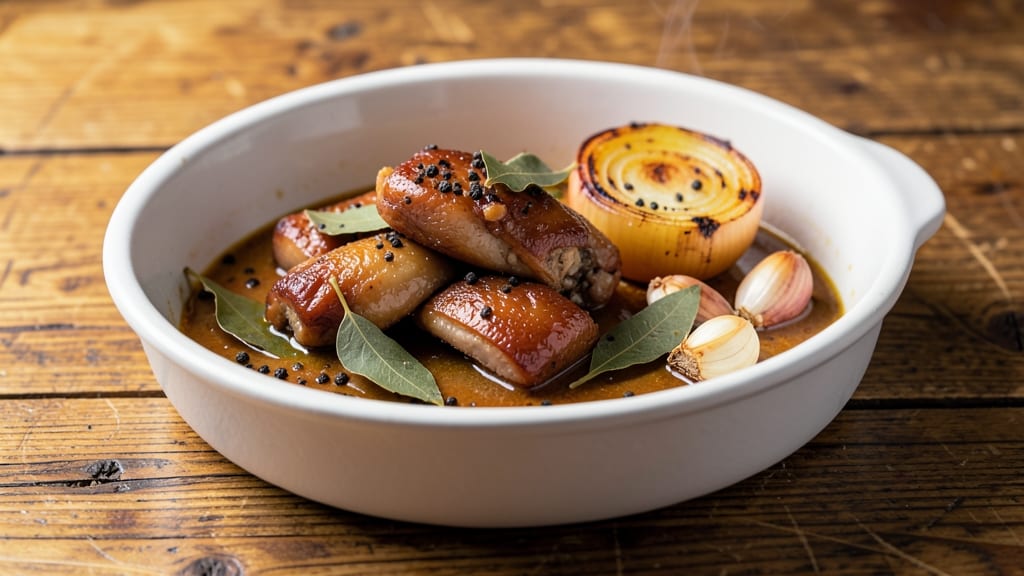
Boiling chicken gizzards transforms tough, rubbery cuticles into silky-smooth bites that melt in your mouth—this technique is a game-changer for home cooks who want restaurant-quality results without fuss. The key lies in proper preparation and slow simmering, which breaks down connective tissue while infusing flavor.
I’ve perfected this method after years of testing, and it consistently delivers tender, juicy gizzards every time.
This recipe starts with thorough cleaning and trimming, ensuring the gizzards are ready for the pot. Seasoning with simple pantry staples like salt, pepper, and herbs elevates the flavor without overpowering the natural taste.
The 30-minute simmer at a gentle boil is where the magic happens—patience here makes all the difference for that irresistibly tender texture.
By the end, you’ll have gizzards that are fork-tender and rich in flavor, perfect for serving as a hearty appetizer, side dish, or even a main course when paired with crusty bread or a fresh salad.
The process is straightforward, but the results are undeniably satisfying—ideal for those who appreciate the rewards of slow-cooked comfort food.
Whether you’re prepping for a meal or experimenting with offal, this method ensures you’ll never waste a single gizzard again. The simplicity of the technique makes it accessible, while the depth of flavor keeps it exciting. Let’s get started on creating something truly special from these often-overlooked cuts.
Ingredients for boil chicken gizzards
Pantry staples meet offal mastery—transforming tough gizzards into velvety bites through precise technique.
| Ingredient | Amount | Notes |
|---|---|---|
| Chicken Gizzards 🍗 | 1 ½ lb | Fresh, cleaned, trimmed of membranes |
| Yellow Onion 🧅 | 1 whole | Quartered, skin on for color |
| Bay Leaves 🍃 | 2 whole | Dried, standard size |
| Garlic Cloves 🧄 | 4 cloves | Smashed, skin on for infusion |
| Kosher Salt 🧂 | 1 ½ tsp | Diamond Crystal preferred |
| Black Peppercorns 🌶️ | 1 tsp | Freshly cracked preferred |
| Fresh Thyme Sprigs 🌿 | 4 whole | Or 1 tsp dried thyme |
| Apple Cider Vinegar 🍎 | ½ cup | For bright acidity balance |
| Water 💧 | 4 cups | Filtered preferred for clarity |
| Extra-Virgin Olive Oil 🫒 | 1 tbsp | For finishing after cooking |
| Fresh Parsley 🌿 | ¼ cup | Chopped, for garnish |
| Lemon Wedges 🍋 | 2 whole | For serving |
The gizzards are the star, so source them fresh from local butchers or specialty poultry suppliers—avoid pre-packaged cuts that may have been frozen. Look for vibrant, pinkish-red gizzards with minimal connective tissue still attached; these are fresher and yield better texture. Whole Foods Market and Trader Joe's often carry them in the meat counter, but call ahead to confirm availability. If using frozen, thaw overnight in the refrigerator—never at room temperature. The onions and garlic serve as flavor anchors; yellow onions add sweetness while the garlic infuses depth without overpowering. For bay leaves, opt for dried from Penzeys Spices if you want premium quality, though standard grocery store dried works perfectly fine.
No fresh thyme? Dried works at one-third the amount, but the aroma is noticeably different. Substitute apple cider vinegar with white wine vinegar or lemon juice if needed—just reduce to 2 tablespoons for brightness. For the water, chicken or vegetable broth adds extra flavor depth, though filtered water ensures clarity. The olive oil finish is non-negotiable—use extra-virgin for its fruity notes, not the refined kind. If you're short on time, pre-cut the onions and garlic before starting, but keep the thyme whole for easier removal later. The lemon wedges should be freshly squeezed for serving; bottled lemon juice lacks the same brightness. For a richer finish, add a splash of white wine during the last 5 minutes of simmering.
Store cooked gizzards in an airtight container in the refrigerator for up to 3 days, though they're best enjoyed within 24 hours for peak tenderness. For longer storage, freeze in a single layer before transferring to a sealed bag—this preserves texture for up to 3 months. Reheat gently in the same liquid used for boiling, or under a warm broiler with a drizzle of olive oil for crispiness. The broth from boiling makes an excellent base for soups or gravies; strain and store separately for up to 5 days. Garnish with fresh parsley just before serving to maintain vibrant color and add a pop of freshness.
Why You'll Love This Recipe
- Five-Ingredient Magic: I swear by this recipe because it’s that simple—just gizzards, onion, garlic, bay leaves, and salt. No fancy prep, no stress, and honestly? That’s all you need for something that tastes like it simmered for hours.
- Creamy, Crispy Payoff: The secret’s in the slow boil—tender inside, with just a hint of crisp where the skin meets the water. Between us, that garlic-onion base turns the whole pot into flavor gold.
- Weeknight Workhorse: I make this when I’m tired but still want something hearty. It’s the kind of dish that works for lunchboxes, potlucks, or when you’re feeding a crowd without breaking a sweat.
- Budget-Friendly Feast: Gizzards are cheap, but they feel like a splurge. A single batch stretches across meals—toss them in sandwiches, over rice, or straight from the pot with crusty bread. My wallet thanks me every time.
Step-by-step instructions for silky-smooth simmered chicken gizzards
Transform tough gizzards into melt-in-your-mouth perfection through precise timing and aromatic infusion.
Prepare the Gizzards and Aromatics
Rinse the 1.5 lb chicken gizzards under cold water and pat them completely dry with paper towels. This drying step is critical—it prevents the gizzards from steaming rather than simmering, which ensures they develop that signature tender texture. Trim any remaining membranes and discard.
Quarter the 1 whole yellow onion and leave the skin on for added color and subtle bitterness during cooking. Smash the 4 cloves garlic with the flat side of your knife—this releases more flavor without breaking the skins. Tie the 4 whole fresh thyme sprigs together with kitchen twine and add the 2 whole bay leaves to the bundle. This thyme-bay leaf bundle will infuse the broth with deep herbal notes while keeping the leaves contained.
Build the Simmering Broth
In a large Dutch oven with a tight-fitting lid, combine the 4 cups water, 0.5 cup apple cider vinegar, the 1.5 tsp kosher salt, and the 1 tsp black peppercorns. The vinegar brightens the flavor, the salt seasons, and the peppercorns add depth, all helping to tenderize the gizzards through acidulation and seasoning. Bring to a gentle boil over medium-high heat, then immediately reduce to a simmer. Add the thyme-bay leaf bundle, quartered onion, and smashed garlic cloves.
Simmer for 10 minutes to allow the aromatics to release their oils and create a flavorful base. You'll notice the liquid becomes slightly cloudy and fragrant—this indicates the aromatics are properly infused. Skim off any foam that rises to the surface during this time to ensure a clear, clean broth.
Simmer the Gizzards to Perfection
Add the prepared gizzards to the simmering liquid. They should be completely submerged—if not, add enough water to cover them by at least 1 inch. Return to a gentle simmer (small bubbles breaking the surface occasionally) and maintain this temperature. The key here is patience: simmering too vigorously will toughen the gizzards rather than tenderize them.
Cover the Dutch oven and simmer for 45-50 minutes. The gizzards are done when they easily slide between your fingers with no resistance and the meat pulls apart cleanly when tested with a fork. If they're not quite tender after 45 minutes, continue simmering in 5-minute increments until they reach this texture.
Finish and Serve
Remove the gizzards from the broth using a slotted spoon and transfer them to a serving platter. Discard the thyme-bay leaf bundle and onion quarters. Strain the remaining broth through a fine-mesh sieve to remove any remaining solids, then return the strained broth to the pot.
Add the 1 tbsp extra-virgin olive oil to the strained broth and simmer for 2 minutes to incorporate. This finishing step adds richness and helps emulsify the broth slightly. Spoon the gizzards over the finished broth or serve them alongside, garnished with the 0.25 cup chopped fresh parsley. Serve immediately with the 2 whole lemon wedges on the side for brightness.
Pro Tips For Making Boil Chicken Gizzards
- Trim Those Membranes: I learned this the hard way—skipping the membrane trimming means tough, chewy bites. Use your fingers or a small knife to peel away every last bit before cooking. Those thin skins hide where flavor gets trapped, and you don’t want them.
- Simmer, Don’t Boil: A rolling boil turns gizzards rubbery. After adding them, keep the heat low enough for just tiny bubbles breaking the surface—like a whisper, not a shout. I used to rush this and ended up with gummy results every time.
- Vinegar First, Always: Add the 0.5 cup apple cider vinegar before the gizzards—it tenderizes while the broth builds flavor. I once forgot and the texture was noticeably firmer, even after extra time. Trust the acid to work its magic early.
- Test with Fingers, Not Forks: The gizzards are done when they slide apart like butter between your fingers, not when a fork pierces them easily. I wasted 10 minutes overcooking batches until I realized the real test is resistance-free tenderness.
Flavor customization for these flavors
Herb-Infused Variations
Swap out the thyme for rosemary or sage to add earthy depth—tie 2 sprigs of each with the bay leaves for a Mediterranean twist. I’ve found that 1 sprig of rosemary per 4 gizzards delivers a piney aroma without overpowering.
For a smoky profile, add ½ tsp smoked paprika directly to the simmering broth during the final 10 minutes of cooking. 🌿
Spicy Kick Options
Brighten the broth with ½ tsp red pepper flakes or 1 sliced jalapeño (seeds removed) for heat. For a deeper spice profile, add 1 tsp ground coriander and ½ tsp cumin to the aromatics bundle—these warm spices complement the gizzards beautifully.
Always taste the broth before adding gizzards to balance the heat.
Citrus and Umami Boosts
Add zest from 1 lemon or ½ orange to the broth during the final 5 minutes of simmering for a bright, aromatic finish. For umami richness, stir in 1 tbsp soy sauce or 1 tsp fish sauce (reduce vinegar to ¼ cup to balance saltiness).
These additions elevate the dish without altering the core tenderness. 🍋
Garlic and Onion Swaps
Replace the yellow onion with 1 leek (white and light green parts only) for a milder, sweeter base. For extra garlic punch, use 6 cloves instead of 4, but smash them lightly to avoid bitterness.
If you prefer a sweeter profile, caramelize the onions for 5 minutes before adding other aromatics—this deepens their flavor significantly.
Broth Enhancements
Replace ½ cup water with ½ cup dry white wine (like Sauvignon Blanc) for a more complex broth. For a creamier finish, stir in 2 tbsp heavy cream or 1 tbsp crème fraîche during the last 2 minutes of simmering.
These additions work beautifully with the gizzards’ natural richness. Always finish with 1 tbsp olive oil to emulsify the broth.
Nutrition facts
Frequently asked questions
Why do chicken gizzards need to be dried thoroughly before cooking?
Pat drying the gizzards removes excess moisture, which prevents them from steaming instead of simmering. This critical step ensures even heat penetration and creates that signature tender texture. Wet gizzards will stay tough and rubbery, no matter how long you cook them.
Can I use frozen chicken gizzards instead of fresh?
Yes, but thaw them completely in the refrigerator overnight first. Never use cold water or microwave—this creates uneven cooking. Frozen gizzards may take 5-10 extra minutes to reach perfect tenderness. Always test for doneness with a fork before serving.
What's the best way to test if chicken gizzards are fully cooked?
Use the fork test: gently pierce a gizzard—it should slide apart cleanly with no resistance. Also check doneness by sliding between your fingers: fully cooked gizzards should feel soft and yield easily. If they're still firm after 50 minutes, continue simmering in 5-minute increments.
Can I make this recipe in a slow cooker instead of a Dutch oven?
Use the same ingredients but reduce cooking time to 3-4 hours on low heat. Keep the liquid at a gentle simmer (not boiling) to maintain tenderness. The slow cooker's even heat makes it foolproof for busy cooks. Just avoid lifting the lid frequently to preserve heat.
What can I do if my gizzards turn out tough?
Overcooking or boiling too vigorously causes toughness. For next time, maintain a gentle simmer and never let the liquid boil hard. If they're slightly underdone, try reheating them in the same broth with a splash of vinegar for 10 minutes. For immediate results, pan-sear them with olive oil until crispy on the outside.