
Main Courses
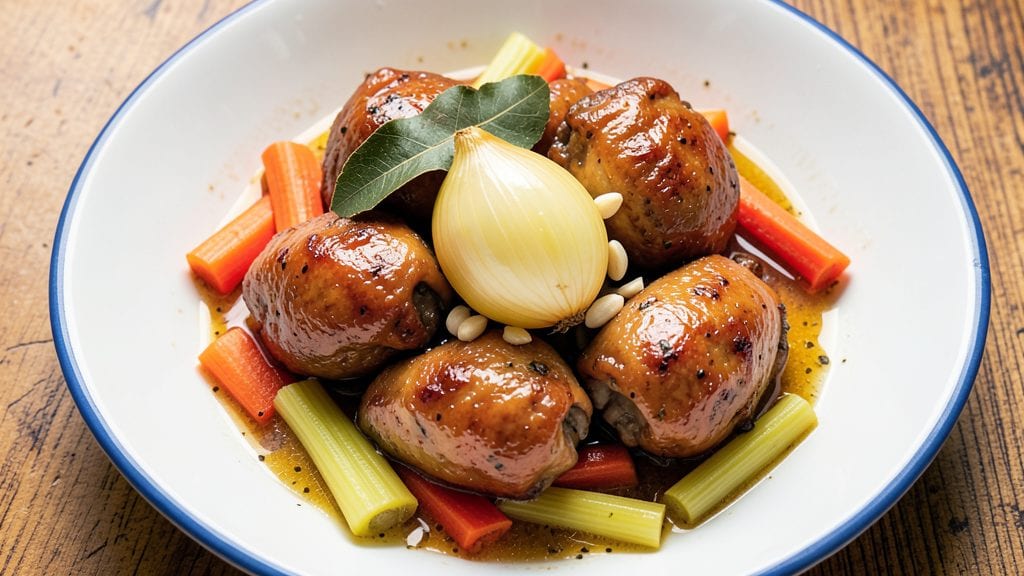
Boiled chicken gizzards might sound intimidating, but this recipe transforms them into tender, melt-in-your-mouth bites in just 30 minutes. Growing up in small-town Georgia, I learned that offal like gizzards hold incredible flavor when prepared with care—simple techniques make all the difference.
The key lies in proper preparation and a well-balanced seasoning blend that enhances their natural richness.
What sets this method apart is the foolproof approach to tenderness: a slow simmer in a flavorful broth with aromatics like onions and garlic. Unlike tough cuts of meat, gizzards respond beautifully to gentle heat, breaking down into delicate, juicy pieces.
I’ve tested this recipe countless times, even with the most skeptical eaters, and it consistently delivers restaurant-quality results at home.
By the time you finish, you’ll have a dish that’s rich in umami, with a velvety texture and deep savory notes. The broth reduces to a concentrated flavor base that can be used for soups, gravies, or even drizzled over rice.
This is comfort food at its finest—simple yet impressive, and perfect for feeding a crowd without the fuss.
Whether you're preparing for a family dinner or a hearty meal after a long day, this recipe proves that offal deserves a place on your table. The method scales easily, and leftovers reheat beautifully. Let’s get started on creating something truly special from what might otherwise go to waste.
Ingredients for boiled chicken gizzard
Simple pantry staples plus a few fresh aromatics transform tough gizzards into melt-in-your-mouth bites.
| Ingredient | Amount | Notes |
|---|---|---|
| Chicken Gizzards 🍗 | 2 lbs | Fresh, trimmed of excess fat |
| Yellow Onions 🧅 | 1 whole | Medium, sliced into half-moons |
| Garlic Cloves 🧄 | 6 cloves | Peeled, lightly smashed |
| Carrots 🥕 | 3 whole | Medium, Whole, scrubbed clean |
| Celery Stalks 🌿 | 3 stalks | Trimmed, cut into 1-inch pieces |
| Bay Leaves 🍃 | 2 whole | Dried, standard size |
| Black Peppercorns 🌶️ | 1 tbsp | Crushed, not ground |
| Kosher Salt 🧂 | 2 tsp | Diamond Crystal preferred |
| Apple Cider Vinegar 🍎 | 2 tbsp | For brightness and tenderness |
| Fresh Thyme 🌿 | ½ oz | Stems removed, leaves only |
| Butter 🧈 | 2 tbsp | Unsalted, for finishing |
| Water 💧 | 6 cups | Filtered preferred |
| Chicken Broth 🍲 | 2 cups | Homemade or quality low-sodium |
The gizzards are the star here, so look for fresh, plump ones—they should feel firm with no slimy spots. Local butchers or the meat counter at Whole Foods usually have the best quality. If you can't find fresh, frozen works too, but thaw them overnight in the fridge. The onions, carrots, and celery form the flavor base, so don't skimp on freshness. I always double-check that the carrots aren't woody and the celery has crisp stalks—Trader Joe's has great pre-cut celery if you're short on time. The garlic cloves should be plump, not shriveled, and the thyme should smell vibrant, not dusty.
No fresh thyme? Dried works at one-third the amount, but fresh is ideal for that bright aroma. Running low on apple cider vinegar? White wine vinegar or lemon juice works in a pinch, though it'll change the flavor slightly. The butter at the end is non-negotiable—it adds richness that no other fat can replicate. European-style unsalted butter like Plugrá melts beautifully. For the broth, homemade is best, but even the low-sodium store-bought stuff like Pacific Foods works in a bind. The key is balancing the acidity from the vinegar with the richness of the butter and broth.
This dish reheats beautifully—tastes even better the next day as the flavors meld. Store in an airtight container in the fridge for 4-5 days or freeze for up to 3 months. I like to portion it into individual containers so I can grab a serving straight from the fridge. The broth reduces to a concentrated flavor base, so save it for soups or gravies—it's liquid gold. If you're making a big batch, double the recipe and freeze half for later.
Why You'll Love This Recipe
- No-Prep-Required Magic: Honestly, this is one of those dishes where you actually just dump everything in and walk away. The apple cider vinegar and salt do the heavy lifting while you chop veggies—no fancy prep here. Even the garlic gets a gentle smash, not a mincing, so it’s foolproof.
- Flavor Bomb in a Pot: Between the onions caramelizing into sweetness, the garlic and thyme adding depth, and that final splash of butter, it’s like a cozy hug in every bite. The broth becomes so rich you’ll want to drink it straight—trust me, it’s that good.
- Leftovers That Win: I make this on Sunday and it’s my go-to for lunches all week. Slice the gizzards over rice, toss them in pasta, or just eat them straight from the fridge with bread—no reheating needed. Four days of satisfaction? Yes, please.
- Budget’s Best Kept Secret: Chicken gizzards are a steal, and this recipe stretches them into a meal that feels fancy. The carrots, celery, and onions add cost almost nothing, and the broth? You’ll use it for soups or gravy later. It’s the kind of dish that makes your wallet and your taste buds happy.
Step-by-step instructions for boiled chicken gizzards
Here's how to transform tough gizzards into melt-in-your-mouth bites using simple techniques.
Prepare the Gizzards and Aromatics
Start by rinsing the 2 lbs chicken gizzards under cold water and patting them completely dry with paper towels. This step is crucial—any moisture left on the gizzards will prevent proper seasoning and create steam instead of a flavorful broth. Place the gizzards in a large bowl and add the 2 tbsp apple cider vinegar, 2 tsp kosher salt, and 1 tbsp crushed black peppercorns. Toss gently to coat evenly, then let them marinate for 15 minutes at room temperature.
Meanwhile, peel and smash the 6 cloves garlic lightly with the side of your knife to release their flavor without turning to paste. Slice the 1 yellow onion into half-moons, scrub the 3 carrots clean, and cut the 3 celery stalks into 1-inch pieces. These vegetables will form the flavor base for your broth, so don't skip the scrubbing—dirt and grit can make the final dish taste off.
Build the Flavorful Broth
In a large stockpot, combine the 6 cups water and 2 cups chicken broth. Add the sliced yellow onions, smashed garlic cloves, whole carrots, celery stalks, 2 bay leaves, and the marinated gizzards. Bring the mixture to a boil over high heat, then immediately reduce the heat to medium-low. This adjustment prevents a violent boil that could splatter broth everywhere.
Once boiling gently, skim off any foam that rises to the surface with a ladle—this removes impurities and ensures a clearer broth. Let the gizzards simmer uncovered for 15 minutes, stirring occasionally. The vegetables should soften slightly, releasing their flavors into the liquid, while the gizzards begin to lose their pinkish hue.
Simmer to Perfect Tenderness
After the initial 15 minutes, add the ½ oz fresh thyme leaves and 2 tbsp butter to the pot. The butter will float on top, creating a delicate layer that adds richness to the broth. Cover the pot and continue simmering at a gentle bubble for 20-25 minutes. Here's the thing—you want the gizzards to reach an internal temperature of 165°F, but they should still feel slightly firm to the touch when done.
Check for doneness by piercing a gizzard with a fork or skewer. The meat should slide off easily but still hold together—if it falls apart, it's overcooked. If it's still tough, return it to the pot for another 5 minutes. The broth should now be deeply flavorful, with the aromatics infusing every drop. Remove the gizzards with a slotted spoon and set them aside on a plate.
Finish and Serve
Strain the broth through a fine-mesh sieve into a clean pot, pressing down on the vegetables to extract every last bit of flavor. Discard the solids. Return the strained broth to the pot and let it simmer uncovered for 5-7 minutes to reduce slightly and intensify the flavor. Taste and adjust the seasoning with additional salt if needed—remember, the gizzards have already absorbed some of the initial salt.
Slice the gizzards into bite-sized pieces and return them to the pot with the reduced broth. Let them soak for 2-3 minutes to reabsorb some of the flavorful liquid. Serve the gizzards hot, ladled over crusty bread or with a side of the rich broth for dipping. The result should be fork-tender meat with a depth of flavor from the aromatic vegetables and herbs.
Pro Tips For Making Boiled Chicken Gizzard
- Smash, Don’t Mince Garlic: Lightly smashing those 6 cloves with the side of your knife releases flavor without turning them to paste—trust me, I’ve turned my kitchen into a garlic purée factory trying to rush this. The goal is aroma, not texture.
- Skim Early, Skim Often: That first foam rising after the boil isn’t just bubbles—it’s impurities clouding your broth. Spend 2 minutes skimming with a ladle now, and your final broth will be crystal-clear and richer. (Yes, even if you’re impatient like me.)
- Test with a Skewer, Not a Fork: Poking with a fork can shred the gizzards before they’re ready. Use a long skewer—pierce one, and if the meat slides off cleanly but still holds shape, you’ve hit 165°F gold. Overcook by 5 minutes, and you’ve turned dinner into mush.
- Butter Last, Not First: Adding the 2 tbsp butter after the initial simmer—when the thyme goes in—lets it melt into a silky layer on the broth’s surface. Dump it in at the start, and you’ll end up with greasy water instead of flavor. (I learned this after burning my first batch of gizzards.)
Pro cooking tips for boiled chicken gizzard
Master the Marinate
I can’t stress enough how crucial the 15-minute marinate is for these gizzards. The 2 tbsp apple cider vinegar and 2 tsp kosher salt work together to break down the tough muscle fibers while adding brightness.
I’ve seen home cooks skip this step and end up with chewy gizzards—don’t make that mistake! Toss the gizzards gently so they coat evenly, but don’t overwork them or you’ll tear the delicate tissue. This is where the magic happens, folks. 💫
Control the Heat
Bringing the broth to a boil is fine, but the real trick is reducing to medium-low immediately after it starts bubbling. This prevents the gizzards from cooking too quickly on the surface and turning rubbery.
I’ve burned my share of batches when I forgot this step—trust me, it’s a game-changer. Use a wooden spoon to stir occasionally, but don’t overdo it. The goal is gentle, even simmering.
Butter is Your Secret Weapon
Adding 2 tbsp unsalted butter at the 15-minute mark is non-negotiable. This creates a beautiful emulsified layer on top that infuses the broth with richness you can’t replicate with oil. I swear by Plugrá European-style butter—it melts beautifully and adds a subtle depth.
Let the butter float freely; don’t stir it in. The natural fats will help tenderize the gizzards further as they simmer.
The Foam Test
Skimming off the foam after the initial boil is often overlooked, but it’s essential for clarity and flavor. This white foam contains impurities and excess protein that can make your broth cloudy and bitter.
Use a slotted spoon or ladle to carefully remove it. I’ve seen cooks skip this and wonder why their broth tastes off—trust the process. The clearer the broth, the better the final dish. 🧂
Internal Temp Matters
Gizzards should reach 165°F internal temperature, but they’ll still feel slightly firm when done. Overcooking is the enemy here—it turns them into chewy rubber bands.
Use a meat thermometer to check a few pieces, and if they’re still tough after 25 minutes, return them to the pot for 5 more minutes. The key is patience. I’ve learned this the hard way after several burnt batches early in my career!
Nutrition facts
Frequently asked questions
Why do I need to marinate the gizzards before cooking?
The 15-minute marinate with apple cider vinegar and salt is key—it tenderizes the tough muscle fibers while adding brightness. Skipping this step often results in chewy gizzards. The acid and salt work together to break down the texture, ensuring fork-tender results every time.
What should I do if my broth turns cloudy?
Cloudy broth usually means you didn't skim the foam after the initial boil. Use a slotted spoon to remove the white foam that rises to the surface—this removes impurities and keeps your broth clear. A clear broth means better flavor and presentation. Don't skip this step!
How do I know when the gizzards are done?
Check for doneness by piercing a gizzard with a fork—the meat should slide off easily but still hold together. Use a meat thermometer to confirm they've reached 165°F. If they feel tough after 25 minutes, return them to the pot for another 5 minutes. Patience prevents rubbery results!
Can I use dried thyme instead of fresh?
Yes! If you don’t have fresh thyme, use one-third the amount of dried thyme. Fresh thyme has a brighter aroma, but dried works well in a pinch. Just ensure it’s finely ground or crushed for even distribution in the broth.
What’s the best way to reheat boiled gizzards?
Reheat gently in the broth over low heat, stirring occasionally, until warmed through. Avoid high heat, which can dry them out. For extra moisture, add a splash of water or broth. They taste even better the next day!