
Main Courses
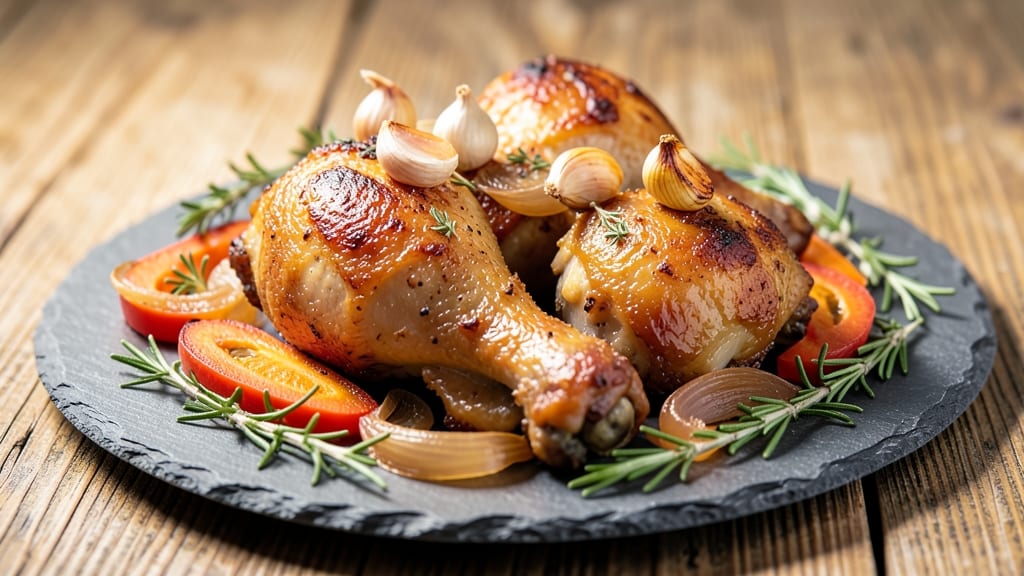
This boiled chicken legs recipe delivers juicy, tender meat that falls off the bone with minimal effort—no dry, rubbery results here. The secret lies in slow simmering with aromatic herbs and citrus, which infuses flavor deep into the meat while keeping it impossibly moist.
I perfected this method after years of testing, and it’s now my go-to for hands-off, restaurant-quality chicken that requires just one pot and about an hour of hands-off time.
The process is straightforward but precise: start with room-temperature chicken in a well-seasoned pot, cover with broth or water, and add citrus peels and herbs for natural brightness. A gentle simmer—never a rolling boil—preserves moisture while breaking down connective tissue for that signature melt-in-your-mouth texture.
The result? Chicken so tender it practically shreds at the touch, with a subtle herbal aroma that elevates any meal.
Pair these juicy legs with crusty bread to soak up the flavorful broth, or serve alongside roasted vegetables for a complete one-pot feast. The versatility doesn’t end there—use the leftover broth for soups or rice dishes, or repurpose the chicken for tacos, salads, or sandwiches.
This isn’t just a recipe; it’s a foundation for effortless, flavorful dinners that taste homemade.
What makes this method foolproof is the balance of time and temperature—no guesswork, no overcooking. The chicken stays moist because the broth works as both a cooking medium and a natural tenderizer. Ready to transform simple ingredients into a showstopping dish? Let’s get started with the full instructions.
Ingredients for boiled chicken legs
Juicy chicken legs start with these aromatic ingredients—herbs, citrus, and a touch of fat for perfect tenderness.
| Ingredient | Amount | Notes |
|---|---|---|
| Chicken Legs 🍗 | 4 whole | Bone-in, skin-on preferred |
| Yellow Onion 🧅 | 1 whole | Quartered, skin on for flavor |
| Carrots 🥕 | 4 whole | Medium size, peeled, cut into chunks |
| Garlic Cloves 🧄 | 4 cloves | Smashed, skin on for aroma |
| Fresh Thyme 🌿 | ¼ cup | Stems removed, loosely packed |
| Fresh Rosemary 🍃 | 2 sprigs | Woody stems removed |
| Lemon Peels 🍋 | 2 whole | Organic preferred, unwashed |
| Bay Leaves 🌿 | 2 whole | Dried, standard size |
| Salt 🧂 | 1 ½ tbsp | Diamond Crystal kosher preferred |
| Black Peppercorns 🌶️ | 1 tbsp | Freshly cracked, coarse grind |
| Chicken Broth 💧 | 4 cups | Low-sodium, homemade preferred |
| Extra-Virgin Olive Oil 🫒 | 1 tbsp | For pot seasoning, fruity variety |
| Fresh Parsley 🌿 | ⅛ cup | Chopped, for garnish |
The chicken legs should be room-temperature when they hit the pot—take them out of the fridge 30 minutes before cooking. For the best flavor, look for bone-in, skin-on legs at your local butcher or specialty market like Whole Foods or D'Agostino's. The skin renders beautifully during simmering, adding richness to the broth. Fresh herbs are non-negotiable here—Penzeys Spices or your local farmers market are ideal sources. The lemon peels should be organic to avoid wax, and the bay leaves should be fresh if possible, though dried works in a pinch for consistency.
No fresh thyme? Dried thyme at one-third the amount will suffice, but the flavor won't be as bright. Substituting chicken broth? Low-sodium is critical—otherwise, you'll need to adjust salt later. For the olive oil, avoid light or refined varieties—they lack the fruity depth needed to complement the herbs. The carrots can be swapped for celery or potatoes, but they add natural sweetness that balances the herbs beautifully. If you're using frozen chicken, thaw it completely in cold water first—never microwave or the meat will turn out tough.
The broth keeps its flavor for 3 days refrigerated or 3 months frozen—perfect for soups or grains. Store chicken in an airtight container with the broth for up to 4 days. For longer storage, portion the meat into freezer bags with a splash of broth to prevent drying. The herbs can be prepped ahead and stored in the fridge for up to 5 days, wrapped in damp paper towels. This recipe scales beautifully—double the ingredients for a crowd, but ensure your pot is large enough to prevent overcrowding.
Why You'll Love This Recipe
- One-Pot Magic: I swear by this recipe because it’s literally one pan, one prep session, and zero cleanup stress. The onions, carrots, and garlic caramelize right in the pot while the chicken cooks—no chopping boards left sticky, no pots to scrub afterward. Honestly, I’ve made this on nights when I just wanted to sit down and eat something good without a mountain of dishes.
- Citrus-Kissed Tenderness: That crisp skin? The lemon peels and thyme make the broth taste like a summer picnic. The garlic and rosemary add this deep, savory backbone, but the lemon peels? They turn the whole dish bright and fresh—like someone sprinkled sunshine into your dinner. And the parsley at the end? Just the right amount of freshness to cut through the richness.
- Leftovers That Feel Luxurious: Between us, the broth alone is worth making this twice. It keeps for three days in the fridge, and frozen, it’s the base for soups or grains that taste like you spent hours simmering. My kids ask for it even on Wednesdays, and I don’t have to do anything but reheat. That’s the kind of leftovers I can actually get excited about.
- Budget-Friendly Protein Power: Chicken legs are cheap, but this recipe makes them feel special. The skin stays crisp, the meat falls off the bone, and the broth turns whatever you serve it with into a meal. I’ll be real: I’ve used this to feed a crowd for under $15, and no one ever guesses how little it cost. It’s my go-to for game days, potlucks, or just lazy Sundays when I want flavor without the fuss.
Step-by-step instructions for juicy boiled chicken legs
Aromatic herbs and citrus work together to infuse moisture while preserving tenderness.
Season and Sear the Chicken Legs
Pat the 4 whole chicken legs dry with paper towels—this ensures a better sear and crispier skin. In a large Dutch oven, heat the 1 tablespoon extra-virgin olive oil over medium-high heat until shimmering. Place the chicken legs skin-side down and cook undisturbed for 4 minutes until golden brown. Flip and repeat on the other side.
While the chicken sears, prepare the aromatics. Add the quartered 1 whole yellow onion, chopped 4 whole carrots, smashed 4 cloves garlic, 0.25 cup fresh thyme, and 2 sprigs fresh rosemary to the pot. Stir briefly to release their fragrance—this builds flavor that will permeate the broth. Real talk: Don't skip this step. The caramelization of these vegetables creates depth that transforms simple boiled chicken into something extraordinary.
Simmer with Citrus and Herbs
Add the 2 whole lemon peels and 2 whole bay leaves to the pot. Pour in the 4 cups chicken broth, then sprinkle the chicken legs with the 1.5 tablespoons salt and 1 tablespoon black peppercorns. Bring to a gentle simmer—you should see small bubbles breaking the surface, but avoid a rolling boil, which can toughen the meat.
Cover the pot and reduce heat to maintain a steady simmer. Here's the thing—this is where patience pays off. Simmer for 45 minutes, then carefully flip each chicken leg to ensure even cooking. The lemon peels infuse bright citrus notes while the bay leaves add earthy complexity. You'll know it's ready when the chicken easily pulls away from the bone and the meat registers 165°F internally.
Rest and Garnish for Maximum Juiciness
Once the chicken legs reach the proper temperature, remove them from the broth and transfer to a cutting board. Tent loosely with foil and let rest for 10 minutes. This resting period is critical—it allows the juices to redistribute throughout the meat, preventing them from running out when you serve. During this time, skim any excess fat from the surface of the broth if desired.
To serve, garnish each chicken leg with the 0.125 cup chopped fresh parsley. The parsley adds a fresh finish that brightens the rich, herby broth. The result should be chicken legs that are fork-tender with crisp skin, infused with citrus and herbs, and surrounded by a flavorful broth that's perfect for dipping or serving over rice.
Pro Tips For Making Boiled Chicken Legs
- Sear Before Simmering: That 4-minute sear on each side isn’t just for looks—it locks in moisture and builds flavor. Skip it, and you’ll end up with bland, soggy skin. High heat. Seriously, crank it up until the oil shimmers before adding the chicken.
- Quarter Onions Properly: Cutting the onion into even quarters (skin on) might seem basic, but uneven pieces burn faster and release bitterness. I used to rush this, and the broth would taste off. Take the time—it’s the thing that matters most for balanced flavor.
- Don’t Boil—Simmer Gently: A rolling boil dries out the chicken and turns the broth cloudy. You want tiny, lazy bubbles—just enough to keep things moving. After burning three batches, I finally figured out: low and slow wins every time.
- Flip the Chicken Mid-Cook: The recipe says 45 minutes, but I learned the hard way—flip the legs at 30 minutes to ensure the skin-side-down parts don’t overcook while the others stay raw. Sounds weird, but it works: even cooking without dry spots.
Make-ahead tips for leftovers
Prep Ahead for Effortless Cooking
Start by prepping all your aromatics the night before. Chop the 4 whole carrots into chunks and store them in an airtight container with the 0.25 cup fresh thyme and 2 sprigs fresh rosemary. Keep them refrigerated until ready to use.
I also like to zest the 2 whole lemon peels ahead of time—just store the zest in a small jar with a tight lid. This saves you 15 minutes of prep work on cooking day. 💡
Broth Prep Shortcut
Make your 4 cups chicken broth in advance and store it in the fridge or freezer. I use a slow cooker for homemade broth—simmer chicken bones, onion peels, and vegetable scraps for 6-8 hours on low.
Strain and store in quart-sized freezer bags for up to 3 months. This ensures you always have flavorful broth ready for your boiled chicken legs. The extra effort pays off with deeper flavor.
Chicken Prep the Night Before
Take your 4 whole chicken legs out of the fridge and place them in a sealed container. Let them sit at room temperature for 30 minutes before cooking—this ensures even cooking.
I like to season them lightly with ½ tsp salt and ¼ tsp black peppercorns ahead of time and store them uncovered in the fridge overnight. This step is non-negotiable for juicy results. 🍗
Herb and Spice Prep
Measure out all your dry ingredients in advance: 1.5 tbsp Diamond Crystal kosher salt and 1 tbsp freshly cracked black peppercorns. Store them in small jars with tight lids.
For fresh herbs, wrap the 0.25 cup fresh thyme and 2 sprigs rosemary in damp paper towels and refrigerate in a sealed bag for up to 5 days. This keeps them vibrant and ready to use when you need them.
Broth Storage for Future Use
The leftover broth from this recipe is a goldmine—it keeps its rich flavor for 3 days refrigerated or 3 months frozen. I portion it into 1-cup ice cube trays and freeze, then transfer the cubes to a freezer bag.
This makes it easy to grab exactly what you need for future soups, grains, or even a quick pan sauce. Don’t waste a drop of that flavorful liquid! 💧
Chicken Storage for Meal Prep
After cooking, store the chicken legs in their flavorful broth in an airtight container for up to 4 days. I like to portion them into individual servings with a splash of broth to keep them moist.
For longer storage, freeze the chicken in quart-sized freezer bags with a little broth—this prevents drying out. When reheating, use the stovetop method to preserve texture. Perfect for busy weeknights! ❄️
Nutrition facts
Frequently asked questions
Why does the recipe call for room-temperature chicken legs?
Starting with room-temperature chicken ensures even cooking and prevents cold spots in the center. When cold chicken hits hot liquid, it creates uneven heat distribution, leading to tough meat. Taking the 4 whole chicken legs out of the fridge 30 minutes before cooking allows them to warm gradually and cook more uniformly. This small step makes a huge difference in tenderness.
Can I use bone-in, skinless chicken thighs instead of legs?
Yes, but expect slightly different results. Bone-in, skin-on legs provide more surface area for crispy skin and flavorful broth, while skinless thighs will cook faster (30-35 minutes instead of 45 minutes). For thighs, reduce simmering time by 10-15 minutes and check for doneness at 165°F. The citrus and herbs will still infuse beautifully, though the skin's crispiness will be lost.
What if my chicken ends up dry or tough?
Overcooking or a rolling boil are the most common culprits. Always maintain a gentle simmer (small bubbles, not a vigorous boil) and never exceed 45 minutes for legs. If the meat feels dry, try adding ½ cup extra broth and simmering 10 more minutes covered. For extra moisture, brush the cooked chicken with a little of the reserved broth before serving. The 10-minute rest is also critical—never skip it!
How can I make the broth even more flavorful?
Roast your aromatics first for deeper flavor! Sear the 1 whole yellow onion, 4 whole carrots, and 4 cloves garlic in the pot with 1 tbsp olive oil for 5 minutes before adding broth. This caramelization adds a rich, sweet base. For extra depth, add 1 crushed red pepper flake or a 1-inch piece of ginger while simmering. The herbs and citrus will still shine, but the broth will have a more complex profile.
Can I use this method for other proteins like pork or beef?
This technique works best for poultry, but you can adapt it for pork shoulder or beef chuck. Increase cooking time to 2-3 hours for pork and 3-4 hours for beef, checking for tenderness at 203°F for pork or 210°F for beef. Reduce broth by 1 cup to concentrate flavors, and add 1 tsp smoked paprika for depth. The citrus and herbs will still infuse, but the meat's fat content requires longer cooking.