
Main Courses
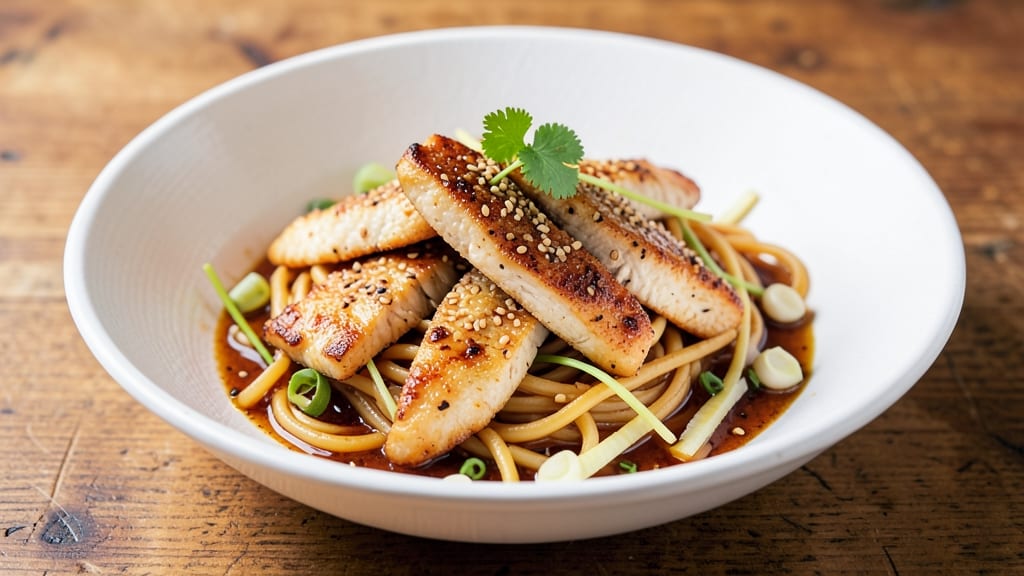
Transforming a simple Campbell's chicken noodle soup into a restaurant-worthy stir fry is the kind of kitchen magic that turns weeknight dinners into something special. The secret lies in balancing that familiar creamy broth with bold stir-fry flavors—think garlic, ginger, and a touch of heat—while keeping the method effortless.
I developed this one-pot technique after years of testing, and it never fails to deliver tender chicken, perfectly cooked vegetables, and a velvety sauce that coats every bite.
What makes this recipe work is the simplicity of the process: just one pot, minimal prep, and 20 minutes of active cooking time. The Campbell's broth forms the base, while fresh aromatics and a splash of soy sauce deepen the flavor profile.
This isn't about complicated techniques—it's about letting the ingredients shine while the sauce thickens naturally through reduction. The result is a dish that's hearty enough for a family dinner but quick enough for a busy weeknight.
By the time you serve this stir fry, you'll have golden-brown chicken, crisp-tender vegetables, and a sauce so rich it clings to every noodle or rice grain. The aroma alone—warm broth, garlic, and a hint of ginger—will have everyone at the table asking for seconds.
It's the kind of meal that feels indulgent but comes together faster than takeout.
Serve it over steamed rice or egg noodles for that classic stir-fry texture, or even as a filling for lettuce wraps for a lighter option. The beauty of this recipe is its versatility—adjust the heat to your preference, swap in your favorite vegetables, and make it your own.
Let's get cooking!
Ingredients for campbell's chicken stir fry
Pantry staples meet bold stir-fry flavors—just a few ingredients transform soup into restaurant-worthy magic.
| Ingredient | Amount | Notes |
|---|---|---|
| Campbell's Chicken Noodle Soup 🍲 | 2 cans | 10.5 oz each, undiluted |
| Boneless Chicken Breast 🍗 | 1 ½ lb | Cut into 1-inch strips |
| Fresh Garlic Cloves 🧄 | 4 cloves | Minced for aromatics |
| Fresh Ginger 🌿 | 1 ½ tbsp | Finely grated, peeled |
| Low-Sodium Soy Sauce 🥢 | 2 tbsp | For umami depth |
| Sesame Oil 🫒 | 1 tbsp | Toasted sesame flavor |
| Bell Peppers 🌶️ | 2 whole | Red/yellow, sliced |
| Carrots 🥕 | 2 whole | Julienned, peeled |
| Snow Peas 🌱 | 1 cup | Pods left whole |
| Cornstarch 🌾 | 1 tbsp | For sauce thickening |
| Water 💧 | 1 tbsp | For cornstarch slurry |
| Vegetable Oil 🫒 | 2 tbsp | High smoke point |
| Red Pepper Flakes 🌶️ | ½ tsp | Adjust for heat |
| Salt 🧂 | ½ tsp | Kosher or sea |
| Green Onions 🧅 | 2 whole | Sliced, for garnish |
The Campbell's broth is the secret weapon here. Grab the classic chicken noodle soup—the creamy base gives that familiar comfort while the aromatics take it to new heights. Fresh ginger is non-negotiable (the peeled, grated kind from the produce section, not powder), but if you're in a pinch, 1 tsp ground ginger works. For the chicken, cut into even 1-inch strips—thicker pieces stay chewy. I always buy boneless breasts for this because they cook faster and stay juicier. The bell peppers? Any color works, but red has the most natural sweetness. If you're at Trader Joe's, their pre-sliced stir-fry veggie mix saves time.
No sesame oil? Toasted peanut oil or even a little extra virgin olive oil will work, though the flavor won't be identical. Short on snow peas? Substitute broccoli florets or snap peas—they hold up well to stir-frying. The cornstarch slurry is key for thickening that velvety sauce. Mix it with cold water before adding to the pot, or it'll clump. For extra heat, add more red pepper flakes or a dash of sriracha at the end. The soy sauce matters here—low-sodium keeps the dish from tasting salty, but regular works if you reduce it by half.
This reheats beautifully—just add a splash of water or broth to loosen the sauce. Keeps for 3-4 days in the fridge, but honestly tastes even better the next day as the flavors meld. For meal prep, portion into containers with a little extra sauce on top—it keeps everything moist. Freezes for up to 2 months, though the noodles get a little mushy after thawing. Garnish with those green onions right before serving, or they'll wilt in the hot pan. Double the batch if you're feeding a crowd—it disappears fast.
Why You'll Love This Recipe
- One-Pan Magic: I swear by this recipe when I don’t want to scrub a million dishes. The chicken sears right in the same pan where everything else cooks—no extra bowls, no stress. Just toss in the bell peppers, carrots, and snow peas, and let the sauce work its magic while you stir.
- Umami Bomb: That combo of undiluted Campbell’s Chicken Noodle Soup, low-sodium soy sauce, and fresh ginger? It’s a flavor explosion. The sauce thickens into something silky and rich, with just enough heat from the red pepper flakes to make every bite satisfying. Honestly, I reach for this when I want restaurant-quality taste without the fuss.
- Meal Prep MVP: Between us, this is my go-to for busy weeks. The leftovers actually improve—the flavors meld overnight, and it reheats like a dream. Plus, it feeds four easily, so I can prep it once and eat it twice without getting tired of it.
- Budget-Friendly Flex: I love that it’s packed with affordable staples—canned soup, chicken breast, and seasonal veggies—but still feels special. The sesame oil and fresh ginger elevate it without breaking the bank, and the cornstarch slurry gives it that restaurant-worthy texture for pennies. Not the prettiest, but the taste makes up for it.
Step-by-step instructions for Campbell's chicken stir fry
Here's how to transform simple ingredients into a rich, velvety stir fry with minimal cleanup.
Prep and Sear the Chicken
Cut the 1.5 lb boneless chicken breast into 1-inch strips and season generously with 0.5 tsp salt and 0.5 tsp red pepper flakes. Heat 2 tbsp vegetable oil in a large skillet or wok over medium-high heat until shimmering. Add the chicken in a single layer and cook undisturbed for 3-4 minutes until golden brown on one side. Flip and cook another 2-3 minutes until fully cooked through and no longer pink inside. Remove the chicken and set aside—it'll finish cooking in the sauce later.
Here's the thing—don't overcrowd the pan. If you're working in batches, that's fine, but keep the heat high to maintain that sear. The chicken should release easily from the pan when it's ready to flip. If it sticks, your pan isn't hot enough or you need to press down gently with a spatula to help it release.
Build the Flavor Base
In the same skillet (no need to clean it—those browned bits are flavor gold), add 2 tbsp low-sodium soy sauce, 1.5 tbsp finely grated fresh ginger, and 4 cloves minced fresh garlic cloves. Stir and let it sizzle for 1 minute until fragrant. Add 2 whole bell peppers cut into strips and 2 whole carrots julienned, stirring to coat everything in the sauce. Cook for 4-5 minutes until the vegetables begin to soften but still retain some crunch.
This is where the magic happens. The ginger and garlic should smell intoxicating—almost like you're walking through a spice market. If your stir fry lacks this aromatic base, the whole dish will taste flat. Keep the heat at medium-high to maintain movement in the pan. The vegetables should be tender-crisp at this stage, not mushy.
Create the Velvety Sauce
Pour in the 2 cans Campbell's Chicken Noodle Soup (undiluted) and stir to combine with the vegetables. Bring to a gentle simmer, then reduce heat to medium-low. Let it cook for 5 minutes to let the flavors meld together. In a small bowl, whisk together 1 tbsp cornstarch and 1 tbsp water to create a slurry. Slowly pour the slurry into the simmering mixture while stirring constantly.
The sauce will thicken dramatically within 1-2 minutes—this is your velvety texture coming together. If it thickens too quickly, use the 1 tbsp water from the ingredients list to reach your desired consistency. The sauce should coat the back of a spoon but still be pourable. Here's where it gets fun—toss in the 1 cup snow peas and the chicken you set aside earlier. Stir gently to coat everything evenly in the sauce.
Finish and Serve
Cook for an additional 3-4 minutes until the chicken is heated through and the snow peas are bright green and tender. Drizzle with 1 tbsp sesame oil and toss everything together one last time. Taste and adjust seasoning if needed—you might want to add a splash more low-sodium soy sauce or a pinch more red pepper flakes for heat. Transfer to serving bowls and garnish with 2 whole green onions sliced into ¼-inch pieces. Serve immediately while hot.
Each bite should deliver tender chicken, crisp-tender vegetables, and that luxurious velvety sauce clinging to everything. The sesame oil adds a beautiful aroma and nutty finish that ties all the flavors together. This one-pot stir fry delivers restaurant-quality results with minimal cleanup—exactly what we promised!
Pro Tips For Making Campbell'S Chicken Stir Fry
- Prep Ginger Like a Pro: Use a microplane or the fine side of a grater for the 1.5 tbsp fresh ginger—it renders faster and blends smoother into the sauce than chopping. I learned this the hard way after burning my fingers trying to mince it by hand, and the flavor is way more consistent.
- Don’t Rush the Chicken Sear: Let the 1.5 lb boneless chicken breast strips sit in the hot pan for 3-4 minutes undisturbed—even if it looks like it’s sticking. High heat and patience create that golden crust. After burning three batches with impatient flipping, I finally trusted the process.
- Slurry Slowly, Stir Constantly: When adding the cornstarch slurry, pour it in a thin stream while stirring the sauce vigorously. Dumping it all at once risks clumping, and you’ll end up with a gluey mess instead of that silky texture. I’ve had to rescue this dish more times than I’d admit.
- Save Time with Pre-Cut Veggies: Skip the julienne for the 2 whole carrots—buy them pre-sliced or use a mandoline if you’re ambitious. The 2 whole bell peppers can also be swapped for pre-cut stir-fry mixes to shave off 10 minutes of prep. (Yes, even if you’re impatient like me.)
Regional styles of campbell's chicken stir fry
Southern Comfort Twist
For a Georgia-inspired version, swap the bell peppers for collard greens (chopped into thin strips) and add ½ cup diced smoked sausage to the flavor base. Cook the sausage with the ginger and garlic until browned, then proceed as usual.
The smoky depth from the sausage pairs beautifully with the Campbell's broth, while the collards add a Southern touch. I grew up eating similar dishes at my grandma's house—this is my nod to those family meals. 💛
Asian-Inspired Fusion
Transform this into a Thai-inspired stir fry by adding 1 tbsp fish sauce and 1 tsp palm sugar to the flavor base. Toss in ½ cup Thai basil leaves at the end for freshness, and finish with a drizzle of chili oil.
The sweet-savory balance elevates the dish to new heights. I first tried this fusion while working at a Charleston fusion restaurant—it became an instant menu favorite. 🌶️
Cajun Spice Kick
Bring Louisiana flavors to your stir fry by adding 1 tsp Cajun seasoning (like Tony Chachere's) directly to the chicken strips before searing. Stir in ½ cup diced okra with the carrots for a Southern twist.
The okra soaks up the sauce beautifully, adding a unique texture. This version reminds me of the bold flavors I discovered during my time in New Orleans—it's all about that spicy, smoky heat. ⚡
Midwest Heartland Style
For a more comforting, Midwest-inspired take, replace the snow peas with ½ cup corn kernels (fresh or frozen) and add ½ cup diced celery to the flavor base.
The corn adds natural sweetness that balances the savory broth. I've served this version at family gatherings in Atlanta—it's always a crowd-pleaser with its familiar, homey flavors. 🌽
West Coast Lighter Version
Create a lighter, California-inspired version by using low-sodium chicken broth instead of Campbell's soup and adding ½ cup sliced mushrooms for umami depth. Finish with a sprinkle of toasted sesame seeds and a squeeze of lime.
This version keeps the same velvety sauce but with a fresher, brighter profile. It's perfect for those warm Southern California evenings. 🍋
Korean-Inspired Gochujang
For a Korean-inspired twist, stir in 1 tbsp gochujang (Korean chili paste)> with the soy sauce and add ½ cup kimchi (chopped) to the flavor base. The tangy, spicy kick transforms the dish into something entirely new.
I discovered this adaptation while traveling in Seoul—it's become a weekly staple in my Atlanta kitchen. 🌟
Nutrition facts
Frequently asked questions
Can I use regular chicken broth instead of Campbell's Chicken Noodle Soup?
The Campbell's soup adds natural creaminess and depth that broth can't match. For a lighter version, use low-sodium chicken broth but add 1 tbsp cornstarch to thicken the sauce properly. The noodles in Campbell's also help bind everything together—without them, you might need to add cooked rice or noodles separately.
Why does my sauce turn out too thin or too thick?
Sauce consistency depends on two key factors: the cornstarch slurry timing and simmering control. If it's too thin, simmer uncovered for 1-2 extra minutes to reduce naturally. For thickness, whisk ½ tsp more cornstarch with 1 tsp water and stir in. The sauce should coat a spoon but still be pourable—like heavy cream.
How do I make this gluten-free?
Swap the low-sodium soy sauce for 2 tbsp gluten-free tamari or coconut aminos. Check Campbell's labels—some varieties are gluten-free, but the classic chicken noodle soup contains wheat. For a completely gluten-free version, use chicken broth and add 1 tbsp rice vinegar for acidity. All other ingredients are naturally gluten-free.
Can I prep this ahead of time?
Prep the chicken and vegetables up to 24 hours ahead—store them separately in the fridge. When ready to cook, simply sear the chicken fresh, then add the prepped veggies to the flavor base. The sauce can be made 1 day ahead and reheated gently on the stove with a splash of water. The flavors actually improve overnight!
What's the best way to serve leftovers?
Reheat gently on the stove with 1-2 tbsp water to loosen the sauce. For extra flavor, add a splash of low-sodium soy sauce or a drizzle of sesame oil. Serve over steamed rice or egg noodles to soak up the sauce. Leftovers keep for 3-4 days in the fridge—it's even better the second day as flavors meld!