
Main Courses
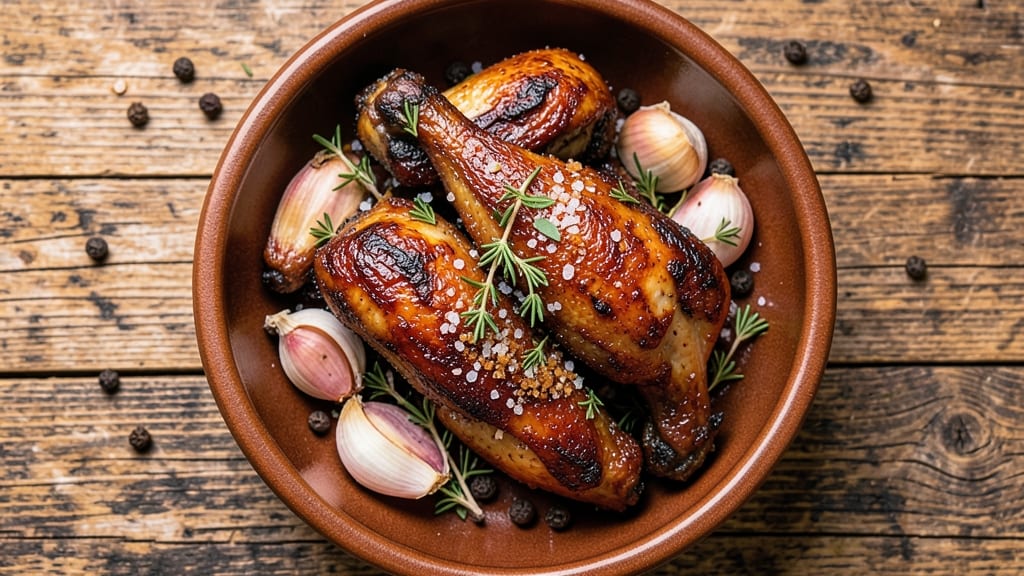
Transforming chicken gizzards into crispy-skinned, juicy bites is one of those cooking victories that turns offal into something extraordinary. After years of perfecting this technique—starting with my grandmother’s Sunday roast chicken—I’ve developed a method that delivers restaurant-quality results in just 30 minutes.
The key lies in proper preparation and precise cooking, ensuring tender meat with a satisfying crunch.
Most home cooks shy away from gizzards due to their tough texture, but this recipe changes that by using a combination of brining and high-heat searing. You’ll start with a simple brine to tenderize the meat, followed by a quick fry or grill to create that coveted crispy skin.
Every step is designed to maximize flavor while keeping the process straightforward—no complicated techniques required.
The result is a dish that’s rich in umami, with a crisp exterior that gives way to succulent, juicy meat inside. These bites pair perfectly with a tangy dipping sauce or a simple side of roasted vegetables.
What once seemed intimidating becomes a weeknight favorite, proving that even less familiar cuts can shine with the right approach.
Whether you’re feeding a family or treating yourself to a special meal, this recipe delivers on both texture and taste. Here’s how to make it—step by step—for foolproof, delicious results every time.
Ingredients for chicken gizzard
A few simple ingredients transform tough gizzards into crispy, juicy bites—no fancy techniques required.
| Ingredient | Amount | Notes |
|---|---|---|
| Chicken Gizzards 🍗 | 1 ½ lb | Fresh, cleaned, trimmed of connective tissue |
| Kosher Salt 🧂 | ½ cup | For brining, non-iodized preferred |
| Brown Sugar 🍯 | ¼ cup | Light or dark, packed |
| Black Peppercorns 🌶️ | 2 tbsp | Coarsely cracked, not ground |
| Garlic Cloves 🧄 | 6 cloves | Smashed, not minced |
| Fresh Thyme Leaves 🌿 | ¼ cup | Stems removed, loosely packed |
| Extra-Virgin Olive Oil 🫒 | ½ cup | High smoke point for frying |
| All-Purpose Flour 🌾 | ½ cup | For dredging, sifted |
| Cornstarch 🌽 | ¼ cup | For extra crispiness |
| Butter 🧈 | ½ cup | Unsalted, melted for basting |
| Lemon Juice 🍋 | 2 tbsp | Freshly squeezed |
| Fresh Parsley Leaves 🌿 | ⅛ cup | Chopped, for garnish |
| Vegetable Oil 🫒 | 2 cups | High smoke point for frying |
Gizzards are the star, so buy them fresh from a trusted butcher or grocery store meat counter. Look for bright red color and firm texture—anything grayish or slimy gets tossed. Costco or Whole Foods often carry them pre-cleaned, but if you're doing it yourself, trim off any connective tissue. The brining mixture does most of the work here, so don't skimp on the kosher salt. I always grab Diamond Crystal—it dissolves better than table salt. For the thyme, fresh is ideal, but dried works at one-third the amount if you're in a pinch.
No brown sugar? White sugar plus a pinch of cinnamon gets you close. Fresh thyme unavailable? Dried oregano at half the amount works in a bind. The cornstarch is non-negotiable for that perfect crunch—it's what makes these gizzards restaurant-quality. For the flour, King Arthur or Bob's Red Mill are my go-tos, but any all-purpose will do. If you're frying, vegetable oil has a higher smoke point than olive oil, but I use both—olive oil for basting, vegetable for frying. The lemon juice should be freshly squeezed; bottled won't cut it here.
These gizzards reheat beautifully—just warm in a skillet with a splash of water for 2-3 minutes. Store cooked gizzards in an airtight container in the fridge for up to 4 days, or freeze for 3 months. I portion them into single-serving containers so they're ready for quick lunches. The crispiness fades slightly after the first day, so serve fresh if you can. For extra flavor, toss them with a pinch of smoked paprika before serving.
Why You'll Love This Recipe
- No-Fuss Overnight Prep: Honestly, the brining does all the heavy lifting here. Toss in the gizzards with salt, sugar, and thyme, then forget about them while you watch a movie or run errands. Four hours later, you’ve got tender meat that practically falls apart—no chopping, no fuss, just hands-off magic.
- Crispy-Creamy Magic: That flour-cornstarch mix with lemon juice? Absolute game-changer. The crust shatters like a dream, but the inside stays juicy thanks to the basting with melted butter and olive oil. It’s the kind of contrast that makes you reach for seconds without thinking.
- Game for Any Gathering: Between us, these gizzards disappear at parties. Serve them as appetizers with a squeeze of lemon, or pile them onto toast for a hearty breakfast—no one will guess they’re offal. They’re my go-to for game day, potlucks, or even a lazy Sunday brunch when you want to impress.
- Budget-Friendly Feast: A pound of gizzards feeds four with leftovers, and they’re cheaper than chicken thighs. Store them in the fridge for up to four days or freeze them for three months, so you’re never stuck scrambling for a meal. Plus, the ingredients you already have in your pantry? This recipe uses them all up.
Step-by-step instructions for crispy-skinned chicken gizzards
Here's how to transform tough chicken gizzards into irresistibly crispy, juicy bites every time.
Prepare the Brine for Maximum Flavor
In a large bowl, combine the 1.5 lb chicken gizzards, 0.5 cup kosher salt, 0.25 cup brown sugar, 2 tbsp black peppercorns, 6 smashed garlic cloves, and 0.25 cup fresh thyme leaves. Gently toss everything until the gizzards are completely coated in the dry brine mixture. The salt and sugar will work their magic, breaking down the tough fibers while infusing flavor deep into the meat.
Transfer the brined gizzards to a resealable plastic bag and massage them gently to ensure even distribution of the seasoning. Seal the bag tightly and refrigerate for at least 4 hours or overnight. This step is non-negotiable—it's what transforms tough gizzards into tender, flavorful bites. The longer they brine, the more tender they'll become, but even 4 hours makes a noticeable difference.
Create the Perfect Breading for Crispy Skin
In a medium bowl, whisk together the 0.5 cup all-purpose flour, 0.25 cup cornstarch, and 2 tbsp lemon juice. The cornstarch is the secret weapon here—it creates an ultra-crispy coating that's light yet sturdy enough to hold up during frying. Set this mixture aside while you prepare the frying station.
In a separate small bowl, melt the 0.5 cup butter and mix it with 0.5 cup extra-virgin olive oil. This butter-oil mixture will be used to baste the gizzards during frying, ensuring they stay moist while developing that golden-brown crust. Keep this mixture warm but not simmering—you want it ready to use as soon as the gizzards hit the oil.
Fry to Golden Perfection in Hot Oil
Fill a large, heavy-bottomed skillet with 2 cups vegetable oil and heat it over medium-high heat until it reaches 350°F. Use a deep-fry thermometer to monitor the temperature—this is critical for even cooking and crispy results. The oil should shimmer gently but not smoke excessively. If you don't have a thermometer, test with a small piece of bread: it should sizzle and turn golden in about 30 seconds.
Working in batches to avoid overcrowding, remove the gizzards from the brine (discard the used brine) and pat them completely dry with paper towels. This step is crucial—any moisture on the surface will cause the breading to steam instead of crisp. Lightly dredge each gizzard in the flour-cornstarch mixture, pressing gently to adhere the coating. Shake off any excess, then carefully lower them into the hot oil.
Baste and Finish for Maximum Juiciness
Fry the gizzards for 4-5 minutes per side, turning with a slotted spoon, until they're deep golden brown and the internal temperature reaches 165°F. As they cook, use a baster or spoon to drizzle the warm butter-oil mixture over them every 30 seconds. This basting technique ensures the exterior stays crisp while the interior remains juicy and tender. Don't rush this step—the gizzards need time to develop that perfect crust.
Once cooked, transfer the gizzards to a paper towel-lined plate to drain excess oil. Immediately sprinkle with 0.125 cup chopped fresh parsley leaves for a pop of color and freshness. The parsley not only adds visual appeal but also balances the richness of the fried gizzards with its bright, herbal notes. Serve immediately while they're still crispy and piping hot.
Pro Tips For Making Chicken Gizzard
- Massage the Brine: I learned this the hard way—just tossing the gizzards in the dry brine won’t get the seasoning deep enough. Use your hands to really work the salt, sugar, and spices into every crevice, especially around the thick edges where connective tissue hides. The extra effort pays off with flavor that penetrates all the way through.
- Test That Oil: No thermometer? Toss in a small cube of bread—if it sizzles and turns golden in 30 seconds, you’re at 350°F. Too much smoke? You’re burning the gizzards before they crisp. Keep the oil steady, or you’ll end up with greasy, soggy results instead of that perfect crunch.
- Dry Them Like Mad: Skimping on this step is how you ruin crispy breading. After brining, pat those gizzards thoroughly with paper towels—no wet spots, not even near the seams. Moisture trapped under the flour will turn your golden crust into a sad, limp blanket. Trust me, your future self will curse you if you skip this.
- Baste Like a Boss: The butter-oil mix isn’t just for flavor—it’s the insurance policy against dryness. Drizzle it every 30 seconds while frying, especially in the last 2 minutes. The heat will seal in juices, and you’ll get that restaurant-quality contrast of crispy outside, melt-in-your-mouth inside. (Yes, even if you’re impatient like me.)
Perfect pairings for these flavors
Tangy Dipping Sauces
Crispy gizzards need a sauce that cuts through the richness. My go-to is a lemon-garlic aioli—whisk ½ cup mayonnaise, 1 tbsp lemon juice, 1 minced garlic clove, and ½ tsp smoked paprika.
For a lighter option, blend ½ cup Greek yogurt, 1 tbsp fresh dill, and 1 tsp lemon zest. Both pair perfectly with the crispy texture. 💛
Roasted Vegetable Sides
Roasted vegetables balance the richness of fried gizzards beautifully. Toss 2 cups chopped Brussels sprouts with 1 tbsp olive oil, ½ tsp salt, and ¼ tsp black pepper, then roast at 400°F for 20 minutes until caramelized.
Alternatively, roast 1 lb baby potatoes with rosemary and garlic for a heartier side. The caramelization adds sweetness that complements the savory gizzards.
Crusty Bread Pairing
Warm, crusty bread is essential for soaking up any leftover sauce. I love using a baguette sliced into ½-inch pieces, brushed with garlic butter, and toasted until golden.
For extra flair, sprinkle with fresh thyme leaves and a pinch of flaky sea salt. This simple addition turns a weeknight meal into a satisfying feast.
Grilled Corn Salad
For a summer-friendly side, grill 2 ears of corn with chili powder and lime juice, then slice off the kernels.
Toss with ¼ cup chopped cilantro, 2 tbsp crumbled cotija cheese, and a drizzle of lime crema (mix ¼ cup sour cream with 1 tbsp lime juice). The smoky-sweet corn contrasts the crispy gizzards perfectly.
Creamy Polenta
For a comforting, creamy base, prepare 2 cups polenta according to package instructions, then stir in ¼ cup grated Parmesan and 2 tbsp butter. Top with crispy gizzards and a sprinkle of fresh parsley. The creamy texture soothes the palate after each crispy bite. 🌟
Drink Pairings
A crisp white wine like Sauvignon Blanc or a hoppy IPA balances the richness of fried gizzards. For non-alcoholic options, try sparkling lemonade with mint or a ginger beer. The effervescence cleanses the palate between bites, making every mouthful feel fresh and satisfying.
Nutrition facts
Frequently asked questions
Why do chicken gizzards need to brine before cooking?
The brining process is essential for breaking down the tough connective tissue in gizzards. The 0.5 cup kosher salt and 0.25 cup brown sugar work together to tenderize the meat while infusing it with flavor. Skipping this step can leave your gizzards chewy instead of juicy. Even 4 hours of brining makes a noticeable difference in texture.
Can I use a different cooking method besides frying?
While frying creates the crispy skin, you can also grill or bake these gizzards. For grilling, brush with 0.5 cup olive oil and grill over medium-high heat for 8-10 minutes per side, basting with melted butter. Baking at 400°F for 20-25 minutes works too, but the skin won't be as crispy. The key is ensuring the internal temperature reaches 165°F.
What’s the best way to clean chicken gizzards if they’re not pre-cleaned?
Start by rinsing them under cold water to remove any debris. Use your fingers to gently separate the membrane from the meat, then rinse again. Trim off any connective tissue or fat. For extra cleanliness, soak them in cold water for 10 minutes while you prep other ingredients. Always pat them completely dry before cooking—moisture ruins crispiness!
How do I fix gizzards that came out tough or dry?
Overcooking is the usual culprit. Ensure your oil is at 350°F and cook for 4-5 minutes per side—no longer! For extra tenderness, extend the brining time to overnight. If they’re still dry, try reheating them in a skillet with a splash of water or broth for 2-3 minutes. The cornstarch in the breading helps with crispiness, but proper cooking time is key.
Can I make this recipe ahead of time?
Yes! Cook the gizzards as directed, then store them in an airtight container in the fridge for up to 4 days. For reheating, warm in a skillet over medium heat for 2-3 minutes to restore crispiness. Freezing is also an option—store for up to 3 months. Thaw overnight in the fridge before reheating. The flavor holds up well, but crispiness will be best when freshly cooked.