
Sauces & Condiments
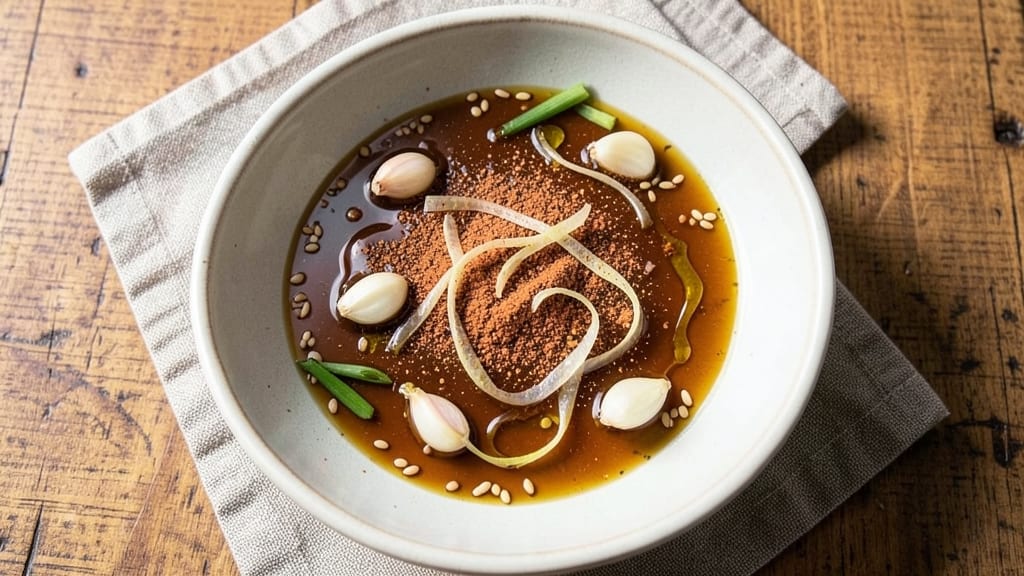
Transforming chicken hearts from gamey to tender and deeply flavorful starts with this umami-packed marinade designed to break down tough fibers while infusing rich, savory notes.
The blend of acid, oil, and aromatic spices works together to tenderize the meat and create a harmonious balance that elevates even the most challenging cuts. I developed this recipe after years of experimenting with offal, and it consistently delivers restaurant-quality results at home.
This marinade relies on a simple yet powerful combination of ingredients: olive oil for moisture, apple cider vinegar to tenderize, and a mix of garlic, ginger, and soy sauce for depth.
The spices—smoked paprika, black pepper, and a touch of cinnamon—add complexity without overpowering the natural flavor of the chicken hearts. The key is letting the marinade work its magic for at least 4 hours, though overnight yields the best results for maximum tenderness.
What you’ll achieve is chicken hearts that are tender enough to shred easily, with a surface that’s beautifully caramelized and infused with layers of umami.
The marinade not only softens the meat but also enhances its natural richness, making it a standout dish whether served in tacos, stews, or as a hearty appetizer. This recipe is a game-changer for anyone looking to make the most of offal without sacrificing flavor.
The marinade keeps well in the refrigerator for up to 5 days, making it perfect for meal prep. Use any leftover marinade as a base for sauces or glazes—its bold flavors are versatile enough to elevate a variety of dishes.
Let’s get started on creating a marinade that transforms chicken hearts into a culinary delight.
Ingredients for chicken heart marinade
Simple yet potent ingredients transform tough chicken hearts into tender, umami-rich bites.
| Ingredient | Amount | Notes |
|---|---|---|
| Extra-Virgin Olive Oil 🫒 | ½ cup | High quality, fruity, cold-pressed |
| Apple Cider Vinegar 🍏 | ⅓ cup | Raw, unfiltered preferred |
| Soy Sauce 🍶 | ¼ cup | Kosher or tamari for gluten-free |
| Garlic Cloves 🧄 | 6 cloves | Freshly minced, aromatic |
| Fresh Ginger 🌿 | 1 tbsp | Finely grated, peeled |
| Smoked Paprika 🌶️ | 1 tbsp | High-quality, Spanish preferred |
| Ground Black Pepper 🌶️ | 1 ½ tsp | Freshly cracked, coarse |
| Ground Cinnamon 🌿 | ½ tsp | True cinnamon, not cassia |
| Salt 🧂 | 1 ½ tsp | Kosher or sea salt |
| Honey 🍯 | 1 tbsp | Raw, unprocessed preferred |
The olive oil serves as the base, carrying the marinade's flavors deep into the meat. Opt for extra-virgin with a fruity, peppery finish—California Certified or Colavita are reliable choices. Apple cider vinegar's acidity tenderizes while balancing the richness; raw, unfiltered vinegar retains more flavor compounds. For soy sauce, Kikkoman or Lee Kum Kee provide that perfect umami depth without overpowering. Fresh ginger and garlic are non-negotiable—their aromatic oils are essential for breaking down the meat's tough fibers. Penzeys or bulk bins at specialty stores ensure you're getting the freshest, most potent spices.
No extra-virgin olive oil? Avocado oil works equally well, though with a slightly different flavor profile. Substitute apple cider vinegar for white wine vinegar or lemon juice, though the marinade will have a more citrus-forward character. Tamari replaces soy sauce for gluten-free needs, though the flavor will be slightly sweeter. Fresh ginger and garlic can be swapped for powdered forms at half the amount, though the marinade will lack complexity. For smoked paprika, regular paprika plus a pinch of liquid smoke mimics the smokiness. Always measure spices precisely—too much cinnamon can overpower the delicate balance.
Store leftover marinade in an airtight container in the refrigerator for up to 5 days. The flavors actually deepen over time, making it perfect for meal prep. For longer storage, freeze in ice cube trays—thaw and use within 3 months. This marinade doubles as a sauce for chicken hearts or other proteins; simply simmer it down by half to concentrate the flavors. Always discard any unused marinade that's been in contact with raw meat after use to prevent cross-contamination.
Why You'll Love This Recipe
- Foolproof Tenderizer: I’ll admit, chicken hearts can be intimidating—but this marinade does all the heavy lifting. The apple cider vinegar and soy sauce work together to break down fibers in just 4 hours (or overnight for magic results), so you’re left with meat that’s practically falling apart. No more guessing about texture.
- Smoky-Sweet Magic: That little splash of honey and smoked paprika? It’s the secret weapon. The honey caramelizes beautifully when cooked, giving you a crispy edge, while the cinnamon and black pepper add this unexpected warmth that makes every bite taste like a cozy meal. Honestly, I’ve had people ask if I used barbecue sauce—it’s that good.
- Weeknight Workhorse: This marinade is my go-to for busy nights because it’s flexible. Use it on chicken hearts for a hearty dinner, toss it with tofu for a quick stir-fry, or even drizzle it over roasted veggies. And since it keeps for 5 days in the fridge (or freeze it in cubes), I always have a flavor boost ready—no last-minute ingredient hunts.
- Budget-Friendly Upgrade: Chicken hearts are one of the most affordable cuts of meat, but they often get overlooked. This marinade turns them into something special without breaking the bank. Plus, the leftovers? I freeze the extra marinade in ice cube trays to use later—because why waste a batch that’s this good? It’s like getting gourmet flavor for pennies.
Step-by-step instructions for chicken heart marinade
This marinade transforms tough chicken hearts into melt-in-your-mouth tender morsels.
Combine the Acidic Base
In a medium bowl, whisk together the 0.33 cup apple cider vinegar and 0.25 cup soy sauce. This acidic combination begins breaking down tough muscle fibers immediately. The vinegar also helps tenderize while adding bright acidity that balances the richness of chicken hearts.
Next, add the 0.5 cup extra-virgin olive oil and 1 tbsp honey. Whisk until fully emulsified—this creates a silky base that coats the meat evenly. The honey adds subtle sweetness that rounds out the sharpness of the vinegar while contributing to caramelization during cooking. Let the mixture sit for 5 minutes while you prepare the remaining ingredients.
Incorporate Aromatics and Spices
In a separate small bowl, finely mince the 6 cloves garlic and grate the 1 tbsp fresh ginger using a microplane. The garlic should resemble a paste, and the ginger should be smooth with no visible fibers. Add these to the marinade along with the 1 tbsp smoked paprika, 1.5 tsp ground black pepper, 0.5 tsp ground cinnamon, and 1.5 tsp salt. Stir vigorously to distribute all components evenly.
The smoked paprika adds depth and a subtle smokiness, while the cinnamon introduces warmth that pairs beautifully with chicken hearts. The black pepper provides a sharp contrast to the richness. This blend transforms what could be gamey into something complex and well-balanced. Let the marinade rest for 10 minutes at room temperature to allow the spices to bloom and the flavors to meld.
Marinate for Maximum Tenderization
Place the chicken hearts in a resealable plastic bag or shallow dish. Pour the marinade over them, ensuring each piece is fully coated. Seal the bag or cover the dish and refrigerate for at least 4 hours, but ideally overnight for 8-12 hours. This extended marinating time is crucial—it's what transforms tough, fibrous chicken hearts into fork-tender bites.
During marinating, the acid in the vinegar continues breaking down connective tissue, while the oil and honey work together to keep the meat moist. The garlic and ginger infuse flavor deeply, and the spices penetrate the surface. For best results, flip the hearts halfway through marinating to ensure even exposure to all ingredients. When ready to cook, the hearts should be noticeably softer to the touch and infused with rich, aromatic flavors.
Pro Tips For Making Chicken Heart Marinade
- Mince Garlic Like Paste: I used to chop garlic cloves roughly, thinking it was fine—until I tasted the difference. For this marinade, crush those 6 cloves into a thick paste with the flat side of your knife first. The smaller surface area means more flavor extraction, and the paste blends seamlessly into the oil without clumping. (Yes, even if you're impatient like me.)
- Rest the Marinade 10 Minutes: Skipping that 10-minute rest after mixing the spices? You’re missing out on the moment flavors actually wake up. The cinnamon and smoked paprika need time to bloom, and the ginger’s sharpness mellows just enough to balance the vinegar’s bite. Let it sit—your taste buds will notice the difference.
- Flip Hearts Mid-Marinate: Chicken hearts are stubborn. If you leave them submerged in marinade without flipping them halfway through the 4–12 hours, one side gets all the love while the other stays tough. Turn them over at the 4-hour mark, especially if using a shallow dish. Even exposure = even tenderness.
- Use Raw, Unfiltered Vinegar: I learned this the hard way—filtered apple cider vinegar tastes sterile. The cloudy bits in raw vinegar hold flavor and enzymes that actually work harder to tenderize the hearts. That 0.33 cup isn’t just acid; it’s the backbone of this marinade. Splurge here—your fork will thank you.
Common mistakes when making this recipe
Over-Marinating Risks
The acid in apple cider vinegar and soy sauce is powerful—leaving chicken hearts in the marinade for more than 12 hours can break down the meat's structure, turning it mushy.
I've seen this happen when people leave the marinade overnight and forget to check. For best results, stick to the 8-12 hour window and remove hearts just before cooking. 🌶️
Skipping the Rest Period
After mixing the marinade, letting it rest for 10 minutes at room temperature allows the spices to bloom and flavors to meld. I once rushed this step and ended up with a marinade where the cinnamon and smoked paprika didn't integrate properly.
The result? A disjointed flavor profile that didn't complement the chicken hearts. Patience here makes all the difference.
Uneven Marinade Distribution
Pouring marinade over chicken hearts without fully coating every surface leads to dry, flavorless spots. I learned this the hard way when I used a shallow dish instead of a resealable bag—some pieces stayed dry.
For even coverage, use a quart-sized resealable bag and massage the marinade into the hearts. Flip them halfway through marinating for consistency.
Using Low-Quality Ingredients
Substituting cheap olive oil or vinegar compromises both flavor and tenderizing power. I once used store-brand olive oil and noticed the marinade lacked depth, and the chicken hearts didn't become as tender.
Invest in extra-virgin olive oil and raw apple cider vinegar—the difference is noticeable. The same goes for spices: fresh ginger and high-quality smoked paprika are non-negotiable for that restaurant-quality result.
Ignoring the Honey's Role
The 1 tbsp honey isn't just for sweetness—it helps create a silky emulsion and contributes to caramelization during cooking. Without it, the marinade can separate, and the chicken hearts may dry out.
I've seen this happen when people skip the honey or use artificial sweeteners. The natural sweetness also balances the acidity beautifully, creating a well-rounded flavor profile.
Not Adjusting for Thickness
Chicken hearts vary in size, and using the same marinade ratio for thick, dense pieces versus thin slices can lead to uneven results. For thicker hearts, increase marinating time by 2-3 hours or add an extra 1 tbsp apple cider vinegar to the mix.
I adjust based on visual inspection—if hearts look uneven in size, I give them extra time or a little more acid to ensure consistent tenderness.
Nutrition facts
Frequently asked questions
Why does this marinade use both vinegar and soy sauce?
The apple cider vinegar tenderizes the tough fibers in chicken hearts through acidification, while the soy sauce adds umami depth that balances the acidity. Together, they create a perfect chemical reaction that breaks down connective tissue without overpowering the natural flavor of the meat.
Can I make this marinade ahead of time?
This marinade actually improves when made 1-2 days in advance—the flavors meld beautifully. Store it in an airtight container in the fridge for up to 5 days. The spices and aromatics develop more complexity over time, making it even more flavorful when ready to use.
What's the best way to coat chicken hearts evenly?
Use a quart-sized resealable bag for marinating—it allows you to massage the marinade directly into the hearts. If using a dish, place hearts in a single layer and pour marinade over them. For best results, flip the hearts halfway through marinating to ensure even exposure to all ingredients.
Can I use this marinade for other proteins?
Yes! This marinade works beautifully on tougher cuts like beef short ribs, pork shoulder, or even mushrooms. The acid and spices help tenderize and infuse flavor into any protein that benefits from extra marinating time. Just adjust the marinating duration based on the thickness of your protein.
What if I don't have smoked paprika?
You can substitute with regular paprika plus 1/4 tsp liquid smoke for a similar smoky depth. If you don't have liquid smoke, use 1/2 tsp cayenne pepper for heat, though the flavor profile will differ slightly. The cinnamon and black pepper will still provide warmth and complexity.