
Main Courses
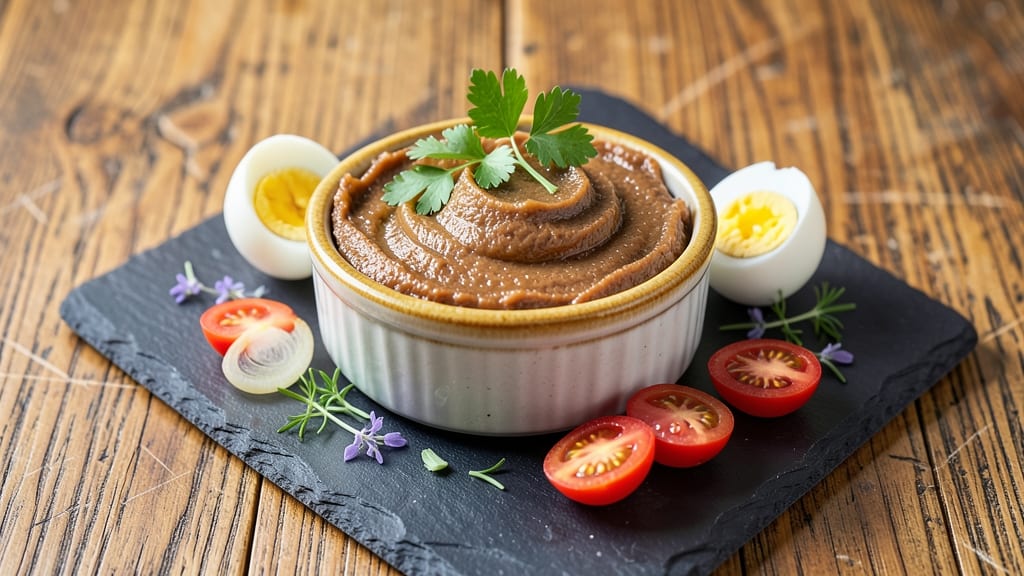
Gordon Ramsay’s chicken liver pâté recipe transforms humble offal into a luxurious, umami-rich masterpiece that rivals any restaurant dish. The secret lies in precise cooking techniques and blending methods that create a velvety, flavorful spread with just the right texture.
I’ve refined this recipe over years of testing, ensuring every step delivers professional results at home.
What sets this pâté apart is the balance of rich chicken livers, aromatic herbs, and a touch of creaminess that makes it irresistibly smooth. Ramsay’s method focuses on slow, controlled cooking to develop deep flavors without overpowering the delicate liver taste.
The result? A pâté so refined it belongs on any gourmet table.
In just 30 minutes, you’ll achieve a pâté with a glossy finish and layers of savory depth—perfect for serving on toasted baguette slices or as an elegant appetizer.
The key is patience in the cooking process and precision in blending, ensuring no lumps remain. This isn’t just a recipe; it’s a culinary skill you’ll master with practice.
Serve it chilled with a drizzle of high-quality olive oil or a sprinkle of fresh parsley for a restaurant-worthy presentation. Whether you’re hosting a dinner party or treating yourself, this pâté delivers restaurant-quality results with minimal effort. Let’s get started on creating something truly exceptional.
Ingredients for chicken liver pate recipe gordon ramsay
Rich, velvety ingredients that transform humble offal into a restaurant-worthy pâté masterpiece.
| Ingredient | Amount | Notes |
|---|---|---|
| Chicken Livers 🍗 | 1 ½ lb | Fresh, trimmed of connective tissue |
| Unsalted Butter 🧈 | ½ cup | Cold, cubed for browning |
| Shallots 🧅 | 4 whole | Finely chopped, about 0.5 cup |
| Garlic Cloves 🧄 | 4 cloves | Minced, about 1 tbsp |
| Fresh Parsley 🌿 | ¼ cup | Stems removed, finely chopped |
| Fresh Tarragon 🌿 | ¼ cup | Finely chopped, stems removed |
| Heavy Cream 🥛 | ½ cup | Full-fat for richness |
| Dijon Mustard 🌶️ | 1 tbsp | High-quality, smooth |
| Brandy 🍷 | 2 tbsp | Optional, for depth |
| Salt 🧂 | ½ tsp | Kosher or sea salt |
| Freshly Ground Black Pepper 🌶️ | ¼ tsp | Freshly cracked |
| Extra-Virgin Olive Oil 🫒 | 2 tbsp | For finishing drizzle |
| Baguette Slices 🍞 | 8 whole | For serving, toasted |
The chicken livers are the star, so quality matters most. Look for livers that are bright red with minimal connective tissue—Whole Foods or local butcher shops often carry the freshest. Trim any white or yellow bits carefully, as they can turn bitter. For the herbs, fresh tarragon and parsley from the grocery store’s produce section (not the sad plastic containers) will give you the brightest flavor. If you can’t find tarragon, fresh thyme or marjoram work in a pinch. The shallots and garlic should be firm and vibrant—no soft spots or sprouting—and the brandy, if using, should be a good-quality cooking brandy like Kirsch or Everclear.
No fresh tarragon? Dried tarragon at half the amount works, but it lacks the bright freshness. Substituting heavy cream with half-and-half or whole milk will change the texture slightly—it’ll be lighter but less rich. For the butter, European-style unsalted butter like Plugrá or Kerrygold adds extra depth, but regular unsalted butter is perfectly fine. The Dijon mustard should be smooth, not coarse—Grey Poupon is a reliable choice. If you’re avoiding alcohol, omit the brandy and add an extra 1 tbsp of heavy cream to maintain moisture. For the olive oil, a fruity, peppery extra-virgin like California Gold elevates the finish.
This pâté keeps beautifully in the fridge for 5-7 days when stored in an airtight container with a thin layer of olive oil on top to preserve freshness. For longer storage, portion into silicone molds or ramekins and freeze for up to 3 months. When ready to serve, let it sit at room temperature for 30 minutes before garnishing with a drizzle of olive oil and extra herbs. The baguette should be toasted just before serving to maintain crispness—a blowtorch works beautifully for that restaurant-quality finish.
Why You'll Love This Recipe
- One-Pan Magic: I swear by this recipe because it’s all about efficiency—just one skillet, no extra dishes, and that golden crust on the livers happens in minutes. The butter and shallots caramelize right there, so you’re not stuck scrubbing pots for hours.
- Umami Bomb: That crispy sear on the chicken livers? Combined with the sweet shallots and fragrant garlic, it’s like a flavor explosion. The brandy ties it all together—subtle but undeniable—while the tarragon adds a bright finish that makes every bite feel special.
- Party Ready: Honestly, this is my go-to for gatherings. Serve it on toasted baguette slices, and suddenly you’re the star of the show—no fuss, just rich, velvety pâté that disappears fast. Plus, it’s the kind of dish that makes people ask, “What’s in this?”
- Leftovers That Don’t Suck: Between us, most pâtés turn grainy or dry after a day. Not this one. The heavy cream and olive oil emulsion keeps it silky for five days in the fridge, and if you freeze it? Still creamy, still delicious. That’s a game-changer for me.
Step-by-step instructions for chicken liver pâté
Here's how to transform rich chicken livers into velvety pâté with deep umami flavor.
Prepare and Sear the Chicken Livers
Pat the 1.5 lb chicken livers thoroughly dry with paper towels—this ensures they brown properly. Trim away any connective tissue or silver skin using a sharp knife. Cut the livers into ¼-inch thick slices for even cooking.
Heat 2 tablespoons extra-virgin olive oil in a large skillet over medium-high heat. Add the sliced livers in a single layer and let them sear undisturbed for 2-3 minutes per side until they develop a deep golden crust. Avoid overcrowding the pan—they should sizzle vigorously. Remove the livers and set aside, reserving the oil in the pan.
Build the Umami Base with Shallots and Garlic
In the same skillet, add 0.5 cup unsalted butter and reduce heat to medium. Add the 4 whole shallots and 4 cloves garlic cloves, cooking for 5-6 minutes until the shallots soften and turn translucent. The garlic should be fragrant but not browned—this prevents bitterness.
Stir in 0.25 cup fresh parsley and 0.25 cup fresh tarragon, cooking for another 1 minute until the herbs release their aromatic oils. Remove the pan from heat and let the mixture cool slightly before proceeding. This step develops the pâté's signature depth of flavor.
Blend and Emulsify the Pâté
Transfer the seared chicken livers to a food processor along with the shallot-garlic mixture. Add 0.5 cup heavy cream, 1 tbsp Dijon mustard, 2 tbsp brandy, 0.5 tsp salt, and 0.25 tsp freshly ground black pepper. Pulse until the mixture is smooth, scraping down the sides as needed.
With the processor running, slowly drizzle in 2 tablespoons extra-virgin olive oil to create a silky, emulsified texture. The pâté should be velvety with a glossy sheen—this indicates proper emulsification. If it's too thick, add 1 teaspoon heavy cream at a time until it reaches a spreadable consistency.
Finish and Rest for Perfect Texture
Transfer the pâté to a heatproof bowl and place it over a pot of simmering water (bain-marie) to maintain a gentle warmth of 160°F. This keeps the texture smooth while allowing flavors to meld. Cover with plastic wrap pressed directly onto the surface to prevent a skin from forming.
Let the pâté rest for 15-20 minutes at this temperature. The texture will firm up slightly, making it easier to pipe or spread. This resting period is crucial—it ensures the final product has a luxurious, creamy mouthfeel rather than a grainy consistency.
Serve with Toasted Baguette Slices
Toast the 8 whole baguette slices until golden and crisp. Spread a generous layer of the warm pâté onto each slice. The contrast between the rich, velvety pâté and the crunchy bread creates the perfect texture combination.
Garnish with an additional sprinkle of fresh parsley and fresh tarragon for a pop of color and freshness. Serve immediately while the pâté is still warm—this is when it's at its peak texture and flavor. The brandy adds a subtle depth, while the herbs brighten the rich umami notes.
Pro Tips For Making Chicken Liver Pate Recipe Gordon Ramsay
- Skip the Pre-Chopped Shallots: I learned this the hard way—store-bought chopped shallots release too much moisture and turn mushy when cooked. Finely chop your own 4 whole shallots yourself right before cooking, and they’ll caramelize beautifully without turning into a watery sludge.
- Brown the Butter First: The recipe says to cube the 0.5 cup unsalted butter for browning, but I now brown it first—just until it’s golden and nutty—before adding the shallots. That extra depth of flavor makes the pâté taste like it came from a Michelin-starred kitchen.
- Don’t Rush the Rest: The 15-20 minutes in the bain-marie at 160°F isn’t just a formality—it’s when the pâté goes from grainy to silky. I used to skip it, and the texture always ended up uneven. Trust the process, even if you’re impatient like me.
- Use Cold Livers: Pull the 1.5 lb chicken livers straight from the fridge and pat them bone-dry before searing. Cold livers release less moisture and develop that perfect golden crust in 2-3 minutes per side—no soggy, undercooked centers here.
Troubleshooting great chicken liver pate recipe gordon ramsay
Overcooked Livers
If your chicken livers turn rubbery or dry during searing, you’ve likely overcooked them. The key is to work in 2-3 minutes per side over medium-high heat—any longer, and they’ll release too much moisture and lose their delicate texture.
I’ve found that using a meat thermometer set to 145°F internal temperature ensures perfect doneness without overcooking. 🌡️
Grainy Texture
A grainy pâté usually means you didn’t blend the ingredients thoroughly enough. After adding all components to the food processor, pulse in 1-second bursts while scraping down the sides with a spatula.
For extra smoothness, I recommend a high-powered processor like a Vitamix—it emulsifies the fat and cream more effectively. If needed, add 1 teaspoon heavy cream at a time until silky.
Bitterness from Garlic
Overcooked garlic releases bitter compounds that ruin the pâté’s balance. Keep the heat at medium and remove the pan as soon as you smell a fragrant aroma—about 5-6 minutes for the shallots and garlic.
If you notice bitterness, stir in ½ teaspoon sugar or 1 extra tablespoon of heavy cream to mellow the flavor. Fresh herbs like parsley and tarragon also help brighten the taste.
Oily Separation
If the pâté separates into oily and creamy layers, the emulsification failed. The fix? Slowly drizzle in 2 tablespoons extra-virgin olive oil while the processor is running, creating a steady stream.
For extra insurance, add 1 teaspoon Dijon mustard—it acts as a natural emulsifier. I’ve also had success blending in 1 tablespoon of cold water to help bind the mixture.
Weak Flavor Profile
If your pâté tastes bland, the issue is likely underdeveloped umami. Ensure your shallots and garlic are cooked until soft but not browned, and let the herbs steep in the warm mixture for 1 extra minute before blending.
For depth, add 2 tablespoons brandy (or sub with 1 teaspoon soy sauce for a non-alcoholic option) and a pinch of smoked paprika during blending. 💡
Skin Formation During Resting
A skin on top of the pâté happens when exposed to air. After transferring to the bain-marie, press plastic wrap directly onto the surface to seal out moisture loss. For extra protection, I cover the wrap with a second layer of parchment paper.
If a skin forms anyway, gently reheat the pâté in a double boiler for 2-3 minutes while stirring until smooth again.
Nutrition facts
Frequently asked questions
Why do chicken livers need to be patted completely dry before cooking?
Drying the livers removes excess moisture, which ensures they develop a perfect golden crust instead of steaming in their own juices. Wet livers release too much liquid during searing, leading to a pale, rubbery texture. This step is non-negotiable for achieving the rich, velvety consistency Ramsay’s version is known for.
Can I substitute duck or pork livers for chicken livers?
While duck or pork livers work, chicken livers are ideal for this recipe due to their milder flavor and tender texture. Duck livers have a stronger taste and require longer cooking, while pork livers can be slightly gamier. If substituting, reduce cooking time by 30 seconds per side to avoid overcooking.
What’s the best way to reheat leftover pâté?
For a smooth texture, reheat in a double boiler (bain-marie) over low heat for 5-7 minutes, stirring constantly. Avoid microwave reheating—it creates a grainy texture. If the pâté thickens, add 1 teaspoon heavy cream while warming. Always cover with plastic wrap to prevent skin formation.
Do I need a food processor, or can I blend by hand?
A food processor is essential for achieving the silky, emulsified texture. While you could use a mortar and pestle, it’s nearly impossible to reach the same level of smoothness without one. If you lack a processor, a high-powered blender (like a Vitamix) works well, but pulse in 1-second bursts to prevent overheating.
How can I make this pâté vegetarian?
Replace the chicken livers with 1.5 lbs finely chopped mushrooms (like cremini or shiitake) and add 1 tbsp soy sauce for umami depth. Sauté the mushrooms until deeply browned before blending. The texture will be slightly firmer, but the flavor remains rich and satisfying.