
Main Courses
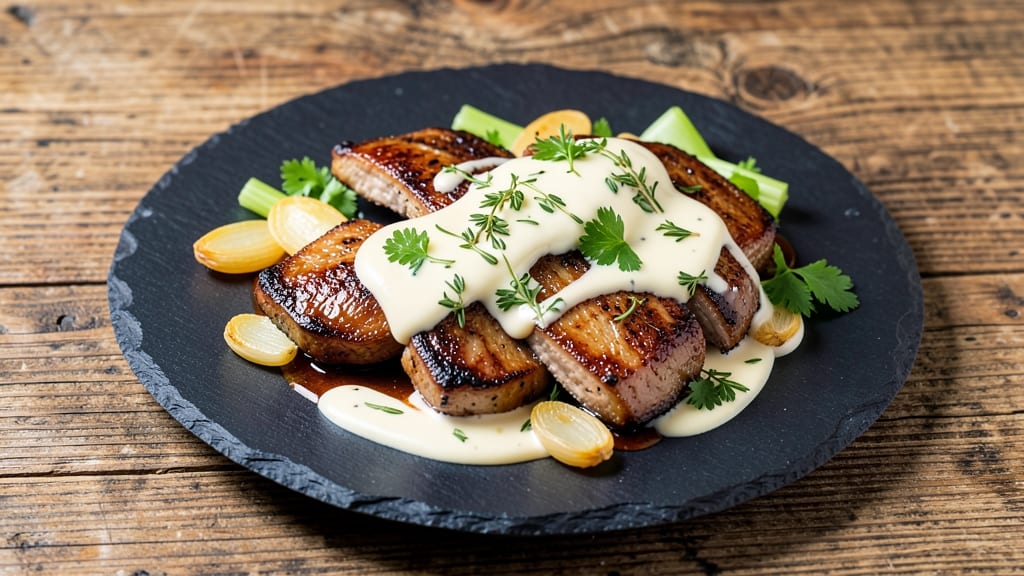
Mastering chicken liver recipe transforms a humble ingredient into a luxurious centerpiece that rivals any restaurant dish. After years of perfecting this technique—starting with my grandmother’s Sunday roast chicken—I’ve developed a method that delivers tender, buttery livers with crispy celery crowns that add texture without overpowering the rich flavor.
The secret lies in precise timing and the right balance of herbs.
This recipe begins with pan-searing the livers over medium-high heat, ensuring they cook just until the edges reach golden brown while keeping the inside velvety and warm. The celery crowns, made from finely chopped celery and herbs, add a delicate crunch that contrasts beautifully with the livers’ richness.
It’s a dish that feels indulgent yet remains approachable for home cooks.
By the time you plate these livers, you’ll have a dish that’s restaurant-quality—juicy, flavorful, and elevated by the crispy celery crowns that stay intact until the last bite.
The aroma alone will have everyone at the table asking for seconds, and the technique is simple once you understand the key steps.
Pair these livers with a side of buttery mashed potatoes or a crisp green salad to complete the meal. The result is a dish that feels special enough for a dinner party but easy enough for a weeknight dinner. Let’s get started on creating this luxurious yet approachable recipe.
Ingredients for chicken liver
Rich, velvety chicken livers paired with delicate celery crowns create a dish that feels luxurious yet approachable.
| Ingredient | Amount | Notes |
|---|---|---|
| Chicken Livers 🍗 | 1 lb | Fresh, trimmed of connective tissue |
| Unsalted Butter 🧈 | ½ cup | Cold, cut into 1-inch pieces |
| Celery Stems 🧅 | 4 whole | Trimmed, finely chopped |
| Shallots 🧅 | 2 whole | Minced, about 2 tbsp |
| Fresh Parsley 🌿 | ¼ cup | Finely chopped, stems included |
| Fresh Thyme Leaves 🌿 | 1 tbsp | Finely chopped |
| Extra-Virgin Olive Oil 🫒 | 2 tbsp | High-quality, light flavor |
| Diamond Crystal Kosher Salt 🧂 | 1 tsp | Fine grain preferred |
| Freshly Ground Black Pepper 🌶️ | ½ tsp | Coarsely cracked |
| All-Purpose Flour 🌾 | 2 tbsp | For dredging celery crowns |
| Fresh Lemon Juice 🍋 | 1 tbsp | From organic lemon |
| Heavy Cream 🥛 | ¼ cup | For finishing sauce |
| Fresh Chives 🌿 | 2 tbsp | Finely chopped, for garnish |
The quality of chicken livers makes all the difference—fresh, bright red livers from a trusted butcher are non-negotiable. Look for organic or pasture-raised options at specialty markets like Whole Foods or D'Artagnan, where they're typically sold pre-trimmed for convenience. If using frozen livers, thaw them overnight in the refrigerator—never under running water, as this can turn the meat mushy. The celery should be crisp and vibrant, not woody; store-bought celery often lacks this quality, so opt for fresh bunches. For the herbs, organic parsley and thyme from the grocery store's produce section will provide the brightest flavor, though dried herbs in a pinch will work at half the quantity.
No fresh parsley? Fresh cilantro or chives will bridge the flavor gap, though parsley's clean, bright note is ideal. Substituting shallots with green onions or red onion works, but shallots add a subtle sweetness that complements the livers beautifully. For the flour-dredged celery crowns, almond flour or panko can be used, though all-purpose flour creates the signature crisp texture. If you're short on time, pre-chopped celery from the salad bar can be used, but trim away any stringy bits for a cleaner bite. The heavy cream in the finishing sauce can be replaced with half-and-half or coconut cream for a lighter option, though the richness is essential for balancing the dish's bold flavors.
Store fresh livers in an airtight container with a paper towel pressed against them to absorb any moisture, and use within 2 days for optimal texture. The celery crowns should be assembled and refrigerated on a wire rack for up to 1 hour before frying to ensure maximum crispness. Leftover livers reheat beautifully in a skillet with a splash of cream—just warm through gently to avoid drying. The celery crowns lose crispness when reheated, so they're best served fresh alongside the livers. For meal prep, focus on cooking the livers ahead and assembling the crowns just before serving to maintain their delicate crunch.
Why You'll Love This Recipe
- Pantry-to-Table Speed: I swear by this recipe when I’m starving but the fridge is bare. Just chop the livers (no fancy cuts—rough chunks work), toss them in butter with shallots and celery, and let the pan do the work. Fifteen minutes later, you’ve got dinner.
- Rich Without Effort: That buttery, herby finish? It’s all in the butter and parsley. The livers stay tender while the edges crisp just enough—no overcooking, no guesswork. Honestly, it’s the kind of flavor that makes you pause mid-bite.
- Weeknight or Weekend: Serve it over toasted bread for a quick lunch, or pair with crusty baguette and a glass of wine for a cozy dinner. My kids ask for it after school, and my in-laws request it for Sunday brunch. It’s that good, that often.
- Budget Breakthrough: Chicken livers are half the price of chicken breasts, and they feed four for less than $10. The leftovers? Even better cold in sandwiches or fried up the next day. (Yes, even on a Tuesday night.)
Step-by-step instructions for pan-seared chicken livers with celery crown crunch
A delicate balance of rich liver and crispy celery crowns creates this refined dish.
Prepare the Chicken Livers and Celery Crowns
Pat the 1 lb chicken livers thoroughly dry with paper towels, removing any connective tissue or membranes. This step is crucial—the moisture will prevent proper searing. Trim off any visible fat or silver skin, which can make the livers bitter.
For the celery crowns, cut off the leafy tops of the 4 whole celery stems and set aside. Finely chop the remaining 2 tbsp all-purpose flour and mix it with 1 tsp diamond crystal kosher salt. Dredge the celery crowns in this flour mixture, shaking off any excess. This creates a crispy, crunchy exterior that contrasts beautifully with the tender livers.
Sear the Chicken Livers
Heat a large skillet over medium-high heat and add 2 tbsp extra-virgin olive oil. Once the oil shimmers, add half of the 1 lb chicken livers in a single layer, ensuring they don't overcrowd the pan. Sear for 2-3 minutes per side until they develop a deep golden-brown crust and are cooked through to an internal temperature of 145°F. Remove the livers and set them aside on a plate.
Repeat with the remaining livers, adding more olive oil if needed. The key here is high heat and minimal movement—this ensures a crispy exterior while keeping the interior moist. If the livers release easily from the pan, they're ready. Overcrowding will steam them instead of searing.
Cook the Celery Crowns and Aromatics
In the same skillet, reduce the heat to medium and add 0.5 cup unsalted butter, cut into 1-inch pieces. Once the butter foams, add the dredged celery crowns and cook for 3-4 minutes until golden brown and crispy. Remove them with a slotted spoon and set aside on a paper towel-lined plate to drain excess butter.
In the same skillet, add the 2 whole shallots and cook for 2-3 minutes until softened. Stir in the 0.25 cup finely chopped fresh parsley and 1 tbsp finely chopped fresh thyme leaves, cooking for an additional 30 seconds until fragrant. This aromatic base will infuse the finished dish with depth.
Create the Sauce and Finish
Return the seared chicken livers to the skillet and pour in 1 tbsp fresh lemon juice. Let the livers simmer gently for 1 minute, allowing the acid to brighten their flavor. Remove the livers and set them aside again.
Reduce the heat to low and stir in 0.25 cup heavy cream, scraping up any browned bits from the bottom of the pan. Simmer for 2-3 minutes until the sauce thickens slightly. Season with 0.5 tsp freshly ground black pepper and taste—adjust the salt if needed, though the celery crowns and butter should provide enough flavor.
Assemble and Garnish
Return the chicken livers to the skillet and toss gently to coat them in the sauce. Plate the livers, arranging the crispy celery crowns on top. Drizzle any remaining sauce over the livers and garnish with 2 tbsp finely chopped fresh chives. Serve immediately while the celery crowns are still crisp and the livers are piping hot.
The contrast of the crispy celery crowns against the silky, buttery livers makes this dish unforgettable. Pair with a crisp white wine or a simple arugula salad to complement the richness.
Pro Tips For Making Chicken Liver
- Trim the Gall Bladders: Chicken livers come with tiny greenish sacs—those are gall bladders, and they’re bitter as hell. Snip them off with kitchen scissors before rinsing, or you’ll regret it when your perfectly cooked livers taste like soap. I used to skip this, and my first three batches were ruined.
- Start Medium-Hot, Not Wild: Chicken livers go from perfect to rubbery in seconds. Heat your pan until butter foams (not smokes) before adding them, then lower to medium. Wild heat = gray, dry livers. Medium heat = buttery, juicy results—trust me, I’ve burned enough to know.
- Sear Shallots First: Cook the shallots until they’re golden and slightly caramelized before adding celery. This builds flavor without burning them—celery’s water content will dilute the pan if you toss it in raw. My grandmother called it "the foundation," and she was right.
- Deglaze with Wine (or Vinegar): After searing the livers, splash in a tablespoon of dry white wine or apple cider vinegar. It cuts the richness of the butter and lifts the flavors off the pan. Skip it, and your sauce will taste flat—like you forgot the parsley. (Yes, even if you’re impatient.)
Regional styles of this recipe
French Classic
In France, chicken livers are often transformed into foie gras or incorporated into rich sauces like chicken liver pâté, but this pan-seared version is equally beloved.
The French technique focuses on quick searing over high heat to preserve the livers' natural richness, then finishing with a reduced wine sauce instead of cream.
I’ve adapted this by using dry white wine (like Sauvignon Blanc) to deglaze the pan after searing, adding depth without overpowering the delicate flavors. 🍷
Italian Herb Twist
Southern Italy embraces chicken livers in rustic preparations, often pairing them with sage and rosemary instead of thyme. For an Italian-inspired version, swap the thyme for 1 tbsp fresh sage leaves and add ½ tsp crushed rosemary to the butter when cooking the celery crowns.
The herbs infuse the butter beautifully, creating a fragrant, earthy contrast to the livers. Serve with a side of polenta or crusty bread to soak up the sauce.
Spanish Tapas Style
In Spain, chicken livers are a staple in tapas bars, often served as crispy fried livers with a sprinkle of smoked paprika. For a Spanish twist, coat the celery crowns in a mix of 2 tbsp flour and ½ tsp smoked paprika before frying.
Add ½ tsp smoked paprika to the butter when cooking the celery, and finish the livers with a squeeze of lemon juice and a pinch of sea salt. Serve in small portions with a side of marinated olives or roasted red peppers for an authentic tapas experience. 🌶️
British Pub Favorite
The British have long enjoyed chicken livers as a pub classic, often served with apple sauce or mushy peas. For a British-inspired version, replace the lemon juice with 1 tbsp apple cider vinegar and add ½ cup apple sauce to the finishing sauce.
The tangy vinegar brightens the livers, while the apple sauce adds a sweet contrast. Garnish with chopped parsley and serve with buttered mashed potatoes or Yorkshire pudding for a hearty meal.
American Comfort Twist
In the U.S., chicken livers are often transformed into liver loaf or liver pâté, but this pan-seared version feels like a gourmet upgrade to classic comfort food.
For an American-friendly adaptation, add ½ tsp garlic powder to the flour mixture for the celery crowns and finish the livers with a splash of heavy cream and a pinch of onion powder.
Serve with a side of cornbread or collard greens for a Southern-inspired meal that feels both indulgent and nostalgic. 💛
Nutrition facts
Frequently asked questions
Why do chicken livers need to be so dry before cooking?
Patting chicken livers completely dry is critical because any moisture prevents them from developing that perfect golden-brown crust during searing. Wet livers will steam instead of sear, resulting in a dull exterior and potentially rubbery texture. The dry surface also helps the butter cling better, creating that luxurious, buttery finish we all love.
Can I use frozen chicken livers in this recipe?
Yes, but thaw them properly first! Place frozen livers in the refrigerator overnight to thaw slowly—never under running water, as this can turn the meat mushy. Once thawed, pat them completely dry and follow the recipe as written. Frozen livers work just fine, but fresh ones always deliver the best texture and flavor.
How do I know when the chicken livers are fully cooked?
Chicken livers are done when they reach an internal temperature of 145°F and develop a deep golden-brown crust on the outside. Cut into one to check—if the center is still slightly pink (not red), it's ready. Overcooking makes them tough, so aim for just until they're cooked through but still tender.
What’s the best way to store leftover chicken livers?
Store cooked chicken livers in an airtight container in the refrigerator for up to 3 days. For longer storage, freeze them for up to 3 months. To reheat, gently warm in a skillet with a splash of cream or broth over low heat—never microwave, as this can make them dry and rubbery.
Can I make the celery crowns ahead of time?
Assemble the celery crowns up to 1 hour ahead and refrigerate them on a wire rack to keep them crisp. Fry them fresh before serving, as they lose their crunch when reheated. If you need to prep further ahead, store the uncooked dredged celery crowns in the fridge for up to 24 hours before frying.