
Side Dishes
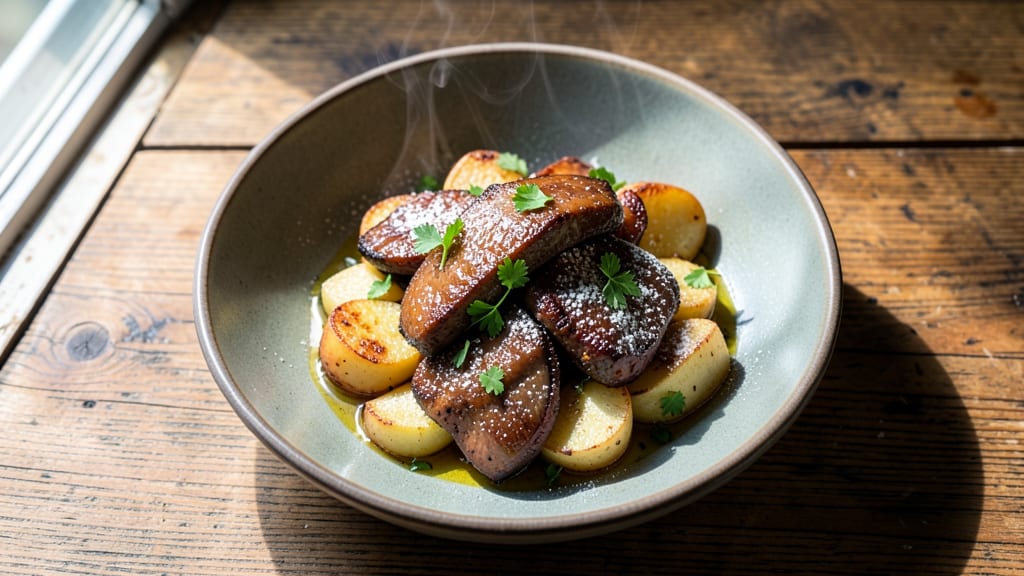
This chicken liver with potato recipe transforms humble ingredients into a restaurant-worthy dish with crispy edges and velvety textures. Growing up in Georgia, I learned how offal dishes like this became family favorites when handled right—proper searing and timing turn liver from gamey to luxurious.
The secret lies in high heat and precise doneness, paired with potatoes that absorb all the rich juices.
What makes this recipe special is the balance: tender chicken livers seared to perfect doneness (just pink inside) while potatoes roast until golden and crispy on the edges. I use a simple technique of flour-dredging the livers before searing, which creates that coveted crust without overcooking.
The potatoes get their crispiness from a hot oven and a light toss in olive oil before roasting—no fancy equipment needed.
By the time you plate this dish, you'll have crispy potatoes piled high with pan-seared livers, their edges caramelized and centers still moist. A drizzle of pan juices ties everything together, creating a sauce that's rich without being heavy.
This is the kind of dish that elevates a weeknight dinner into something memorable—simple enough for weeknights but impressive enough for company.
Serve with a crisp green salad or steamed greens to balance the richness. The leftovers keep well for a day, making this an excellent recipe for meal prep. Here's how to achieve that perfect combination of textures and flavors every time.
Ingredients for chicken liver with potato
Humble ingredients meet restaurant technique—crispy edges and velvety textures await.
| Ingredient | Amount | Notes |
|---|---|---|
| Fresh Chicken Livers 🍗 | 1 lb | Trimmed of connective tissue |
| Russet Potatoes 🥔 | 2 lbs | Cut into 1-inch cubes |
| All-Purpose Flour 🌾 | ½ cup | For dredging livers |
| Unsalted Butter 🧈 | 4 tbsp | High smoke point preferred |
| Extra-Virgin Olive Oil 🫒 | 2 tbsp | For potato tossing |
| Diamond Crystal Kosher Salt 🧂 | 1 ½ tsp | Fine grain preferred |
| Freshly Ground Black Pepper 🌶️ | 1 tsp | Cracked for texture |
| Garlic Cloves 🧄 | 4 cloves | Minced for pan sauce |
| Dry White Wine 🍷 | ¼ cup | Sauvignon Blanc preferred |
| Heavy Cream 🥛 | ¼ cup | Full-fat for richness |
| Fresh Thyme Leaves 🌿 | ¼ tsp | From 2 sprigs |
| Fresh Parsley 🌿 | ¼ cup | Chopped for garnish |
The chicken livers demand attention—freshness is critical. Source them from a trusted butcher or Whole Foods meat counter, where they're typically sold pre-trimmed. Look for vibrant red color and firm texture; avoid any with grayish hues or slimy surfaces. For optimal results, soak the livers in milk for 30 minutes before cooking to remove any residual blood. The potatoes should be Russet variety—their high starch content ensures perfect crispiness. Pre-cut them into even 1-inch cubes for uniform cooking. Costco often carries these at competitive prices, or opt for organic at Trader Joe's for slightly better texture.
No flour on hand? Cornstarch or almond flour work in a pinch, though texture will differ slightly. Running low on white wine? Chicken broth with a splash of lemon juice mimics the acidity, though the depth of flavor won't be identical. Fresh thyme unavailable? Dried thyme at one-third the quantity suffices, but toast it first in a dry pan for 30 seconds to intensify flavor. The heavy cream can be substituted with half-and-half for a lighter version, though richness will be compromised. For the potatoes, skip the olive oil if needed—just roast them with 1 tbsp butter and 1 tsp salt for comparable crispiness.
Livers should be cooked immediately after dredging for best results, but prepped potatoes can be tossed in oil and salted up to 2 hours ahead, stored in the fridge. Once seared, transfer livers to a plate and tent with foil to keep warm while potatoes finish roasting. The pan sauce keeps for 3 days refrigerated—simply reheat gently with a splash of water or broth. For meal prep, portion the potatoes and livers separately; reheat potatoes in a 375°F oven for 10 minutes and livers in a skillet with butter until warmed through. Garnish with fresh parsley just before serving to maintain vibrant color.
Why You'll Love This Recipe
- One-Pan Magic: I swear by this recipe when I need zero-wash-up dinners. The potatoes roast while the livers sear—just toss them together at the end, and boom. One sheet pan, one skillet, and you're done. Honestly, the only cleanup is wiping the spatula.
- Crispy-Creamy Perfection: That golden crust on the livers? The kind that shatters when you bite in, then melts into the creamy thyme-infused sauce. The potatoes add this addictive crunch, and the wine-kissed butter sauce ties it all together like a hug. It’s the kind of flavor combo that makes you pause mid-bite.
- Weeknight or Weekend: This dish works for both. Throw it together on a Tuesday when you’re exhausted, or impress guests on Saturday. The prepped potatoes can chill in the fridge for hours, so you’re never scrambling. Between us, it’s my secret weapon for when I don’t want to overthink dinner.
- Budget-Friendly Luxury: Chicken livers are cheap, but they feel fancy—especially with that rich butter sauce and crispy potatoes. You’re getting restaurant-quality flavor without the price tag. Plus, the sauce keeps for days, so you’re not wasting a drop of that Sauvignon Blanc or heavy cream. Smart, delicious, and practical.
Step-by-step instructions for chicken livers with potatoes
Here's the method for achieving perfectly crispy chicken livers with tender, golden potatoes.
Prep and Dredge the Chicken Livers
Pat the 1 lb fresh chicken livers completely dry with paper towels, removing any connective tissue or silver skin. This step is crucial—moisture prevents proper browning. Place the cleaned livers in a bowl and season generously with 1.5 tsp diamond crystal kosher salt and 1 tsp freshly ground black pepper, tossing to coat evenly.
Transfer the seasoned livers to a shallow dish and dredge each piece lightly in 0.5 cup all-purpose flour, shaking off any excess. This creates a delicate crust that ensures a crisp exterior while keeping the interior tender. Work quickly to prevent the flour from absorbing moisture from the livers.
Sear the Livers in Butter
Heat 2 tbsp extra-virgin olive oil in a large skillet over medium-high heat until shimmering. Add 4 tbsp unsalted butter and let it melt completely, creating a thin, even layer of fat in the pan. This butter will render out, basting the livers as they cook.
Working in batches to avoid overcrowding, add the dredged livers to the skillet. Press down gently on each piece with a spatula for 10 seconds—this ensures even contact with the hot surface. Cook undisturbed for 2-3 minutes per side until they develop a deep golden-brown crust and reach an internal temperature of 145°F. Remove the livers and set aside on a plate, keeping them warm.
Roast the Potatoes Until Crispy
While the livers cook, preheat your oven to 425°F. Toss the 2 lbs russet potatoes (cut into 1-inch cubes) with 2 tbsp extra-virgin olive oil, 0.5 tsp diamond crystal kosher salt, and 0.5 tsp freshly ground black pepper until evenly coated. Spread them in a single layer on a rimmed baking sheet, ensuring they don’t overlap—this promotes even browning.
Roast the potatoes for 30-35 minutes, stirring once halfway through, until they’re fork-tender with crispy edges. The key is patience here: the potatoes should be golden brown and slightly caramelized on the outside while remaining tender inside. If they brown too quickly, tent the pan with foil for the last 5 minutes to prevent burning.
Build the Pan Sauce
Return the skillet with the rendered butter and fond (browned bits) to medium heat. Add the 4 minced garlic cloves and sauté for 30 seconds until fragrant. Pour in the 0.25 cup dry white wine, scraping up any browned bits from the bottom of the pan. Let it simmer for 2-3 minutes until reduced by half.
Reduce the heat to low and stir in the 0.25 cup heavy cream and 0.25 tsp fresh thyme leaves. Simmer gently for 3-4 minutes until the sauce thickens slightly but remains silky. Season with an additional 0.5 tsp diamond crystal kosher salt and freshly ground black pepper if needed. The sauce should coat the back of a spoon but still be pourable.
Finish and Garnish
Return the seared livers to the skillet and spoon the sauce over them, tossing gently to coat. Let them simmer for 1-2 minutes to absorb the flavors. Transfer the livers to a serving platter, arranging them over the roasted potatoes.
Garnish generously with 0.25 cup chopped fresh parsley and serve immediately. The contrast of crispy potatoes and tender, rich livers with a glossy sauce makes this dish unforgettable. Each bite should deliver a perfect balance of textures and flavors—crispy edges, creamy sauce, and tender meat.
Pro Tips For Making Chicken Liver With Potato
- Press for Perfection: That 10-second press with the spatula isn’t just for show—it’s what gets those livers searing evenly instead of sticking. I used to rush this, and half my batch would end up gray instead of golden. Take your time, and don’t skimp on the butter—it’s what makes that crust sing.
- Salt the Potatoes Early: Toss those 2 lbs of potatoes with the 0.5 tsp salt before roasting, not after. I learned this the hard way—salting midway means uneven seasoning, and you’ll end up with bland edges while the centers taste like nothing. The salt draws out moisture, too, so they crisp up better.
- Watch the Wine Reduction: The white wine should reduce by half—about 2-3 minutes of steady simmering—but don’t walk away. I once let mine boil off completely, and the sauce turned grainy. Keep it at a gentle simmer, and scrape those browned bits (fond) off the pan like your life depends on it. That’s where the flavor hides.
- Prep Potatoes Ahead: Cut and toss the potatoes with oil and salt up to 2 hours ahead, then refrigerate. They’ll soak up the seasoning better, and you won’t be scrambling while the livers wait. Just spread them on the sheet pan straight from the fridge—no need to warm them first. Saves time, and they still turn out crispy.
Regional styles of these flavors
French Classic
In France, chicken livers are often prepared with foie gras techniques, focusing on delicate searing and rich sauces. I learned this method from a Parisian chef during my apprenticeship—cook the livers in duck fat instead of butter for an extra layer of richness.
Serve with creamy Dijon mustard sauce and crispy potato galette (a thin, flat potato pancake). The French version often includes shallots caramelized in butter for added depth. 🍷
Italian Rustic Style
Southern Italy transforms this dish into a hearty cotoletta variation. Pan-sear the livers with capers and lemon zest for brightness, then serve atop rosemary-roasted potatoes. I add ½ cup white wine reduction to the pan sauce and finish with fresh basil instead of parsley.
The Italians often include anchovies in the sauce for umami balance—trust me, it works. 🌿
Spanish Tapas Twist
For a tapas-style presentation, cut the potatoes into thin matchsticks and fry them until extra crispy. The Spanish version often includes smoked paprika in the liver seasoning and serves the dish as mini croquettes with a spicy aioli.
I’ve seen this at Madrid’s Casa Lucio—their version uses chorizo crumbles in the sauce for a smoky kick. Perfect for sharing with friends. 🌶️
German Hearty Version
In Germany, this dish becomes a Sunday brunch staple with a focus on hearty flavors. The livers are often cooked with apples and onions for natural sweetness, and the potatoes are boiled then pan-fried in lard for extra crispiness.
I’ve adapted this by adding ½ cup apple cider to the pan sauce and finishing with crispy fried onions on top. Serve with a dollop of sour cream for tangy contrast. ❄️
British Pub Classic
The British pub version often includes ale or stout in the pan sauce for depth, creating a rich, malty finish. I’ve seen this served with crispy potato wedges instead of cubes, and the livers are sometimes stuffed with breadcrumbs and herbs before searing.
Garnish with watercress for a peppery bite. This version pairs perfectly with a robust English ale like Fuller’s London Pride. 🍺
Southern American Adaptation
In the American South, this dish gets a smoky, spicy twist—think Cajun seasoning on the livers and smoked paprika in the potatoes. I add ½ cup chicken stock to the pan sauce and finish with hot honey drizzle.
Serve with cornbread on the side for a true Southern spread. This version feels like a cross between a comfort food and a gourmet dish. 🔥
Nutrition facts
Frequently asked questions
Why do I need to pat the chicken livers completely dry before cooking?
Moisture on the surface prevents proper browning and creates steam, which can make the livers tough instead of crispy. The 10-second press with a spatula after dredging ensures even contact with the hot pan, creating that perfect golden crust while keeping the inside tender.
Can I use frozen chicken livers instead of fresh?
Fresh livers are ideal for this recipe, but if you must use frozen, thaw them completely in the fridge (not at room temperature) and pat them extra dry—they release more moisture. For best results, soak thawed livers in cold water for 10 minutes to remove any blood before patting dry.
What's the best way to fix overcooked chicken livers?
If your livers turn out dry or rubbery, they're likely overcooked. The only fix is to slice them thinly and serve them as a topping for the potatoes, using the pan sauce to add moisture. For future attempts, use a meat thermometer and remove livers at 145°F—they'll carry over to 150°F while resting.
Can I make this recipe ahead of time?
Prep the potatoes up to 2 hours ahead by tossing them in oil and salt, then refrigerate until ready to roast. The livers must be cooked fresh, but their pan sauce keeps for 3 days refrigerated. Reheat sauce gently with a splash of water or broth—never boil it, or it'll curdle.
What's the secret to getting crispy potatoes every time?
Three keys: even 1-inch cubes, single-layer roasting, and 425°F oven temperature. Don't skip stirring halfway through—this ensures all sides get golden. If potatoes brown too fast, tent with foil for the last 5 minutes to prevent burning while finishing cooking.