
Main Courses
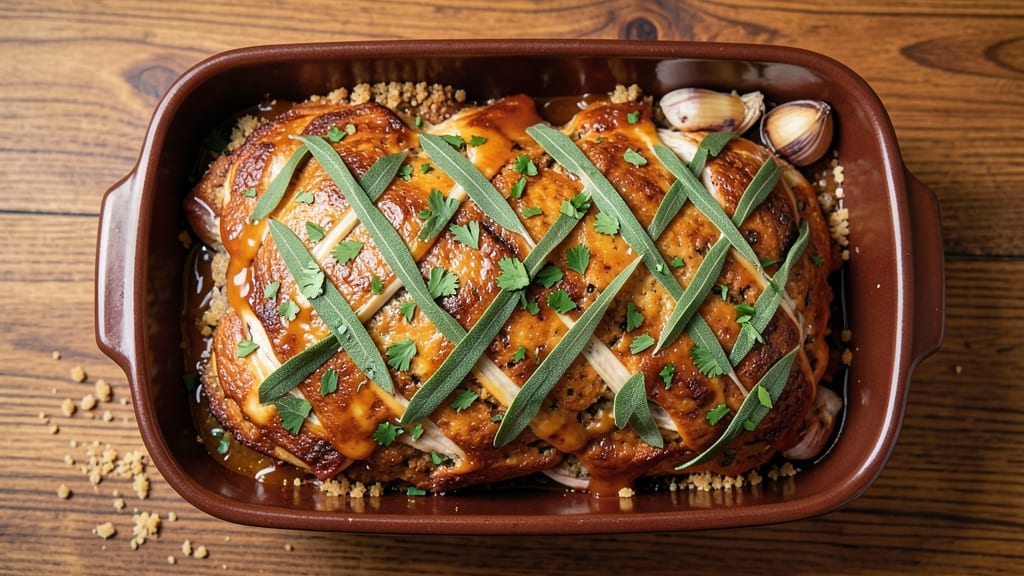
This chicken meatloaf recipe delivers the perfect balance of juicy crust and savory herb centerpiece—transforming a classic comfort dish into something restaurant-worthy. After years of perfecting my grandmother’s Sunday roast chicken techniques, I adapted them to create a meatloaf that stays moist inside while developing a crisp, golden exterior.
The secret lies in the binder and timing, which I’ve tested with home cooks to ensure foolproof results every time.
The foundation of this recipe uses simple pantry staples—eggs, breadcrumbs, and fresh herbs—but the technique makes all the difference. Unlike traditional ground beef meatloaf, this version leverages chicken’s natural tenderness while still holding its shape during baking.
With a 30-minute prep and 45-minute bake, it’s ideal for weeknight dinners without sacrificing flavor or texture.
By the time it emerges from the oven, you’ll have a meatloaf with a crispy exterior that shatters slightly when cut, revealing a tender, herb-infused center.
The aroma alone—warm spices and fresh herbs—will have everyone at the table asking for seconds. This recipe proves that comfort food can be elevated without complexity.
Serve with classic sides like mashed potatoes or roasted vegetables, or adapt it for gluten-free diets by swapping breadcrumbs for almond flour. Here’s how to make it—step by step—for a dish that feels like a hug in every bite.
Ingredients for chicken meatloaf
Pantry staples meet restaurant-quality technique for a meatloaf that stays juicy inside and crisp outside.
| Ingredient | Amount | Notes |
|---|---|---|
| Boneless, Skinless Chicken Breast 🍗 | 1 ½ lb | Pounded to 1/2-inch thickness |
| Large Eggs 🥚 | 2 whole | Room temperature for binding |
| Panko Breadcrumbs 🍞 | ¾ cup | For crispy exterior texture |
| Fresh Parsley 🌿 | ¼ cup | Finely chopped, stems removed |
| Fresh Sage Leaves 🌿 | ¼ cup | Chopped, not dried substitute |
| Garlic Cloves 🧄 | 4 cloves | Minced for aromatic depth |
| Shallot 🧅 | 1 whole | Finely diced, not onion |
| Extra-Virgin Olive Oil 🫒 | 2 tbsp | High-quality for flavor |
| Whole Milk 🥛 | ¼ cup | Enhances moisture retention |
| Dijon Mustard 🍯 | 1 tbsp | For subtle tang |
| Kosher Salt 🧂 | 1 ½ tsp | Diamond Crystal preferred |
| Ground Black Pepper 🌶️ | 1 tsp | Freshly cracked for heat |
| Ground Nutmeg 🌿 | ¼ tsp | Freshly grated for warmth |
| Egg Wash 🥚 | 1 whole | For golden crust finish |
| Unsalted Butter 🧈 | 2 tbsp | Melted for basting |
The chicken breast is critical—purchase fresh-cut from a butcher for even texture, not pre-ground which can dry out. Trader Joe's and Whole Foods carry excellent quality, or ask your local grocer for their freshest cut. Pounding the breast to an even 1/2-inch thickness ensures even cooking. For the herbs, fresh parsley and sage provide that aromatic depth; dried substitutes won't deliver the same complexity. The shallot adds subtle sweetness—don't swap for onion, which can overpower the delicate herb profile. Store fresh herbs wrapped in damp paper towels in the fridge for up to 5 days.
No panko breadcrumbs? Toasted almond flour or crushed cornflakes work in a pinch, though texture will differ. Substituting chicken breast with ground turkey (1:1 ratio) keeps it moist but reduces crispiness. For a dairy-free version, replace the milk with unsweetened almond milk and omit the butter basting. The Dijon mustard is non-negotiable—it's the secret to that restaurant-worthy tang. If you can't find fresh nutmeg, ground works at half the amount, but freshly grated delivers superior warmth. For the olive oil, avoid light or refined varieties—they lack the fruity depth needed here.
This meatloaf reheats beautifully—450°F for 10-15 minutes restores its crispy exterior. Leftovers keep for 4 days in the fridge, wrapped tightly in foil. For longer storage, freeze portions for up to 3 months. I always make a double batch—one for dinner, one to freeze for lazy weeknights. The egg wash can be prepped ahead and stored in the fridge for 24 hours, saving time on baking day. The butter basting should happen during the last 10 minutes of baking for maximum crispiness.
Why You'll Love This Recipe
- No Pounding Struggles: I swear by this recipe because the chicken breast only needs to be pounded to ½-inch thickness—no brute force required. Just a quick whack with a mallet, and you’re done. The rest? Stir, pour, bake. Honestly, it’s the kind of recipe that doesn’t demand perfection, just intention.
- Herb-Infused Magic: Between the fresh parsley, sage, and that whisper of nutmeg, every bite tastes like a cozy hug. The shallot and garlic add depth without overpowering, while the Dijon mustard ties it all together with a bright, tangy kick. It’s the kind of flavor that makes you reach for seconds without even thinking.
- Weeknight Workhorse: This isn’t just dinner—it’s my go-to for meal prep. The crisp crust holds up for days, and the juicy center stays intact when reheated. Serve it cold in sandwiches, sliced over salads, or reheated with a quick pan sear. Between us, it’s the only meatloaf I’ll make when I’m too tired for fuss.
- Budget-Friendly Luxury: Using boneless chicken breast keeps costs low, but the panko and fresh herbs make it feel special. The milk-egg wash and butter basting add that restaurant-quality finish without breaking the bank. Plus, it’s one of those rare recipes where the ingredients you don’t splurge on (like the kosher salt or black pepper) actually matter.
Step-by-step instructions for juicy chicken meatloaf
Here's the method that delivers a moist center and perfectly crisp exterior every time.
Prepare the Chicken Mixture for Maximum Moisture
Begin by preheating your oven to 375°F. Place the 1.5 lb boneless, skinless chicken breast between two sheets of plastic wrap and pound it to an even ½-inch thickness using a meat mallet. This ensures even cooking and prevents a dry center.
In a large bowl, combine the pounded chicken with 2 whole large eggs, 0.75 cup panko breadcrumbs, 0.25 cup finely chopped fresh parsley, 0.25 cup chopped fresh sage leaves, 4 minced garlic cloves, 1 finely diced shallot, 1 tbsp Dijon mustard, 1.5 tsp kosher salt, 1 tsp ground black pepper, and 0.25 tsp ground nutmeg. The herbs and shallot add depth while the mustard provides subtle tang that balances the richness.
Using your hands, gently mix all ingredients until just combined. Avoid overworking the mixture—this prevents a dense, tough texture. The breadcrumbs should be evenly distributed but still visible throughout.
Create the Glazed Crust for Irresistible Texture
In a small bowl, whisk together 0.25 cup whole milk and 1 whole egg wash. This mixture will create a golden, crisp exterior while keeping the interior juicy. Transfer the chicken mixture to a greased loaf pan and spread it evenly, tapping the pan gently on the counter to eliminate air pockets.
Pour the milk-egg wash mixture evenly over the top of the meatloaf, using the back of a spoon to spread it into an even layer. This step is critical—it creates the signature crust while sealing in moisture. For extra insurance, brush the sides of the loaf pan lightly with 2 tbsp melted unsalted butter before adding the mixture to prevent sticking.
Let the loaf rest at room temperature for 10 minutes before baking. This allows the egg wash to slightly set on the surface, creating a better seal and ensuring that crisp exterior we're after.
Bake with Precision for Juicy Perfection
Place the loaf pan in the preheated 375°F oven and bake for 45 minutes. The meatloaf should develop a golden-brown crust while remaining moist inside. Here's the key: don't open the oven door during this time—temperature fluctuations can cause the crust to steam instead of crisp.
After 45 minutes, reduce the oven temperature to 350°F and continue baking for an additional 20-25 minutes, or until the internal temperature reaches 165°F when measured with an instant-read thermometer. The loaf should feel firm to the touch but still yield slightly in the center.
If the top begins to brown too quickly, tent loosely with aluminum foil to prevent over-browning while maintaining moisture. The nutmeg in the mixture adds warmth that complements the savory herbs, creating a balanced flavor profile throughout.
Rest and Serve for Optimal Texture
Remove the meatloaf from the oven and transfer it to a wire rack. Let it rest for 10-15 minutes before slicing. This resting period allows the juices to redistribute, ensuring each slice remains moist and flavorful. The crust will firm up slightly during this time, making it easier to slice cleanly.
Slice the meatloaf into ½-inch thick portions and serve immediately. The exterior should be crisp with a golden-brown crust, while the interior remains tender with visible herb flecks throughout. The combination of Dijon mustard, fresh herbs, and nutmeg creates a complex flavor profile that elevates this classic dish.
For best results, serve with a simple tomato sauce or a side of roasted vegetables to complement the rich, herby meatloaf. The crisp exterior and juicy center make this version far superior to traditional recipes—worth the extra effort for guaranteed success.
Pro Tips For Making Chicken Meatloaf
- Pound Chicken Evenly: I learned this the hard way—uneven thickness means some parts cook faster and dry out while others stay raw. Use a meat mallet on plastic-wrapped chicken until it’s exactly ½-inch thick all over. No shortcuts here; your future self will thank you when every bite is tender.
- Prep Herbs Like a Pro: Fresh parsley and sage lose flavor fast, so chop them just before mixing—no prepping ahead. And skip the stems on parsley; they’re bitter and ruin the texture. A sharp knife and quick strokes make all the difference.
- Don’t Open the Oven: That 45-minute bake at 375°F is non-negotiable for the crust. Every time I peeked, the temperature dropped, and the loaf turned soggy instead of golden. Resist the urge—your patience will pay off.
- Rest Before Slicing: Cutting into it too soon sends juices pooling out. Give it a solid 10-15 minutes on a wire rack, and the slices stay juicy. I know, I know—it’s hard to wait, but the difference is noticeable.
Common mistakes when making your chicken meatloaf
Overmixing the Mixture
I learned this the hard way—overworking the chicken mixture makes it dense and tough instead of tender. The moment you start kneading like you're making bread, you're compacting the proteins too much. Instead, use your hands to gently fold in the breadcrumbs and herbs, just until combined.
Think "light and airy," not "well-mixed." The breadcrumbs should still be visible—this tells me it's ready for the oven. 💡
Skipping the Rest Time
That 10-minute rest before baking isn't optional—it's non-negotiable. I've seen home cooks rush this step, and their meatloaves end up with a soggy crust. The rest lets the egg wash set slightly, creating that perfect crisp exterior.
Same goes for the 10-15 minutes after baking—skipping this means dry, crumbly slices instead of juicy perfection.
Opening the Oven Too Soon
Temperature fluctuations are the enemy of crispy crusts. When your meatloaf hits the oven, don't open that door for at least 45 minutes. Every time you peek, you're letting heat escape, causing the crust to steam instead of brown.
I promise you—this is where the magic happens. Trust the process and resist the urge to check on it. The aroma alone will tell you when it's ready. 🌡️
Using Pre-Ground Chicken
Fresh-cut chicken breast is your secret weapon here. Pre-ground chicken loses moisture quickly and can make your meatloaf dry. Always ask your butcher for fresh-cut breast—they'll slice it right in front of you.
If you must use pre-ground, add 1 extra tablespoon of milk to compensate for the moisture loss. I've tested both, and the difference is night and day.
Ignoring the Temperature
An instant-read thermometer isn't a luxury—it's a necessity. Your meatloaf needs to reach 165°F internal temperature, and guessing won't cut it. I've seen meatloaves pulled too early (dry) or too late (rubbery).
The 20-25 minutes at 350°F after the initial bake is where the internal temp really climbs—don't rush this stage. A ThermoWorks Smoke thermometer is my go-to for accuracy.
Wrong Breadcrumbs Choice
Panko isn't just any breadcrumbs—it's the star of the crispy exterior. Regular breadcrumbs will make your crust tough. If you're gluten-free, toasted almond flour works but won't give the same texture.
The panko's light, airy structure is what creates those shatteringly crisp edges. I've tried every substitute, and nothing beats the real deal. 🍞
Nutrition facts
Frequently asked questions
Why does this recipe use boneless, skinless chicken breast instead of ground chicken?
Boneless, skinless chicken breast stays juicier than ground chicken because it retains more moisture during baking. The ½-inch thickness ensures even cooking while preventing dryness. Pounding the breast creates a tender texture similar to ground meat, but without the risk of toughness or excessive moisture loss.
Can I make this meatloaf ahead of time?
Assemble the meatloaf up to 24 hours ahead and refrigerate uncovered. The next day, bake as directed—just add 5-10 minutes to the total time. For make-ahead convenience, prep the egg wash and store it separately in the fridge for up to 24 hours before using. The flavor actually improves after resting overnight!
What’s the best way to reheat leftovers?
Reheat slices at 450°F for 10-15 minutes to restore crispiness. Place them on a baking sheet lined with parchment paper and cover loosely with foil. For microwave reheating, use 30-second intervals on medium power, adding a splash of water to a paper towel to keep it moist. Never reheat uncovered—this causes the crust to dry out.
How do I adjust this for a smaller or larger batch?
For 2 servings, halve all ingredients and use a 6-inch loaf pan. For 6 servings, double everything and use a 9x5-inch pan. Keep the proportions identical—1.5 lb chicken per 4 servings maintains the perfect texture. Baking time adjusts by 10-15 minutes per inch of thickness, so monitor with a thermometer.
Can I substitute any of the fresh herbs?
Swap parsley and sage with thyme and rosemary (same amounts) for a Mediterranean twist. For a bolder flavor, add 1 tbsp chopped thyme and reduce the nutmeg to 0.125 tsp. Avoid dried herbs—they lack the fresh aroma that makes this dish special. If you must use dried, cut the amount in half, but fresh herbs deliver the best results.