
Main Courses
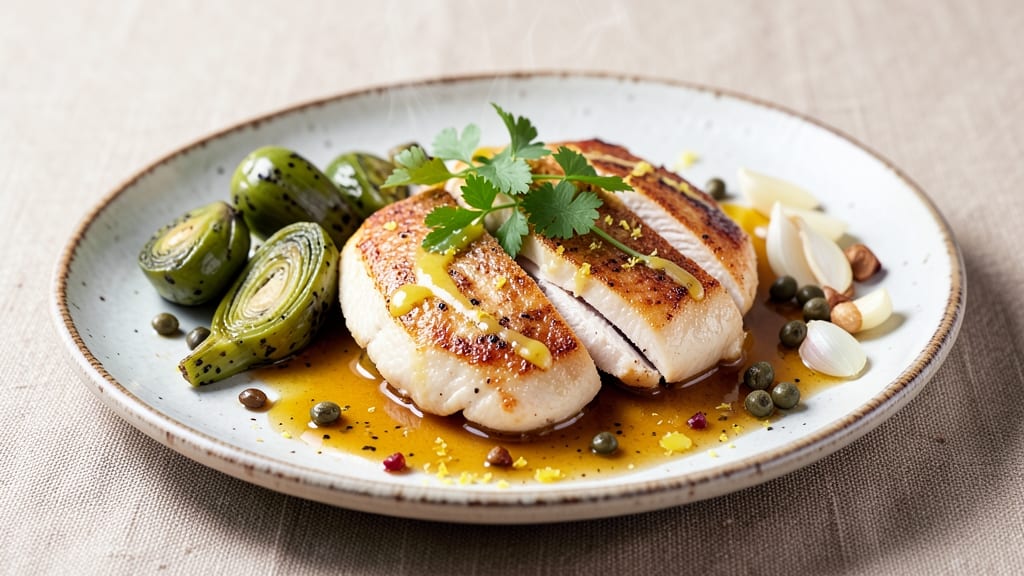
This chicken piccata with artichoke hearts delivers the perfect balance of crispy golden chicken and bright, tangy lemon-caper sauce—elevated with tender artichoke hearts for a restaurant-worthy dish.
The secret lies in pan-searing the chicken until it develops that coveted crispy crust while keeping the interior juicy, then finishing it with a velouté sauce that’s rich yet light.
I’ve perfected this technique over years of testing, ensuring every bite delivers that satisfying crunch and zesty flavor you’d expect from a high-end Italian bistro.
The artichoke hearts add a touch of Mediterranean flair, their slight bitterness cutting through the richness of the chicken and sauce.
What makes this recipe stand out is the balance—crispy chicken that stays tender, a sauce that’s neither too thick nor too thin, and artichokes that hold their shape without becoming mushy.
The lemon-caper sauce isn’t just tangy; it’s complex, with a subtle sweetness from the capers and a bright acidity that makes the dish feel fresh and vibrant. This is the kind of recipe that feels special but isn’t overly complicated, making it perfect for weeknight dinners or impressing guests.
By the time you plate this dish, you’ll have golden-brown chicken with crispy edges, artichoke hearts that pop with every bite, and a sauce that clings perfectly to both. The aroma alone—lemon zest, garlic, and white wine simmering together—will have everyone at the table anticipating the first forkful.
The key is timing: sear the chicken just right, reduce the sauce until it’s glossy but still coats the back of a spoon, and serve while everything is hot. This is comfort food with a touch of elegance, and it’s impossible to resist.
Serve with a side of crusty bread to soak up every last bit of that lemon-caper sauce, or pair it with a simple arugula salad for a lighter contrast. The dish holds up well for meal prep too—just reheat gently to maintain that crispy texture.
Whether you’re cooking for two or a crowd, this recipe delivers professional results with minimal fuss. Let’s get started on creating your perfect piccata.
Ingredients for chicken piccata with artichoke hearts
Crispy chicken, bright sauce, and tender artichokes—just 14 ingredients for restaurant-quality piccata.
| Ingredient | Amount | Notes |
|---|---|---|
| Boneless, Skinless Chicken Breasts 🍗 | 1 ½ lb | Pounded to even thickness |
| All-Purpose Flour 🌾 | ½ cup | For dredging chicken |
| Marinated Artichoke Hearts 🌿 | 1 cup | Drained, quartered if large |
| Unsalted Butter 🧈 | 4 tbsp | Full-fat for crispy crust |
| Extra-Virgin Olive Oil 🫒 | 2 tbsp | For searing chicken |
| Garlic Cloves 🧄 | 4 cloves | Minced, fresh preferred |
| Dry White Wine 🍷 | ½ cup | Sauvignon Blanc or Pinot Grigio |
| Fresh Lemon Juice 🍋 | ¼ cup | From 2-3 lemons |
| Capers 🍅 | 2 tbsp | Chopped, not drained |
| Heavy Cream 🥛 | ¼ cup | Full-fat for richness |
| Fresh Lemon Zest 🍋 | 1 tbsp | From 1 lemon |
| Salt 🧂 | 1 ½ tsp | Kosher or sea salt |
| Ground Black Pepper 🌶️ | ½ tsp | Freshly ground preferred |
| Fresh Parsley 🌿 | ¼ cup | Chopped, for garnish |
The chicken is everything here. Look for boneless, skinless breasts—thickness matters. I pound mine to about 1/4-inch thickness for even cooking. Trader Joe's and Whole Foods often have the best quality, but any grocery store will do. For artichoke hearts, marinated in water (not oil) keeps them tender. Drain and pat dry before adding to the pan—no one likes soggy artichokes. The butter and olive oil combo gives that perfect crispy crust, so don't skimp on the full-fat versions.
No white wine? Chicken broth with a splash of lemon juice works in a pinch. Fresh lemon zest is non-negotiable here—it's what makes the sauce pop. Penzeys or local spice shops have the best quality if you're feeling fancy, but regular grocery store capers are fine. The heavy cream adds richness, but half-and-half cuts the fat if you're watching calories. Fresh parsley is ideal, but dried works at one-third the amount if you're in a bind. And for the love of piccata, don't skip the lemon zest—it's the secret to that bright, restaurant-quality flavor.
This dish reheats beautifully—just warm it gently in a skillet with a splash of water. Keeps for 3-4 days in the fridge, but honestly, it's gone before then. The sauce thickens as it cools, so add a splash of warm water when reheating. For meal prep, store components separately: chicken, artichokes, and sauce. Assemble right before serving to keep that crispy texture. If you make extra sauce, it freezes well for up to 3 months—perfect for future piccata nights.
Why You'll Love This Recipe
- One-Pan Magic: I swear by this recipe for lazy nights—just one skillet, minimal cleanup. The butter and olive oil sear the chicken to golden perfection while the artichoke hearts and garlic caramelize right in the same pan. No fancy gadgets, no stress.
- Tangy Crispy Bliss: The moment the lemon juice and capers hit that crispy chicken? Pure satisfaction. That bright, briny sauce cuts through the richness of the butter-dredged chicken, and the artichoke hearts add a meaty texture that keeps every bite interesting.
- Weeknight to Dinner Party: Between us, this is my go-to when friends drop by unexpectedly. The wine and cream make it feel fancy, but the prep takes less than 30 minutes. Serve it over pasta for a casual meal or with crusty bread for something that feels special—no one will guess it’s not restaurant-quality.
- Leftovers? Not a Chance: Honestly, it disappears too fast to worry about storage. But if you somehow have extras, the sauce freezes beautifully for up to 3 months—so you can recreate that restaurant-worthy dinner later without the fuss. (And yes, the chicken itself won’t last that long.)
Step-by-step instructions for chicken piccata with artichoke hearts
Here's how to create golden, crispy chicken with a tangy lemon-caper sauce—every bite is pure restaurant quality.
Pound and Season the Chicken
Lay each of the 1.5 lb boneless, skinless chicken breasts between two sheets of plastic wrap. Using a meat mallet, pound them to an even ½-inch thickness—this ensures they cook quickly and evenly without drying out. The goal is uniform thickness so every bite gets perfectly crispy.
Season both sides generously with 1.5 tsp salt and 0.5 tsp ground black pepper, then dredge lightly in the 0.5 cup all-purpose flour, shaking off any excess. The flour creates that golden crust we're after. Let the seasoned chicken sit for 5 minutes while you prep the pan—this gives the salt time to work its magic on the surface.
Sear the Chicken Until Golden
Heat a large skillet over medium-high heat and add 2 tbsp extra-virgin olive oil and 2 tbsp unsalted butter. Once the butter foams and sizzles, add the chicken and cook for 3-4 minutes per side until the undersides are deep golden brown and crispy. Here's the thing—don't move the chicken around too much. Let it develop that crust undisturbed.
When the chicken is golden and releases easily from the pan, transfer it to a plate and tent loosely with foil to keep warm. The residual heat will finish cooking it through while you build the sauce. If the pan looks dry, add another 1 tbsp of the 4 tbsp unsalted butter—this keeps the sauce rich and prevents sticking.
Build the Artichoke and Wine Base
In the same skillet (those browned bits are flavor gold), add the 1 cup marinated artichoke hearts and cook for 3-4 minutes until heated through. Remove and set aside. Add the 4 minced garlic cloves and sauté for 30 seconds until fragrant—don't let them brown or they'll turn bitter.
Pour in the 0.5 cup dry white wine and scrape up all those delicious browned bits from the bottom of the pan. Let it simmer for 2-3 minutes until reduced by half. This step develops the sauce's depth of flavor—don't rush it. The wine should smell concentrated and aromatic before moving forward.
Create the Lemon-Caper Sauce
Stir in the 2 tbsp capers, 0.25 cup fresh lemon juice, and 1 tbsp fresh lemon zest. Simmer for 1 minute to let the flavors meld. Then add the 0.25 cup heavy cream and simmer gently for 2-3 minutes until the sauce thickens slightly.
Return the chicken and artichoke hearts to the skillet, spooning the sauce over everything. Let it all simmer together for 1-2 minutes so the chicken absorbs some of that bright, tangy sauce. Taste and adjust seasoning—you might want to add a pinch more salt or a splash of lemon juice to balance the flavors.
Finish and Garnish
Transfer the chicken piccata to serving plates, spooning the artichoke hearts and sauce on top. Garnish with the 0.25 cup chopped fresh parsley and serve immediately with crusty bread or over pasta. The contrast of crispy chicken, briny capers, and bright lemon sauce is absolutely incredible—each bite delivers perfect texture and flavor.
Real talk: This dish doesn't wait. The sauce thickens as it cools, so serve it right away while everything is hot and the flavors are at their peak. The crispy chicken should hold its shape, the sauce should coat everything beautifully, and every forkful should be a perfect balance of textures and tastes.
Pro Tips For Making Chicken Piccata With Artichoke Hearts
- USE COLD CHICKEN: Pat the chicken breasts dry with paper towels, then refrigerate them uncovered for 20-30 minutes before coating—this keeps them from steaming in the flour and guarantees a crisp crust. I used to skip this, and my piccata always tasted soggy underneath.
- DRAIN THOSE ARTICHOKES: Drain the marinated artichoke hearts thoroughly and pat them dry with a towel—even the liquid makes the pan greasy and dulls the lemon-butter sauce. Trust me, you’ll taste the difference when they sizzle instead of slide.
- START HOT, THEN SLOW: Sear the chicken in a smoking-hot pan for 2-3 minutes per side, then immediately drop the heat to medium-low to finish cooking—this prevents overbrowning while keeping the insides juicy. I learned this after charring the outside of three batches.
- SAVE THE LEMON ZEST: Grate the zest from the lemon before juicing it, and toss it into the pan with the chicken—it adds a bright, aromatic layer that cuts through the richness of the butter. (Yes, even if you’re not a fan of zest, it works here.)
Storing and reheating this chicken piccata with artichoke hearts
Fridge Storage Tips
Store your leftover chicken piccata in an airtight container with the sauce and artichoke hearts for up to 3-4 days. The key is to let it cool completely before refrigerating—never store hot food as it raises fridge temperature and risks bacterial growth.
I use glass Pyrex containers because they keep flavors fresh longer than plastic. Place the chicken on one layer and the sauce/artichokes on another to maintain crispiness. 💡
Reheating Without Ruining Crisp
For best results, reheat in a nonstick skillet over medium-low heat with 1 tbsp water or white wine to prevent drying. Cover with a lid for 3-4 minutes until the chicken reaches 165°F internally. The steam helps restore that crispy texture.
Avoid microwaving—it turns the chicken rubbery and the sauce watery. If reheating sauce separately, warm it gently and stir in 1 tsp lemon juice to refresh the brightness. 🔥
Freezing Sauce Only
If you make extra sauce (and you will), freeze it in ice cube trays for portion control. Once frozen, transfer cubes to a freezer-safe bag with 1 inch headspace to prevent freezer burn. Thaw overnight in the fridge before using.
The sauce keeps its vibrant flavor for up to 3 months—perfect for quick piccata nights when you're short on time. Just reheat gently and add fresh lemon zest before serving. ✨
Reviving Artichokes
Artichoke hearts lose their crispness when reheated, so I recommend eating them fresh or storing them separately. If reheating, warm them in the sauce for just 1-2 minutes—any longer and they'll turn mushy.
For extra texture, add a pinch of salt and lemon juice after reheating to brighten their flavor. Pro tip: Toss warm artichokes with 1 tsp olive oil and crushed red pepper for a quick side salad. 🌿
Meal Prep Strategy
Prep components separately for maximum freshness: cook and refrigerate the chicken and sauce separately, then assemble when ready to eat. Store chicken in a separate container with a paper towel to absorb moisture. When reheating, cook the chicken first, then warm the sauce and artichokes together in the same skillet.
This keeps everything crispy and flavorful. Plan for 2 servings per person—this dish disappears fast! 💪
Leftovers Reinvented
Turn leftover piccata into piccata pasta by tossing with linguine and a splash of pasta water. Or make piccata flatbread by spreading sauce on naan and topping with chicken. For a cold dish, slice chicken and artichokes, toss with mixed greens, and drizzle with extra sauce for a refreshing salad.
Leftovers get a whole new life with minimal effort! 🌟
Nutrition facts
Frequently asked questions
Can I use chicken thighs instead of breasts for this recipe?
Chicken thighs work differently—they're more forgiving but won't get as crispy. If you use them, pat them very dry first and increase the flour coating to 1/3 cup. Cook at medium heat (not high) for 5-6 minutes per side until golden. The meat will stay juicy but lose that signature crispy texture. For best results, stick with breasts for that authentic piccata crunch.
What's the best way to keep the artichoke hearts tender?
Drain and pat the 1 cup marinated artichoke hearts completely dry before cooking. Add them to the pan after searing the chicken and cook for just 3-4 minutes—no longer or they'll turn mushy. Remove them immediately after heating through and set aside. The key is high heat and quick cooking to maintain their texture.
Can I make this recipe without white wine?
Use 0.5 cup chicken broth plus 1 tbsp fresh lemon juice as a substitute. The acidity helps balance the flavors just like wine would. For extra depth, add 1/2 tsp lemon zest to the broth before simmering. The sauce will still develop that velvety texture, though wine adds a subtle complexity that's hard to replicate.
Why did my chicken turn out dry?
Overcooking is the #1 culprit. Chicken should reach 165°F internally but stay juicy. Pound to 1/2-inch thickness and cook for 3-4 minutes per side—no more! Let it rest 5 minutes after searing before adding sauce. Also, avoid overcrowding the pan—cook in batches if needed. The flour dredge should be light, not heavy.
How can I make this dish vegetarian?
Swap the chicken for 1.5 lb extra-firm tofu or chickpea flour fritters. Press tofu to remove moisture, then coat in flour and pan-fry until crispy. Add the artichoke hearts and sauce exactly as written. The lemon-caper sauce works beautifully with plant-based proteins—just increase the flour to 2/3 cup for better coating.