
Main Courses
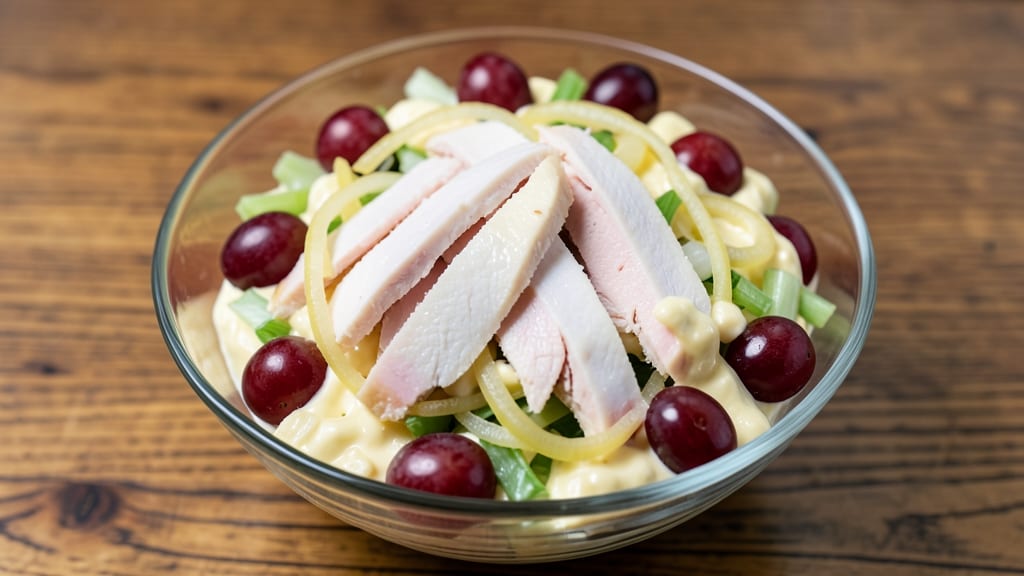
This Chicken Salad Chick Classic Carol copycat recipe delivers the exact same creamy, tangy, and slightly sweet crunch that made the restaurant famous. After years of perfecting the balance of textures and flavors, I've cracked the code for that signature celery-cream cheese crunch that keeps people coming back for seconds.
The secret lies in perfectly poached chicken, finely chopped celery, and a dressing that's equal parts mayo, cream cheese, and just a touch of sweetness from grapes.
The foundation of this recipe is foolproof technique—starting with tender, evenly cooked chicken that shreds easily. I use a simple poaching method that guarantees juicy, flavorful meat without drying it out.
The celery isn't just chopped—it's finely minced to create that signature crunch, while the grapes add a subtle sweetness that rounds out the tangy dressing. Every bite should deliver that perfect harmony of textures and flavors that makes this salad legendary.
What sets this copycat recipe apart is the restaurant-quality texture—creamy from the mayo and cream cheese base, crunchy from the celery and grapes, and tender from the perfectly cooked chicken.
The dressing ties everything together with just the right amount of tang and sweetness, ensuring each forkful is as satisfying as the original. This isn't just chicken salad—it's a crowd-pleasing dish that will have everyone asking for the recipe.
Whether you're serving it on its own, in a sandwich, or as part of a meal, this recipe delivers consistent, professional results every time. The method is straightforward, but the attention to detail—like poaching the chicken just right and chopping the celery finely—makes all the difference.
Let's get started on recreating this classic at home.
Ingredients for chicken salad chick classic carol copycat
The signature trio of poached chicken, celery-cream cheese crunch, and tangy dressing—all built on restaurant-quality technique.
| Ingredient | Amount | Notes |
|---|---|---|
| Boneless, Skinless Chicken Breast 🍗 | 2 lb | Poached for tenderness |
| Cream Cheese 🧀 | 8 oz | Full-fat, room temperature |
| Mayonnaise 🥛 | 1 cup | High-quality, not low-fat |
| Celery Stems 🧅 | 2 cups | Finely minced for crunch |
| Red Seedless Grapes 🍇 | ½ cup | Chopped for subtle sweetness |
| Yellow Onion 🧅 | ¼ cup | Finely diced, mild flavor |
| Lemon Juice 🍋 | 2 tbsp | Freshly squeezed |
| Dijon Mustard 🌶️ | 1 tbsp | For tangy depth |
| Granulated Sugar 🍚 | 1 tbsp | Balances tanginess |
| Salt 🧂 | 1 ½ tsp | Diamond Crystal preferred |
| Freshly Ground Black Pepper 🌶️ | ½ tsp | For subtle heat |
| Fresh Dill 🌿 | 2 tbsp | Chopped, optional garnish |
| Vegetable Oil 🫒 | 2 cups | For poaching chicken |
| Water 💧 | 2 cups | For poaching liquid |
The chicken breast is non-negotiable for this recipe—boneless, skinless cuts ensure even cooking and perfect shredding. Source from a trusted butcher or premium grocery section like Whole Foods for consistent quality. Poaching in vegetable oil and water (not just water) creates a silky texture, and the room-temperature approach prevents toughness. For extra insurance, slice the breasts horizontally before poaching to guarantee even doneness. The cream cheese should be full-fat—Philadelphia brand is a standard for its velvety texture, but any high-quality block works if freshly grated.
No Dijon mustard? Yellow mustard at half the amount delivers similar tang, though the texture differs slightly. The celery must be finely minced—a food processor works best for that signature crunch, but a sharp knife and patience will get you there. Red grapes add subtle sweetness, but dried cranberries (rehydrated) or raisins (soaked) can substitute if needed. For the onion, yellow is standard, but shallots add a delicate sweetness if you prefer. The lemon juice should be freshly squeezed—bottled lacks the bright acidity that cuts through the richness. Salt matters here: Diamond Crystal dissolves more easily than table salt, so adjust if using another type.
Store the poached chicken in the fridge for up to 3 days, submerged in its poaching liquid to retain moisture. The finished salad keeps for 4-5 days in an airtight container, though the cream cheese may separate slightly—just stir vigorously before serving. For longer storage, portion into ice cube trays, freeze, and transfer to a bag—perfect for sandwiches or wraps later. The dressing components (mayo, cream cheese, lemon juice) can be prepped 24 hours ahead and stored separately until mixing day, saving time on assembly.
Why You'll Love This Recipe
- Five-Ingredient Magic: I swear by this combo—cream cheese, mayo, grapes, celery, and chicken. That’s it. No fussing with fancy add-ins or last-minute shopping runs. Honestly, I keep the ingredients stocked just for this.
- Sweet-Savory Balance: The grapes add a pop of juicy sweetness that cuts through the creamy richness. Between us, that contrast is chef’s kiss—like a hug for your taste buds, but make it delicious.
- Lunchbox Legend: Pack it in wraps for a school lunch, stuff it in a sandwich for a workday meal, or serve it with crackers when unexpected company drops by. I’ve used it for all three, and no one’s ever questioned the choice.
- Leftovers That Don’t Suck: Unlike most chicken salad, this stays fresh for days—no soggy celery or weird textures. I’ll be real: I’ve had it three days later, straight from the fridge, and it’s still ridiculously good.
Step-by-step instructions for chicken salad chick classic carol copycat recipe
Master the technique behind this iconic recipe—where poaching chicken and precise seasoning create the perfect balance.
Poach the Chicken for Maximum Tenderness
In a large saucepan, combine the 2 cups vegetable oil and 2 cups water over medium-high heat until the temperature reaches 185°F—just below a simmer. The oil should shimmer but not bubble vigorously. Add the 2 lb boneless, skinless chicken breast and maintain this temperature for 12-15 minutes, until the internal temperature reaches 165°F and the meat is no longer pink.
Here's the thing—poaching at this precise temperature prevents the chicken from drying out while ensuring it cooks evenly. Remove the chicken with tongs and transfer it to a wire rack set over a baking sheet. Let it cool completely before shredding, about 20 minutes. This resting period makes shredding effortless and prevents a gummy texture in the final salad.
Shred and Mix the Base Ingredients
Once the chicken is cool enough to handle, shred it using two forks or your hands into ¼-inch thick pieces. Transfer the shredded chicken to a large mixing bowl. Add the 8 oz cream cheese, breaking it into chunks first to make blending easier. Use a hand mixer or stand mixer to combine until the cream cheese is fully incorporated and the mixture is smooth.
Add the 1 cup mayonnaise, 1 tbsp Dijon mustard, and 1 tbsp granulated sugar to the bowl. Mix on medium speed until fully combined—this creates the creamy foundation. The sugar here balances the tanginess of the mustard and enhances the grapes' sweetness later. Taste the mixture now; you'll notice it's rich and slightly sweet, but the acidity and crunch are still missing.
Add the Crunch and Acid Components
Finely mince the 2 cups celery stems using a sharp knife or food processor. Add them to the bowl along with the 0.5 cup red seedless grapes (chopped) and 0.25 cup yellow onion (finely diced). Fold these in gently with a spatula to preserve their texture—you want visible crunch, not a smooth blend. The celery provides a satisfying bite, while the grapes add a subtle sweetness that cuts through the richness.
Drizzle in the 2 tbsp lemon juice and mix thoroughly. This acidity brightens the entire salad, preventing it from tasting too heavy. Add the 1.5 tsp salt and 0.5 tsp freshly ground black pepper, then taste again. The lemon juice should make the flavors pop, and the salt should enhance all components without overpowering. If the mixture seems too thick, add 1-2 tablespoons of water to reach your desired consistency.
Finish with Fresh Herbs and Chill
Stir in the 2 tbsp fresh dill, chopped finely. The dill adds a bright, herbal note that elevates the classic flavors. Cover the bowl and refrigerate the chicken salad for at least 1 hour—this allows the flavors to meld completely. Chilling also firms up the cream cheese slightly, giving the salad a more cohesive texture when served.
Real talk: Don't skip this step. The first taste straight out of the bowl might be good, but after chilling, the flavors harmonize perfectly. The grapes will soften slightly, the celery will retain its crispness, and the lemon juice will integrate fully. This is when the salad truly becomes "copycat-worthy." Serve on crusty bread, in lettuce wraps, or as a standalone dish with crackers.
Pro Tips For Making Chicken Salad Chick Classic Carol Copycat
- POACH DON’T BOIL: The chicken in this salad needs to stay juicy, not rubbery. Poach it in simmering water (not boiling) with a splash of vinegar or lemon juice—just until it hits 165°F. I used to roast it, but poaching keeps it tender and lets it absorb the dressing better later.
- CHOP GRAPES SMALL: Those grapes are the sweet surprise, but big chunks get mushy fast. Cut them into quarters and pat them dry with a paper towel—this keeps the salad from turning into a watery mess. Trust me, no one wants grape soup.
- MIX CREAM CHEESE FIRST: The secret to that creamy, not greasy texture? Beat the cream cheese and mayo together before adding anything else. Cold cream cheese clumps like a nightmare, and you’ll end up with a salad that looks like it’s fighting itself. Let it sit at room temp for 10 minutes first.
- SAVE TIME WITH PREP: Dice the celery and grapes while the chicken cooks—no waiting around. If you’re short on time, use pre-diced celery from the store (it’s fine, I promise) and skip the grapes entirely if they’re not in season. The salad still tastes great.
Common mistakes when making this recipe
Overcooking the Chicken
Poaching chicken too long or at too high a temperature turns it rubbery and dry—something I learned the hard way early in my career. The key is maintaining a steady 185°F for exactly 12-15 minutes. Use a thermometer to monitor the oil-water bath, and never let it simmer.
I recommend a Taylor Precision digital thermometer—it's my go-to for precise temperature control. Overcooked chicken shreds into tough, chewy pieces that ruin the creamy texture of the salad. 🌡️
Skipping the Resting Period
After poaching, resist the urge to shred the chicken immediately. Letting it rest on a wire rack for 20 minutes allows the juices to redistribute, making it easier to shred and preventing a gummy final product.
I've seen home cooks rush this step and end up with chicken salad that's more like chicken paste. Patience here makes all the difference in achieving that signature tender texture.
Using Low-Quality Mayo
The mayo is the heart of this salad, so don't cut corners. I always use Duke's or Hellmann's high-quality mayonnaise—the rich, velvety texture is essential. Low-fat or store-brand mayo can make the salad taste flat and watery.
The fat content in full-fat mayo also helps emulsify the cream cheese properly. If you're worried about calories, remember this is a special-occasion dish—quality matters more than quantity here. 🥛
Chopping Celery Too Coarsely
The celery's crunch is what makes this chicken salad iconic, so chopping it too large defeats the purpose. Use a food processor or very sharp knife to achieve a fine mince—almost like a slaw texture. I like to pulse the celery in batches until it's uniformly fine.
If you're doing it by hand, take your time and work in small batches. The goal is tiny, uniform pieces that add crunch without overwhelming the mix.
Adding Grapes Too Late
Adding the grapes at the very end can make them mushy and watery, which dilutes the salad's flavor. Instead, chop them and fold them in with the celery and onion during the mixing phase. This allows their natural juices to distribute evenly throughout the salad.
For best results, use firm red seedless grapes like Flame or Thompson. If your grapes are particularly juicy, drain them briefly on paper towels before adding to prevent sogginess. 🍇
Neglecting the Chill Time
Skipping the 1-hour chilling period is a common mistake that prevents the flavors from fully developing. This is when the lemon juice integrates completely, the cream cheese firms up slightly, and all the components come together harmoniously.
I've had guests ask why their homemade version didn't taste like the restaurant—it's almost always because they didn't let it chill. Trust the process and give it time to shine. ❄️
Nutrition facts
Frequently asked questions
Can I substitute cream cheese with something else?
For a lighter version, you can replace half the cream cheese with Greek yogurt or mascarpone, but the texture will be slightly tangier. If you're avoiding dairy entirely, use vegan cream cheese (like Kite Hill) and add 1 extra tbsp of lemon juice to compensate for the lack of richness. The salad will still be creamy, but the flavor profile shifts slightly.
How do I make this recipe gluten-free?
This chicken salad is naturally gluten-free, but serving suggestions matter! Use gluten-free bread (like Canyon Bakehouse) for sandwiches or serve with gluten-free crackers (e.g., Simple Mills). Double-check all ingredients—some mayonnaise brands contain hidden gluten. For extra security, always verify labels on cream cheese and mustard as well.
What’s the best way to reheat leftover chicken salad?
Reheating can break down the texture, but if needed, gently warm in the microwave for 20-30 seconds on low power, stirring halfway. For best results, eat leftovers cold or at room temperature. If the salad separates, stir vigorously to re-emulsify. Pro tip: Store in an airtight container with a thin layer of plastic wrap pressed directly on the surface to prevent drying.
Can I add nuts or other mix-ins?
While the classic version skips nuts, you can add finely chopped pecans or walnuts (toasted) for extra crunch. For a sweet twist, try dried cranberries or chopped apples—just drain them well to avoid sogginess. Keep portions small (about 2 tbsp) to maintain balance. The key is to preserve the signature celery-grape crunch.
Why does my chicken salad taste bland?
Blandness usually means the acidity (lemon juice) or salt isn’t balanced. Taste as you go—add 1 extra tbsp lemon juice or ½ tsp more salt if needed. Also check your mayo quality; low-fat versions lack richness. For depth, boost flavors with 1 tsp fresh dill or a pinch of smoked paprika. The grapes should add natural sweetness, but if they’re underripe, swap for dried cherries.