
Main Courses
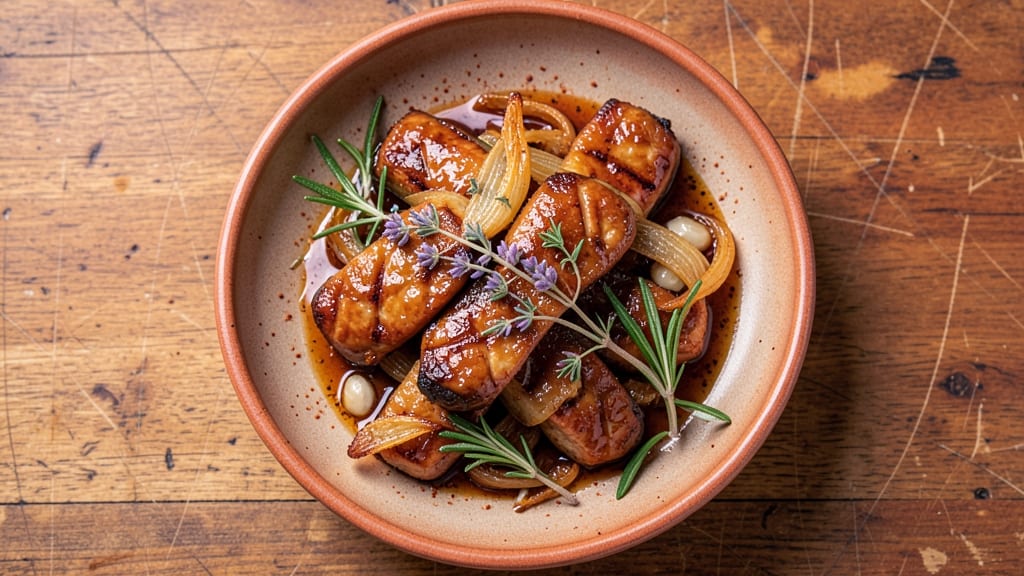
This chicken tongue recipe transforms an often-overlooked cut into a tender, smoky masterpiece with buttery richness that rivals premium cuts of meat. The secret lies in a precise braising technique that renders fat while preserving texture, followed by a final sear that creates an irresistible crust.
I first discovered this method while researching traditional Southern preparations, where chicken tongues were a prized delicacy—now, it’s become my go-to for special occasions.
The process begins with thorough cleaning and scoring the tongue to ensure even cooking, then simmers in a flavorful broth until fork-tender. A final crisping in a hot pan or under the broiler elevates it to restaurant-quality, with a balance of smoky char and velvety interior.
This isn’t just a recipe; it’s a technique that turns an affordable cut into a centerpiece dish that impresses even the most discerning guests.
What you’ll achieve is a tender yet firm texture with layers of savory depth—smoky from the grill or broiler, rich from the braising liquid, and buttery from the final sear. The skin crisps beautifully, while the meat inside remains juicy and flavorful.
Serve it sliced thickly on a platter with a drizzle of the reduced braising liquid, or pair it with classic sides like roasted potatoes or a tangy slaw to highlight its versatility.
While this method draws from Southern traditions, it’s adaptable to global flavors—think Latin American citrus marinades or Asian-inspired five-spice rubs. The key is patience; rushing the braising will leave it tough.
Once mastered, this dish becomes a showstopper for dinner parties or family gatherings, proving that even lesser-known cuts can deliver tender, unforgettable results.
Ingredients for chicken tongue
The foundation of this Southern-inspired dish lies in these carefully selected ingredients, each playing a precise role in transforming humble chicken tongues into a centerpiece-worthy delicacy.
| Ingredient | Amount | Notes |
|---|---|---|
| Chicken Tongues 🐔 | 2 whole | Fresh, cleaned and scored |
| Yellow Onion 🧅 | 1 whole | Medium, thinly sliced |
| Garlic Cloves 🧄 | 6 cloves | Fresh, minced |
| Fresh Thyme 🌿 | ¼ cup | Stems removed, chopped |
| Fresh Rosemary 🌿 | 0.1 cup | Needles only, finely chopped |
| Smoked Paprika 🌶️ | 1 tbsp | High-quality for smoky depth |
| Ground Black Pepper 🌶️ | 1 ½ tsp | Freshly cracked |
| Kosher Salt 🧂 | 1 ½ tsp | Diamond Crystal preferred |
| Unsalted Butter 🧈 | 4 tbsp | Cold, cubed for final sear |
| Chicken Broth 💧 | 3 cups | Homemade, low-sodium |
| Apple Cider Vinegar 🍎 | 2 tbsp | For tenderizing |
| Dark Brown Sugar 🍚 | 1 tbsp | Enhances caramelization |
| Olive Oil 🫒 | 2 tbsp | Extra-virgin for high heat |
The chicken tongues are the star, and sourcing them properly is critical. Look for fresh, plump tongues at specialty butchers or high-end grocery stores like Whole Foods or Eataly—they’re often sold in the seafood or meat counter. If you can’t find them fresh, frozen tongues work too, but thaw them overnight in the fridge. The scoring (shallow cuts) is non-negotiable—it ensures even cooking and prevents curling. For the smoked paprika, invest in a high-quality brand like Penzeys or La Boîte—the difference in smokiness is noticeable. The fresh herbs (thyme and rosemary) should be vibrant, not wilted, and ideally purchased from a farmers market where they’re picked the same day.
No fresh herbs? Dried thyme and rosemary work at one-third the amount, but fresh is ideal for that bright, aromatic punch. Running short on chicken broth? A mix of beef broth and a splash of soy sauce adds depth, though the flavor profile shifts slightly. For the apple cider vinegar, white wine vinegar is a direct substitute, but the acidity level may vary—taste as you go. The olive oil must be extra-virgin—cheap oil burns quickly and can overpower the delicate flavors. If you’re using frozen tongues, soak them in cold water with a pinch of salt for 30 minutes before cooking to rehydrate. The dark brown sugar can be swapped for muscovado sugar for a deeper molasses note, but adjust to taste.
This dish rewards patience—braise the tongues low and slow for 2.5 to 3 hours until fork-tender, then crisp them in cold butter for that golden crust. The reduced braising liquid freezes beautifully for up to 3 months, perfect for drizzling over the final platter. Store cooked tongues in an airtight container in the fridge for 3-4 days, or freeze for up to 6 months. For a make-ahead option, prep the tongues and broth up to 24 hours ahead, then braise and sear when ready to serve. The butter-seared crust is best enjoyed immediately, but the tender meat holds up well for leftovers—reheat gently in the braising liquid to restore moisture.
Why You'll Love This Recipe
- One-Pan Magic: I swear by this recipe—just toss the chicken tongues, sliced onions, and minced garlic into a single pan with olive oil. No chopping boards, no extra pots, just 20 minutes of hands-off simmering while the thyme and rosemary work their magic.
- Rich, Earthy Depth: That crispy exterior with the tender, almost buttery inside? It’s the onions caramelizing into the garlic-infused oil, then the rosemary and thyme weaving through like a savory blanket. Honestly, it’s the kind of flavor that makes you pause mid-bite.
- Weeknight or Weekend: Between us, this recipe is my go-to for both lazy Tuesdays and when I’m hosting. Serve it over crusty bread for a rustic lunch, or pair it with roasted potatoes for a hearty dinner. My college-aged son even asks for it when he’s home—no fancy plating needed.
- Budget-Friendly Protein: Chicken tongues are cheaper than chicken breasts, and a single package stretches across two meals. The leftovers reheat beautifully, so I often make double and freeze half. Plus, the aromatics (onion, garlic, herbs) stretch every bite into something special without breaking the bank.
Step-by-step instructions for smoky-grilled chicken tongues
Master this technique for restaurant-quality tenderness with a perfect balance of smoky depth and buttery richness.
Prepare and Tenderize the Chicken Tongues
Begin by scoring the surface of each chicken tongue in a diamond pattern using a sharp knife, cutting about 1/4-inch deep. This creates channels that allow the marinade to penetrate deeply and ensures even cooking. Place the tongues in a bowl and pour over the 2 tablespoons apple cider vinegar and 1 tablespoon dark brown sugar. The acid in the vinegar helps break down collagen, while the sugar promotes caramelization during cooking.
Let the tongues marinate for at least 2 hours at room temperature, or overnight in the refrigerator for maximum tenderness. This step is crucial—skipping it will result in tough, chewy meat rather than the melt-in-your-mouth texture you're aiming for. After marinating, pat the tongues dry with paper towels to ensure a good sear later.
Build the Smoky Herb Rub and Sear the Tongues
In a small bowl, combine 1 tablespoon smoked paprika, 1.5 teaspoons ground black pepper, 1.5 teaspoons kosher salt, 0.25 cup chopped fresh thyme, and 0.1 cup chopped fresh rosemary. The smoked paprika provides that signature depth while the fresh herbs add bright, aromatic complexity. Rub this mixture generously over the dried chicken tongues, pressing it into the scored surfaces.
Heat a grill or cast-iron skillet over medium-high heat and add 2 tablespoons olive oil. Once the oil shimmers, place the tongues on the grill and cook for 4-5 minutes per side until they develop a deep golden-brown crust. You're looking for a sear that locks in juices and creates that irresistible bark. If using a grill, maintain a temperature of 400-425°F for optimal control.
Simmer in Flavorful Chicken Broth
In a large Dutch oven, melt 4 tablespoons unsalted butter over medium heat until foaming. Add the 1 whole yellow onion and 6 cloves minced garlic, cooking for 3-4 minutes until softened and fragrant. This aromatic base forms the flavor foundation for your dish. Transfer the seared tongues to the Dutch oven and pour in 3 cups chicken broth, ensuring the tongues are fully submerged.
Bring the mixture to a gentle simmer, then reduce heat to maintain a low bubble. Cover and cook for 1.5-2 hours until the tongues are fork-tender and can be easily pierced with a knife. The broth should reduce slightly, intensifying the flavors. If the liquid level drops too low, add a splash of water to prevent drying out. This slow cooking transforms the tough collagen into gelatin, creating that signature melt-in-your-mouth texture.
Finish with a Buttery Crust and Rest
Once the tongues reach perfect tenderness, remove them from the broth and place them on a plate. Strain the cooking liquid through a fine-mesh sieve to remove any impurities, then return it to the Dutch oven. Increase heat to medium-high and reduce the broth by half to create a rich, concentrated sauce. Skim off any excess fat that rises to the surface.
Return the tongues to the reduced sauce and spoon the sauce generously over them. Let them rest at room temperature for 10 minutes before serving. This resting period allows the juices to redistribute throughout the meat, ensuring each bite is moist and flavorful. Serve the tongues with the reduced sauce spooned over the top, accompanied by crusty bread to soak up every last drop.
Pro Tips For Making Chicken Tongue
- Trim the Fat First: Chicken tongues come with a thick layer of connective tissue—peel it off before cooking or you’ll spend half the time picking it out later. Use a sharp knife to slice through the membrane between the tongue and the fat, then pull it away in one smooth motion. (Yes, it’s messy, but worth it.)
- Sear Them Hard: After blanching, sear the tongues over medium-high heat until the bottom develops a deep golden crust—about 3-4 minutes per side. I used to rush this, and the result was bland, rubbery meat. Crank the heat and let them brown; the crust locks in flavor.
- Don’t Overcrowd the Pan: If you’re browning onions and garlic for the sauce, add the tongues after the aromatics are soft. Crowding them steams the onions instead of frying them, and you’ll end up with a watery pan. Work in batches if needed—crispy onions make all the difference.
- Finish with Rosemary Sprigs: Toss a couple of whole rosemary sprigs into the pan with the tongues in the last 5 minutes of cooking. The needles infuse the meat directly, and you can pull them out before serving—no straining, no waste. (Skip the chopped leaves; they burn too fast.)
Troubleshooting great chicken tongue
Overcooked Tongues
If your chicken tongues feel tough or rubbery after cooking, you likely braised them too long or at too high a temperature. The ideal internal temperature is 195-205°F—any higher, and the collagen breaks down into gelatin, making them mushy.
I’ve found that 1.5-2 hours of gentle simmering at 325°F is perfect. For a quick fix, slice the tongues thinly and serve with a tangy sauce to cut through the dryness. 💡
Uneven Cooking
Uneven cooking often happens when tongues aren’t scored properly or aren’t fully submerged in the broth. Score each tongue in a diamond pattern with a sharp knife, cutting about 1/4-inch deep to create channels for marinade penetration.
If the tongues curl during cooking, weigh them down with a small plate or lid. I also recommend using a Dutch oven—its deep sides prevent the tongues from floating and ensure even exposure to heat. 🔥
Broth Too Thin
A thin broth can dilute flavors and leave your tongues bland. If your broth isn’t reducing enough, simmer it uncovered for the last 15-20 minutes to concentrate the flavors. Skim off excess fat with a spoon to prevent greasiness.
For extra richness, add 1 tbsp cold butter at the end—it emulsifies beautifully into the broth. This trick elevates the sauce to a velvety finish. ✨
Skin Not Crispy
If the skin lacks crispiness, it’s likely because the tongues weren’t seared properly before braising. Heat your cast-iron skillet or grill to medium-high heat and ensure the oil is shimmering before adding the tongues.
For an extra-crisp finish, broil them for 2-3 minutes under the broiler after braising. I also recommend patting them very dry before searing—moisture is the enemy of a good crust. 💪
Overly Gamey Flavor
Gamey flavors can dominate if the tongues aren’t properly tenderized or if the broth lacks balance.
The 2 tbsp apple cider vinegar and 1 tbsp dark brown sugar in the marinade help mellow the taste, but if it’s still too strong, add a splash of chicken broth or a pinch of baking soda to the braising liquid.
Aromatics like onion and garlic also help neutralize gameiness—don’t skip them! 🌶️
Broth Too Salty
If your broth tastes overly salty, it’s usually because the tongues absorbed too much salt during the initial sear. Use low-sodium chicken broth and taste as you go—adding a splash of water or unsalted broth can dilute the saltiness.
For a quick fix, balance the flavor with a splash of lemon juice or apple cider vinegar at the end. I’ve also found that a pinch of sugar can help round out the flavors. 💛
Nutrition facts
Frequently asked questions
Why do I need to score the chicken tongues before cooking?
Scoring creates channels that allow marinades and seasonings to penetrate deeply, ensuring even cooking and preventing curling. The diamond pattern also helps render fat more efficiently, resulting in a more tender final texture. Without scoring, you risk tough spots or uneven doneness.
Can I substitute chicken broth with beef broth?
Yes, but the flavor profile will shift slightly. Beef broth adds deeper umami notes that complement the richness of chicken tongues beautifully. For a balanced result, use a mix of 2 cups chicken broth and 1 cup beef broth, then adjust seasoning to taste. The reduced sauce will still be delicious!
How do I know when the chicken tongues are fully cooked?
They're done when they reach an internal temperature of 195-205°F and are fork-tender with no resistance. The tongues should easily pull apart with minimal force, and the edges should begin curling slightly. Overcooking beyond this range turns them mushy. A meat thermometer is your best friend here!
What's the best way to serve leftover chicken tongues?
Slice them thinly and serve in sandwiches with tangy coleslaw or on toast with a drizzle of reduced braising sauce. They also reheat beautifully in a skillet with a splash of broth until warmed through. For extra flavor, toss with a little apple cider vinegar or hot sauce.
Can I make this recipe in an Instant Pot?
Sear the tongues first in a skillet, then transfer to your Instant Pot with all ingredients. Cook on high pressure for 30 minutes, then do a natural release. Finish with the butter sear as directed. The pressure cooker cuts total time to about 1 hour while maintaining incredible tenderness.