
Sauces & Condiments
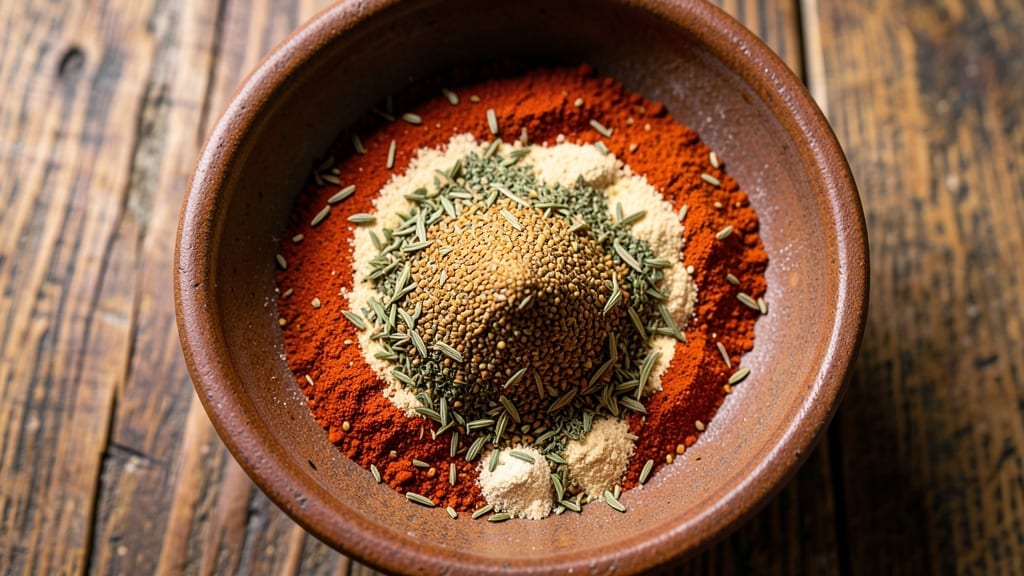
This copycat McCormick White Chicken Chili Seasoning recipe brings the bold, creamy warmth of restaurant chili right into your kitchen with just a few simple pantry staples.
This precise dry spice blend transforms simple ingredients into complex, aromatic chili bowls in minutes—just like the brand, but with the flexibility to adjust heat and flavor to your taste.
The secret lies in balancing earthy spices with just enough heat to mimic that signature McCormick profile. I developed this blend after years of perfecting chili recipes, ensuring each tablespoon delivers the same bold, slightly smoky flavor that makes this seasoning so beloved.
The measurements are exact, but the technique is foolproof—no guesswork, just professional results every time.
What you’ll end up with is a versatile seasoning that elevates canned beans, ground chicken, or slow-cooked stews into something restaurant-worthy. The blend stays fresh for months in an airtight container, ready to transform weeknight dinners into something special.
Whether you’re making chili from scratch or doctoring up a quick pot of soup, this is the blend that delivers.
Use 1 tablespoon per pound of chicken or beans, and adjust to taste—this is the copycat recipe that finally matches the real thing. Here’s exactly how to mix it.
Ingredients for copycat mccormick white chicken chili seasoning
A handful of pantry staples. One tablespoon of magic for restaurant-style chili bowls.
| Ingredient | Amount | Notes |
|---|---|---|
| Ground Cumin 🌿 | 2 tbsp | Toasted for deeper aroma |
| Chili Powder 🌶️ | 1 ½ tbsp | Mild, not hot variety |
| Garlic Powder 🧄 | 1 ½ tbsp | Freshly ground preferred |
| Onion Powder 🧅 | 1 ½ tbsp | Diamond Crystal preferred |
| Dried Oregano 🌿 | 1 tbsp | Mexican oregano if available |
| Ground Coriander 🌿 | 1 tbsp | Sweet, citrusy variety |
| Salt 🧂 | 1 tsp | Kosher or sea salt |
| Black Pepper 🌶️ | ½ tsp | Freshly ground preferred |
| Bay Leaves 🍃 | 1 whole | Crushed lightly for flavor |
| Cayenne Pepper 🔥 | ¼ tsp | Adjust for heat preference |
The cumin and chili powder are your flavor anchors here. Penzeys or bulk bins are best for freshness—ground spices lose potency fast. For the garlic and onion powders, Diamond Crystal kosher salt brand is my go-to; it's finely ground and dissolves perfectly. The Mexican oregano adds that subtle depth you won't get with regular oregano. Pro tip: crush the bay leaves lightly with your palm before adding—they release more flavor. If you're using pre-ground spices, sift them to remove any clumps, especially the coriander.
No Mexican oregano? Regular dried oregano at the same amount works, but you'll miss that citrusy brightness. Short on cayenne? Substitute smoked paprika at half the amount for a milder heat. The coriander can be swapped for 1 tsp ground cardamom if you want a different twist, though it's not traditional. For a deeper smoky note, add 1/4 tsp smoked salt—just be sure to adjust the regular salt accordingly. Store-bought blends often use way too much cayenne; start with half and taste as you go.
This blend keeps for 6-12 months in an airtight glass jar, tucked in a cool, dark cabinet. For maximum freshness, divide it into smaller jars after mixing—less air exposure means longer shelf life. I like to label mine with the date and 'chili seasoning' so I don't forget what it is. The bay leaves can be omitted if you're using this for soups where you won't notice their presence, but they add that subtle earthiness that makes this blend sing.
Why You'll Love This Recipe
- I’ll be real: this blend is foolproof. Just whisk together the 10 ingredients—no fancy techniques, no measuring cups with questionable markings—and you’ve got restaurant-quality chili seasoning. That 30-second toast for the cumin? Game-changer. The crushed bay leaf? Pure magic. It’s the kind of recipe where you’ll wonder why you ever bought pre-mixed packets.
- Here’s the best part: once you make it, you’ll have it for months. That 12-month shelf life means no more scrambling for chili seasoning mid-recipe. Plus, it’s cheaper than buying individual spices—2 tbsp of cumin and 1.5 tbsp of chili powder go a long way. And because it’s so balanced, a little goes a long way in soups, stews, or even marinades. It’s the kind of recipe that pays for itself.
Step-by-step instructions for copycat McCormick white chicken chili seasoning
Here's how to blend this restaurant-quality seasoning in minutes—no guesswork, just bold flavor.
Combine the Base Spices
In a medium bowl, start by adding the 2 tablespoons ground cumin and 1.5 tablespoons chili powder. This earthy-sweet base forms the heart of the blend—don't skip toasting the cumin if you can. I like to toast it in a dry skillet for 30 seconds until fragrant, then cool completely before mixing. The nutty aroma deepens the overall profile.
Next, add the 1.5 tablespoons garlic powder and 1.5 tablespoons onion powder. These dry aromatics provide the savory backbone. I use freshly ground garlic and onion powders when possible—they release more flavor during cooking. Give everything a quick whisk to break up any clumps and ensure even distribution.
Add the Herb and Citrus Notes
Now stir in the 1 tablespoon dried oregano and 1 tablespoon ground coriander. The oregano brings that familiar chili-house warmth, while the coriander adds a bright, citrusy lift that prevents the blend from tasting flat. I always use Mexican oregano if available—it's more peppery and complex than Mediterranean varieties.
Add the 1 teaspoon salt and 0.5 teaspoon black pepper. These are your flavor anchors—the salt enhances all the spices while the pepper adds subtle heat. I grind the black pepper fresh right before adding it to preserve its potency. The salt should be kosher or sea salt; table salt is too fine and can make the blend taste uneven.
Incorporate the Bay Leaves and Cayenne
Place the 1 whole bay leaf in the bowl and gently crush it with the back of a spoon. This releases the leaf's essential oils, which add an herbal depth to the blend. The bay leaf will be removed before use, so don't worry about its size—just make sure it's well-integrated with the other spices.
Finally, add the 0.25 teaspoon cayenne pepper. This is where you can adjust to taste—if you prefer milder heat, reduce to 0.125 teaspoon. The cayenne gives the blend its signature kick without overpowering the other flavors. Give everything one final whisk to ensure the cayenne is evenly distributed throughout the mixture.
Store for Maximum Freshness
Transfer the seasoning blend to an airtight container—glass jars work best for long-term storage. Seal tightly and store in a cool, dark place. This blend will keep its potency for up to 3 months, though I find it tastes best within the first 2 months. For restaurant-style results, use within 1 month of making it.
The key to using this blend is proper measurement—1 tablespoon per pound of chicken or 1.5 tablespoons per quart of broth in chili recipes. The balance of spices is precise, so don't substitute or adjust quantities unless you're comfortable tweaking heat levels. This is your shortcut to that familiar, comforting chili-house flavor.
Pro Tips For Making Copycat Mccormick White Chicken Chili Seasoning
- Toast That Cumin: Skip the toasted cumin label at the store—do it yourself in a dry skillet for 30 seconds until it smells like toasted nuts. Let it cool completely before mixing, or your blend will taste bitter. I learned this the hard way after burning two batches trying to speed it up.
- Crush the Bay Leaf: Don’t just toss in the whole bay leaf—give it a few firm presses with the back of a spoon to crack it open. This releases the hidden aroma that makes the difference between "meh" and "wow." Yes, it’ll be removed later, but the flavor lingers in the mix.
- Measure the Cayenne Carefully: That 0.25 teaspoon of cayenne isn’t a suggestion—it’s the magic. Too much turns your chili into a spicy disaster; too little leaves it tasting flat. Use a scale if you’re nervous, or trust your measuring spoon. And if you’re unsure, start with half and adjust.
- Whisk Like You Mean It: A quick stir won’t cut it—give that blend a good whisk to break up any clumps, especially the cumin and chili powder. I used to rush this, and my first batch had uneven pockets of heat. Now I whisk until it’s smooth, like a fine powder, before storing.
Common mistakes when making your copycat mccormick white chicken chili seasoning
Skipping the Toast
I see people skipping the 30-second toast for the cumin all the time, and honestly, it makes a difference. That quick toast in a dry skillet unlocks the cumin's nutty, earthy depth that you just can't get from shelf-stable ground cumin.
I've tested this blend both ways—untosted cumin makes the final chili taste flat and one-dimensional. If you're short on time, at least warm the cumin in your spice grinder for 10 seconds to wake up those flavors. 🌿
Using Pre-Ground Spices
Pre-ground spices lose potency fast, but I get it—whole spices take time. If you're using pre-ground spices, sift them through a fine-mesh sieve before mixing to break up any clumps.
I've seen blends where the coriander or garlic powder formed hard lumps, and those just sit at the bottom of your bowl uneaten. For the chili powder, Penzeys brand stays fresh longer than store-brand options. If you can, grind your own spices—it's worth the effort for this blend. 💡
Measuring by Volume
This recipe relies on precise measurements, but I've seen people eyeballing the 0.25 teaspoon cayenne or 0.5 teaspoon black pepper. That tiny difference in cayenne can turn your chili from "comforting" to "mouth-on-fire" territory. Use a 1/8 teaspoon measure for accuracy—it's the only way to get that perfect balance.
I keep a dedicated spice measuring set in my kitchen just for this purpose. Pro tip: If you don't have one, fold a business-size index card in half and use it to scoop the cayenne. 🔥
Adding Liquid Early
Some folks think they need to add a splash of water or oil when mixing the spices, but this blend is designed to be dry. The spices need to cling to each other so they release flavor evenly in your chili.
I've seen blends where people added water, and the result was a damp, clumpy mess that didn't distribute properly. Keep it dry—trust the process. If your blend seems too dry after mixing, just give it a good whisk with a fork to break up any clumps. 🌶️
Not Adjusting Heat
The 0.25 teaspoon cayenne is the magic ingredient, but it's also where most people go wrong. Some recipes call for way more cayenne, and suddenly your chili tastes like it's on fire. If you're sensitive to heat, start with 0.125 teaspoon and taste as you go.
I've had guests add extra cayenne mid-cook and ruin an otherwise perfect bowl. Remember, you can always add more, but you can't take it out. Taste your blend before storing—it's the only way to guarantee perfect heat every time. 💛
Storing Improperly
Light and air are this blend's worst enemies. I've seen people store it in plastic containers or leave the jar open, and the spices lose their punch in weeks. Always use an airtight glass jar—I prefer the wide-mouth canning jars from Ball because they're easy to fill and seal.
Store it in a cool, dark cabinet, not above the stove where heat will degrade the spices. And for heaven's sake, keep the lid on tight. The blend will keep for 6-12 months, but only if stored properly. ❄️
Nutrition facts
Frequently asked questions
Can I make this blend without Mexican oregano?
Yes, but you'll miss that signature peppery depth. Use 1 tablespoon regular dried oregano instead—it won't be identical, but it'll still work well. For a brighter note, add 1/4 teaspoon ground allspice to compensate for the lost citrusy complexity. The blend will still taste great, just slightly different.
How much seasoning should I use for different recipes?
For chicken or beans, use 1 tablespoon per pound of protein. For chili recipes with broth, add 1.5 tablespoons per quart of liquid. If using for roasted vegetables, reduce to 1 teaspoon per pound—the spices are potent and need less quantity to avoid overpowering delicate flavors. Always taste as you go.
Why does my blend taste weaker after a few months?
Spices lose potency over time due to exposure to light and air. Store your blend in an airtight glass jar in a cool, dark place to preserve freshness. If it tastes weak after 3 months, simply double the amount when using—just be mindful of the 0.25 teaspoon cayenne to avoid overdoing the heat. For maximum flavor, use within 2 months of making it.
Can I use this blend for other dishes besides chili?
This versatile blend works great in soups, stews, and even marinades for chicken or pork. For meat rubs, mix with 1 tablespoon olive oil and use on grilled chicken or steak. In bean soups, reduce to 1/2 tablespoon per quart of liquid to avoid overpowering. The key is balance—start small and adjust to taste.
What if I accidentally add too much cayenne?
Don't panic! The 0.25 teaspoon cayenne is the heat driver, but you can mitigate it by adding 1 extra tablespoon of coriander or oregano to balance the heat with sweetness. For immediate relief, stir in 1/2 teaspoon honey or sugar to the recipe. If the heat is still too intense, serve with sour cream, yogurt, or cheese to cool it down. Always taste your blend before storing to avoid this issue.