
Main Courses
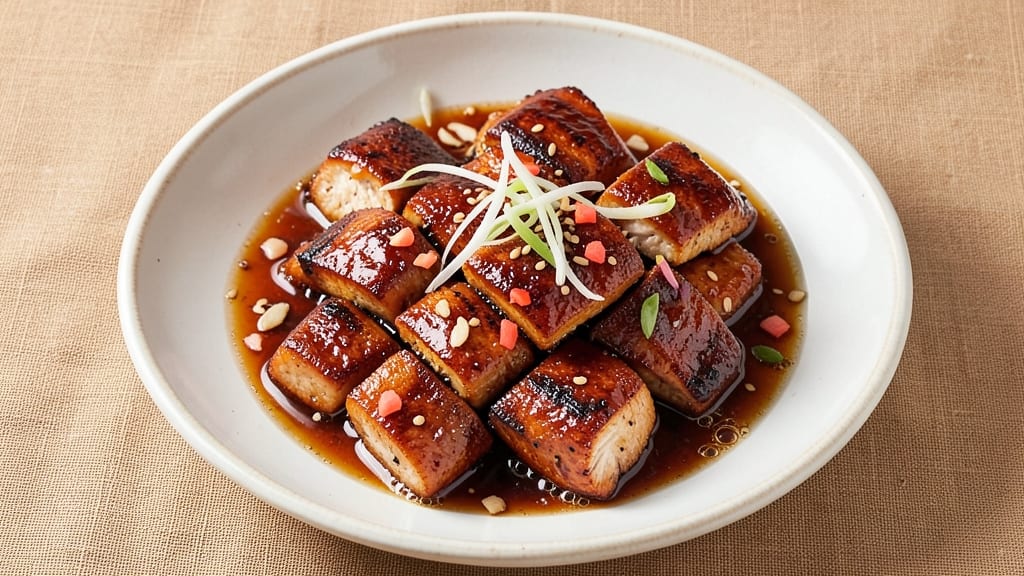
This copycat teriyaki chicken recipe delivers the same restaurant-quality sticky glaze and tender meat you crave—without the takeout markup. After years of testing, I’ve perfected a method that balances sweetness, tang, and umami in a 30-minute weeknight meal.
The secret lies in caramelizing the sauce just right while keeping the chicken juicy, not dried out.
What sets this apart is the two-step cooking process: first marinating the chicken in a simple soy-ginger base, then searing it to lock in flavor before finishing with the teriyaki glaze.
The sauce reduces to a glossy, clingy finish that coats every bite—no watery drizzle here. Professional results with minimal effort, guaranteed.
By the end, you’ll have golden-brown chicken with a sticky, caramelized glaze that’s perfectly balanced between sweet and savory. The aroma alone will have everyone gathering at the table, and the texture—tender yet slightly crispy—makes it impossible to resist. This is the copycat recipe that finally beats the restaurant version.
Serve over steamed rice or noodles for the full experience, or pair with steamed veggies for a complete meal. The technique works for thighs, breasts, or even drumsticks—just adjust the cooking time slightly. Let’s get started on recreating that restaurant magic at home.
Ingredients for copycat teriyaki chicken
Restaurant-quality teriyaki magic starts with these 14 ingredients—simple but precise.
| Ingredient | Amount | Notes |
|---|---|---|
| Boneless, Skinless Chicken Thighs 🍗 | 1 ½ lb | Cut into even strips, 1-inch thick |
| Low-Sodium Soy Sauce 🍶 | ½ cup | Kikkoman preferred for authenticity |
| Honey 🍯 | ⅓ cup | Wildflower for floral notes |
| Rice Vinegar 🍶 | ¼ cup | White vinegar substitute |
| Fresh Ginger 🌿 | 2 tbsp | Grated, finely minced |
| Garlic Cloves 🧄 | 6 cloves | Minced, not pressed |
| Sesame Oil 🫒 | 1 tbsp | Toasted sesame oil preferred |
| Cornstarch 🌾 | 1 tbsp | For glaze thickening |
| Vegetable Oil 🫒 | 2 tbsp | High smoke point for searing |
| Sesame Seeds 🌾 | 1 tbsp | Toasted for garnish |
| Diamond Crystal Kosher Salt 🧂 | ½ tsp | For seasoning |
| Ground Black Pepper 🌶️ | ¼ tsp | Freshly cracked |
| Green Onions 🧅 | 2 whole | Sliced, white and green parts |
| Unsalted Butter 🧈 | 1 tbsp | For finishing sauce |
The chicken thighs are non-negotiable here—boneless, skinless, and cut into even strips for consistent cooking. Kroger’s or Costco carry pre-cut packages, but if buying whole, trim the fat and slice against the grain. Fresh ginger and garlic are critical for authentic flavor; Penzeys Spices sells pre-peeled garlic cloves for convenience. For the soy sauce, Kikkoman’s low-sodium version delivers the right balance without overwhelming saltiness. The honey should be wildflower or clover—avoid processed brands that lack floral depth. Store fresh ginger in the freezer to preserve its potency; grate directly from frozen for the same results.
No sesame oil? A neutral oil like avocado plus 1 tsp toasted sesame seeds mimics the aroma. Substitute rice vinegar with apple cider vinegar, though the flavor profile shifts slightly. For a quicker glaze, swap cornstarch for 1 tsp arrowroot powder—it dissolves faster. If using chicken breasts, pound them to ½-inch thickness to prevent drying. The butter in the finishing sauce can be omitted for a lighter version, but it adds richness and sheen that’s worth the extra minute. Prep all ingredients before starting—this is a timing-sensitive recipe.
The marinade keeps up to 2 days in the fridge; discard if it develops an off odor. Cooked chicken reheats beautifully—cover with foil and warm in a 300°F oven for 5-7 minutes. For meal prep, store components separately: raw chicken, cooked chicken, and sauce in airtight containers. The sauce freezes well for up to 3 months, though texture may slightly thicken upon thawing. Garnish with toasted sesame seeds and green onions just before serving to preserve freshness. Leftovers make excellent sandwiches or rice bowls the next day.
Why You'll Love This Recipe
- One-Pan Magic: This recipe is my secret weapon for busy nights—just chop the chicken, sear it in the same pan, and toss in the glaze. No extra dishes, no stress, and that golden crust from the vegetable oil? Pure flavor without the fuss.
- Sweet-Tangy Perfection: The honey and rice vinegar combo is what makes this taste like a restaurant dish. That first bite of sticky glaze with the fresh ginger and garlic? It’s the kind of balance that makes you reach for seconds without even thinking.
- Meal Prep MVP: Here’s what sold me—make the sauce ahead (it keeps for 2 days), and the chicken cooks in under 20 minutes. Pack it for lunches or freeze the sauce for later; it’s my go-to for feeding the family without sacrificing taste.
- Budget-Friendly Feast: Chicken thighs are cheaper than breasts, and you’re using pantry staples like soy sauce and honey. Plus, the leftovers reheat beautifully—just toss them in the microwave with a splash of water to keep that glossy glaze. Frugal but feels fancy.
Step-by-step instructions for copycat teriyaki chicken
This method delivers restaurant-quality teriyaki with a glossy, sticky glaze and perfectly tender chicken every time.
Prepare the Chicken and Glaze Base
Cut the 1.5 lb boneless, skinless chicken thighs into even 1-inch thick strips. In a small bowl, combine the 0.5 cup low-sodium soy sauce, 0.33 cup honey, 0.25 cup rice vinegar, 2 tbsp finely minced fresh ginger, and 6 minced garlic cloves. Whisk until fully dissolved and set aside. This marinade forms the foundation of your glaze, balancing sweetness with tangy depth.
In a separate small bowl, whisk together 1 tbsp cornstarch with 1 tbsp sesame oil to create a thickening slurry. This ensures your glaze will coat the chicken beautifully without being watery. The cornstarch activates when heated, creating that signature sticky texture you crave in copycat recipes.
Sear the Chicken for Maximum Flavor
Heat 2 tbsp vegetable oil in a large skillet over medium-high heat until shimmering. Add the chicken strips in a single layer and cook undisturbed for 3-4 minutes until golden brown on one side. Press down gently with a spatula during the first minute to prevent curling—this ensures even contact with the pan.
Flip the chicken and cook for another 3-4 minutes until the second side is golden and the internal temperature reaches 165°F. The chicken should release easily from the pan at this point. Remove the chicken and set aside on a plate, tented loosely with foil to keep warm. The searing step builds a flavorful crust that locks in juices and pairs perfectly with the glaze.
Build the Glaze and Finish the Sauce
Reduce the heat to medium and pour the soy sauce mixture into the same skillet, scraping up any browned bits from the bottom. Add the cornstarch slurry and whisk vigorously for 1-2 minutes until the glaze begins to thicken. The mixture should coat the back of a spoon smoothly—this indicates proper thickening.
Stir in 1 tbsp unsalted butter and let it melt completely into the sauce. The butter adds richness that balances the sweetness of the honey. Simmer for an additional 1-2 minutes until the glaze reaches a glossy, syrupy consistency. If it thickens too much, add 1-2 tablespoons of water to achieve the perfect coating texture.
Glaze and Garnish for Restaurant-Quality Presentation
Return the chicken to the skillet and spoon the glaze evenly over each piece, turning to coat completely. Cover the skillet and let it simmer for 2-3 minutes on medium-low heat, allowing the chicken to absorb the flavors without overcooking. The glaze should cling beautifully to the chicken, creating that signature sticky finish.
Garnish each serving with 1 tbsp toasted sesame seeds and sliced green onions (white and green parts separated). The sesame seeds add a nutty crunch, while the green onions provide a fresh contrast. Serve immediately over steamed rice or noodles to capture the full experience of this copycat teriyaki chicken.
Pro Tips For Making Copycat Teriyaki Chicken
- Press for Crisp: That first minute of searing chicken thighs is where magic happens—press down hard with a spatula to flatten any curls. I used to skip this and end up with uneven brown spots; now my chicken gets that restaurant-worthy crust every time.
- Mince Ginger Like Mad: Finely minced ginger (almost paste-like) blends seamlessly into the sauce, while grated chunks leave awkward texture. I learned this the hard way—my first batch had visible specks. Use a sharp knife and chop aggressively, then taste the marinade. If it’s not smooth, keep going.
- Scrape Like You Mean It: Those browned bits stuck to your skillet after searing? That’s flavor gold. Scrape them up thoroughly with a wooden spoon before adding the sauce—it’s the difference between “homemade” and “restaurant-quality.” I used to rush this, and my sauce always tasted flat.
- Butter at the End: Tossing in the unsalted butter after the sauce thickens (not before) keeps it smooth and glossy. I was skeptical until I tried it—I used to add it earlier, and the sauce would separate. Now my glaze is silky, not greasy, and the honey’s sweetness shines.
Creative variations of these flavors
Spicy Teriyaki Twist
Add 1 tbsp gochujang (Korean chili paste) or ½ tsp cayenne pepper to the marinade for a fiery kick. I like to balance it with 1 extra tbsp honey to soften the heat.
For extra depth, stir in 1 tsp sriracha during the final glaze step—just enough to make it sing without overpowering. Serve with pickled daikon radish for a refreshing contrast. 🌶️
Honey-Glazed Sweet Potatoes
Roast 1 lb sweet potato cubes (tossed in 1 tbsp olive oil, ½ tsp salt, and ½ tsp smoked paprika) at 400°F for 25 minutes.
Drizzle with 2 tbsp leftover teriyaki glaze and broil for 3-4 minutes until caramelized. The natural sweetness of the potatoes pairs perfectly with the sticky sauce. 🍠
Teriyaki Chicken Lettuce Wraps
Use butter lettuce or romaine leaves as edible bowls. Spoon 2-3 pieces of teriyaki chicken into each leaf with 1 tsp sliced green onions, ½ tsp toasted sesame seeds, and a drizzle of extra glaze.
Add ¼ cup shredded carrots or mandarin orange segments for freshness. This makes a great low-carb option or appetizer. 🥬
Teriyaki Chicken Tacos
Shred the cooked chicken and serve in corn tortillas with ¼ cup shredded purple cabbage, 2 tbsp avocado slices, and a squeeze of lime. Brush the tortillas with 1 tsp leftover glaze for extra flavor. Top with crumbled cotija cheese and cilantro for a fusion twist. 🌮
Teriyaki Chicken Stir-Fry
Add 1 cup sliced bell peppers, 1 cup shredded cabbage, and ½ cup snap peas to the skillet during the final glaze step. Toss everything together for 2-3 minutes until veggies are tender-crisp.
Finish with 1 tbsp toasted sesame seeds and 1 tsp toasted sesame oil. Serve over jasmine rice for a complete meal. 🥦
Teriyaki Chicken Pizza
Spread ½ cup leftover glaze on a pre-baked 12-inch pizza crust, then top with ½ cup shredded mozzarella, ½ cup cooked chicken, and ¼ cup sliced green onions.
Broil for 3-4 minutes until cheese is bubbly. Garnish with extra sesame seeds and a drizzle of sriracha for heat. 🍕
Nutrition facts
Frequently asked questions
Can I use chicken breasts instead of thighs for this recipe?
Yes, but you'll need to adjust the cooking time. Pound 1.5 lb chicken breasts to ½-inch thickness and cook for 2-3 minutes per side instead of 3-4 minutes. Thinner cuts prevent drying out. For extra tenderness, marinate for 30 minutes instead of the usual 15 minutes.
Why did my sauce turn out too thick or too thin?
If your sauce is too thick, whisk in 1-2 tablespoons of water while heating. For a thinner sauce, add 1 tsp cornstarch slurry (mix ½ tsp cornstarch with 1 tsp cold water) and simmer for 1 minute. The key is stirring constantly during the 1-2 minutes of thickening time in Step 3.
How do I make this gluten-free?
Replace the 0.5 cup low-sodium soy sauce with 0.5 cup gluten-free tamari or coconut aminos. For extra umami, add 1 tsp gluten-free fish sauce to the marinade. The cornstarch in the glaze is naturally gluten-free, but check your sesame seeds for cross-contamination warnings.
Can I make the sauce ahead of time?
The sauce keeps well in the fridge for up to 5 days in an airtight container. Reheat gently on the stove, stirring constantly, until it reaches 165°F. For best results, reheat only what you need—overheating can make it grainy. The sauce also freezes beautifully for up to 3 months, though texture may slightly thicken upon thawing.
What's the best way to reheat leftovers?
Cover leftovers with foil and warm in a 300°F oven for 5-7 minutes to preserve the glaze's stickiness. For microwave reheating, use 30-second intervals on medium power, adding 1 tsp water to restore moisture. Avoid reheating in the sauce—it can make the glaze watery.