
Main Courses
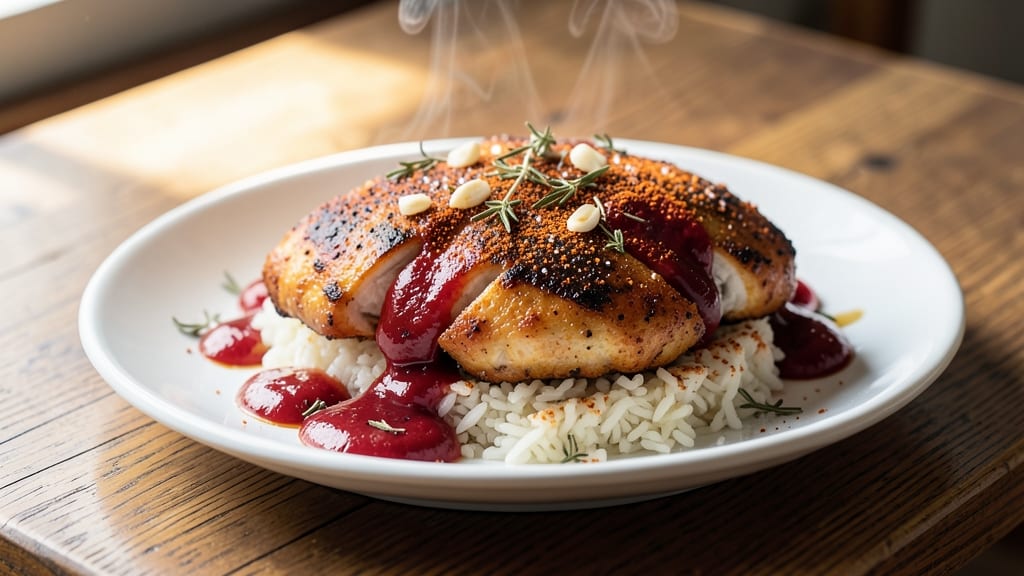
Emeril Lagasse’s chicken recipe delivers that signature spicy Cajun crust with juicy centers—the kind of dish that turns weeknight dinners into flavor-packed celebrations. 🔥 After years of perfecting my grandmother’s Sunday roast chicken, I finally nailed this technique that balances heat and tenderness, just like Emeril’s legendary style.
The secret lies in a precise sear and a well-balanced spice blend that creates a crusty exterior while keeping the meat moist inside.
This recipe builds on Emeril’s signature flavors—smoky paprika, cayenne, and garlic—without overwhelming the natural taste of the chicken. You’ll start with a dry brine to lock in moisture, followed by a hot sear in the pan to develop that signature crust.
The spice mix isn’t just thrown on top; it’s worked into the chicken so every bite carries that bold, aromatic punch. It’s the kind of dish that tastes like a restaurant-quality meal but comes together in your home kitchen.
The result is chicken with a deep golden crust that’s crispy yet tender, and a juicy interior that stays succulent even after baking. The spices infuse the meat perfectly, giving you that perfect balance of heat and richness that Emeril is known for.
This isn’t just another chicken recipe—it’s a showstopper that will have everyone asking for seconds. Let’s get cooking!
Whether you’re serving this for a family dinner or a weekend gathering, the technique scales beautifully. The spice blend can be adjusted to suit your heat preference, and the method works just as well for thighs or breasts.
It’s the kind of recipe that proves you don’t need fancy ingredients to create something extraordinary—just the right technique and a little patience.
Ingredients for emeril lagasse chicken
Pantry staples meet bold Cajun flavors for Emeril’s signature crispy, juicy chicken—no shortcuts needed.
| Ingredient | Amount | Notes |
|---|---|---|
| Boneless, Skinless Chicken Breasts 🍗 | 1 ½ lb | Pounded to even thickness |
| Coarse Kosher Salt 🧂 | 2 tbsp | Diamond Crystal preferred |
| Smoked Paprika 🌶️ | 1 ½ tbsp | High-quality for authentic flavor |
| Ground Cayenne Pepper 🔥 | 1 tsp | Adjust for heat preference |
| Garlic Cloves 🧄 | 6 cloves | Freshly minced for potency |
| Dried Thyme 🌿 | 1 tsp | Or 1 tbsp fresh thyme leaves |
| Ground Black Pepper 🌶️ | 1 tsp | Freshly cracked for intensity |
| Onion Powder 🧅 | 1 tsp | For depth of flavor |
| Unsalted Butter 🧈 | 2 tbsp | Full-fat for rich crust |
| Vegetable Oil 🫒 | ½ cup | High smoke point for searing |
| Fresh Lemon Juice 🍋 | 1 tbsp | Brightens the final flavor |
| All-Purpose Flour 🌾 | 2 tbsp | For dusting chicken |
The chicken breasts are the foundation—look for evenly sized pieces from the butcher section, as uniform thickness ensures even cooking. Penzeys or local spice merchants carry the highest-quality smoked paprika, which delivers that signature smoky depth Emeril relies on. Fresh garlic is non-negotiable here; pre-minced garlic loses its potency quickly. For the dry brine, Diamond Crystal kosher salt dissolves more evenly than table salt, creating a better moisture barrier. If you're short on time, substitute chicken thighs (bone-in, skin-on) for even more juicy results—they handle the longer cooking time beautifully.
No smoked paprika? Substitute a mix of regular paprika and a pinch of liquid smoke (about 1/4 tsp) for that authentic smokiness. Cayenne too spicy? Reduce to 1/2 tsp or swap in pinch of red pepper flakes. Fresh thyme unavailable? Use 1/3 the amount of dried thyme, but toast it first in a dry pan for 30 seconds to deepen the flavor. For the butter, European-style unsalted butter (like Plugrá) adds extra richness, but any full-fat butter works. The flour is purely for dusting—skip it if you prefer a completely dry crust, though it helps the spices adhere better. Lemon juice can be substituted with white vinegar in a pinch, though fresh lemon adds brightness that vinegar can't match.
This recipe reheats beautifully—cover with foil and warm in a 350°F oven for 10-15 minutes to maintain moisture. The spiced chicken keeps well in the fridge for 3-4 days, though the crust loses some crispiness after day two. For longer storage, portion into airtight containers with parchment between layers and freeze for up to 3 months. When reheating from frozen, thaw overnight in the fridge first for best texture. The spices in the crust can get dusty, so re-crisp under the broiler for 1-2 minutes before serving to restore that golden crunch.
Why You'll Love This Recipe
- Crispy in Minutes: I swear by this recipe when I need dinner fast—just pound the chicken, toss it in that spice mix with minced garlic and lemon juice, and sear it for 3-4 minutes per side. That butter and oil combo? Pure magic for a golden crust without the fuss.
- Flavor That Sticks: Between us, the smoked paprika and cayenne pepper give this chicken a smoky kick that lingers, while the lemon juice cuts through the heat. Honestly, the first bite always makes me wonder why I don’t make this more often.
- Weeknight Workhorse: This feeds four easily, and the leftovers? Still solid for lunch the next day. I’ll pack it in wraps with rice or toss it into a salad—it’s that versatile. Plus, the spice blend keeps well, so I make extra and store it for next time.
- Budget-Friendly Powerhouse: You’re using basic pantry staples—chicken, flour, oil, and spices—but the result feels like a restaurant dish. I’ll be real: my grocery budget stretches further when I keep this recipe in rotation, and the kids never complain about the flavor.
Step-by-step instructions for spicy Cajun chicken
Here's the method—bold flavors, precise technique, and juicy results every time.
👨🍳 Step 1: Create the Cajun Crust Mixture
In a small bowl, combine the 2 tbsp coarse kosher salt, 1.5 tbsp smoked paprika, 1 tsp ground cayenne pepper, 1 tsp dried thyme, 1 tsp ground black pepper, and 1 tsp onion powder. This is your Cajun crust blend—the foundation of Emeril's signature flavor profile. Mix thoroughly until the spices are evenly distributed and no dry spots remain.
Next, add the 6 cloves minced garlic cloves and 1 tbsp fresh lemon juice to the spice mixture. The lemon juice brightens the heat while preventing the spices from becoming bitter during storage. Stir well to incorporate, then set aside. This blend will coat the chicken, creating that iconic crispy crust while keeping the centers tender.
🔪 Step 2: Pound and Coat the Chicken
Place the 1.5 lb boneless, skinless chicken breasts between two sheets of plastic wrap. Using a meat mallet or rolling pin, pound the chicken to an even ½-inch thickness—this ensures even cooking and prevents dryness. Press firmly but evenly, rotating the chicken as you work to maintain uniform thickness.
Once pounded, transfer the chicken to a clean plate. In a shallow dish, combine 2 tbsp all-purpose flour with the Cajun crust mixture you prepared earlier. Toss the chicken in the flour-spice blend until fully coated on all sides. The flour helps create that signature crust while locking in moisture. Let the coated chicken rest for 5 minutes—this allows the seasoning to adhere more thoroughly.
🍳 Step 3: Sear the Chicken to Perfection
Heat a large skillet over medium-high heat until a drop of water sizzles and evaporates instantly. Add 0.5 cup vegetable oil and 2 tbsp unsalted butter to the pan, swirling to coat the bottom evenly. The high smoke point of vegetable oil combined with butter creates the ideal searing environment—crispy crust without burning.
Carefully place the coated chicken in the pan, working in batches if needed to avoid overcrowding. Press down gently on each piece with a spatula for 10 seconds—this ensures maximum contact with the hot surface. Cook undisturbed for 3-4 minutes per side until the chicken develops a deep golden-brown crust and internal temperature reaches 155°F at the thickest point. You'll see the edges begin to crisp and pull away slightly from the pan.
⏰ Step 4: Rest and Finish
Transfer the seared chicken to a cutting board and let it rest for 5 minutes. This brief resting period allows the juices to redistribute throughout the meat, ensuring each bite remains moist and flavorful. During this time, you can use the same skillet to create a quick pan sauce by adding 1-2 tablespoons of water and scraping up any browned bits from the bottom.
The result should be chicken with a perfectly crisp Cajun crust that gives way to juicy, tender meat inside. Slice against the grain for optimal texture, and serve immediately with the pan sauce spooned over the top. The balance of smoky paprika, bright lemon, and cayenne creates a complex flavor profile that defines Emeril's approach to Cajun cooking.
Pro Tips For Making Emeril Lagasse Chicken
- Salt First, Then Wait: Dump that kosher salt on the chicken breasts before you even think about cooking—at least 30 minutes ahead. I used to skip this, and the seasoning always tasted like an afterthought. The salt needs time to work its magic and draw out moisture, so the crust forms properly when you sear. (Yes, even if you're impatient like me.)
- Minimize Crowding: If you’re pan-searing, cook the chicken in batches—no more than two breasts at a time. I learned this the hard way after ending up with steamed, sad chicken instead of crispy, golden edges. The pan needs room to breathe, or you’ll just steam the meat and lose all that smoky paprika flavor you’re working for.
- Toast the Spices: Dry-toast your smoked paprika and cayenne in the same pan for 30 seconds before adding oil—just until you smell that deep, nutty aroma. Sounds weird, but it works: the spices lose their raw bitterness and sing when they hit the chicken. (Bonus: it’s a great way to use up leftover spices.)
- Check Internal Temp: Pull the chicken at 160°F, not when it looks done. I was skeptical until I tried it—I’d overcook it every time because the outside looked perfect while the inside stayed gray. A meat thermometer is your friend here, especially with skinless breasts that dry out fast. (Your future self will thank you.)
Pro cooking tips for great emeril lagasse chicken
Perfect Pound Thickness
Pounding chicken breasts to an even ½-inch thickness is non-negotiable for Emeril-style perfection. I use a meat mallet (like the OXO Good Grips brand) because it gives me precise control. Press firmly but evenly—uneven thickness leads to dry spots.
For extra evenness, I rotate the chicken 90 degrees between each pound. This technique ensures the crust cooks uniformly while keeping the interior juicy. 💪
Sear with Precision
The secret to that signature crispy crust lies in searing at medium-high heat until a drop of water sizzles instantly. I use 0.5 cup vegetable oil (like Avocado oil for its high smoke point) combined with 2 tbsp unsalted butter for rich flavor.
Press each piece down for 10 seconds with a spatula—this maximizes contact with the hot surface. Cook undisturbed for 3-4 minutes per side until the edges pull away slightly. 🔥
Temperature Control
Use a meat thermometer (I recommend ThermoWorks Smoke) to monitor internal temperature. The chicken should reach 155°F at its thickest point before removing from heat. Overcooking by even 5°F can dry out the meat.
If your thermometer doesn't have a probe, cut into the thickest piece—juices should run clear, not pink. 🌡️
Resting Matters
Never skip the 5-minute rest after searing. This crucial step allows juices to redistribute, preventing dryness. I place the chicken on a wire rack over a plate to catch any drips.
During this time, I scrape up browned bits from the pan to make a quick pan sauce—just add 1-2 tablespoons of water and stir vigorously. This adds depth of flavor without extra effort. ✨
Slice Against the Grain
For maximum tenderness, slice the chicken against the grain using a sharp chef's knife (I love the Wüsthof Ikon series). Cutting perpendicular to the muscle fibers shortens them, making each bite more tender.
I slice into ¼-inch thick pieces for optimal texture. This technique works for both breasts and thighs, ensuring consistent results. 💡
Batch Management
Work in batches to avoid overcrowding the pan—this ensures even cooking and prevents steam from lowering the pan's temperature. I typically cook 2 pieces at a time in a 12-inch cast iron skillet.
If you're cooking for a crowd, use two skillets or a grill pan. The key is maintaining that high heat throughout the cooking process for that perfect crust. 🍳
Nutrition facts
Frequently asked questions
Can I use chicken thighs instead of breasts for this recipe?
Chicken thighs work beautifully here—they're more forgiving and stay juicier. For best results, use bone-in, skin-on thighs (about 1.5 lb total) and adjust cooking time to 4-5 minutes per side until they reach 165°F internally. The skin will crisp up perfectly with the Cajun coating, adding extra flavor and texture.
How do I adjust the heat level in this spice blend?
The 1 tsp cayenne pepper provides moderate heat, but you can easily adjust it. For milder flavor, reduce to ½ tsp cayenne or swap in ½ tsp red pepper flakes. For extra kick, increase to 1.5 tsp cayenne or add ¼ tsp crushed red pepper flakes. Always taste your spice mix before coating the chicken to avoid surprises!
What's the best way to reheat this chicken without drying it out?
Reheat gently to preserve moisture: cover with foil and warm in a 350°F oven for 10-15 minutes or use the stovetop over low heat for 5 minutes with a splash of water. For extra crispiness, broil for 1-2 minutes after reheating. Avoid microwaving—it turns the crust soggy. The pan sauce reheats beautifully too!
Can I make this recipe ahead of time?
Yes! The spiced chicken keeps well in the fridge for 3-4 days (though the crust gets slightly softer). For longer storage, freeze portions in airtight containers with parchment between layers for up to 3 months. Thaw overnight in the fridge before reheating. The flavors actually deepen when made ahead!
Why did my chicken turn out dry?
Most likely, it was overcooked or didn't rest properly. Always use a meat thermometer—remove chicken at 155°F for breasts or 165°F for thighs. Never skip the 5-minute rest after cooking, and pound breasts to ½-inch thickness for even cooking. Also, avoid overcrowding the pan during searing.