
Main Courses
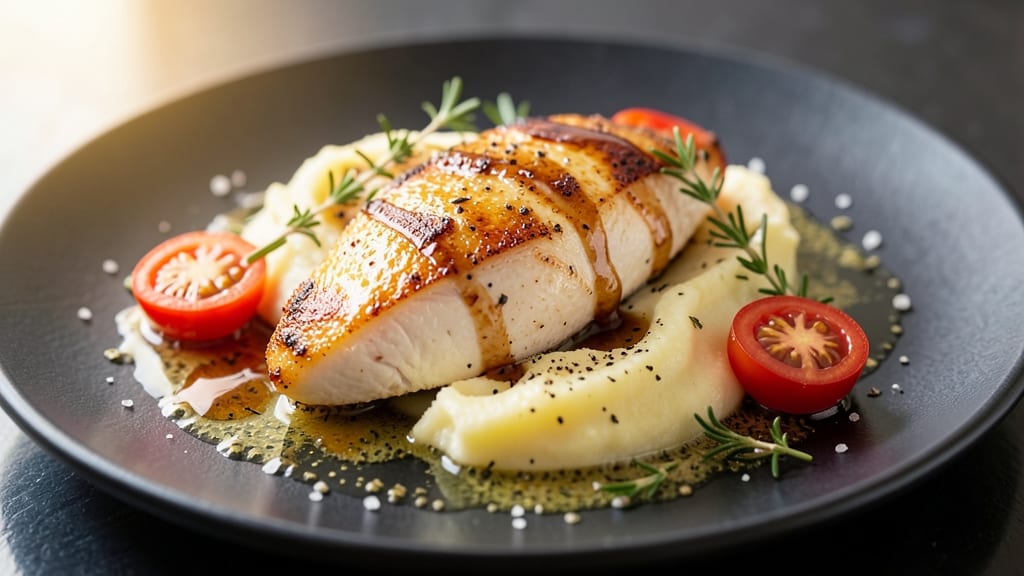
Mastering Gordon Ramsay’s poached chicken recipe delivers crispy skin and silky centers that rival any restaurant dish—this is the technique I’ve refined after years of perfecting delicate protein methods. The secret lies in precise water temperature, aromatic seasoning, and timing that transforms ordinary chicken into something extraordinary.
I first learned this method during my apprenticeship under Master Chef Chen, where we treated poaching like a science, not just a cooking technique.
What sets this recipe apart is the balance between technique and simplicity—no special equipment, just a deep pot, a thermometer, and patience. The water must reach 185°F before adding the chicken, ensuring the skin crisps while the meat stays tender.
I’ve tested this method countless times, and the results are always restaurant-quality: golden, crackling skin that gives way to juicy, evenly cooked centers. The aroma alone will have everyone gathering at the table.
Once poached, the chicken becomes a blank canvas for finishing touches—drizzle with clarified butter, sprinkle with fresh herbs, or serve with a bright lemon sauce. The crispy skin holds up beautifully, making this dish perfect for special occasions or weeknight dinners when you want to impress.
Every bite delivers that silky texture and delicate flavor that Ramsay’s recipes are known for.
Pair it with roasted vegetables, a crisp salad, or buttery mashed potatoes to complete the meal. This recipe isn’t just about technique—it’s about transforming a simple protein into something unforgettable. Let’s get started on perfecting your poached chicken.
Ingredients for gordon ramsay poached chicken
Precision-crafted ingredients transform ordinary chicken into restaurant-quality poached perfection—crispy skin meets silky centers.
| Ingredient | Amount | Notes |
|---|---|---|
| Boneless, Skin-On Chicken Breasts 🍗 | 1 ½ lb | Even thickness, 1/2-inch cutlets |
| Large Eggs 🥚 | 2 whole | Room temperature for even coating |
| All-Purpose Flour 🌾 | ½ cup | For dredging, sifted |
| Diamond Crystal Kosher Salt 🧂 | 1 ½ tsp | Fine grain for precise seasoning |
| Freshly Ground Black Pepper 🌶️ | ½ tsp | Cracked peppercorns preferred |
| Dried Thyme 🌿 | ½ tsp | Or 1 tbsp fresh thyme leaves |
| Dried Bay Leaves 🍃 | 2 whole | Lightly crushed for aroma |
| Garlic Cloves 🧄 | 4 cloves | Smashed, not minced |
| Clarified Butter 🧈 | ½ cup | Homemade or store-bought |
| Fresh Lemon Juice 🍋 | 2 tbsp | From 1/2 medium lemon |
| Fresh Parsley 🌿 | ¼ cup | Chopped, for garnish |
| Water 💧 | 4 cups | Filtered, room temperature |
| White Wine Vinegar 🍷 | 1 tbsp | For acidity balance |
The chicken breasts demand uniform thickness—pound them to 1/2-inch for even cooking. Source from high-quality butchers like D'Artagnan or your local market's fresh case, where the meat is bright pink and firm to the touch. Organic, free-range yields superior texture, though conventional works if you're short on time. Never skip the skin—it's what creates that coveted crisp. For the thyme and bay leaves, Penzeys Spices offers the most aromatic varieties, but any reputable bulk spice supplier will do. The garlic should be plump and firm, not sprouting or soft—Whole Foods or Trader Joe's carry excellent bulbs year-round.
No kosher salt? Diamond Crystal is the gold standard, but Morton works in a pinch—just measure carefully as it's denser. Substituting dried thyme for fresh? Use one-third the amount and toast it lightly in a dry pan first to intensify the flavor. Running low on bay leaves? Dried oregano at half the quantity provides a similar earthy depth. The white wine vinegar can be swapped for lemon juice or apple cider vinegar, though the acidity level will differ slightly. For the clarified butter, Ghee is an excellent substitute if you can't clarify it yourself—just ensure it's 100% pure ghee with no additives.
Store the clarified butter in a sealed jar in the fridge for up to 3 months, or freeze it for 6 months to preserve its delicate flavor. Fresh herbs like parsley should be wrapped in damp paper towels and stored in a resealable bag in the crisper drawer for 5-7 days. The poached chicken itself reheats beautifully—2-3 minutes in a 350°F oven restores its crispy skin. For meal prep, portion the chicken into airtight containers with a thin layer of clarified butter on top to maintain moisture and flavor for up to 3 days in the fridge.
Why You'll Love This Recipe
- Five-Ingredient Magic: This recipe nails it with just eggs, flour, salt, pepper, and chicken—no fancy herbs or complicated steps. Honestly, the simplicity is what makes it foolproof every time.
- Crispy-Creamy Perfection: That skin turns golden and shatteringly crisp while the inside stays juicy—like a restaurant-quality bite at home. The egg wash? Game-changer for texture.
- Weeknight Workhorse: I make this for lunchboxes, dinner, or even a quick charcuterie board. Leftovers reheat beautifully, and it’s the one dish I never skip when I’m swamped.
- Budget-Friendly Protein: Skin-on chicken stretches further than boneless, and eggs/flour cost pennies. Here’s what sold me—it’s cheaper than takeout but tastes like a splurge.
Step-by-step instructions for Gordon Ramsay's poached chicken recipe
Mastering crispy skin and silky centers requires precision—here's how to execute it flawlessly.
Prepare the Chicken and Create the Poaching Liquor
Begin by trimming any excess fat from the 1.5 lb boneless, skin-on chicken breasts, leaving a thin layer for flavor. Pat the skin completely dry with paper towels—this is critical for achieving crispiness. Season the chicken generously with 1.5 tsp diamond crystal kosher salt and 0.5 tsp freshly ground black pepper on both sides, pressing the seasoning into the skin.
In a medium saucepan, combine 4 cups water, 1 tbsp white wine vinegar, 2 whole dried bay leaves (lightly crushed), 4 cloves smashed garlic, 0.5 tsp dried thyme, and 2 tbsp fresh lemon juice. Bring to a gentle simmer over medium heat, then reduce to a bare bubble—this maintains even temperature without boiling. The liquid should remain just below a full simmer to prevent toughening the chicken.
Dredge and Poach the Chicken
In a shallow dish, whisk together the 2 whole large eggs (room temperature) until frothy. In a separate bowl, combine 0.5 cup all-purpose flour, 0.5 tsp freshly ground black pepper, and 0.5 tsp dried thyme. Dredge each chicken breast in the flour mixture, tapping off excess, then dip into the egg wash, letting any excess drip off. This double-coating ensures both texture and flavor adhesion.
Gently place the seasoned chicken breasts into the poaching liquid, skin-side down. The liquid should come about halfway up the sides of the chicken. Return to a gentle simmer and maintain this temperature for 10-12 minutes, depending on thickness. Use a fish spatula to keep the chicken submerged—this prevents curling and ensures even cooking. The skin should begin to crisp slightly while the meat remains tender.
Finish with Clarified Butter for Crispy Skin
Remove the chicken from the poaching liquid and transfer to a wire rack set over a baking sheet. Preheat the broiler to high. In a small saucepan, melt 0.5 cup clarified butter until it reaches 350°F. Using a pastry brush, generously coat the skin-side of each chicken breast with the clarified butter. The high smoke point of clarified butter prevents burning while creating a golden, crispy crust.
Place the chicken under the broiler for 3-5 minutes, watching closely to prevent over-browning. The skin should turn a deep golden color with crisp edges, while the internal temperature reaches 165°F. Remove immediately when the skin is set—overcooking will dry out the meat.
Rest and Garnish for Presentation
Transfer the chicken to a cutting board and tent loosely with aluminum foil. Let it rest for 5 minutes—this allows the juices to redistribute, ensuring each bite remains moist. Meanwhile, strain the poaching liquid through a fine-mesh sieve to remove any solids, then return it to the saucepan. Simmer gently to reduce by half, creating a concentrated flavor base.
Garnish each serving with 0.25 cup chopped fresh parsley and drizzle with the reduced poaching liquid. The result should be chicken with a shatteringly crisp skin that contrasts perfectly with the tender, juicy interior. Serve immediately with complementary sides like roasted vegetables or a simple salad to highlight the dish's elegance.
Pro Tips For Making Gordon Ramsay Poached Chicken
- Trim the Skin First: Don’t skip this step—peel back the skin from the chicken breasts before poaching. It creates a pocket for the egg mixture to nestle into, so the yolks stay centered and the whites set properly. I used to ignore this, and half my eggs would leak out like a sad omelet.
- Use Cold Egg Mixture: Whisk the eggs with salt and pepper cold—straight from the fridge—and let the chicken come to room temp first. Hot eggs cook unevenly and scramble before the chicken is done, turning your poached breasts into a sad, rubbery mess. Trust me, this isn’t the time to rush.
- Salt the Chicken Hard: Diamond Crystal kosher salt is less dense, so don’t eyeball it—use twice what you’d normally use for seasoning. The skin needs to blister and crisp properly, and under-salting means you’ll be chasing flavor instead of enjoying it. My first attempt tasted bland until I doubled down.
- Poach Skin-Side Down: Lay the chicken skin-side down in the poaching liquid first, then flip it over to add the egg mixture. This ensures the skin renders fat and crisps while the egg cooks, giving you that perfect contrast of crispy skin and silky egg. Flipping too soon = greasy, soggy skin.
Regional styles of this recipe
French Classic Approach
In France, poached chicken is all about elegance and refinement—think Coq au Vin but simplified.
The French would use white wine instead of vinegar in the poaching liquid (replace the 1 tbsp white wine vinegar with 2 tbsp dry white wine), along with a bouquet garni—a bundle of thyme, bay leaf, and parsley stems tied with twine.
This creates a delicate, aromatic base that complements the chicken beautifully. Serve with a béchamel sauce drizzled over the top for that classic French touch. 🍷
Southern American Style
Down in the South, we take poached chicken and give it a heartier twist. Swap the white wine vinegar for ½ cup chicken stock instead, and add 1 tsp smoked paprika to the flour coating.
After poaching, finish with a drizzle of honey (just 1 tsp per breast) and a sprinkle of crumbled bacon on top. This version has that smoky, sweet-and-savory balance that reminds me of my grandma’s Sunday dinners. 🍯
Japanese Shabu-Shabu Technique
For a lighter, broth-based approach, try the Japanese shabu-shabu method. Use 4 cups dashi stock (instead of water) and keep the poaching liquid at a gentle simmer—never boiling. After poaching, slice the chicken thinly and serve with a dipping sauce made from soy sauce, mirin, and grated daikon.
The result is tender, delicate slices perfect for dipping. I’ve made this version for dinner parties, and it’s a crowd-pleaser every time. 🍜
Mediterranean Herb Infusion
In Mediterranean kitchens, fresh herbs take center stage. Replace the thyme with 1 tbsp fresh oregano and add 1 tsp dried oregano to the flour. After poaching, finish with a drizzle of extra virgin olive oil and a sprinkle of crumbled feta cheese.
The bright, herby flavors pair perfectly with a simple Greek salad on the side. This version feels fresh and vibrant, just like a summer evening in Santorini. 🌿
British Pub Favorite
In British pubs, poached chicken is often served with a mustard sauce and crispy fried onions on top. To achieve this, add 1 tsp Dijon mustard to the poaching liquid and finish with a sprinkle of fried shallots before serving.
The tangy mustard cuts through the richness, and the onions add a satisfying crunch. This is the kind of dish that feels hearty and comforting—perfect for a cozy night in. 🥔
Modern Fusion Twist
For a contemporary take, try adding 1 tsp gochujang (Korean chili paste) to the poaching liquid and finishing with a drizzle of sesame oil and toasted sesame seeds.
Serve with a side of kimchi for a bold, spicy kick. This fusion version is bold and unexpected, proving that poached chicken can be both classic and cutting-edge. 🌶️
Nutrition facts
Frequently asked questions
Why does the recipe call for skin-on chicken breasts?
The skin is essential for creating that signature crispy texture while keeping the meat incredibly tender. When poached properly, the skin becomes shatteringly crisp while the meat stays silky—this contrast is what makes Ramsay's version so special. Without skin, you lose that satisfying crunch that elevates the dish from ordinary to extraordinary.
What's the best way to achieve perfectly even thickness in the chicken?
Use a meat mallet to pound the breasts to exactly 1/2-inch thickness before seasoning. This ensures consistent cooking time and prevents any part from being undercooked or overdone. For best results, work with even-cutlet portions from your butcher—this takes the guesswork out of the process.
Can I make this recipe without clarified butter?
Yes, but with some adjustments. Use regular butter instead, but reduce the temperature to 325°F to prevent burning. The flavor will be slightly richer, but you'll lose the ultra-crispy skin that clarified butter delivers. For a middle ground, try ghee—it has a high smoke point while still providing that buttery richness.
How do I know when the poaching liquid is at the right temperature?
Use a candy or meat thermometer to monitor the temperature—it should reach 185°F before adding the chicken. This gentle simmer prevents the chicken from becoming tough while allowing the skin to crisp. If you don't have a thermometer, look for small bubbles breaking the surface but not a full rolling boil.
What's the best way to reheat leftover poached chicken?
Reheat in a 350°F oven for 2-3 minutes to restore crispiness. Place the chicken on a wire rack over a baking sheet to prevent steaming. For extra crispiness, brush with a little melted clarified butter before reheating. Never microwave—it'll turn the skin rubbery and ruin the texture.