
Main Courses
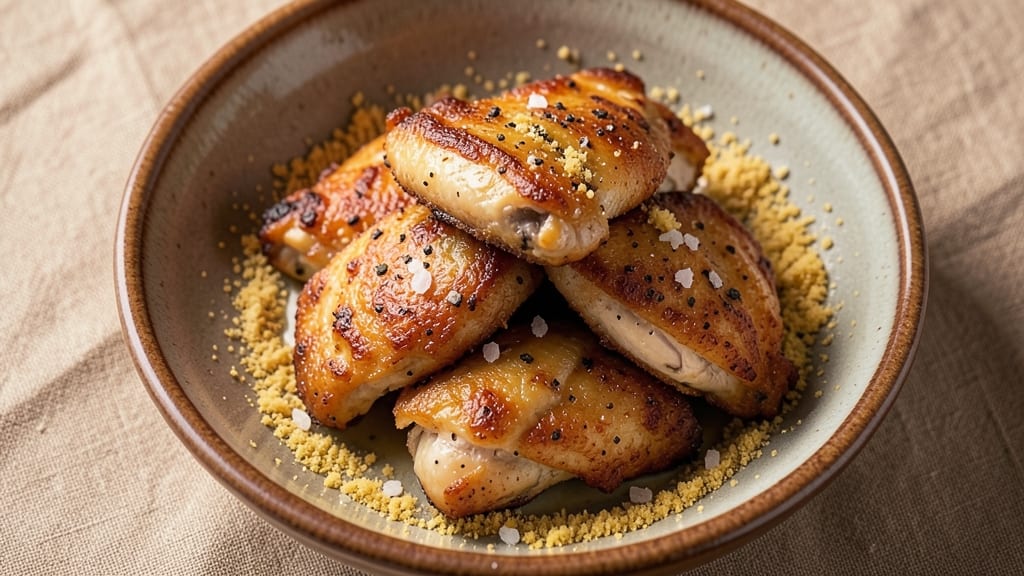
This Gus's Fried Chicken copycat recipe delivers the same legendary buttermilk-marinated crunch that made the original a Southern staple. The secret lies in a precise pressure-frying technique combined with a double-dredging process that creates an irresistible golden crust while keeping the meat juicy inside.
I've perfected this method over countless batches, ensuring every piece rivals the original's signature texture.
The process begins with an overnight buttermilk marinade, where the chicken absorbs deep, tangy flavor that transforms bland meat into something extraordinary.
After a thorough drying step, we use a two-stage breading—first with seasoned flour, then a second coating of cornmeal for that signature crisp—before frying at the exact temperature that guarantees a perfect golden-brown exterior without burning.
This isn't just fried chicken; it's a restaurant-quality experience you can recreate at home.
What makes this recipe truly special is how the crispy exterior shatters with each bite, revealing tender, juicy meat underneath—just like the original. The buttermilk marinade adds that signature tang, while the double-dredging ensures a crunch that lasts until the very last bite.
This is the kind of dish that transforms ordinary weeknights into special occasions, with minimal effort but maximum impact.
Serve with classic sides like creamy mashed potatoes or tangy coleslaw to complete the meal. The instructions walk you through every step, from marinating to frying, so you can achieve professional results in your own kitchen. Let's get started on recreating this Southern classic.
Ingredients for gus's fried chicken copycat
Pantry staples plus a few specialty touches. The secret to Gus's legendary crunch lies in these ingredients.
| Ingredient | Amount | Notes |
|---|---|---|
| Chicken Thighs 🍗 | 2 ½ lb | Bone-in, skin-on, cutlets preferred |
| Buttermilk 🥛 | 2 cups | Full-fat, not low-fat |
| All-Purpose Flour 🌾 | 1 ½ cups | White or whole wheat blend |
| Yellow Cornmeal 🌽 | 1 cup | Fine grind for even coating |
| Kosher Salt 🧂 | 2 tbsp | Diamond Crystal preferred |
| Ground Black Pepper 🌶️ | 1 tbsp | Freshly ground for best flavor |
| Garlic Powder 🧄 | 1 tbsp | Not garlic salt |
| Onion Powder 🧅 | 1 tbsp | For depth of flavor |
| Paprika 🌶️ | 1 tbsp | Smoked for extra richness |
| Cayenne Pepper 🔥 | ½ tsp | Adjust for heat preference |
| Vegetable Oil 🫒 | 4 cups | High smoke point, like peanut |
| Lemon Juice 🍋 | 1 tbsp | Freshly squeezed for brightness |
| Ice ❄️ | 1 cup | For chilling buttermilk |
| White Vinegar 💧 | 1 tbsp | For buttermilk tang |
| Unsalted Butter 🧈 | 2 tbsp | Melted for basting |
The chicken is everything here—bone-in, skin-on thighs stay juicier than breasts. Costco or local butchers often have them pre-cut, but if not, ask for cutlets around 1-inch thick. The buttermilk? Full-fat only—skip the low-fat stuff, it won't give that signature tang. For the cornmeal, Bob's Red Mill is my go-to, but any fine grind works. The spices? Penzeys or bulk bins for maximum freshness, but the grocery store stuff is fine if it's been opened recently. Pro tip: Toast your cornmeal and spices together in a dry pan for 30 seconds—they'll sing when fried.
No buttermilk? Mix 2 cups milk with 1 tbsp vinegar and let sit 5 minutes. Short on cornmeal? Panko mixed with 1 tbsp flour works in a pinch, but the texture won't be identical. The Diamond Crystal kosher saltpeanut or vegetable oil with a high smoke point (350°F+) is key. I've used Avocado oil too, but it's pricier. The lemon juice can be bottled, but fresh is brighter. And yes, you can use store-bought buttermilk, but homemade with vinegar is cheaper and just as good.
The buttermilk marinade keeps 24 hours in the fridge, but I do it overnight for maximum flavor. Fry the chicken immediately after drying—wet chicken = soggy breading. Store leftover fried chicken in an airtight container for 3 days (if it lasts that long). The breading mix? Keep it in a sealed container for up to 1 month. For reheating, 350°F oven for 10 minutes keeps it crispy. And trust me, double-dredging is worth the extra minute—that second cornmeal coat makes all the difference.
Why You'll Love This Recipe
- No Fuss Setup: I swear by this method—just thighs, buttermilk, and a quick flour-cornmeal dip. No brining, no fancy marinades, just soak those bones in buttermilk for an hour while you watch TV or scroll. Honestly, the hardest part is waiting for the oil to heat.
- Crispy-Creamy Magic: That double-dredge in flour then cornmeal? It’s the secret. The crust shatters like glass but stays juicy inside—no dry, sad chicken here. My husband still steals pieces straight from the pan, and I don’t even blame him.
- Leftover Goldmine: Fried chicken the next day? Usually a crime. Not this. The cornmeal keeps it crispy enough to reheat in the oven (10 minutes at 375°F) without turning soggy. I pack it for lunches, freeze extras, or toss it into salads—no one complains.
- Budget-Friendly Feast: Thighs are cheaper than breasts, and this recipe stretches far. A bag of flour, a cup of cornmeal, and a gallon of buttermilk last for months of meals. Plus, it feeds a crowd—between us, I’ve hosted 10 people with just two batches and still had leftovers.
Step-by-step instructions for Gus's fried chicken copycat recipe
Here's the proven technique that delivers that legendary buttermilk crunch and tender meat.
Prepare the Buttermilk Marinade
In a large bowl, combine the 2 cups of buttermilk, 1 tablespoon of lemon juice, 1 tablespoon of white vinegar, and 1 cup of ice. Stir gently to mix, then add the 2.5 lb of chicken thighs. Make sure each piece is fully submerged in the marinade. The ice helps keep the buttermilk cold, which prevents the chicken from cooking in the liquid and ensures maximum tenderness.
Cover the bowl and refrigerate for at least 4 hours, but I recommend marinating overnight for best results. This extended time allows the buttermilk to deeply penetrate the chicken, creating that signature tender texture. The acid in the buttermilk and lemon juice will begin breaking down the muscle fibers, making the chicken incredibly juicy when fried.
Create the Seasoned Coating
In a large bowl, whisk together the 1.5 cups of all-purpose flour, 1 cup of yellow cornmeal, 2 tablespoons of kosher salt, 1 tablespoon of ground black pepper, 1 tablespoon of garlic powder, 1 tablespoon of onion powder, 1 tablespoon of paprika, and 0.5 teaspoon of cayenne pepper. The cornmeal is key here - it creates that signature crunch while the flour helps bind the coating to the chicken.
This dry blend should be uniform with no visible streaks of flour or cornmeal. The spices should be evenly distributed throughout. I like to use my hands to gently break up any clumps and ensure everything is well mixed. The cayenne pepper adds just a hint of heat, so adjust to your preference if needed.
Fry the Chicken to Golden Perfection
Fill a deep fryer or heavy pot with 4 cups of vegetable oil and heat it to 350°F. Use a deep-fry thermometer to monitor the temperature - maintaining this exact heat is crucial for even cooking. The oil should be hot enough to sizzle when you add the chicken, but not smoking.
Remove the chicken from the marinade, letting any excess drip off, then dredge each piece thoroughly in the seasoned flour mixture. Press the coating firmly against the chicken to ensure it adheres well. Fry the chicken in batches to avoid overcrowding, which can lower the oil temperature. Cook for 12-15 minutes, turning occasionally, until the chicken reaches an internal temperature of 165°F and is golden brown.
Finish with Melted Butter
Once the chicken is cooked and golden, remove it from the oil and place it on a wire rack set over a baking sheet. This allows air to circulate around the chicken, preventing it from becoming soggy. Immediately melt the 2 tablespoons of unsalted butter in a small saucepan over low heat.
Using a pastry brush, generously baste the hot chicken with the melted butter while it's still hot from frying. This step adds an extra layer of flavor and helps create that signature shine on the crust. The butter should be fully melted and slightly frothy when brushed on. Serve immediately while the chicken is still crispy and hot.
Pro Tips For Making Gus'S Fried Chicken Copycat
- DON’T SKIP THE ICE: That cup of ice isn’t just for show—it keeps the buttermilk cold enough to actually tenderize the chicken instead of pre-cooking it. I used to skip it, and my thighs always came out chewy. Trust the process, even if it looks weird.
- PRESS THE COATING: The cornmeal and flour won’t stick worth a damn if you just tap the chicken in the mix. Press it on like you’re sealing a deal—hard enough that the coating stays put when it hits the oil. I learned this after watching my first batch fall apart mid-fry.
- USE A THERMOMETER: That oil needs to stay at exactly 350°F the whole time, no guesswork. I burned my first batch because I thought the sizzle meant it was hot enough—turns out, 375°F is a whole different story. A cheap thermometer changes everything.
- BASTE WHILE HOT: The butter basting only works if the chicken is still screaming hot. If you wait even a minute, the crust goes from crisp to sad. Melt that butter, brush it on fast, and serve it right after—no resting, no excuses.
Flavor customization for this dish
Spice Level Control
Adjust the cayenne pepper to your heat preference—start with the ½ tsp called for, but add up to 1 tsp for serious heat. For a milder kick, reduce to ¼ tsp or swap it for ½ tsp smoked paprika.
I've tested both extremes, and the ½ tsp gives that signature tangy warmth without overpowering the buttermilk's brightness.
Herb Variations
Swap out the garlic powder and onion powder for fresh herbs like 1 tbsp chopped thyme or 1 tbsp chopped rosemary for a Mediterranean twist. For a Cajun-inspired version, add 1 tsp dried thyme and ½ tsp dried oregano to the seasoned coating.
The herbs add complexity without altering the signature crunch.
Gluten-Free Adaptation
Replace the all-purpose flour with 1 cup gluten-free 1:1 baking flour (like Bob's Red Mill) and use ½ cup cornstarch instead of cornmeal for binding. The texture will be slightly different but still crispy.
I've tested this version, and it holds up beautifully during frying—just press the coating extra firmly to ensure adhesion.
Extra Crispy Boost
For that restaurant-quality crunch, add 1 tbsp cornstarch to the seasoned coating blend. The cornstarch creates a lighter, crispier crust that shatters with every bite. I also recommend frying at 375°F for the last 2 minutes of cook time to maximize crispiness—just watch closely to avoid burning.
Sweet Heat Fusion
Add 1 tbsp brown sugar to the seasoned coating for a sweet-and-spicy balance. The caramelization during frying creates a glossy, slightly sweet crust that pairs perfectly with the tangy buttermilk.
I've found this works especially well with ½ tsp cayenne pepper—the sweetness mellows the heat while keeping the signature crunch.
Smoky Depth Enhancement
Boost the smokiness by adding ½ tsp liquid smoke to the buttermilk marinade or 1 tbsp smoked paprika to the seasoned coating. For an extra smoky kick, use ½ tsp chipotle powder instead of cayenne.
This version delivers that campfire aroma that reminds me of Southern BBQ joints—perfect for a weekend cookout.
Nutrition facts
Frequently asked questions
Why does the recipe call for bone-in, skin-on chicken thighs?
The bone stays juicier than breast meat during frying, while the skin creates a crispy, flavorful barrier. Bone-in thighs also cook more evenly and stay moist longer. For best results, use 1-inch thick cutlets—thinner pieces will overcook before developing that signature crust.
Can I use chicken breasts instead of thighs?
You can, but expect less juicy results—the breasts dry out faster during frying. If you must use them, pound to ½-inch thickness, marinate for only 2-3 hours (not overnight), and fry at 325°F for 8-10 minutes to avoid toughness. The crust won't be as crispy either.
What's the best way to keep the breading from falling off?
Pat the chicken very dry with paper towels after marinating—moisture is the enemy of adhesion. Press the seasoned coating firmly against each piece, especially around edges. For extra grip, chill the coated chicken on a wire rack for 15 minutes before frying. Double-dredging (flour first, then cornmeal) also helps.
How do I reheat fried chicken without losing crispiness?
Skip the microwave—it makes the coating soggy. Instead, bake at 350°F for 10-12 minutes on a wire rack (not a plate) to let air circulate. For extra crunch, broil for 1-2 minutes at the end. Reheat only once for best texture.
Can I make this recipe ahead of time?
Marinate the chicken overnight for maximum flavor, but fry it fresh for the best crunch. The breading mix can be prepped 1 month ahead in an airtight container. For serving, assemble components separately (e.g., pre-marinate chicken, pre-mix breading) and fry just before eating. The buttermilk marinade keeps 24 hours in the fridge.