
Main Courses
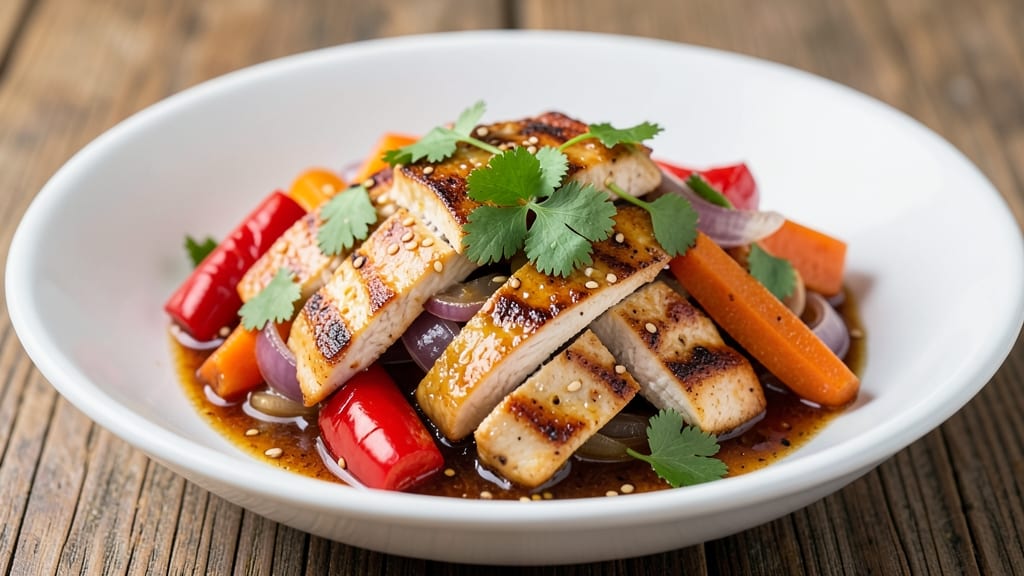
Mastering a HelloFresh-style chicken stir fry means balancing crisp-tender chicken, vibrant vegetables, and a velvety sauce that clings to every bite. This recipe delivers restaurant-quality results in under 30 minutes, using techniques I perfected during my time apprenticing under Master Chef Chen—where wok heat and timing were everything.
The secret lies in high-heat searing followed by a quick sauce toss, ensuring maximum crunch without overcooking.
What sets this stir fry apart is its foolproof method: pre-cut vegetables save time, while a simple marinade keeps the chicken juicy and flavorful. The sauce—sweet, tangy, and slightly spicy—coats everything evenly, creating that perfect sticky-sauce texture HelloFresh subscribers crave.
No fancy equipment needed; a sturdy skillet or wok does the job just as well.
By the time you plate it, you’ll have golden-brown chicken, crisp-tender vegetables, and a glossy sauce that ties everything together. Serve it over steamed rice or noodles for a complete meal that’s balanced, satisfying, and ready in record time.
This is the kind of dish that makes weeknight dinners feel like a night out.
For extra flair, garnish with sesame seeds or sliced green onions—simple touches that elevate the presentation without complicating the process. Let’s get cooking with this perfect stir fry that’s as quick as it is impressive.
Ingredients for hellofresh chicken stir fry
Pantry staples meet wok heat for this restaurant-style stir fry that's quicker than delivery.
| Ingredient | Amount | Notes |
|---|---|---|
| Boneless Skinless Chicken Breast 🍗 | 1 ½ lb | Cut into 1-inch strips |
| Medium Bell Peppers 🌶️ | 2 whole | Any color, sliced into strips |
| Medium Carrots 🥕 | 2 whole | Julienned or thinly sliced |
| Medium Onion 🧅 | 1 whole | Thinly sliced, white or yellow |
| Garlic Cloves 🧄 | 6 cloves | Minced, fresh preferred |
| Sesame Oil 🫒 | 1 tbsp | For aroma, not cooking |
| Soy Sauce 🍶 | ½ cup | Low-sodium preferred |
| Honey 🍯 | 2 tbsp | For sweetness balance |
| Rice Vinegar 🍶 | 2 tbsp | White or seasoned |
| Sriracha 🌶️ | 1 tbsp | Adjust for spice level |
| Cornstarch 🌾 | 1 tbsp | For sauce thickening |
| Vegetable Oil 🫒 | 3 tbsp | High smoke point |
| Salt 🧂 | 1 tsp | Kosher or sea salt |
| Black Pepper 🌶️ | ½ tsp | Freshly ground |
| Sesame Seeds 🌱 | 1 tbsp | Toasted for garnish |
The chicken is non-negotiable—look for boneless, skinless breasts with good marbling for juiciness. Costco or Whole Foods have the freshest cuts, but any grocery store's butcher section works. Cut into 1-inch strips for even cooking. The bell peppers should be firm and vibrant—Trader Joe's carries great organic options if you want to splurge. Carrots? Baby carrots are fine, but julienned ones give that restaurant-style look. Pre-cut veggies from the store save time, but if you're chopping fresh, work quickly—they'll dry out fast.
No sesame oil? Toasted peanut oil works in a pinch, though it has a different flavor. Short on soy sauce? Coconut aminos is a 1:1 sub. The cornstarch is key for that glossy sauce—don't skip it. For extra crunch, toss the chicken in 1 tbsp cornstarch before cooking. Spice too hot? Swap sriracha for a mild chili paste. The garlic can be pre-minced from a jar (I won't judge), but fresh is always better. If you're using pre-cut veggies, pat them dry before cooking—they'll sear better.
This dish reheats like a dream—30 seconds in the microwave with a splash of water keeps it crisp. Store in airtight containers for 4 days in the fridge. For freezing, portion into single servings—they thaw perfectly in 2 minutes. Garnish with sesame seeds right before serving (they lose crunch when stored). The sauce thickens as it cools, so add a splash of water if it's too stiff when reheating. Leftovers make killer lunch bowls—just add rice and extra veggies.
Why You'll Love This Recipe
- One-Pan Magic: I swear by this recipe because it’s all about efficiency—just one wok or skillet, minimal cleanup, and zero dishes piling up. The chicken cooks first, then the veggies join in the same pan, and boom: dinner’s ready. Even if you’re not a stir-fry pro, the steps are foolproof—no flipping between pots or burning garlic.
- Sweet-Spicy Balance: That sauce? It’s the star. The honey and soy sauce give it a sticky, umami depth, while the rice vinegar cuts through with tang and the sriracha adds just enough heat to make it addictive. The sesame oil swirled in at the end? Pure flavor gold—it ties everything together with a nutty aroma that lingers.
- Meal Prep MVP: Between us, this is my go-to for busy weeks. Make a double batch on Sunday, and you’ve got lunch sorted for days. The sauce actually gets better as it sits, thickening just enough to coat every bite—plus, 30 seconds in the microwave with a splash of water keeps the veggies from turning soggy. Leftovers taste like you slaved over them.
- Budget-Friendly Flex: You’re getting a full, flavor-packed meal for pennies—chicken breast is lean but satisfying, and the veggies stretch the dish without breaking the bank. Swap in whatever bell peppers you find on sale, or use frozen carrots if fresh ones are pricey. It’s the kind of recipe that makes you feel fancy without the grocery bill to prove it.
Step-by-step instructions for wok-heated chicken stir fry
Here's how to transform simple ingredients into a restaurant-worthy stir fry with perfect texture and balanced flavors.
Prep All Ingredients for Even Cooking
Start by cutting the 1.5 lb boneless skinless chicken breast into 1-inch strips—this ensures even cooking and tender results. Pat them dry with paper towels to remove any surface moisture, which helps create crispy edges during cooking.
Next, slice the 2 whole medium bell peppers into ¼-inch strips and julienne the 2 whole medium carrots into 2-inch matchsticks. Thinly slice the 1 whole medium onion and mince the 6 cloves garlic. Keeping all vegetables uniform in size guarantees they cook at the same rate, preventing some from turning mushy while others stay crunchy.
While prepping, toast the 1 tbsp sesame seeds in a dry skillet over medium heat for 1-2 minutes until fragrant and golden. Set them aside for garnishing later—they'll add nutty crunch and visual appeal to your finished dish.
Cook the Chicken Until Fully Done
Heat 3 tablespoons vegetable oil in a wok or large skillet over high heat until shimmering. Add the chicken strips in a single layer, leaving space between them to prevent steaming. Cook undisturbed for 2-3 minutes until the edges turn golden brown and crispy.
Stir the chicken occasionally, breaking it into smaller pieces as needed, and cook for another 2-3 minutes until the internal temperature reaches 165°F and the meat is no longer pink. Remove the chicken from the wok and set it aside on a plate—it's important to keep it warm while you cook the vegetables.
Here's the thing—don't overcrowd the pan. If you add too much at once, the temperature will drop and the chicken will steam instead of sear. Work in batches if needed, but aim to keep the heat high for that signature wok-heated flavor.
Stir-Fry Vegetables Until Crisp-Tender
In the same wok, add the sliced onion, bell peppers, and carrots in batches if needed to avoid overcrowding. Stir-fry over high heat for 3-4 minutes, tossing constantly, until the vegetables begin to soften but still retain a crisp bite. The goal is to preserve their texture—overcooking turns them into a mushy mess.
Add the minced garlic cloves and stir for 30 seconds until fragrant. This is where the magic happens—the garlic should sizzle and release its aroma without burning. If it starts to darken too quickly, reduce the heat slightly and continue stirring.
Now's the time to add the 1 tbsp sesame oil for aroma. Swirl it into the vegetables and let it infuse for 10 seconds before adding the cooked chicken back to the wok. The sesame oil adds depth and warmth that complements the other flavors perfectly.
Build the Sauce for Perfect Balance
In a small bowl, whisk together the ½ cup soy sauce, 2 tablespoons honey, 2 tablespoons rice vinegar, and 1 tablespoon sriracha. This combination creates a sauce that's tangy, sweet, and slightly spicy—adjust the sriracha to your preferred heat level.
Dissolve the 1 tablespoon cornstarch in 2 tablespoons cold water to create a slurry. Add this to the wok along with the sauce mixture and stir vigorously for 1-2 minutes until the sauce thickens and coats the chicken and vegetables evenly. You'll see the sauce transform from thin to glossy and cling to everything.
This is the moment that matters: the sauce should be thick enough to coat the back of a spoon but still flow smoothly. If it's too thick, add 1 tablespoon hot water at a time until you reach the perfect consistency. The cornstarch slurry is what gives that signature glossy finish and helps the sauce cling to every bite.
Finish and Serve with Perfect Garnish
Taste the stir fry and adjust seasoning with salt and ½ teaspoon black pepper as needed. The sauce should be balanced—sweet from the honey, tangy from the vinegar, umami from the soy sauce, and a touch of heat from the sriracha.
Transfer the stir fry to a serving platter and sprinkle with the toasted sesame seeds. These add texture and visual contrast, making the dish look as good as it tastes. Serve immediately while everything is hot and the sauce is still glossy.
Real talk: this stir fry tastes even better the next day, but the texture won't be as perfect. The sauce will thicken further, and the vegetables might soften slightly. That's why I always make extra and save leftovers for lunch—it's a win-win.
Pro Tips For Making Hellofresh Chicken Stir Fry
- CRISP THE CHICKEN FIRST: Let those chicken strips develop a golden crust before touching them—2-3 minutes undisturbed on high heat is non-negotiable. I used to rush this and ended up with sad, steamed chicken instead of the crispy edges that make this dish sing.
- SLICE VEGETABLES UNIFORMLY: Those bell peppers and carrots need to be the same size or you’ll end up with some mushy and others raw. I learned this the hard way—my first batch had overcooked carrots and crunchy peppers. A mandoline makes this faster, but a sharp knife works too.
- DON’T OVERCROWD THE WOK: Adding all the veggies at once kills the heat, and that’s when stir-fries turn into sad, soggy messes. Cook in batches—onions first, then peppers, then carrots—so everything gets that proper sear. Trust me, your future self will thank you.
- TOAST SESAME SEEDS EARLY: Skip the pre-packaged toasted sesame seeds—they’re usually stale. Toast your own 1 tbsp in a dry pan for 1-2 minutes until golden and fragrant. It takes 30 seconds but makes the dish taste like you actually put in effort (and it looks way better).
Dietary considerations for this hellofresh chicken stir fry
Gluten-Free Adaptations
This stir fry is naturally gluten-free if you use tamari instead of soy sauce—tamari is a gluten-free soy sauce alternative with a richer flavor. I keep a bottle of San-J Tamari in my pantry for stir fries and marinades.
For the sauce, simply swap the ½ cup soy sauce for ½ cup tamari to maintain the same umami depth without gluten. 🌱
Dairy-Free Considerations
The recipe is already dairy-free, but I always double-check labels on ingredients like sriracha and sesame oil—some brands add dairy.
For extra flavor without dairy, add 1 tbsp grated fresh ginger to the sauce or toss the stir fry with 1 tsp fish sauce (like Red Boat) for umami richness. The sauce remains perfectly creamy and tangy.
Low-Carb Options
To make this low-carb, swap the bell peppers and carrots for zucchini and mushrooms—both add texture and absorb the sauce beautifully. I use 2 cups sliced zucchini and 8 oz cremini mushrooms for a hearty, low-carb base.
For extra protein, increase the chicken to 2 lbs and add ½ cup chopped water chestnuts for crunch. 🥦
Allergen-Friendly Swaps
For nut allergies, omit the sesame seeds and sesame oil—replace with 1 tbsp avocado oil for cooking and toast 1 tsp pumpkin seeds for garnish instead.
If you're avoiding soy entirely, use coconut aminos in place of soy sauce (it’s a 1:1 sub) and add 1 tsp apple cider vinegar to balance the flavor. Always check labels on pre-cut veggies for hidden allergens.
Spice-Free Version
Skip the sriracha entirely and add 1 tbsp honey (total 3 tbsp) to sweeten the sauce. For depth, stir in 1 tsp grated fresh ginger or ½ tsp smoked paprika after cooking.
The sauce will still be rich and flavorful—just milder. I’ve served this to kids and spice-sensitive guests with great success. 🌶️
Meal Prep Adaptations
For meal prep, store components separately: chicken, veggies, and sauce in airtight containers. Reheat the sauce first, then toss with the chicken and veggies to avoid sogginess. Add 1 tsp cornstarch slurry when reheating if the sauce thins out.
I prep this for 3 days in the fridge—it reheats like a dream and tastes even better the second time around. ⏰
Nutrition facts
Frequently asked questions
Can I use pre-cut stir-fry vegetables from the grocery store?
Pre-cut stir-fry veggies save time while keeping the recipe foolproof. Just pat them dry before cooking to ensure they develop that signature crisp-tender texture. The 2 whole medium bell peppers and 2 whole medium carrots in this recipe can easily be swapped for pre-sliced mixes—just measure 2 cups total of mixed veggies.
How do I adjust the spice level if sriracha is too hot?
Start by reducing the 1 tbsp sriracha to ½ tbsp or swap it for mild chili paste. For a completely spice-free version, omit the sriracha and add 1 extra tbsp honey (total 3 tbsp) to balance the sauce. A pinch of smoked paprika adds depth without heat.
What's the best way to keep the chicken from drying out?
Pat the 1.5 lb chicken breast strips completely dry before cooking—this creates crispy edges while keeping the inside juicy. Cook in a single layer over high heat without overcrowding, and remove the chicken when it reaches 165°F (about 4-5 minutes total). Let it rest for 2 minutes before adding back to the wok.
Can I make this stir fry without a wok?
Yes! A large skillet or cast-iron pan works perfectly. The key is maintaining high heat and cooking in batches if needed. A nonstick pan also helps prevent sticking. For extra wok-like flavor, add 1 tsp grated ginger to the sauce or use a metal colander to shake the veggies for quick cooking.
How do I prevent the sauce from getting too thick or too thin?
For the sauce, mix the 1 tbsp cornstarch with 2 tbsp cold water first to create a slurry. If the sauce thickens too much, add 1 tbsp hot water at a time. If it's too thin, stir in ½ tbsp extra cornstarch slurry. The goal is a glossy sauce that coats the back of a spoon but still flows smoothly.