
Main Courses
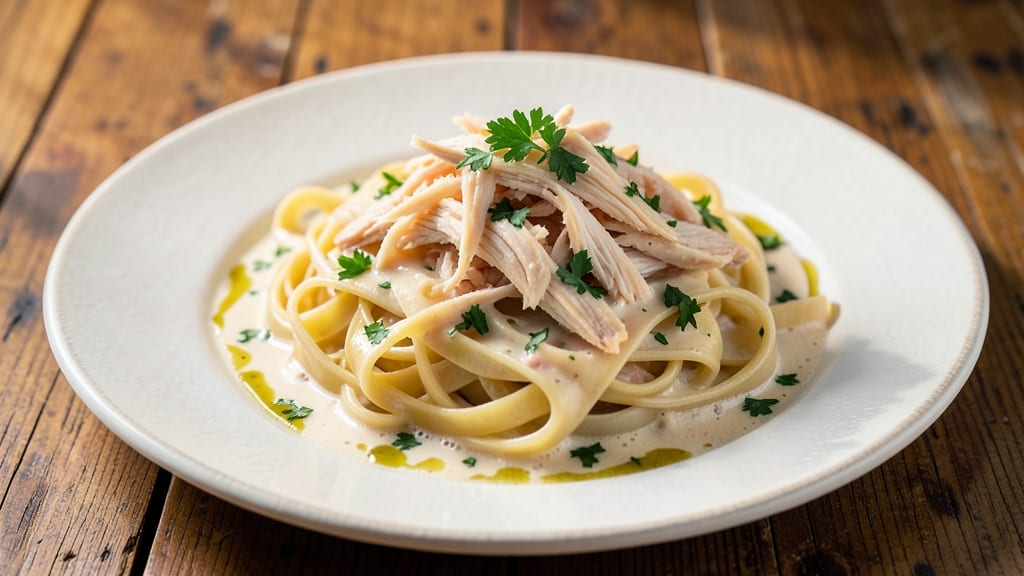
When you need a creamy pasta dish that comes together in less time than it takes to heat water, Kirkland Signature canned chicken transforms a pantry staple into restaurant-quality comfort food.
This recipe relies on just five ingredients—no chopping, no waiting, and zero fuss—while delivering velvety texture and rich flavor that feels indulgent. The secret lies in blending the chicken with cream cheese and broth until perfectly smooth, then folding it into cooked pasta for a sauce that clings effortlessly.
What makes this recipe truly remarkable is how it converts canned chicken from basic to extraordinary with minimal effort. The cream cheese provides that signature richness without requiring heavy cream, while the chicken's natural savoriness grounds the dish.
You'll achieve a sauce that's thick enough to coat every noodle but light enough to feel balanced, all while maintaining the convenience of a pantry shortcut. This is the kind of meal that proves quick cooking doesn't mean sacrificing quality.
By the time you're done, you'll have a creamy, satisfying pasta dish that's ready in under 20 minutes—ideal for busy weeknights when you still want something impressive. The texture is velvety and substantial, with each bite delivering tender chicken strands and a smooth, flavorful sauce that feels homemade.
Serve immediately with a sprinkle of fresh parsley and a side of garlic bread for the full comfort food experience.
This recipe works equally well as a weekday staple or a last-minute dinner solution. The beauty of using canned chicken is that it eliminates prep while still delivering protein-rich results.
For extra flavor, try adding a pinch of red pepper flakes or a dash of Italian seasoning to the sauce. Let's get started on this effortless yet impressive meal.
Ingredients for kirkland canned chicken
Five pantry staples turn canned chicken into velvety pasta magic in under 20 minutes.
| Ingredient | Amount | Notes |
|---|---|---|
| Kirkland Signature Canned Chicken 🍗 | 14 oz | Drained and shredded thoroughly |
| Cream Cheese 🧀 | 8 oz | Full-fat for best texture |
| Chicken Broth 💧 | 1 ½ cups | Low-sodium preferred |
| Fettuccine Pasta 🍝 | 12 oz | Uncooked, medium width |
| Extra-Virgin Olive Oil 🫒 | 2 tbsp | For tossing pasta |
| Fresh Parsley 🌿 | ¼ cup | Chopped, for garnish |
| Garlic Cloves 🧄 | 2 cloves | Minced, optional for flavor |
| Diamond Crystal Kosher Salt 🧂 | ½ tsp | For seasoning |
| Ground Black Pepper 🌶️ | ¼ tsp | Freshly ground preferred |
| Red Pepper Flakes 🔥 | ¼ tsp | Optional for heat |
| Italian Seasoning 🌿 | ½ tsp | Optional for extra flavor |
The Kirkland Signature canned chicken is your secret weapon here—it's pre-cooked, tender, and packed with flavor, which means no chopping or waiting. Costco sells it in bulk, but any store with a canned goods section will have it. Grab the full-fat cream cheese (the good stuff, not the low-fat kind)—it melts smoothly and creates that signature richness. For the broth, Pacific Foods or Swanson low-sodium options are my go-tos since they won't overpower the dish. The pasta? De Cecco or Barilla hold up well to creamy sauces without turning mushy.
No cream cheese? Substitute Greek yogurt or sour cream at half the amount—it won't be identical, but it'll still work. Short on broth? Water plus a bouillon cube gets you close, though the flavor won't be as deep. The red pepper flakes and Italian seasoning are totally optional, but they elevate this from basic to restaurant-worthy in seconds. If you're feeling fancy, add a splash of heavy cream (2 tbsp) at the end for extra decadence. The parsley? Fresh if you've got it, dried at one-third the amount if you don't—no judgment here.
This sauce reheats beautifully—just toss with a splash of water or broth to loosen it up. Keeps for 3-4 days in the fridge, though it's best fresh. For leftovers, store in an airtight container with a layer of plastic wrap pressed right on the surface to prevent that sad, dried-out crust. Freezes for up to 3 months, but the texture gets a little grainy after thawing. Double the batch and freeze half—you'll thank me later when you're craving creamy pasta on a Tuesday night.
Why You'll Love This Recipe
- Here’s what sold me: this reheats like a dream. Pack the leftovers in containers, and by the next day, it’s still ridiculously good—no sad, mushy pasta here. My kids actually eat their lunches now, and that’s saying something.
- I’ll be real: Kirkland chicken is a steal, and the rest of the ingredients? Basic. For a full meal that feeds four, I spend less than $8 and still get that restaurant-worthy comfort feeling. Plus, the leftovers stretch into a second dinner or three lunches—no waste, all satisfaction.
Step-by-step instructions for kirkland signature canned chicken pasta
Here's how to transform canned chicken into a restaurant-worthy creamy pasta in under 30 minutes.
Cook the Fettuccine Al Dente
Bring a large pot of water to a rolling boil and add the 12 oz fettuccine pasta. Stir immediately to prevent sticking. Cook until 1 minute before the package's recommended al dente time—this ensures perfect texture when finished in the sauce. Reserve ½ cup of pasta water before draining completely, as we'll use it later to adjust consistency.
Real talk: Overcooking pasta here will make it mushy when combined with the creamy sauce. Test for doneness by tasting a strand—it should have a slight bite. Drain well but don't rinse; the starch clinging to the pasta helps create that velvety sauce texture.
Create the Creamy Chicken Base
In a large skillet over medium heat, add the 2 tbsp extra-virgin olive oil and allow it to warm for 30 seconds. Add the 2 minced garlic cloves (if using) and sauté for 30 seconds until fragrant—don't let it brown or it'll turn bitter. Drain and add the 14 oz kirkland signature canned chicken, breaking it into smaller pieces with a fork.
Stir in the 8 oz cream cheese and cook for 1-2 minutes until it begins to melt and create a smooth paste. Here's the thing—if you see the cheese clumping, add 1-2 tablespoons of the reserved pasta water to help it incorporate. The goal is a creamy, lump-free base that coats the back of a spoon.
Build the Rich Sauce
Pour in the 1.5 cups chicken broth and bring to a gentle simmer. Add the 0.5 tsp diamond crystal kosher salt, 0.25 tsp ground black pepper, 0.25 tsp red pepper flakes, and 0.5 tsp italian seasoning. Let it simmer for 3-4 minutes until the sauce thickens slightly and the flavors meld together.
This is where the magic happens: The broth reduces while the cream cheese continues to melt, creating that signature creamy texture. Taste and adjust seasoning—you might want to add a pinch more salt or pepper depending on your preference. If the sauce is too thick, whisk in more pasta water 1 tablespoon at a time until it reaches your desired consistency.
Combine and Finish
Add the cooked fettuccine to the skillet and toss vigorously with tongs for 2-3 minutes until every strand is coated in the creamy sauce. The residual heat from the pasta will help melt any remaining cheese and create that perfect creamy texture. If the pasta seems dry, add another splash of pasta water to loosen the sauce.
Here's the moment that matters: The sauce should cling beautifully to the pasta, creating a glossy, velvety coating. If you're serving immediately, garnish with the 0.25 cup chopped fresh parsley right before plating. The parsley adds a fresh contrast to the rich, creamy sauce and makes the dish look restaurant-worthy.
Pro Tips For Making Kirkland Canned Chicken
- Shred the Chicken Thoroughly: That canned chicken is packed tight—take the extra 30 seconds to break it into small, even pieces with a fork before adding it to the skillet. I used to skip this, and the sauce would have uneven texture with big chunks. The goal is a smooth, creamy finish, not a surprise bite of whole meat.
- Use Full-Fat Cream Cheese: Low-fat cream cheese won’t melt the same way here, and you’ll end up with a sauce that separates or tastes thin. The full-fat version (8 oz) gives that rich, velvety coat the recipe promises. Trust me, your taste buds will notice the difference—especially when the sauce clings to the pasta.
- Simmer the Sauce Low and Slow: After adding the chicken broth, keep the heat at a gentle simmer—not a boil. I learned this the hard way when I rushed it and ended up with a split sauce that looked like it had curdled. Let it work for those 3-4 minutes, and you’ll get that silky, restaurant-quality texture without any lumps.
- Reserve That Pasta Water: Don’t drain it all—keep that ½ cup of starchy pasta water. It’s the secret weapon for adjusting the sauce’s consistency later. A splash here or there keeps the sauce from turning gluey or the pasta from drying out. (Yes, even if you’re impatient like me.)
Common mistakes when making this dish
Skipping the Shred
One of the biggest mistakes is using the canned chicken straight from the can without proper shredding. The Kirkland Signature canned chicken comes in chunks, and if you leave it in large pieces, you'll end up with uneven texture—some bites will be creamy, others will be tough.
I always use two forks to pull the chicken apart into small, even strands. This ensures every bite has that same velvety consistency. 🍗
Overcooking the Pasta
Cooking the fettuccine all the way to al dente before mixing with the sauce is a classic error. The residual heat from the pasta will continue cooking it in the creamy mixture, making it mushy.
Cook it just 1 minute less than package instructions, then finish it in the sauce. This keeps the texture perfect—al dente with a glossy coating. Trust me, your fork will thank you.
Cheese Clumps
Adding cold cream cheese directly to hot broth is a recipe for disaster—it'll seize up into clumps that are impossible to fix. Instead, melt the cream cheese first in the skillet with the chicken and olive oil over medium heat for 1-2 minutes.
If it starts clumping, immediately add 1-2 tablespoons of reserved pasta water and stir vigorously. The key is patience—don't rush this step or you'll end up with a grainy sauce.
Ignoring Pasta Water
Many people drain and rinse their pasta, but that's a mistake when making creamy sauces. The starchy pasta water is your secret weapon—it helps emulsify the sauce for that signature silky texture.
Always reserve ½ cup before draining, and use it sparingly to adjust consistency if needed. Think of it as your liquid insurance policy for a perfect sauce. 💡
Overcrowding the Pan
Trying to cook everything at once in a small skillet leads to uneven heating and a sauce that won't coat properly. Use a large enough skillet that gives you at least 2 inches of space between the sauce and the rim when combined.
I like to use my 12-inch cast iron skillet—it gives me plenty of room to toss everything without spills or uneven cooking.
Underseasoning
The canned chicken and cream cheese are flavorful, but they need support. Many people skip the seasoning or use it sparingly, resulting in bland pasta. Don't be shy with the salt, pepper, and Italian seasoning—taste as you go and adjust.
The broth carries a lot of flavor, so if you're using low-sodium, you might need to add an extra pinch of salt. Remember, you can always add more seasoning, but you can't take it out once it's in there. 🧂
Nutrition facts
Frequently asked questions
Can I use this recipe with other types of canned chicken?
While Kirkland Signature canned chicken works perfectly, any pre-cooked canned chicken will work in this recipe. Look for brands with similar texture—avoid shredded varieties that are already broken down. The key is using 14 oz total of drained, chunk-style chicken to maintain the right balance of protein and moisture in the sauce.
What's the best way to reheat leftovers?
Reheat gently in the microwave with a splash of water or broth to prevent drying out. For best texture, cover with a damp paper towel and heat in 30-second intervals until warmed through. Alternatively, warm in a skillet over low heat while stirring constantly with a splash of pasta water to restore creaminess. Never microwave uncovered—this causes the sauce to separate.
How can I make this dish spicier?
For extra heat, add ½ tsp cayenne pepper or 1 tsp crushed red pepper when building the sauce. You can also stir in 1 tbsp hot sauce at the end or top with chopped jalapeños. Remember, the cream cheese will mellow some of the heat, so start with less if you're sensitive to spice.
Can I substitute the fettuccine with another pasta shape?
This sauce works beautifully with penne, rigatoni, or farfalle—any shape that holds onto creamy sauces well. For ribbon-style pasta like linguine, you might need to add an extra 1 tbsp olive oil to prevent sticking. Avoid delicate shapes like angel hair, as they'll break apart in the tossing process.
Why did my sauce get grainy?
Graininess usually happens when cream cheese clumps or the sauce cools too quickly. Always melt the cream cheese first with the chicken over medium heat for 1-2 minutes before adding broth. If it starts clumping, immediately whisk in 1-2 tablespoons of reserved pasta water. Stir constantly while simmering to prevent separation.