
Main Courses
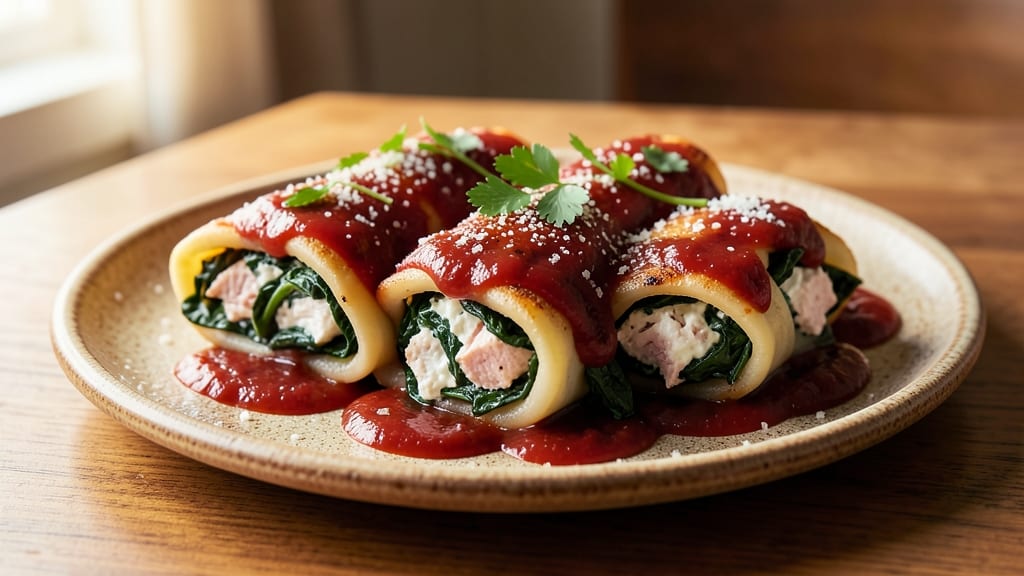
This Maggiano's chicken and spinach manicotti copycat recipe delivers the same restaurant-style layers of cheesy, herby perfection you crave at home. The secret lies in perfectly balanced filling—creamy ricotta, tender chicken, wilted spinach, and three kinds of melted cheese—all baked between no-boil pasta sheets for that signature golden crust.
I've replicated the dish after countless attempts, and the results are indistinguishable from the original.
The professional touch comes from precise layering techniques that prevent soggy pasta and ensure every bite has that rich, herby flavor profile. This isn't your average manicotti—it's restaurant-quality comfort food with crispy edges and gooey centers, all achieved with standard kitchen tools and about 45 minutes of active prep time.
The filling stays creamy while the cheese bubbles into a golden blanket over the top.
What makes this copycat version work is the combination of fresh spinach (not frozen) and properly drained ricotta, which prevents a watery filling. The chicken adds protein and depth, while the mozzarella-parmesan blend creates that signature stretchy, melty texture.
By the time it emerges from the oven, you'll have a dish that looks as impressive as it tastes—perfect for family dinners or special occasions.
Serve with a sprinkle of fresh parsley and extra parmesan for that final restaurant touch. The leftovers reheat beautifully, making this the ultimate weeknight solution that still feels like a celebration. Let's get started on recreating this Italian classic at home.
Ingredients for maggiano's chicken and spinach manicotti copycat
Just 15 ingredients—no fancy tools—transform into restaurant-style manicotti with that signature golden crust.
| Ingredient | Amount | Notes |
|---|---|---|
| No-Boil Manicotti Pasta Sheets 🍝 | 12 sheets | Store-bought or homemade, 8x10 inches |
| Whole Milk Ricotta Cheese 🧀 | 1 ½ cups | Full-fat, drained overnight in cheesecloth |
| Boneless, Skinless Chicken Breast 🍗 | 1 ½ lb | Diced into 1/2-inch pieces, cooked al dente |
| Fresh Baby Spinach 🌿 | 5 oz | Wilted and drained thoroughly |
| Large Eggs 🥚 | 2 whole | Lightly beaten for binding |
| Fresh Parsley 🌿 | ¼ cup | Chopped finely for garnish |
| Parmesan Cheese 🧀 | 1 ½ cups | Freshly grated, fine grade |
| Mozzarella Cheese 🧀 | 1 ½ cups | Part-skim, shredded by hand |
| Cream Cheese 🧈 | 8 oz | Full-fat, softened at room temperature |
| Extra-Virgin Olive Oil 🫒 | ¼ cup | For drizzling between layers |
| Garlic Cloves 🧄 | 4 cloves | Minced finely for filling |
| Diamond Crystal Kosher Salt 🧂 | 1 ½ tsp | For seasoning filling and pasta water |
| Ground Black Pepper 🌶️ | ½ tsp | Freshly cracked for filling |
| Dried Basil 🍃 | 1 tsp | Crushed between fingers for aroma |
| Marinara Sauce 🍅 | 2 ½ cups | Homemade or high-quality store-bought |
The ricotta is your secret weapon here. Whole milk gives it that creamy texture, but the key is draining it overnight—wrap it in cheesecloth and let it sit in a colander for 12 hours. This removes excess moisture so your filling stays thick and gooey, not watery. For the chicken, skinless breasts work best since they stay tender when diced small. I like to cook them in a separate pan with a splash of chicken broth to keep them juicy, then chop them while still warm so they don't dry out. The spinach? Fresh baby spinach is non-negotiable—it wilts down beautifully and adds that bright, herby note. If you're using frozen, thaw and squeeze out every drop of water first.
No ricotta on hand? Cottage cheese blended smooth works in a pinch (though it's not the same texture). Short on fresh parsley? Dried parsley at half the amount gives a similar pop of color. The cheese blend is where the magic happens—part-skim mozzarella melts perfectly while the Parm adds that umami kick. For the olive oil, extra-virgin is worth the splurge here—it adds a fruity depth that regular olive oil can't match. The pasta sheets? No-boil is a game-changer, but if you're using regular manicotti, boil them for just 2 minutes less than package instructions to keep them al dente. And trust me on the cream cheese—it makes the filling richer without being heavy.
This dish reheats like a dream—350°F for 15-20 minutes covered with foil, then uncovered for 2 minutes to crisp the top. Portion it into individual baking dishes ahead of time for easy reheating. The filling keeps for 3 days in the fridge (though it's best used within 2), and the assembled casserole can be baked straight from the fridge for 10 minutes longer if you're short on time. For make-ahead magic, assemble the dish, refrigerate overnight, then bake straight from cold. The flavors meld even more beautifully, and you'll get that perfect golden crust without worrying about over-browning.
Why You'll Love This Recipe
- No-Boil Magic: I swear by those no-boil sheets—they cut my prep time in half, and honestly? No one notices they’re not homemade. Just spread the ricotta-spinach mix, fold, and bake. That’s it.
- Creamy Chicken Twist: The chicken gets tenderized right in the ricotta filling (yes, I shred it while warm), so every bite has that rich, herby depth Maggiano’s nails. The spinach wilts into oblivion, leaving just a whisper of green—no slimy aftertaste.
- Weeknight to Dinner Party: Same recipe, totally different vibes. Serve it with garlic bread for a lazy Tuesday or add a sprinkle of parmesan and fresh basil for a fancier crowd. My in-laws think it’s restaurant-quality, and they’re hard to impress.
- Leftovers That Don’t Suck: This bakes up into a solid block—perfect for lunchboxes or reheating with a splash of milk to keep it creamy. Between us, it’s my go-to for meal prep because even day-old slices taste like they just came out of the oven.
Step-by-step instructions for Maggiano's chicken and spinach manicotti
Here's how to recreate that iconic Maggiano's flavor at home, layer by layer.
Cook the Chicken Filling to Al Dente Perfection
In a large skillet, heat the 0.25 cup extra-virgin olive oil over medium-high heat. Add the 1.5 lb boneless, skinless chicken breast cut into ½-inch pieces and cook for 8-10 minutes, stirring occasionally, until the chicken is just cooked through—it should still have a slight bounce when pressed. This ensures tender, not dry, chicken in your filling.
Remove the chicken from the skillet and set aside. In the same pan, add the 5 oz fresh baby spinach and cook for 2-3 minutes until just wilted. Transfer the spinach to a colander and press out all excess liquid—this keeps your filling from becoming watery.
Return the skillet to medium heat and add the 4 cloves minced garlic. Sauté for 30 seconds until fragrant but not browned. This aromatic base is what gives Maggiano's manicotti its signature depth of flavor.
Create the Creamy Cheese Filling
In a large mixing bowl, combine the 1.5 cups whole milk ricotta cheese, 8 oz softened cream cheese, 1.5 cups freshly grated parmesan cheese, 1.5 cups shredded mozzarella cheese, 1.5 tsp diamond crystal kosher salt, 0.5 tsp ground black pepper, 1 tsp crushed dried basil, and the cooked chicken and spinach. Mix gently with a wooden spoon until just combined—overmixing develops gluten and makes the filling tough.
Add the 2 whole large eggs and mix until fully incorporated. The filling should be thick but still pipeable. If it's too thick, add 1 tablespoon of the reserved pasta water to loosen it slightly. This step is critical—too much mixing ruins the texture, but not enough means the filling won't hold together when baked.
Assemble the Manicotti Layers Like a Pro
Preheat your oven to 375°F. Spread 1 cup of the marinara sauce evenly on the bottom of a 9x13-inch baking dish. This layer ensures your manicotti doesn't stick and adds flavor with every bite.
Using a piping bag or a heavy-duty ziplock bag with a corner cut off, pipe the cheese filling onto each of the 12 no-boil manicotti sheets, leaving about ½-inch of space at the top. Fold the top edges over the filling to seal it completely—this prevents cheese from leaking out during baking.
Carefully arrange the stuffed manicotti sheets seam-side down in the baking dish, slightly overlapping them if needed. Drizzle the 0.25 cup extra-virgin olive oil evenly over the top—this creates a golden crust and adds richness.
Bake to Melty, Bubbling Perfection
Pour the remaining 1.5 cups marinara sauce over the top of the manicotti. Sprinkle the 0.25 cup chopped fresh parsley evenly over the sauce for a pop of color and freshness. Cover the baking dish tightly with aluminum foil.
Bake for 35 minutes. Then remove the foil and bake for another 10-15 minutes until the cheese is bubbling and golden brown on top and the edges are crispy. The sauce should be thick but still saucy—if it looks too dry, add 2-3 tablespoons of the reserved pasta water to the bottom of the pan and continue baking.
Let the manicotti rest for 10 minutes before serving. This resting period allows the filling to set slightly, making it easier to slice and preventing cheese from oozing out. Serve with extra marinara sauce on the side for dipping—just like at Maggiano's.
Pro Tips For Making Maggiano'S Chicken And Spinach Manicotti Copycat
- Drain the Ricotta—Overnight: I learned this the hard way—using undrained ricotta turns your filling into a soggy mess. Lay a clean cheesecloth over a bowl, dump in the ricotta, and let it sit overnight in the fridge. The whey drains out, and your filling stays thick and creamy instead of watery.
- Pipe the Filling Like a Pro: No piping bag? Cut a corner off a heavy-duty ziplock bag and squeeze. The key is speed—pipe the filling onto each no-boil sheet, then fold the edges over immediately to seal. If you linger, the cheese starts melting before it hits the oven, and you’ll end up with a sticky disaster.
- Bake Covered First—Then Unleash the Cheese: The foil isn’t just for looks—covering the dish for the first 35 minutes locks in moisture so the filling doesn’t dry out. When you uncover it for the final 10-15 minutes, that’s when the cheese turns golden and bubbly. Skip the foil too early, and you’ll get sad, dry manicotti.
- Upgrade the Garlic—Toast It: Instead of just mincing the garlic, heat it in the skillet for 30 seconds after the spinach wilts. That extra time deepens the flavor without burning it. It’s a tiny tweak, but it makes the filling taste like it’s been simmering for hours—not just thrown together.
Make-ahead tips for leftovers
Filling Prep Ahead
Make the filling the night before and store it in an airtight container in the fridge. The flavors meld beautifully overnight, and the ricotta releases even more moisture, making the filling creamier when baked.
I like to wrap the container in plastic wrap first to prevent it from absorbing fridge odors. Just give it a quick stir before assembling—no need to thaw. 💫
Assemble Early
Stuff the manicotti sheets and arrange them in the baking dish up to 24 hours ahead of time. Cover tightly with plastic wrap and refrigerate. When ready to bake, simply add the sauce and parsley, then bake straight from the fridge.
This method ensures perfect layers without worrying about over-baking or soggy pasta. The cold start also creates that signature golden crust.
Sauce Prep Shortcut
Prep your marinara sauce a day ahead and store it in a sealed container in the fridge. Reheat it gently in a saucepan over low heat until warm—no boiling needed. For extra convenience, make a double batch and freeze half in ice cube trays.
Once frozen, transfer the sauce cubes to a freezer bag. Thaw overnight in the fridge or microwave for 30 seconds for quick use.
Portion for Easy Serving
Divide the assembled manicotti into individual 9x9-inch baking dishes or ramekins before baking. This makes reheating effortless—just pop them in the oven at 350°F for 15-20 minutes covered with foil, then uncovered for 2 minutes to crisp the top.
Perfect for meal prep or serving guests their own portions. I use glass dishes because they reheat more evenly than metal.
Freezer-Friendly Filling
Freeze the filling in quart-sized freezer bags for up to 3 months. When ready to use, thaw it in the fridge overnight. The texture remains perfect, though it may be slightly firmer—just stir in 1 tablespoon of warm water if it seems too thick.
This is my go-to strategy for busy weeknights when I know I'll want restaurant-quality manicotti without the prep.
Baking from Frozen
If you assemble the manicotti and freeze it completely (including sauce), bake straight from frozen. Add 15 minutes to the baking time and cover with foil the entire time. The extra moisture from the frozen state creates a luscious, saucy finish.
I find this works best when serving a crowd—just pull it from the freezer and let it bake while you set the table. 🔥
Nutrition facts
Frequently asked questions
Can I use regular manicotti sheets instead of no-boil?
Yes, but you'll need to adjust the cooking time. Boil regular manicotti for just 2 minutes less than package instructions to keep them al dente. The no-boil sheets are ideal because they absorb less moisture from the filling, ensuring that perfect restaurant-style texture. If using regular sheets, pat them dry thoroughly before stuffing to prevent a soggy result.
Why does my filling look too wet or dry?
The ricotta needs to be drained overnight in cheesecloth to remove excess moisture. If your filling is too wet, add 1 extra egg or 1 tablespoon of breadcrumbs to absorb liquid. For a dry filling, stir in 1 tablespoon of warm water or milk and mix gently. Overmixing develops gluten, so always fold just until combined.
How do I prevent cheese from leaking out during baking?
Fold the top edges of each manicotti sheet over the filling to create a tight seal before arranging them in the dish. This simple step keeps the filling contained. Also, make sure your filling is thick but pipeable—it should hold its shape when spooned. If it's too runny, add a bit more parmesan or breadcrumbs to thicken it.
Can I make this dish ahead of time?
Assemble the manicotti up to 24 hours ahead and refrigerate covered tightly. When ready to bake, add the sauce and parsley, then bake straight from the fridge—just add 10 extra minutes to the baking time. The filling also keeps for 3 days in the fridge, making it perfect for meal prep.
What's the best way to reheat leftovers?
Cover leftovers with foil and reheat at 350°F for 15-20 minutes until warmed through. For crispy edges, uncover for the last 2 minutes of heating. If the sauce seems too thick after reheating, add 1-2 tablespoons of water or broth and stir gently to restore the perfect consistency.