
Sauces & Condiments
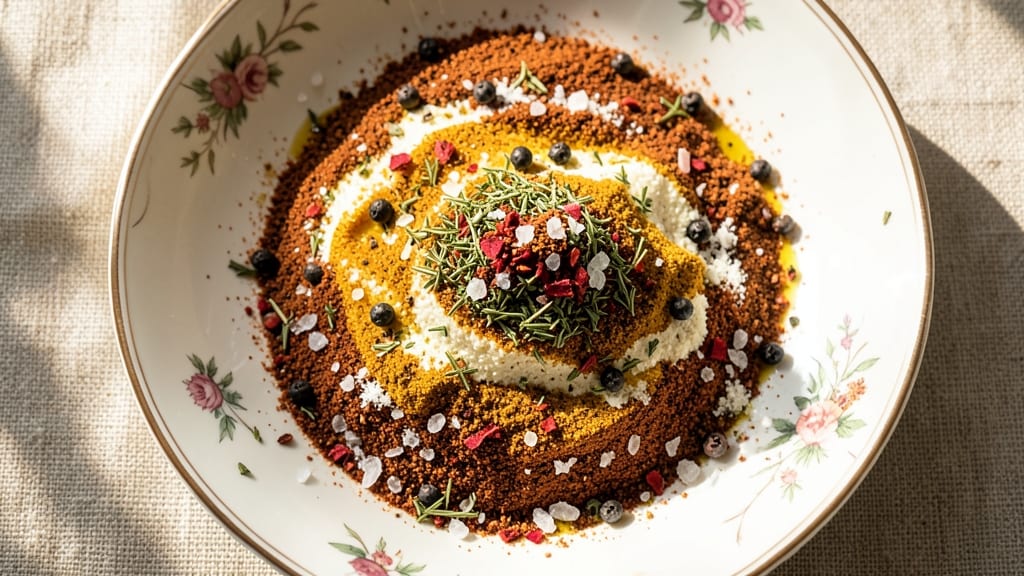
Creating your own McCormick Chicken Seasoning is simpler than you think, and the results are worth every tablespoon. This bold herb blend transforms ordinary chicken into juicy, restaurant-quality dishes with just a sprinkle.
I’ve perfected this mix over years of grilling and baking, ensuring every batch delivers that signature smoky, savory depth.
The secret lies in the precise balance of spices—paprika for warmth, garlic and onion powder for depth, and thyme for that classic herby note.
With just six pantry staples, you’ll have a seasoning mix that lasts months in an airtight container, ready to elevate any grilled, baked, or roasted chicken dish. No more guessing measurements or settling for store-bought shortcuts.
What makes this blend special is how it enhances moisture retention, ensuring your chicken stays tender and flavorful. The combination of salt and paprika creates a crust that locks in juices, while the herbs add layers of complexity that cut through the richness.
This isn’t just a substitute—it’s a professional-grade upgrade for home cooks.
Use it on whole birds, chicken breasts, or even as a dry rub for wings. Once you try this homemade version, you’ll never go back to the store-bought kind. Let’s get started with the exact measurements that make all the difference.
Ingredients for mccormick chicken seasoning
Six pantry staples. One jar. Restaurant-quality flavor in every pinch.
| Ingredient | Amount | Notes |
|---|---|---|
| Smoked Paprika 🌶️ | 2 tbsp | High-quality smoked for depth |
| Garlic Powder 🧄 | 1 ½ tbsp | Freshly ground preferred |
| Onion Powder 🧅 | 1 ½ tbsp | Not onion salt |
| Dried Thyme 🌿 | 1 tbsp | Leaves only, not stems |
| Ground Black Pepper 🌶️ | 1 tbsp | Freshly ground for best flavor |
| Kosher Salt 🧂 | 1 ½ tbsp | Fine grain preferred |
| Ground Mustard 🌱 | ½ tbsp | Adds subtle tang |
| Ground Ginger 🌿 | ½ tsp | Freshly ground for warmth |
The paprika is where the magic happens—smoked variety gives that signature depth you get from McCormick’s blend. Penzeys or Spicewalla are my go-tos for high-quality smoked paprika, but the bulk bins at Whole Foods or Trader Joe's work too. Look for vibrant color and a fresh roasted aroma. The thyme should be bright green, not browned—if it smells musty, toss it. For the garlic and onion powders, Diamond Crystal is my pick—they’re finely ground and potent. Freshly ground spices make all the difference, but pre-ground is fine if it’s recent.
No smoked paprika? Regular paprika plus a pinch of liquid smoke gets you close, though it’s not identical. Short on mustard? Dried marjoram at half the amount adds a similar herbal note. The ginger is subtle but essential—skip it if you’re sensitive to spice. For a stronger kick, add ½ tsp cayenne pepper. If you’re using this on whole birds, double the batch. The salt is non-negotiable for moisture retention, but if you’re watching sodium, reduce it by ⅓ and add extra herbs. Store-bought blends often skimp on thyme—this version keeps it rich and aromatic.
This mix stays potent for 6-12 months in an airtight container, tucked away from light. I portion mine into small jars—one for grilling, one for baking—so I’m never scrambling. If it starts losing punch, a 30-second zap in the microwave revives it. For extra convenience, pre-mix a big batch and keep it in your spice rack. The ginger and mustard are the first to lose potency, so check those first if your blend tastes flat.
Why You'll Love This Recipe
- No Whisk Needed: Honestly, I thought I’d need fancy tools, but this blend comes together with just a bowl and spatula—no fancy gadgets, no mess. The smoked paprika and thyme make it smell amazing while you mix, and that 1-2 minute whisking? Worth it for that silky-smooth texture that clings to chicken like it’s meant to be there.
- Restaurant-Quality Crisp: That 2 tablespoons of smoked paprika isn’t just for show—it gives the chicken this smoky depth that tastes like it came from a grill master’s secret stash. The ginger and mustard? Tiny amounts, but they’re the reason your chicken stays juicy inside while getting that perfect crispy skin. (Yes, even on a Tuesday night.)
- Pantry Hero: Between us, this blend is my go-to for meal prep. Toss it on thighs before freezing for later, or use it to liven up rotisserie chicken in 10 minutes. The kosher salt and black pepper work together to make every bite taste fresh, even after reheating. Three months in the pantry? It’s my secret weapon for lazy days.
- Budget Magic: I buy spices in bulk, and this blend uses just 8 ingredients—no specialty items, no wasted money. The mustard and ginger might sound fancy, but they’re the cheapest way to add that wow factor. And because it keeps for 3 months (or 6 frozen), I’m always covered without breaking the bank.
Step-by-step instructions for McCormick chicken seasoning recipe
This bold herb blend transforms simple chicken into restaurant-quality, juicy perfection every time.
Combine Dry Ingredients in a Mixing Bowl
Place a medium mixing bowl on your countertop and add the 2 tablespoons smoked paprika first. This ingredient forms the flavor foundation and gives the blend its signature depth. Sprinkle in the 1.5 tablespoons garlic powder and 1.5 tablespoons onion powder next, creating a savory base that complements the smokiness.
Add the 1 tablespoon dried thyme and 1 tablespoon ground black pepper to the bowl. These herbs bring earthy warmth and a peppery kick that enhances the chicken's natural flavors. The thyme should be leaves-only for maximum aromatic impact—no woody stems. Stir these ingredients together with a silicone spatula, breaking up any clumps to ensure even distribution.
Incorporate Salt and Specialty Seasonings
Now add the 1.5 tablespoons kosher salt to the bowl. This is your flavor multiplier—it enhances all the other ingredients while preventing blandness. Sprinkle in the 0.5 tablespoons ground mustard and 0.5 teaspoons ground ginger last. The mustard adds a subtle tang that brightens the blend, while the ginger contributes a warm, slightly spicy note that pairs beautifully with chicken.
Use your spatula to gently fold these ingredients into the mixture, being careful not to create dust. The ground mustard and ginger are potent, so distribute them evenly throughout the blend. At this stage, you should see a well-combined mixture with a rich, earthy color from the smoked paprika and a slightly granular texture from the various powders.
Whisk Thoroughly for Perfect Consistency
Transfer the seasoning blend to a small wire whisk or clean mixing spoon. Whisk vigorously for 1-2 minutes until the mixture is completely homogeneous. You're looking for a fine, powdery consistency where no individual spices remain visible. This thorough mixing ensures every bite of chicken gets balanced flavor.
Here's the thing—don't rush this step. The difference between a well-mixed blend and one with visible clumps is noticeable when you apply it to chicken. Test the consistency by rubbing a pinch between your fingers. It should feel smooth and even, with no gritty spots. If you see any large particles, whisk for another 30 seconds to break them down completely.
Store Properly for Maximum Freshness
Transfer the finished seasoning blend to an airtight container with a tight-sealing lid. I recommend a small glass jar or plastic container with a screw-top lid—this prevents moisture from getting in and keeps the spices fresh. Label the container with the date and contents so you can track its freshness over time.
Store the seasoning in a cool, dark place like your pantry. This blend will keep its best flavor for up to 3 months. For longer storage, you can freeze it in an ice cube tray for up to 6 months, then transfer the cubes to a freezer bag. The freezer preserves the volatile oils in the spices better than room temperature storage, maintaining the blend's potency.
Apply to Chicken for Juicy Results
To use your seasoning blend, pat the chicken dry with paper towels—this is critical for crispy skin. Apply a generous coating of the seasoning blend, pressing it gently into the meat so it adheres well. For a whole chicken, use about 1 tablespoon of the blend inside the cavity and 2 tablespoons on the outside. For chicken breasts or thighs, use about 1 teaspoon per piece, coating all sides thoroughly.
Let the seasoned chicken rest at room temperature for 15-20 minutes before cooking. This allows the seasoning to penetrate the meat slightly, enhancing flavor and ensuring juicy results. Whether you're grilling, baking, or pan-searing, this blend will give you chicken that's packed with flavor and stays moist throughout the cooking process. The combination of smoked paprika and ginger creates a unique depth that makes this blend stand out from basic chicken seasonings.
Pro Tips For Making Mccormick Chicken Seasoning
- Start with Smoked Paprika: Add the 2 tbsp smoked paprika first—it’s the flavor anchor, and mixing it in last can leave uneven pockets of smokiness. I learned this the hard way after my first batch tasted patchy on the chicken.
- Sift the Ginger: The 0.5 tsp ground ginger is potent, so sift it directly into the bowl instead of scooping. This prevents clumping and ensures it distributes evenly—no one wants a single bite that hits like a spice bomb.
- Whisk Until Smooth: Skip the lazy stir and whisk for 1-2 full minutes until the mixture feels uniform between your fingers. That extra 30 seconds breaks down the 1.5 tbsp kosher salt and 1 tbsp black pepper into fine particles, so every grain of chicken gets the same punch.
- Press It In: When seasoning the chicken, don’t just sprinkle—press the blend into the meat, especially on breasts. The 1 tbsp thyme and 1.5 tbsp onion powder need skin contact to work their magic, and dry rubs won’t stick without effort.
Pro cooking tips for mccormick chicken seasoning
Whisk Like a Pro
The 1-2 minute whisking isn't just about combining ingredients—it's about creating a silky texture that clings perfectly to chicken. I use a small wire whisk or a clean wooden spoon> for this step because metal can generate static and create dust.
Whisk in a figure-eight motion to break down any lingering clumps, especially around the ground ginger and mustard which tend to be more potent. Test your blend by rubbing a pinch between your fingers—it should feel like fine powder, not gritty granules. 🔥
Salt Distribution Matters
The 1.5 tablespoons kosher salt is your flavor amplifier, but how you distribute it makes all the difference. Sprinkle it gradually while whisking to prevent clumping, especially if your kitchen is humid. I find that adding the salt last—after the paprika and herbs—helps it disperse more evenly throughout the blend.
For extra even distribution, sift the salt through a fine-mesh strainer before adding it to the bowl. This technique ensures every pinch of your seasoning delivers consistent flavor. ⚡
Storage Secrets
Your blend will last 3 months in an airtight container, but the key is proper storage placement. I keep mine in a small glass jar> (like Oriental Trading's 4-ounce jars) in my pantry, away from the stove where heat can degrade the spices faster.
For longer storage, freeze it in ice cube trays—this preserves the volatile oils better than room temperature. When frozen, transfer the cubes to a ziplock freezer bag and squeeze out excess air to prevent freezer burn. Label each cube with the date so you can track freshness. 💡
Reviving Flat Blends
If your seasoning starts tasting dull after a few months, don't toss it! A 30-second microwave zap on low power can revive the spices by releasing trapped aromatics. Place the jar on a microwave-safe plate and heat just until you smell the spices awakening.
For an even fresher taste, add ¼ teaspoon of freshly ground black pepper or a pinch of smoked paprika to the jar before using. This trick works especially well for blends that have lost their punch. ✨
Double Batch for Whole Birds
When seasoning a whole chicken, double the recipe to ensure even coverage. Use 2 tablespoons inside the cavity and 4 tablespoons on the outside>—this creates a flavorful crust while keeping the meat moist.
For extra depth, mix 1 teaspoon of the blend> with 1 tablespoon melted butter and brush it under the skin before roasting. This technique mimics professional butchers' methods for maximum flavor penetration. The ginger and mustard in the blend will create a beautiful caramelized crust when baked. 🍗
Spice Quality Check
Before mixing, inspect each spice for freshness. Smoked paprika should have a vibrant red color and smell richly smoky—if it smells flat, replace it. Ground ginger should be a warm, slightly spicy aroma, while thyme> should be bright and herbal.
If any spices smell musty or stale, discard them immediately. Fresh spices make the difference between good and exceptional seasoning. I always buy spices in small quantities> (like Penzeys' 1-ounce jars) so I can replace them more frequently. 🌿
Nutrition facts
Frequently asked questions
Can I make this seasoning blend without smoked paprika?
Yes, but the flavor will differ slightly. Replace the 2 tbsp smoked paprika with 1.5 tbsp regular paprika plus ½ tsp liquid smoke for a similar depth. The ginger and thyme will still provide warmth, but you’ll lose that signature smoky profile. For a milder version, use 2 tbsp regular paprika alone.
How much seasoning should I use for different chicken cuts?
For a whole chicken, use 1 tbsp inside the cavity and 2 tbsp on the outside. For 4-6 chicken breasts, use 1 tsp per piece. Thighs and drumsticks need 1.5 tsp each due to their thicker skin. Always coat evenly and press the seasoning into the meat for best adhesion.
Why does my homemade blend taste weaker than store-bought?
Freshness is key! Store-bought blends often use pre-ground spices that lose potency quickly. Whisk your blend thoroughly for 1-2 minutes to activate flavors, and store it in an airtight container away from light. If it tastes flat, revive it with a 30-second microwave zap or add ¼ tsp extra smoked paprika.
Can I use this blend for other meats or vegetables?
This works wonderfully on pork chops, turkey, or even roasted potatoes. For vegetables, reduce the salt to 1 tsp and add ½ tsp garlic powder to enhance natural flavors. The ginger and mustard add great depth to roasted Brussels sprouts or cauliflower.
How do I know if my spices are still fresh?
Smell and color are your best indicators. Smoked paprika should smell rich and smoky, ground ginger warmly spicy, and thyme bright and herbal. If any spices smell musty or dull, replace them. Freshness directly impacts flavor—don’t skimp on quality spices!