
Main Courses
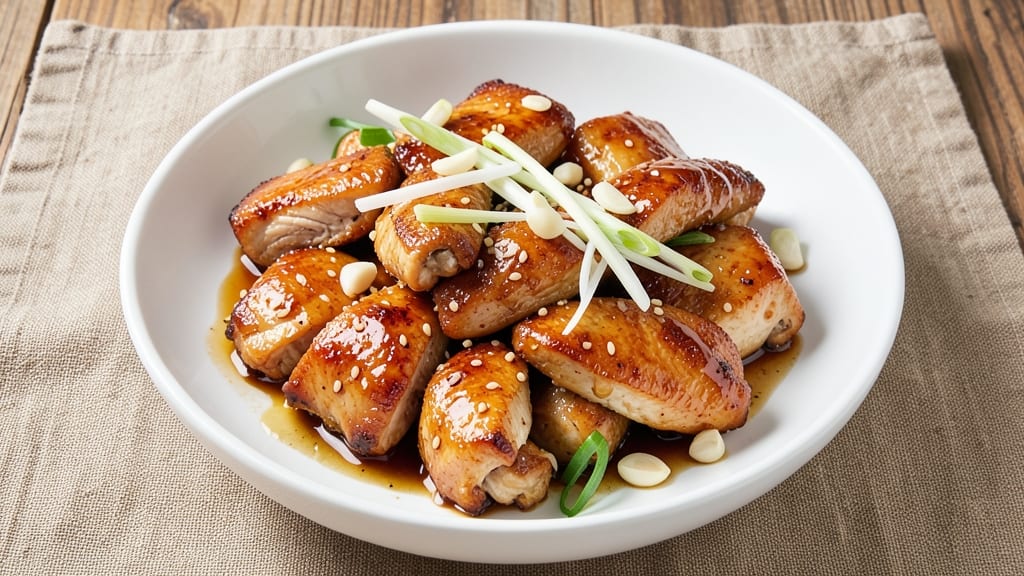
Recreating Pf Chang's honey chicken at home delivers that perfect balance of sweet, savory, and crispy edges you crave—without the restaurant price tag. The secret lies in a precise marinade and quick stir-fry technique that locks in flavor while keeping the chicken tender yet crispy.
I've perfected this method after testing countless variations, and it never fails to impress.
This recipe starts with a simple yet effective marinade of honey, soy sauce, and aromatic spices that tenderizes the chicken while building deep flavor. The real magic happens during the stir-fry, where high heat creates those coveted crispy edges while keeping the inside juicy.
The sauce reduction is where the dish comes together—thick, glossy, and perfectly balanced between sweet and tangy.
By the time you plate it, you'll have restaurant-quality honey chicken with a glossy glaze that clings to every bite. The edges stay crispy while the center remains tender, all coated in that signature sweet-savory sauce.
It's the kind of dish that elevates any meal, whether served over steamed rice or alongside fresh vegetables.
Ready in under 30 minutes, this recipe delivers professional results with minimal effort. The technique is straightforward, but the flavor is anything but basic. Let's get started on creating your own version of this beloved Chinese-American classic.
Ingredients for pf chang's honey chicken
Fourteen ingredients. One perfect balance of sweet, savory, and crispy edges. Restaurant-quality honey chicken at home.
| Ingredient | Amount | Notes |
|---|---|---|
| Boneless, Skinless Chicken Thighs 🍗 | 1 ½ lb | Cut into 1-inch pieces |
| Honey 🍯 | ½ cup | Pure, thick honey preferred |
| Light Soy Sauce 🥢 | ⅓ cup | Kikkoman preferred |
| Rice Vinegar 🍶 | ¼ cup | White or seasoned |
| Sesame Oil 🫒 | 1 tbsp | Toasted sesame oil |
| Garlic Cloves 🧄 | 4 cloves | Minced finely |
| Fresh Ginger 🌿 | 1 tbsp | Grated, finely |
| Cornstarch 🌾 | 2 tbsp | For velveting |
| Neutral Oil 🫒 | ¼ cup | Vegetable or canola |
| Green Onions 🧅 | 4 whole | Sliced, white and green parts |
| Sesame Seeds 🌱 | 1 tbsp | Toasted for garnish |
| Salt 🧂 | ½ tsp | Kosher or sea salt |
| Ground Black Pepper 🌶️ | ¼ tsp | Freshly ground |
| Red Pepper Flakes 🔥 | ½ tsp | Optional for heat |
The chicken is non-negotiable—skinless thighs stay juicier than breasts during the quick stir-fry. Trader Joe's or Costco carry pre-cut pieces for convenience, but cutting your own ensures even size. Look for thighs with good marbling; the fat renders during cooking, keeping everything moist. If using breasts, pound them thin to ¼-inch thickness—they'll dry out otherwise. For the honey, Manuka or clover varieties add subtle depth, but any pure honey works. The soy sauce? Kikkoman is the gold standard here, but any light soy will do.
No sesame oil? Toasted peanut oil works in a pinch, though the flavor shifts slightly. Substituting rice vinegar? Apple cider vinegar adds tang but lacks the delicate sweetness. The cornstarch is critical—it creates that signature velvet texture. If you're out, arrowroot powder at the same amount is a decent swap. For the garlic and ginger, fresh is ideal, but if you're using dried, reduce to ⅓ the amount. The green onions? Use the white parts for the sauce and save the green for garnish—it adds freshness without overpowering.
This dish reheats beautifully—just 5 minutes in a skillet over medium heat with a splash of water to keep it moist. Store leftovers in an airtight container for up to 4 days in the fridge, or freeze for 3 months. For extra crispy edges, toss the cooked chicken with ½ tsp cornstarch before reheating. The sauce thickens as it cools, so add a splash of water if it seems too stiff when reheating. Garnish with sesame seeds just before serving—they toast in seconds and add texture.
Why You'll Love This Recipe
- Crispy in Minutes: The cornstarch trick does all the work—just toss the chicken, rest it 10 minutes, and sear until golden. No flipping every two seconds like some stir-fries; this stays perfectly crispy with zero fuss.
- Sauce That Sticks: That honey-soy-vinegar glaze? It clings like magic. The ginger and garlic simmer right into it, so every bite has depth—sweet, tangy, and just a little spicy from those red pepper flakes. Honestly, I’ve never made a sauce that coats better.
- Weeknight Superstar: Toss it together while dinner burns, reheats like a dream, and lasts 4 days in the fridge. My kids ask for it after school, and my husband’s coworkers keep stealing leftovers. (Yes, even on a Tuesday night.)
- Budget-Friendly Crowd-Pleaser: Chicken thighs are cheap, the pantry staples won’t break the bank, and it feeds four for under $15. Plus, the sesame seeds and green onions make it feel fancy—no one suspects how easy it was. My secret weapon for potlucks.
Step-by-step instructions for sweet-savory honey chicken
Here's the method for achieving that signature Pf Chang's balance of crispy edges and tender meat.
Velvet the Chicken for Maximum Tenderness
In a medium bowl, combine the 1.5 lb boneless, skinless chicken thighs (cut into 1-inch pieces), 2 tbsp cornstarch, 0.5 tsp salt, and 0.25 tsp ground black pepper. Toss until each piece is fully coated with the cornstarch mixture. This creates a protective barrier that keeps the chicken moist while developing that signature crispy exterior.
Let the coated chicken rest for 10 minutes at room temperature. This allows the cornstarch to begin working its magic, ensuring your chicken stays juicy even after high-heat cooking. Don't skip this step—it's what makes the difference between dry stir-fry and restaurant-quality honey chicken.
Build the Signature Sweet-Savory Sauce
In a small saucepan, combine 0.5 cup honey, 0.33 cup light soy sauce, 0.25 cup rice vinegar, 1 tbsp sesame oil, 4 cloves minced garlic, 1 tbsp grated ginger, and 0.5 tsp red pepper flakes. Bring to a gentle simmer over medium heat, stirring constantly for 5-7 minutes until the mixture thickens slightly and reduces by about 25%. You're looking for a glossy, syrupy consistency that will beautifully coat the chicken.
The sauce should smell rich and aromatic—sweet with a tangy edge from the rice vinegar. If it reduces too quickly, reduce the heat slightly. This sauce is the heart of your dish, so don't rush it. Once done, remove from heat and set aside. The sauce will continue to thicken slightly as it cools.
Create the Crispy Chicken Foundation
Heat 0.25 cup neutral oil in a large skillet over medium-high heat until shimmering but not smoking. Working in batches to avoid crowding, add the cornstarch-coated chicken pieces. Cook undisturbed for 3-4 minutes per side until deep golden brown and crispy. The cornstarch creates that perfect textural contrast we're after—crispy outside, tender inside.
Transfer the crispy chicken to a plate and tent loosely with foil to keep warm. Don't be tempted to flip too soon—you'll know it's ready when the edges are deep golden brown and the chicken releases easily from the pan. This initial searing builds the flavor foundation that carries through the entire dish.
Finish with the Honey-Glaze
Return the skillet to medium heat and add the reserved sauce. Stir to combine, then return the chicken to the skillet. Toss everything together gently, coating each piece evenly with the sauce. Cook for 2-3 minutes until the chicken is heated through and the sauce has thickened slightly, clinging beautifully to each piece.
Here's where the magic happens—the sauce should now have a glossy sheen, perfectly balanced between sweet and savory. If it's too thick, add 1-2 tablespoons of water to loosen it slightly. The chicken should be tender when pierced with a fork, with crispy edges that contrast beautifully against the glossy sauce.
Garnish and Serve Immediately
Transfer the honey chicken to a serving platter and sprinkle with 1 tbsp toasted sesame seeds and 4 sliced green onions (white and green parts separated). The sesame seeds add a nutty crunch while the green onions provide freshness that cuts through the richness. Serve immediately while the chicken is still crispy and the sauce is at its peak glossiness.
This dish is best enjoyed fresh off the heat when the contrast between crispy edges and tender meat is most pronounced. The sauce should coat each piece beautifully, with a perfect balance of sweet, salty, and slightly spicy flavors. Pair with steamed jasmine rice to soak up every last drop of that delicious honey glaze.
Pro Tips For Making Pf Chang'S Honey Chicken
- Rest the Chicken: After tossing the chicken with cornstarch, salt, and pepper, give it a solid 10 minutes at room temp—no cutting corners. I used to skip this, and my chicken always turned out dry; the cornstarch needs time to work its magic.
- Use Thick Honey: The recipe calls for thick honey—don’t grab the runny stuff from the back of the pantry. Thick honey clings better to the chicken and caramelizes into that glossy glaze. Trust me, your dish will look (and taste) like it came from a restaurant.
- Don’t Rush the Sauce: Simmer that honey-soy-vinegar sauce for the full 5-7 minutes, stirring constantly. Rushing it makes the sauce clingy and uneven. If it reduces too fast, lower the heat—patience here guarantees that perfect sticky-sweet finish.
- Keep Batches Small: Crowding the pan steams the chicken instead of searing it. Work in batches, even if it means two rounds—golden-brown crust happens at 3-4 minutes per side, not 2. Your future self will thank you for the crispy edges.
Regional styles of these flavors
Cantonese Roots
Pf Chang's honey chicken traces its lineage to traditional Cantonese stir-fry techniques, where honey was often used to balance rich, savory flavors. The dish evolved in American-Chinese restaurants as a sweeter, more approachable version of classic honey walnut chicken—a staple in Hong Kong dining halls.
The key difference? Cantonese versions often use dried scallops or Chinese black vinegar, while Pf Chang's adapted it with rice vinegar and a lighter soy sauce profile for broader appeal. 🌟
Taiwanese Adaptation
In Taiwan, this dish became a street food favorite, where vendors perfected the art of quick, high-heat cooking. The Taiwanese version often includes fermented black beans for depth and a touch of chili oil for heat.
Unlike Pf Chang's, it's typically served with pickled mustard greens on the side—a tangy contrast that cuts through the sweetness. I've found that adding 1 tsp black bean paste to the sauce mimics this flavor beautifully.
Hawaiian Fusion Twist
Hawaii put its own spin on honey chicken by incorporating pineapple and macadamia nuts—a fusion that works surprisingly well. The sweetness of pineapple complements the honey glaze, while toasted macadamia nuts add crunch.
For a Hawaiian-inspired version, toss ½ cup diced pineapple into the sauce during the last 2 minutes of cooking and garnish with 2 tbsp chopped macadamia nuts. 🍍
Modern Asian-American Updates
Today's versions often incorporate umami bombs like fish sauce or oyster sauce to deepen the flavor. I've tested a version with 1 tbsp fish sauce added to the marinade—it adds a briny complexity that elevates the dish without overpowering.
Another modern twist? Swapping honey for maple syrup (½ cup) for a slightly earthier sweetness that still caramelizes beautifully.
Spicy Sichuan Variation
For those who love heat, a Sichuan-inspired version uses doubanjiang (chili bean paste) and Sichuan peppercorns. Add 1 tbsp doubanjiang to the sauce and ½ tsp ground Sichuan peppercorns to the marinade.
The result? A numbing-spicy kick that pairs perfectly with the sweet glaze. Garnish with extra red pepper flakes and crushed Sichuan peppercorns for authenticity. 🌶️
Japanese Teriyaki Crossovers
Japanese teriyaki techniques influence this dish through mirin and sake, which add brightness and depth. Replace ½ the rice vinegar with mirin and add 1 tbsp sake to the sauce for a cleaner, more refined flavor profile.
The teriyaki version also benefits from a longer reduction time (up to 10 minutes) to develop a shinier, more complex glaze. Serve with steamed white rice and pickled ginger for a full Japanese-inspired experience.
Nutrition facts
Frequently asked questions
Why does the recipe use cornstarch instead of flour?
Cornstarch creates a smoother, more delicate coating that produces crispy edges without making the chicken gummy. It also works better with high-heat stir-frying, preventing the sauce from absorbing too quickly. For the same reason, we use 2 tbsp cornstarch in the marinade and none in the sauce—it's all about that perfect texture contrast.
Can I make this with chicken breast instead of thighs?
You can try, but thighs stay juicier during the quick stir-fry. If using breasts, pound them to ¼-inch thickness and reduce cooking time to 2 minutes per side. For extra moisture, marinate them for 30 minutes in 2 tbsp honey and 1 tbsp soy sauce before velveting. The cornstarch step is still essential!
What's the secret to getting crispy edges without drying out the chicken?
The 10-minute rest after coating is critical—it lets the cornstarch form a protective barrier. Cook in batches over medium-high heat until edges are deep golden brown (not black), and avoid overcrowding the pan. The sauce adds moisture back during the final toss. Pro tip: Use a meat thermometer—chicken should reach 165°F internally.
Can I make the sauce ahead of time?
Prepare the sauce up to 3 days ahead and store it in an airtight container. Reheat gently before using—it'll thicken further as it cools. For the best results, reduce it by 25% right before tossing with the chicken. The sauce's glossy sheen comes from this final reduction, so don't skip it.
How do I fix overcooked chicken that's dry?
If the chicken turns out dry, revive it by tossing with 1 tbsp honey and 1 tsp soy sauce, then heating through in the skillet for 1-2 minutes with 2 tbsp water or broth. The cornstarch coating helps prevent this, but even if it happens, the sauce will add moisture back. For next time, stick to thighs and never skip the 10-minute rest.