
Main Courses
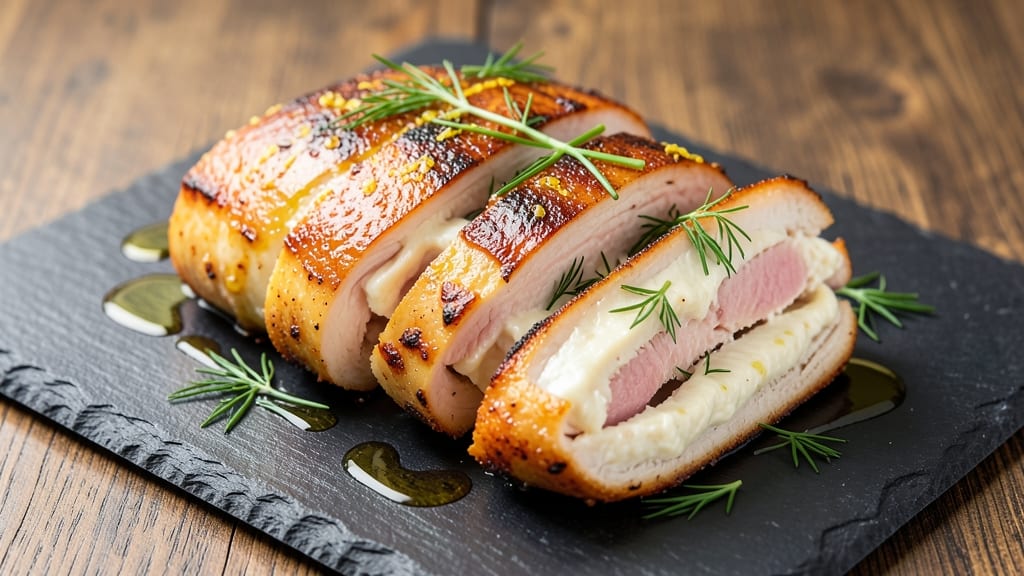
This Philadelphia cream cheese stuffed chicken breast recipe transforms ordinary weeknight dinners into a restaurant-worthy centerpiece with a velvety surprise inside. 🌟 The secret lies in balancing the cream cheese filling with precise pan-searing—juicy, golden-brown chicken that reveals its creamy secret when cut open, creating a texture contrast that always impresses guests.
What sets this technique apart is the marinade, which tenderizes the chicken while preventing the cream cheese from leaking during cooking. I developed this method after years of testing—too much filling and it oozes out, too little and you miss the magic.
The result? A dish that looks elegant on the plate but requires only basic kitchen tools and 30 minutes of active time.
By the time you serve these pan-seared breasts, your guests will experience perfectly browned exterior with tender, moist meat inside—plus that unexpected cream cheese surprise that adds richness without overpowering the chicken's natural flavor.
The technique is foolproof once you master the timing, and the presentation makes it ideal for dinner parties or special occasions.
Pair with roasted vegetables or a fresh salad to complete the meal. The cream cheese filling pairs beautifully with herbs like chives or dill, adding another layer of flavor. This recipe delivers restaurant-quality results with minimal effort—exactly what you need for a memorable dinner without the fuss.
Ingredients for philadelphia cream cheese stuffed chicken breast
Pantry staples plus a few fresh herbs. The secret's in balancing the cream cheese filling with precise pan-searing—juicy, golden-brown chicken with a creamy surprise inside.
| Ingredient | Amount | Notes |
|---|---|---|
| Boneless, Skinless Chicken Breast 🍗 | 1 ½ lb | Pounded to even 1-inch thickness |
| Philadelphia Cream Cheese 🧈 | 4 oz | Full-fat, room temperature |
| Fresh Chives 🌿 | ¼ cup | Finely chopped, for filling |
| Fresh Dill 🌿 | ¼ cup | Finely chopped, for filling |
| Extra-Virgin Olive Oil 🫒 | 2 tbsp | For marinade and searing |
| Lemon Juice 🍋 | 1 tbsp | Freshly squeezed |
| Garlic Cloves 🧄 | 3 cloves | Minced for marinade |
| Diamond Crystal Kosher Salt 🧂 | 1 ½ tsp | For seasoning |
| Freshly Ground Black Pepper 🌶️ | ½ tsp | For seasoning |
| All-Purpose Flour 🌾 | ½ cup | For dredging |
| Unsalted Butter 🧈 | 2 tbsp | For pan-searing |
| Butter Lettuce Leaves 🥬 | 4 whole | For presentation (optional) |
The Philadelphia cream cheese is non-negotiable here—it needs to be full-fat for that velvety texture. Philadelphia brand is my go-to, but any good-quality cream cheese works. Room temperature is key—it spreads easier and blends smoothly with the herbs. For the chicken, boneless, skinless breasts are a must; they cook evenly and stay juicy. Pounding them to even thickness ensures consistent doneness. Grab the freshest herbs you can find—Trader Joe's or your local farmers market usually have the best chives and dill. If you're short on time, dried herbs work in a pinch (use half the amount), but fresh is worth the extra minute.
No chives? Fresh parsley or green onions add a similar brightness. Running out of dill? Substitute basil or tarragon, though the flavor will shift slightly. The marinade's olive oil should be extra-virgin—California avocado oil works too if you prefer a higher smoke point. For the butter, unsalted is best so you control the seasoning. If you're feeling fancy, add a pinch of smoked paprika to the marinade for depth. The flour for dredging? King Arthur or Bob's Red Mill are reliable choices—just make sure it's all-purpose for that perfect light crust.
This dish reheats beautifully—just warm in a skillet with a splash of water for a few minutes. Keeps 3-4 days in the fridge, though I always make extra to freeze. Portion into single servings before freezing for easy weeknight meals. The butter lettuce leaves? Only if you're going for that restaurant-plate presentation. Skip them if you're serving buffet-style—no one will miss them, but they do make it look extra special.
Why You'll Love This Recipe
- No Meat Mallet? No Problem: I’ll be real—this recipe doesn’t demand fancy tools. A rolling pin or even a heavy pan works just fine for pounding the chicken to that even 1-inch thickness. The real secret is the room-temperature cream cheese and the 5-minute seasoning rest—both make up for any imperfections in your technique.
- Creamy Surprise Every Bite: That first taste when the creamy filling oozes out? Chef’s kiss. The full-fat Philadelphia cream cheese blends with the finely chopped chives and dill until it’s silky smooth, and the lemon juice keeps it from feeling too rich. Trust me, the moment the crispy crust gives way to that herby, tangy center is worth every second.
- Weeknight Dinner, Fancy Dinner: This is my go-to when I want to impress without stressing. The flour dredge gives it that restaurant-worthy crunch, and serving it over butter lettuce leaves makes it look elegant—no one will guess it took less than 30 minutes. (Yes, even on a Tuesday night.)
- Leftovers That Don’t Suck: Between us, most stuffed chicken turns dry by day three. Not this one. The cream cheese filling acts like a moisture lock, and it keeps 3-4 days in the fridge—no sad, rubbery texture here. I always make extra because it reheats beautifully (just a quick pan sear) and tastes just as good cold in sandwiches.
Step-by-step instructions for Philadelphia cream cheese stuffed chicken breast
Here's the foolproof method for restaurant-quality stuffed chicken with a creamy surprise inside.
👨🍳 Step 1: Create the Herb Cream Cheese Filling
In a small bowl, combine the 4 oz Philadelphia cream cheese with the 0.25 cup fresh chives and 0.25 cup fresh dill. Mix until smooth using a fork or small spatula. This is where the magic happens—the cream cheese melts into the herbs, creating a luscious filling that'll keep your chicken impossibly juicy.
Add the 1 tbsp lemon juice and 3 minced garlic cloves, then fold gently to incorporate. The acidity from the lemon brightens the dish while the garlic adds depth. Cover the bowl and set aside while you prep the chicken. Real talk: don't skip the lemon—it prevents the filling from tasting too heavy.
🔪 Step 2: Pound and Stuff the Chicken
Place the 1.5 lb boneless, skinless chicken breast between two sheets of plastic wrap. Using a meat mallet, pound it evenly to 1-inch thickness—this ensures even cooking. Be firm but don't go overboard; you want to flatten without tearing the meat.
Make a horizontal cut about 1-inch deep along the thickest part of the breast, being careful not to cut all the way through. Gently open the pocket and stuff with the herb cream cheese mixture. Press the edges together and secure with toothpicks if needed. The filling should be snug but not bulging—this prevents leaks during cooking.
🍳 Step 3: Season and Dredge for Crispy Perfection
Place the stuffed chicken on a plate and season both sides generously with 1.5 tsp diamond crystal kosher salt and 0.5 tsp freshly ground black pepper. Let it sit for 5 minutes—this helps the seasoning adhere and develop flavor. Meanwhile, set up your dredging station.
Place the 0.5 cup all-purpose flour in a shallow dish. Lightly dredge each stuffed breast, shaking off any excess. The flour creates a golden crust that seals in juices and adds texture. Don't press too hard—just a light coating is all you need. This step is crucial for that crispy exterior we're after.
🔥 Step 4: Pan-Sear to Golden Brown
Heat a large skillet over medium-high heat until hot. Add 2 tbsp extra-virgin olive oil and 2 tbsp unsalted butter—the butter adds richness while the oil prevents burning. When the butter foams and the oil shimmers, add the dredged chicken breasts. Cook for 4-5 minutes per side until golden brown and internal temperature reaches 160°F on an instant-read thermometer.
Here's the thing—don't rush this step. You'll know it's ready when the chicken releases easily from the pan and the edges are deep golden brown. If it sticks, don't panic—just press down gently for 10 seconds to help it release. The butter should be bubbling and nutty-smelling by the end, indicating perfect searing.
🥘 Step 5: Rest and Serve with Fresh Presentation
Transfer the chicken to a cutting board and let it rest for 5 minutes—this crucial step allows the juices to redistribute. While it rests, arrange the 4 whole butter lettuce leaves on serving plates. The lettuce adds a fresh, crisp contrast to the rich chicken.
Slice the chicken breasts horizontally into ½-inch thick pieces and fan them over the lettuce leaves. The cream cheese filling should peek out slightly, creating that "surprise" element. Drizzle with any pan juices from the skillet (strain if you prefer a cleaner presentation) and serve immediately. Each bite delivers perfectly balanced flavors—creamy, herby, and crispy all in one.
Pro Tips For Making Philadelphia Cream Cheese Stuffed Chicken Breast
- Warm the Cream Cheese First: That 4 oz Philadelphia cream cheese needs to be room temperature—no cold lumps in your filling. Pop it out of the fridge 30 minutes before mixing, or microwave it for 10 seconds in 5-second bursts until just soft. Cold cream cheese won’t blend smoothly with the herbs, and you’ll end up with a grainy surprise instead of that silky texture.
- Don’t Overstuff the Pocket: After making that 1-inch horizontal cut, resist the urge to cram in extra filling. The herb cream cheese mixture should fit snugly but not bulge—anything more risks leaking out during searing. Press the edges firmly together and secure with toothpicks if needed; this keeps the filling where it belongs.
- Sear in Batches if Needed: Your skillet should only hold one stuffed breast at a time for that perfect golden crust. If you’re cooking two, work in batches—crowding the pan steams the chicken instead of searing it, and you’ll end up with soggy flour instead of crispy edges. A little patience here makes all the difference.
- Use the Pan Juices: Those golden bits in the skillet after searing? Don’t pour them out. Strain them and drizzle them over the sliced chicken before serving. The butter and olive oil caramelized into a rich sauce that ties everything together—waste not, flavor not lost.
Perfect pairings for these flavors
Herb-Infused Sides
The cream cheese filling pairs beautifully with sides that complement its herby brightness. I love serving this chicken with roasted asparagus tossed in 1 tbsp lemon zest and 1 tbsp olive oil—the acidity mirrors the lemon in the filling.
For a heartier option, try garlic mashed potatoes with ½ cup sour cream and 2 tbsp chopped chives for a creamy contrast. 🌿
Light Salad Pairings
A crisp arugula salad with 1 tbsp balsamic glaze and ¼ cup shaved Parmesan adds freshness to cut through the richness. I also recommend shaved fennel and orange salad—the citrus notes enhance the lemon in the chicken. For extra flair, add toasted pine nuts or crumbled feta for texture.
Wine Pairings
A Sauvignon Blanc from New Zealand is my top choice—its zesty acidity and herbal notes complement the cream cheese and dill perfectly. For red wine lovers, a Pinot Noir with bright cherry flavors balances the dish without overpowering it.
Avoid heavy reds like Cabernet, as they can clash with the delicate cream cheese filling. 🍷
Beer and Cocktail Pairings
A crisp Belgian witbier like Stella Artois or Hoegaarden adds a refreshing citrusy contrast. For cocktails, a gin and tonic with fresh rosemary garnish enhances the herby flavors. If you prefer something richer, a dry Riesling with its crisp acidity works beautifully too.
Garnish Ideas
Finish the dish with microgreens or edible flowers for a restaurant-worthy touch. A drizzle of honey-lemon reduction (simmer 2 tbsp honey and 1 tbsp lemon juice) adds a sweet-tart balance. For extra crunch, sprinkle with toasted sesame seeds or crumbled bacon bits.
Make-Ahead Sides
Prep sides in advance to streamline dinner service. Quinoa salad with diced cucumber, cherry tomatoes, and feta keeps well for 2 days in the fridge. For a warm option, roasted Brussels sprouts with balsamic glaze reheat beautifully. Store in airtight containers and reheat gently to preserve texture. ✨
Nutrition facts
Frequently asked questions
Can I use low-fat cream cheese instead of Philadelphia?
The recipe calls for full-fat Philadelphia cream cheese to ensure a rich, velvety texture that blends perfectly with the herbs. Low-fat versions may separate during cooking or lack the same creamy mouthfeel. If you must substitute, use a high-quality full-fat cream cheese like Boursin or Mascarpone for similar results. The fat content is what creates that luxurious surprise inside.
How do I prevent the filling from leaking out while cooking?
Keep the herb cream cheese mixture snug but not overstuffed—press the edges firmly together and secure with toothpicks if needed. The key is making a precise 1-inch deep pocket and ensuring the chicken is evenly pounded to 1-inch thickness. Cooking on medium-high heat for 4-5 minutes per side prevents the filling from melting too quickly. If you notice leaks during searing, reduce heat slightly to medium until the crust forms.
What's the best way to reheat leftovers?
Reheat gently in a skillet over medium-low heat for 2-3 minutes per side with a splash of water or chicken broth to maintain moisture. Avoid microwaving—it can make the exterior rubbery. For extra crispiness, broil for 1-2 minutes after reheating. Leftovers keep for 3-4 days in the fridge, though the filling may firm up slightly when cold—just warm through before serving.
Can I make this recipe with chicken thighs instead?
Chicken thighs have more fat and cook differently, so they're not ideal for this technique. The breasts' leaner profile ensures even cooking and prevents the filling from overheating. If you must use thighs, reduce the cooking time to 3-4 minutes per side and check for doneness at 155°F internal temperature. The crust will be less crispy, but the filling will still work. For best results, stick with breasts.
Why is my chicken breast still pink inside?
Pink chicken can result from undercooking or using chicken that was previously frozen. Always use fresh breasts and cook until they reach 160°F internal temperature. If your thermometer isn't working, cut into the thickest part—the meat should be opaque with no pink juices. For extra insurance, let the chicken rest for the full 5 minutes before slicing, as residual heat will continue cooking it slightly.