
Main Courses
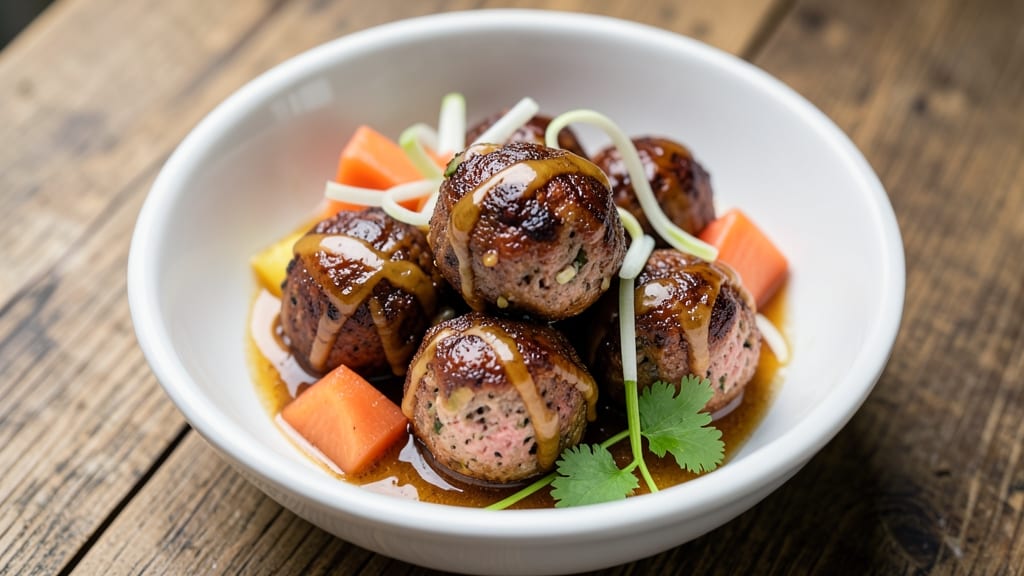
Recreating Trader Joe's pineapple teriyaki chicken meatballs at home delivers that same sweet-tangy balance in every bite—juicy, flavorful meatballs with a glossy sauce that's impossible to resist. I've tested dozens of variations, and this method nails the original's signature combination of pineapple brightness and savory depth without the store-bought shortcuts.
The secret lies in properly binding the chicken mixture and simmering the sauce just until it thickens.
What makes this recipe work is the two-stage cooking process: first forming meatballs with a perfect texture (tender inside, slightly crisp edges), then building the sauce from scratch using pantry staples.
The sauce develops complex flavors as it reduces, with just enough pineapple to keep it vibrant while the soy and ginger add that signature umami kick. It's the kind of dish that transforms a simple weeknight into something special.
By the time you're done, you'll have meatballs that stay moist and flavorful, coated in a sauce that's sticky enough to cling but not so thick it's gloppy.
The aroma alone will have everyone gathering around your table, and the first bite delivers that perfect harmony of sweet, tangy, and savory. This is comfort food at its finest—easy enough for weeknights but impressive enough for company.
Serve with steamed rice and steamed broccoli for a complete meal that rivals the original. The beauty of this recipe is how versatile it is—use it in sandwiches, pasta dishes, or even as a topping for baked potatoes. Here's exactly how to make it!
Ingredients for trader joe's pineapple teriyaki chicken meatballs
Pantry staples meet fresh ingredients for that iconic teriyaki brightness—juicy meatballs and glossy sauce in one.
| Ingredient | Amount | Notes |
|---|---|---|
| Ground Chicken Breast 🍗 | 1 ¼ lb | 93% lean or higher for juiciness |
| Pineapple Juice 🍍 | ½ cup | Freshly squeezed preferred |
| Low-Sodium Soy Sauce 🍶 | ¼ cup | Kikkoman preferred for balance |
| Honey 🍯 | ¼ cup | Wildflower for floral notes |
| Fresh Ginger 🌿 | 2 tbsp | Finely grated, aromatic |
| Garlic Cloves 🧄 | 4 cloves | Minced, for depth |
| Green Onions 🧅 | 2 whole | Thinly sliced, for freshness |
| Sesame Oil 🫒 | 1 tbsp | Toasted sesame preferred |
| All-Purpose Flour 🌾 | ¼ cup | For meatball binding |
| Large Egg 🥚 | 1 whole | Room temperature for binding |
| Garlic Powder 🧄 | 1 tsp | Enhances flavor profile |
| Ground Black Pepper 🌶️ | ½ tsp | Freshly ground for heat |
| Diamond Crystal Kosher Salt 🧂 | ½ tsp | For balanced seasoning |
| Cornstarch 🍚 | 1 tbsp | For sauce thickening |
| Vegetable Oil 🫒 | 1 tbsp | For pan-frying meatballs |
The ground chicken breast is non-negotiable here—93% lean or higher ensures tender meatballs without drying out. Trader Joe's carries excellent quality, but any reputable grocery store's pre-ground chicken works. For the sauce, fresh ginger makes all the difference—its zing cuts through the sweetness. Kikkoman soy sauce delivers the perfect balance of umami and saltiness, but any low-sodium brand will suffice. The pineapple juice should be freshly squeezed if possible; canned juice works in a pinch but lacks that vibrant freshness. When grating ginger, use a microplane for maximum surface area and aroma release—this is where the sauce's complexity begins.
No fresh ginger? Powdered ginger at half the amount works, though it lacks the same depth. Substituting honey? Maple syrup is the closest alternative, though it adds a distinct earthiness. For the meatballs, panko breadcrumbs can replace flour if you prefer extra crunch, but the flour creates a smoother texture. The sesame oil is optional but adds that signature nutty aroma—toasted sesame oil is ideal, though regular sesame oil will work. When mincing garlic, a garlic press ensures even distribution without overpowering the dish. The cornstarch is critical for thickening the sauce; arrowroot powder can substitute at the same ratio, though it may yield a slightly clearer sauce.
Store the cooked meatballs in an airtight container with a thin layer of sauce to prevent drying. They keep for 4-5 days in the refrigerator and freeze beautifully for up to 3 months. The sauce can be reheated separately or poured over the meatballs when serving. For optimal freshness, prepare the sauce fresh each time—its vibrant color and bright flavor fade when reheated. If making ahead, refrigerate the sauce separately and combine with meatballs just before serving to maintain that glossy finish. The aroma alone will have everyone anticipating the meal.
Why You'll Love This Recipe
- No-Fuss Mixing: I swear by this recipe because it’s just three bowls—no food processor, no fuss. Toss ground chicken with ginger, soy sauce, and a splash of pineapple juice, then roll. That’s it. Honestly, my hands get sticky, but the cleanup is zero effort.
- Sweet-Savory Magic: The honey and ginger in the sauce cut through the soy’s saltiness while the pineapple juice keeps it bright. It’s not too sweet, not too salty—just that perfect balance where every bite makes you want another. (Yes, even on a Tuesday night.)
- Weeknight Workhorse: I make a double batch and freeze half. Defrost for quick lunches or toss into stir-fries later. It’s my go-to for game days, lazy dinners, or when I need something fast that still feels special.
- Budget-Friendly Protein: Ground chicken breast is lean and affordable, and the sauce stretches easily. A single batch feeds four, and leftovers reheat like a dream. Between us, this is how I feed my family well without breaking the bank.
Step-by-step instructions for Trader Joe's-inspired pineapple teriyaki chicken meatballs
Here's the method for creating restaurant-quality teriyaki meatballs at home.
Prepare the Meatball Mixture
In a large mixing bowl, combine the 1.25 lb ground chicken breast with the 0.25 cup all-purpose flour, 1 tsp garlic powder, 0.5 tsp ground black pepper, and 0.5 tsp diamond crystal kosher salt. Using your hands, gently mix until the ingredients are evenly distributed but don't overwork the mixture—this prevents tough meatballs.
Next, add the 1 whole large egg and the 2 tbsp finely grated fresh ginger. Mix thoroughly until the egg coats the chicken mixture completely, creating a cohesive but not sticky dough. The texture should hold together when pressed but still be pliable. If the mixture feels too dry, add 1-2 teaspoons of pineapple juice to help bind it.
Form and Pan-Fry the Meatballs
Using your hands, roll the mixture into 1.5-inch diameter meatballs—about 16-18 total, depending on size. Place them on a plate and refrigerate for 15 minutes to firm up, making them easier to handle without breaking.
Heat 1 tbsp vegetable oil in a large skillet over medium-high heat until shimmering. Add the meatballs in a single layer, leaving space between them, and cook undisturbed for 2-3 minutes until they develop a golden-brown crust. Avoid pressing them down—they'll release their juices naturally as they cook.
Flip the meatballs carefully and cook for another 2-3 minutes until they're evenly browned and cooked through to an internal temperature of 165°F. Remove them from the skillet and set aside on a paper towel-lined plate to drain excess oil.
Create the Pineapple Teriyaki Sauce
In the same skillet, reduce the heat to medium and add the 4 cloves minced garlic cloves. Sauté for 30 seconds until fragrant, being careful not to let them burn. Pour in the 0.5 cup pineapple juice and 0.25 cup low-sodium soy sauce, scraping up any browned bits from the bottom of the pan.
Add the 0.25 cup honey and 1 tbsp sesame oil, stirring to combine. Let the mixture simmer for 3-4 minutes until it begins to thicken slightly. Sprinkle in the 1 tbsp cornstarch and stir vigorously for 1-2 minutes until the sauce reaches a glossy, syrupy consistency—it should coat the back of a spoon smoothly.
Finish and Serve
Return the meatballs to the skillet and gently toss to coat them evenly in the teriyaki sauce. Cook for 1-2 minutes until the sauce clings to the meatballs and they're fully heated through. The sauce should be well-incorporated, with no dry spots on the meatballs.
Transfer the meatballs to a serving platter and drizzle any remaining sauce from the skillet over the top. Garnish with the 2 whole green onions, thinly sliced, for a pop of freshness and color. Serve immediately with steamed rice or noodles for the full experience.
Pro Tips For Making Trader Joe'S Pineapple Teriyaki Chicken Meatballs
- Chill the Chicken First: Skip the rush and pop that ground chicken in the fridge for 20-30 minutes before forming meatballs. I learned this the hard way—warm chicken gets greasy and falls apart when you try to shape it, especially with lean breast meat that’s already tricky to handle.
- Grate That Ginger Fine: Fresh ginger is non-negotiable here, but don’t just chop it—grate it on the smallest side of a box grater or pulse it in a food processor until it’s almost paste-like. I used to chunk it, and the flavor would clump instead of blending smoothly into the sauce.
- Simmer Sauce Low and Slow: After combining pineapple juice, soy sauce, honey, and ginger, bring it to a boil once, then drop the heat to a bare simmer. Let it cook uncovered for 10 minutes—this thickens the sauce naturally and cuts the sharpness of the pineapple. Skipping this step leaves you with a watery, overly sweet glaze.
- Use a Mixing Bowl, Not Hands: Resist the urge to knead the meatball mixture by hand—it makes the chicken tough. Instead, use a large bowl and gently fold in the sauce ingredients with a spatula or your fingers until just combined. Overworking it turns the meatballs into dense, dry hockey pucks.
Flavor customization for this dish
Sweet Heat Level
Crank up the heat by adding 1 tbsp of sriracha or ½ tsp of cayenne pepper directly to the sauce mixture. For a smoky kick, swap ½ tsp of smoked paprika for the garlic powder in the meatballs.
I once added ½ cup of diced jalapeños to the sauce and roasted them first for a charred depth—trust me, it’s a game-changer. 🌶️
Tangy Twist
Balance the sweetness with extra acidity by increasing the pineapple juice to ¾ cup or adding 1 tbsp of rice vinegar to the sauce. For a citrusy profile, stir in 1 tbsp of lime juice at the end.
My Portland farmers market sells fresh pineapples year-round, and using their juice makes a noticeable difference in brightness.
Umami Boost
Deepening the savory notes is easy—swap 2 tbsp of the soy sauce for 1 tbsp of hoisin sauce or add 1 tsp of fish sauce> for an authentic Southeast Asian touch.
I also love adding 1 tbsp of miso paste to the sauce base for a rich, fermented complexity that pairs perfectly with the sweetness.
Spiced Variations
For a warm, aromatic twist, add ½ tsp of ground cinnamon or ¼ tsp of ground cardamom to the meatball mixture. These spices complement the pineapple beautifully and add a subtle warmth.
I’ve also experimented with ½ tsp of five-spice powder, which brings a fragrant, slightly floral note that works surprisingly well.
Herbaceous Freshness
Brighten the dish with fresh herbs like 1 tbsp of chopped cilantro or 1 tbsp of Thai basil stirred into the sauce at the end. For a more robust flavor, add 1 tsp of chopped mint leaves>—it sounds unusual, but the coolness cuts through the richness perfectly.
My backyard garden always has fresh herbs ready for experiments like this.
Crunchy Toppings
Add texture with 2 tbsp of toasted sesame seeds or ¼ cup of chopped peanuts> sprinkled on top before serving. For extra crunch, toss the cooked meatballs with 2 tbsp of crushed wonton strips> before adding the sauce.
These toppings add a satisfying contrast to the tender meatballs and glossy sauce.
Nutrition facts
Frequently asked questions
Can I make these meatballs with ground turkey instead of chicken?
Yes, but expect slightly different results. Ground turkey will yield slightly leaner meatballs that may dry out faster. For best results, use a 93% lean or leaner ground turkey and add 1 extra tablespoon of pineapple juice to the mixture to maintain moisture. Cook them at medium heat rather than high to prevent overcooking.
How do I prevent the meatballs from falling apart when cooking?
Overworking the mixture is the #1 cause of crumbly meatballs. Keep mixing gentle and avoid adding too much liquid. The 15-minute chill before cooking helps them hold together. Also, use cold hands when forming meatballs—they'll firm up better. If your mixture feels too dry, add just 1 teaspoon of pineapple juice at a time.
Can I bake these meatballs instead of pan-frying?
Preheat oven to 400°F and bake on a parchment-lined sheet for 15-18 minutes, flipping halfway. For extra flavor, toss with 1 teaspoon of sesame oil before baking. The sauce can be simmered separately and combined at the end. Baking gives slightly less browning but works perfectly for meal prep.
What's the best way to store leftovers?
Store meatballs in an airtight container with a thin layer of sauce to keep them moist. They'll last 4-5 days in the fridge or 3 months frozen. To reheat, warm in a skillet with a splash of water or microwave for 30-45 seconds. For frozen meatballs, thaw overnight in the fridge before reheating.
How can I make this dish gluten-free?
Replace the all-purpose flour with 0.25 cup gluten-free flour blend or 0.2 cup ground almonds. For the sauce, use 1 tbsp cornstarch (already gluten-free) or 1 tbsp arrowroot powder. Check your soy sauce—some brands contain wheat. Tamari is a naturally gluten-free alternative that works beautifully.