
Sauces & Condiments
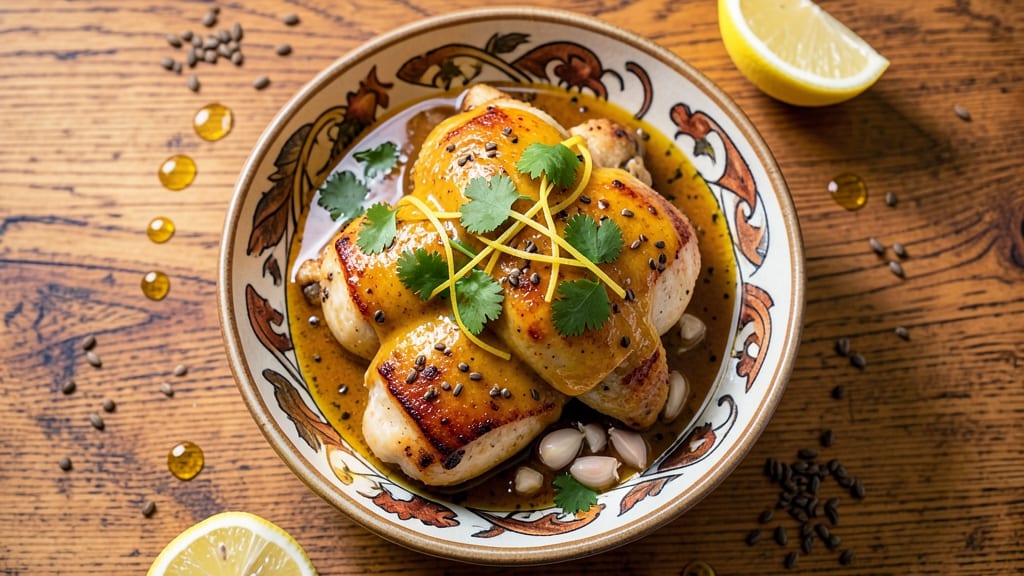
The aji amarillo sauce viva chicken recipe transforms simple chicken into a vibrant, juicy masterpiece that balances fiery heat with creamy richness. This Peruvian classic relies on a marinade that tenderizes the meat while infusing it with aromatic spices, ensuring every bite delivers a perfect harmony of flavors.
The sauce itself is where the magic happens—spicy, tangy, and slightly sweet, it clings to the chicken like a velvety embrace, elevating a humble piece of meat into something extraordinary.
The key to this recipe lies in patience and precision: letting the chicken marinate for at least 4 hours (overnight is ideal) allows the flavors to penetrate deeply, while the sauce simmers just long enough to develop its signature depth without losing its vibrant color.
Traditional techniques, like blooming the spices in oil and reducing the sauce gently, ensure the final dish tastes as authentic as it looks.
What you’ll end up with is juicy, golden-brown chicken pieces bathed in a glossy, aromatic sauce that’s both bold and balanced—spicy enough to wake up your palate but creamy enough to satisfy.
The sauce’s tangy brightness cuts through the richness of the chicken, creating a dish that’s as complex as it is delicious. This is the kind of meal that turns a simple dinner into a celebration.
Serve it with crispy fries, fluffy white rice, or a fresh ensalada mixta to round out the experience. The contrast of textures and temperatures makes every bite even more satisfying. Let’s get cooking—this recipe delivers restaurant-quality results at home.
Ingredients for aji amarillo sauce viva chicken
Pantry staples meet Peruvian spices for a dish bursting with vibrant yellow chili heat and juicy chicken centers.
| Ingredient | Amount | Notes |
|---|---|---|
| Boneless Chicken Thighs 🍗 | 1 ½ lb | Skin-on preferred for juiciness |
| Aji Amarillo Paste 🌶️ | 3 tbsp | Peruvian yellow chili paste |
| Heavy Cream 🥛 | ½ cup | Full-fat for creaminess |
| Lemon Juice 🍋 | ¼ cup | Freshly squeezed |
| Garlic Cloves 🧄 | 6 cloves | Minced for marinade |
| Cumin Seeds 🌿 | 1 tsp | Toasted for depth |
| Ground Cinnamon 🍃 | ½ tsp | Authentic Peruvian touch |
| Olive Oil 🫒 | ½ cup | Extra-virgin preferred |
| Onion 🧅 | 1 whole | Finely chopped |
| Fresh Cilantro 🌿 | ¼ cup | Chopped for garnish |
| Salt 🧂 | 1 ½ tsp | Kosher or sea salt |
| Black Pepper 🌶️ | ½ tsp | Freshly ground |
| Limes 🍋 | 2 whole | Juiced for brightness |
| Butter 🧈 | 2 tbsp | Unsalted for sauce |
| Fresh Cilantro 🌿 | ¼ cup | Extra for garnishing |
The aji amarillo paste is the heart of this dish—look for authentic Peruvian brands at Latin markets or well-stocked grocery stores like Whole Foods. If you can't find it, yellow chili powder with a pinch of turmeric works in a pinch, though it won't be identical. The chicken thighs are non-negotiable here—bone-in, skin-on stays juiciest, but boneless works if that's all you've got. For the best flavor, toast your cumin seeds in a dry pan for 30 seconds before grinding. Fresh cilantro matters too—buy the bunch and chop what you need, not the pre-chopped kind.
No aji amarillo paste? Mix 2 tbsp yellow chili powder with 1 tsp turmeric and 1 tsp paprika for a close substitute. Running out of heavy cream? Full-fat coconut milk gives a similar richness. The butter in the sauce can be swapped for olive oil if you're avoiding dairy, though it'll be slightly lighter. For extra depth, add a pinch of ground cloves to the marinade—it's traditional in some Peruvian recipes. The limes should be juiced fresh; bottled lime juice lacks the brightness this dish needs.
Marinate the chicken for at least 4 hours—overnight is ideal for maximum flavor. The sauce keeps well in the fridge for 5 days, though it's best used fresh. For meal prep, store components separately: chicken in one container, sauce in another. Reheat gently on the stove—microwaving can make the sauce watery. Garnish with fresh cilantro right before serving to keep it vibrant. This dish reheats beautifully, making it perfect for leftovers.
Why You'll Love This Recipe
- One-Pot Magic: I swear by this recipe—just brown the chicken, toss in the aji amarillo paste with garlic, and let it simmer until the sauce thickens. No extra bowls, no fuss, and that vibrant yellow sauce basically cooks itself.
- Tangy Creamy Bliss: The heavy cream and lemon juice create this perfect balance—smooth, rich, but with a bright kick that cuts through the richness. Honestly, the first bite makes me want to skip dessert.
- Weeknight Workhorse: This dish is my go-to when I need something hearty but still feels special. Serve it over rice for a quick weeknight meal, or double the batch for leftovers that taste just as good reheated the next day.
- Budget-Friendly Feast: Chicken thighs are forgiving and affordable, and a small jar of aji amarillo paste stretches to feed four. Between us, this is the kind of recipe that makes grocery day feel like a win—great flavor without breaking the bank.
Step-by-step instructions for aji amarillo sauce viva chicken
Here's how to achieve tender, juicy chicken with a vibrant yellow chili sauce that balances heat and creaminess perfectly.
Marinate the Chicken for Maximum Flavor
In a large bowl, combine the 1.5 lb boneless chicken thighs, 3 tbsp aji amarillo paste, 0.5 cup olive oil, 0.25 cup lemon juice, 6 cloves minced garlic, 1 tsp toasted cumin seeds, 0.5 tsp ground cinnamon, 1.5 tsp salt, and 0.5 tsp black pepper. Mix gently but thoroughly to coat the chicken evenly. The marinade should cling to the meat, creating a flavorful barrier that will penetrate during cooking.
Cover the bowl and refrigerate for at least 2 hours, but I recommend 4 hours or even overnight for maximum flavor infusion. This resting period allows the aji amarillo's vibrant color and complex flavors to meld with the chicken, while the acidity from the lemon juice helps tenderize the meat. Don't skip this step—it's what makes the final dish truly exceptional.
Sear the Chicken for Crispy Texture
Heat 2 tbsp butter and 2 tbsp olive oil in a large skillet over medium-high heat until the butter foams and the oil shimmers. Remove the chicken from the marinade (reserve the marinade) and pat it dry with paper towels—this ensures a good sear. Working in batches if needed, add the chicken to the skillet and cook for 4-5 minutes per side until golden brown and crispy.
You'll know it's ready when the chicken releases easily from the pan and the underside is deeply browned. Transfer the seared chicken to a plate and tent loosely with foil to keep warm. The crispy exterior will contrast beautifully with the tender, juicy interior we're about to create.
Build the Aji Amarillo Sauce
In the same skillet (no need to clean it—the browned bits add flavor), add the reserved marinade and bring to a simmer over medium heat. Cook for 3-4 minutes until the liquid reduces slightly and the sauce begins to thicken. Then add the 1 whole finely chopped onion and cook for another 5 minutes until softened but not browned.
Stir in the 0.5 cup heavy cream and let the sauce simmer gently for 2-3 minutes until it reaches your desired consistency—it should coat the back of a spoon but still be silky smooth. The cream balances the heat from the aji amarillo while adding richness. Taste and adjust seasoning with additional salt or pepper if needed, but the sauce should already be well-seasoned from the marinade.
Finish the Chicken and Sauce Together
Return the seared chicken to the skillet, spooning the sauce over the top. Cover and simmer gently for 8-10 minutes over low heat, just until the chicken reaches an internal temperature of 165°F. This gentle cooking ensures the chicken stays juicy while absorbing the flavorful sauce. The chicken should be fork-tender with just a slight resistance in the center.
Once cooked, transfer the chicken to a serving platter and tent with foil to rest for 5 minutes. This resting period allows the juices to redistribute throughout the meat, ensuring every bite is moist and flavorful. Keep the sauce warm in the skillet over low heat during this time.
Garnish and Serve with Fresh Herbs
Before serving, stir the 2 tbsp butter into the sauce to enrich it further. Then spoon the sauce over the chicken and garnish generously with the 0.25 cup chopped fresh cilantro and the juice of 2 whole limes. The bright acidity of the lime juice cuts through the richness of the cream and adds a refreshing finish.
Serve immediately with steamed rice or crusty bread to soak up the delicious sauce. Each bite should deliver a perfect balance of tender, juicy chicken with a vibrant, slightly spicy aji amarillo sauce that's creamy and full of depth. The contrast between the crispy sear, tender meat, and rich sauce makes this dish truly memorable.
Pro Tips For Making Aji Amarillo Sauce Viva Chicken
- Sear the Chicken First: I learned this the hard way—skipping the sear means your sauce will taste like it’s swimming in raw chicken flavor. Hit a screaming-hot pan with oil, then brown the thighs skin-side down for 4-5 minutes until deep golden. That crust locks in juices and gives the dish real depth.
- Bloom the Aji Amarillo: Don’t just toss the paste in cold. Warm it in the pan with oil for 30 seconds first—this wakes up the flavors and prevents a bitter aftertaste. My grandmother swore by this, and she was right: it makes the sauce taste fresh, not like jarred heat.
- Strain the Cream: Heavy cream loves to split when it hits raw garlic or aji paste, and nobody wants curdled sauce. After cooking the garlic and paste, let the mixture cool slightly, then whisk in the cream off the heat. If it’s too hot, the sauce will break—trust me, I’ve seen it happen.
- Deglaze with Lemon Juice: The second the chicken comes out, hit the pan with a splash of lemon juice while it’s still hot. It cuts through the richness, brightens the sauce, and stops the aji amarillo from tasting flat. Skip this, and your dish will feel heavy instead of balanced.
Creative variations of these flavors
Spicy Fusion Twist
For a modern kick, add 1 tbsp of gochujang (Korean chili paste) to the marinade alongside the aji amarillo paste. This fusion brings umami depth and a smoky-sweet contrast that complements the Peruvian flavors beautifully.
I like to finish with a drizzle of sriracha-infused honey before serving—just 1 tsp mixed with the lime juice. Trust me, the balance of heat and sweetness will have everyone asking for seconds. 🌶️
Creamy Coconut Adaptation
Swap the heavy cream for ½ cup full-fat coconut milk to make this dish dairy-free while keeping it rich and velvety. The coconut adds a subtle sweetness that pairs perfectly with the tangy aji amarillo.
For extra authenticity, use coconut cream instead of regular coconut milk—it's thicker and gives the sauce that luxurious texture. Garnish with toasted sesame seeds for a nutty crunch that ties everything together. ✨
Slow-Cooker Shortcut
If you're short on time, use a slow cooker for hands-off cooking. After searing the chicken, transfer it to the slow cooker with the marinade and simmer on low for 3-4 hours. Just before serving, stir in the heavy cream and finish with the butter and lime juice.
This method keeps the chicken incredibly tender while letting the sauce develop its full flavor. Perfect for busy weeknights! ⏰
Vegetarian Option
For a plant-based version, replace the chicken with extra-firm tofu or portobello mushrooms. Marinate the tofu in the same mixture (press it first to remove excess water), then pan-fry until crispy.
The mushrooms should be sliced thick and roasted until tender. Both options absorb the sauce beautifully, making this dish just as satisfying without the meat. 🌱
Extra Heat Level
Crank up the spice by adding ½ tsp of cayenne pepper directly to the sauce or a dash of habanero powder for smoky heat. For those who love a fiery finish, serve with pickled red onions on the side—their tangy crunch cools the palate between bites.
I like to make a small batch of pickled onions by thinly slicing 1 red onion and soaking it in ½ cup vinegar, 1 tbsp sugar, and ½ tsp salt for 30 minutes. 🔥
Breakfast Adaptation
Turn this into a hearty breakfast by serving the chicken over crispy hash browns or arepas (cornmeal cakes). Top with a fried egg and extra cilantro for a fusion brunch that’s equal parts comforting and exciting.
The rich sauce pairs wonderfully with the egg’s runny yolk, creating a dish that’s as indulgent as it is flavorful. Perfect for weekend mornings! 🍳
Nutrition facts
Frequently asked questions
Can I use chicken breast instead of thighs for this recipe?
While you can use chicken breast, thighs are ideal because they stay juicier during cooking. If using breast, pound them to an even thickness and reduce cooking time to 6-8 minutes total to prevent drying out. For extra moisture, add 1 tbsp chicken broth to the sauce at the end.
How do I adjust the spice level in the aji amarillo sauce?
The heat comes from the aji amarillo paste, so reduce it by 1 tbsp for mild heat or add ½ tsp cayenne for extra spice. For balance, always finish with fresh lime juice—the acidity helps cool the palate. If the sauce tastes too sharp, stir in 1 tsp sugar to mellow the flavors.
What's the best way to store leftovers?
Store chicken and sauce separately in airtight containers for up to 3 days in the fridge. Reheat gently in a skillet over low heat with a splash of water to prevent drying. The sauce can also be frozen for 3 months—thaw overnight in the fridge before reheating. Never microwave the sauce directly as it can make it watery.
Can I make this recipe without a skillet?
Yes! Use a cast-iron Dutch oven for even heat distribution or a large oven-safe pot. For stovetop alternatives, try a griddle (great for crispy chicken) or even a slow cooker (see creative variations). The key is maintaining medium-high heat for searing and low heat for finishing to keep the chicken tender.
Why did my sauce turn out too thin?
This usually happens from overcooking or not reducing the sauce enough. For next time, simmer uncovered for 5-7 minutes longer to thicken, or stir in 1 tbsp cornstarch mixed with water to bind it. The sauce should coat the back of a spoon but still be silky—never let it boil vigorously or it'll break.