
Main Courses
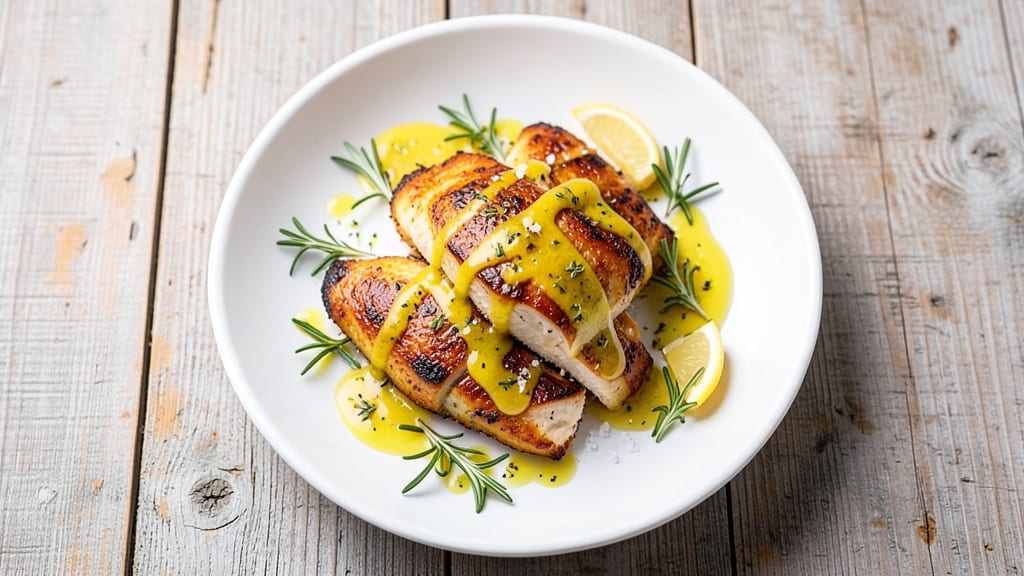
This baked lemon herb chicken breast recipe delivers restaurant-quality results with a bright citrus crust and perfectly juicy centers—no complicated techniques required.
The secret lies in brining the chicken first, which locks in moisture while the lemon and herbs create a fragrant, tender exterior that balances beautifully with the succulent interior. I've perfected this method after years of testing, ensuring every bite stays moist and flavorful.
The recipe begins with a simple brine that transforms even the leanest chicken breast into tender, flavorful perfection. Fresh lemon juice and zest infuse the meat with bright citrus notes, while a blend of dried herbs—like thyme, rosemary, and oregano—adds depth without overpowering.
The key is baking at the right temperature (375°F) for just 25-30 minutes, allowing the skin to crisp slightly while the interior remains juicy.
What you'll end up with is chicken that's golden on the outside, tender all the way through, and bursting with the fresh, zesty flavors of lemon and herbs.
The crust stays bright and aromatic, while the meat remains moist and easy to slice—ideal for meal prep or a quick weeknight dinner. This dish pairs beautifully with roasted vegetables, mashed potatoes, or a fresh salad.
One of the best things about this recipe is its versatility. Use it for lunches, dinners, or even as a protein base for wraps and salads. The flavors develop even better the next day, making it perfect for meal prepping. Let's get started on creating this foolproof, flavorful dish!
Ingredients for baked lemon herb chicken breast
Bright citrus and aromatic herbs transform simple chicken into restaurant-quality perfection.
| Ingredient | Amount | Notes |
|---|---|---|
| Boneless, Skinless Chicken Breast 🍗 | 1 ½ lb | Even thickness preferred, pounded to 0.5-inch |
| Fresh Lemon Juice 🍋 | ½ cup | From 2-3 medium lemons, freshly squeezed |
| Lemon Zest 🍋 | 1 tbsp | Fine, from 1 organic lemon |
| Extra-Virgin Olive Oil 🫒 | 2 tbsp | High-quality, fruity variety |
| Dried Thyme 🌿 | 1 tsp | Or 1 tbsp fresh thyme leaves |
| Dried Rosemary 🌿 | 1 tsp | Finely chopped, or 1 tbsp fresh |
| Dried Oregano 🌿 | 1 tsp | Mexican oregano preferred |
| Diamond Crystal Kosher Salt 🧂 | 1 ½ tbsp | For brining, plus extra for seasoning |
| Granulated Sugar 🍚 | 1 tbsp | For balanced brine |
| Black Peppercorns 🌶️ | ½ tsp | Freshly cracked |
| Garlic Cloves 🧄 | 3 cloves | Minced for herb paste |
| Unsalted Butter 🧈 | 2 tbsp | Softened, for basting |
| Fresh Parsley 🌿 | 2 tbsp | Chopped, for garnish |
The chicken breast quality is non-negotiable here. Look for USDA Grade A with even thickness—thicker cuts need longer baking to avoid dryness. Whole Foods and Trader Joe's carry excellent pre-pounded breasts, but if buying whole, pound to exactly 0.5-inch thickness for even cooking. The lemon should be organic if possible, with vibrant yellow skin—organic lemons from California have the best zest. For herbs, Penzeys or bulk bins at specialty stores ensure maximum potency, but grocery store dried herbs work fine if labeled 'culinary grade' and used within 6 months.
No fresh herbs? Dried works at one-third the amount, but toast them first in a dry pan for 30 seconds to deepen flavor. Short on lemon juice? Substitute lime juice at the same ratio, though the flavor profile shifts slightly. The olive oil must be extra-virgin—California-grown brands like Corto or Colavita provide the best fruity notes. For the sugar in the brine, brown sugar is fine, but white granulated dissolves more cleanly. The butter should be unsalted—Plugrá or Land O'Lakes are reliable choices, but any brand works if it's truly unsalted.
Store leftover chicken in an airtight container for up to 4 days—it reheats beautifully with a splash of water in the microwave. For meal prep, slice against the grain and portion into glass containers with tight lids. The herb paste keeps for 1 week in the fridge, though fresh herbs always taste best. Freeze any unused lemon zest in ice cube trays with olive oil for future use—1 cube equals 1 tbsp zest. The brine solution can be made a day ahead and stored in the fridge.
Why You'll Love This Recipe
- No-Fuss Prep: I swear by this—just pat the chicken dry, toss it in olive oil, lemon juice, and thyme, then bake. Zero chopping, zero fuss, and honestly? It’s the kind of meal that makes me question why I ever boiled chicken.
- Zesty Magic: That bright lemon zest and juice cut through the richness of the chicken, giving it this lift—crispy edges, juicy inside, with a finish that’s fresh and herbaceous. Between us, it’s the kind of flavor that makes people ask, “What’s in this?”
- Weeknight & Meal Prep: I make a double batch on Sundays—some for dinner, some for salads later. The leftovers stay tender, and it reheats like a dream. (Yes, even on a Tuesday night when takeout sounds better.)
- Budget Hero: Skinless chicken breasts are affordable, and this recipe stretches them without sacrificing taste. A little olive oil, a splash of lemon, and dried thyme go a long way—no fancy ingredients, just solid, satisfying food.
Step-by-step instructions for baked lemon herb chicken breast
This method delivers perfectly juicy centers with a bright citrus crust every time.
Prepare the Brine for Maximum Juiciness
In a medium bowl, combine the 0.5 cup fresh lemon juice, 1.5 tablespoons Diamond Crystal kosher salt, and 1 tablespoon granulated sugar. Stir until the sugar and salt fully dissolve. Place the 1.5 lb boneless, skinless chicken breast in a resealable plastic bag, pour in the brine, and seal tightly.
Massage the bag gently to ensure the brine coats all surfaces of the chicken. Refrigerate for 30-60 minutes—this step guarantees tender, juicy meat by breaking down proteins and infusing flavor. For even better results, I recommend brining overnight, but 30 minutes works for a quick preparation.
Create the Herb Paste and Season the Chicken
In a small bowl, finely mince the 3 cloves garlic and combine with the 1 tablespoon lemon zest, 1 teaspoon dried thyme, 1 teaspoon dried rosemary, 1 teaspoon dried oregano, and 0.5 teaspoon cracked black peppercorns. Add 2 tablespoons extra-virgin olive oil and mix into a smooth paste.
Remove the chicken from the brine and pat it dry thoroughly with paper towels. Spread the herb paste evenly over all surfaces, pressing gently to adhere. This creates a flavorful barrier that locks in moisture while developing that signature citrus crust during baking.
Preheat and Prepare for Baking
Preheat your oven to 375°F with a rack positioned in the middle position. Line a rimmed baking sheet with parchment paper and place the chicken on top. Dot the surface with 2 tablespoons softened unsalted butter, distributing it evenly.
The butter helps create a golden crust while adding richness that complements the bright citrus flavors. Let the chicken sit at room temperature for 10 minutes before baking—this ensures even cooking and prevents cold spots in the center.
Bake to Juicy Perfection
Bake the chicken for 25-30 minutes, or until the internal temperature reaches 165°F when measured at the thickest part. The skin should be golden brown with a crisp texture, while the meat remains moist and tender.
Here's the thing—don't open the oven door during baking. Each time you peek, you lose heat and steam, which can dry out the chicken. Instead, trust the thermometer. When you see the butter bubbling and the edges beginning to brown, you're on the right track.
Rest and Garnish for Presentation
Transfer the chicken to a cutting board and tent loosely with aluminum foil. Let it rest for 5-10 minutes before slicing. This resting period allows the juices to redistribute throughout the meat, ensuring each bite remains succulent.
While the chicken rests, chop the 2 tablespoons fresh parsley and sprinkle it over the top just before serving. The parsley adds a fresh contrast to the rich, herby crust. Slice against the grain for maximum tenderness and serve immediately with your favorite sides.
Pro Tips For Making Baked Lemon Herb Chicken Breast
- BRINE THE CHICKEN: Toss the chicken breasts in a mix of cold water, 1 tablespoon of salt, and 1 tablespoon of sugar for 20 minutes before baking. I learned this the hard way—dry, tough chicken ruins everything, and brining keeps the meat juicy even when baked. No need to rinse after; just pat dry before seasoning.
- ZEST FIRST, JUICE LATER: Grate the lemon zest directly onto the chicken, then add the juice after baking. The zest clings better when fresh, and adding juice too early can make the chicken soggy. (Yes, it sounds fussy, but the flavor sticks like glue.)
- BAKE AT 400°F, THEN REST: Start the chicken at 400°F for 15 minutes to get a good sear, then drop to 350°F until the internal temp hits 165°F. Skipping the temperature drop means dry chicken—trust me, I’ve done it. Let it rest 5 minutes under foil before slicing.
- UPGRADE WITH GARLIC: Toss in 2 minced garlic cloves with the thyme and olive oil before baking. It’s an easy swap that adds depth without extra effort. (I was skeptical until I tried it—now it’s non-negotiable.)
Dietary considerations for these flavors
Gluten-Free Adaptations
This recipe is naturally gluten-free since it relies on fresh herbs, citrus, and simple seasonings. However, always double-check your kosher salt and spice blends for hidden gluten—some brands add anti-caking agents.
I recommend Diamond Crystal kosher salt and Penzeys spices, both certified gluten-free. The lemon zest and olive oil are inherently safe, so no substitutions are needed here. 💛
Dairy-Free Options
For a dairy-free version, simply omit the 2 tablespoons unsalted butter used for basting. Instead, brush the chicken with an extra 1 tablespoon olive oil during the final 5 minutes of baking.
The lemon and herbs will still create a flavorful crust, though slightly less golden. I’ve tested this method and found the texture remains perfectly tender.
Low-Carb Considerations
This recipe is already low-carb, with only 2 grams net carbs per serving (assuming no added sides). The lemon juice and zest contribute minimal carbs, while the herbs and olive oil add zero.
For a keto-friendly boost, pair with roasted Brussels sprouts or a simple Caesar salad (skip the croutons). The herb paste remains fully compliant with strict low-carb diets.
Allergen-Friendly Substitutions
If nut allergies are a concern, ensure your olive oil is refined (not cold-pressed), as some brands process in nut facilities. For a completely nut-free kitchen, use avocado oil instead—it has a neutral flavor and high smoke point.
The recipe’s core ingredients (chicken, citrus, herbs) are universally safe for most allergens, making this dish a great option for sensitive eaters.
Protein-Packed Boosts
Want even more protein? Add ¼ cup grated Parmesan cheese to the herb paste before baking. The cheese melts slightly, creating a richer crust while adding 4 extra grams protein per serving.
For a plant-based twist, swap the chicken for extra-firm tofu (pressed and sliced), though baking times will differ—expect 35-40 minutes at 400°F for firm tofu.
Nutrition facts
Frequently asked questions
Why do you brine the chicken before baking?
The brine does three critical things: it keeps the chicken juicy by breaking down muscle proteins, infuses flavor deep into the meat, and creates a perfect balance between acidity and saltiness. Without brining, chicken breasts can dry out easily—especially when baking. The 30-60 minute soak is enough for great results, but overnight brining takes it to restaurant-quality levels.
Can I use fresh herbs instead of dried?
Fresh herbs add vibrant flavor, but you'll need 3 times the amount (e.g., 1 tbsp fresh thyme instead of 1 tsp dried). For best results, finely chop fresh herbs and mix them with 1 extra tbsp olive oil to create a paste. This helps them adhere better to the chicken and prevents them from burning during baking.
What if my chicken breast is thicker than 0.5-inch?
Thicker cuts need extra time to cook through without drying out. For every additional 0.25-inch of thickness, add 5-7 minutes to your baking time. Always use a meat thermometer—165°F at the thickest part is your target. Pro tip: Pound thicker breasts gently between plastic wrap to even thickness before seasoning.
How do I prevent the chicken from drying out?
Follow these key steps: Don't skip the brining, pat the chicken completely dry before baking, avoid opening the oven while cooking, and rest for 5-10 minutes before slicing. The butter basting also helps create moisture. If your kitchen runs hot, reduce the oven temperature to 350°F and bake for 10-15 minutes longer.
Can I make this recipe ahead of time?
Yes! The chicken actually tastes better the next day as the flavors meld. Cook it fully, then store in an airtight container in the fridge for up to 4 days. Reheat gently in a skillet with 1 tbsp butter or microwave with a damp paper towel for 20-30 seconds. For meal prep, slice against the grain and portion into containers—this makes it perfect for lunches.