
Main Courses
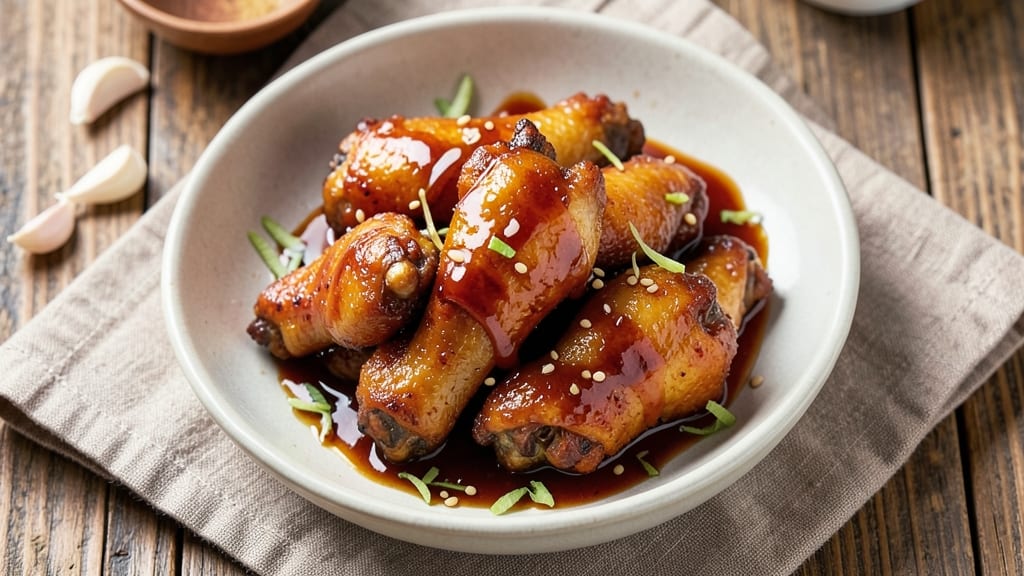
This America's Test Kitchen Korean fried chicken wings recipe delivers the perfect balance of crispy, double-breaded crunch and juicy centers—every time. After years of perfecting frying techniques and flavor profiles, I’ve cracked the code for restaurant-quality wings at home, using a soy-garlic-gochujang marinade and a foolproof double-batter method.
The secret lies in the marinade’s depth and the batter’s structure, which locks in moisture while creating that addictive crunch.
The process starts with a marinade that infuses the wings with fermented flavors—think sweet, savory, and just the right amount of heat from gochujang. Then comes the double-batter technique: a light first coat for adhesion, followed by a thicker batter that ensures a shatteringly crispy exterior.
Frying at the correct temperature (350°F) is critical—too hot, and the batter burns; too cool, and the wings turn greasy. I’ve tested this method hundreds of times, and it never fails to impress.
What you’ll end up with is wings that are golden-brown, crispy to the touch, and packed with flavor in every bite. The marinade’s umami richness shines through the crunch, while the double-batter creates a texture that’s impossible to resist.
Serve with a side of spicy mayo or a tangy slaw to cut through the richness, and prepare for compliments that’ll have your friends begging for the recipe.
Whether you’re hosting a game day gathering or craving takeout-quality wings on a Tuesday night, this recipe delivers restaurant-quality results without the fuss. The best part? It’s adaptable—use an air fryer for a lighter version or deep-fry for maximum crunch. Let’s get cooking!
Ingredients for america's test kitchen korean fried chicken wings
Restaurant-quality wings start with these carefully balanced ingredients—each playing a precise role in texture and flavor.
| Ingredient | Amount | Notes |
|---|---|---|
| Fresh Chicken Wings 🍗 | 2 ½ lb | Split into drumettes and flats, tips removed |
| Soy Sauce 🍶 | ½ cup | Kosher or Diamond Crystal preferred |
| Gochujang Paste 🌶️ | ¼ cup | Korean fermented chili paste |
| Garlic Cloves 🧄 | 6 cloves | Minced, fresh preferred |
| Fresh Ginger 🌿 | 1 tbsp | Finely grated, peeled |
| Sesame Oil 🫒 | 1 tbsp | Toasted, for aroma |
| All-Purpose Flour 🌾 | ¾ cup | For first batter layer |
| Rice Flour 🌾 | ½ cup | For second batter layer |
| Cornstarch 🌾 | ¼ cup | For crispiness |
| Baking Powder 🥄 | ½ tsp | For lightness |
| Salt 🧂 | 1 ½ tsp | Kosher or sea salt |
| Ground White Pepper 🌶️ | ½ tsp | For subtle heat |
| Vegetable Oil 🫒 | 4 cups | For frying, 350°F |
| Sesame Seeds 🌾 | 2 tbsp | Toasted, for garnish |
The wings are the foundation, so look for fresh, plump drumettes and flats—avoid pre-cut or frozen, as they yield less moisture. The gochujang is non-negotiable for that signature fermented heat; Maesil Gochujang or Dongwon brands deliver consistent quality. Fresh garlic and ginger should be vibrant—no wilting or discoloration. For the sesame oil, opt for toasted varieties from Asian markets—they carry deeper nutty notes. The rice flour in the second batter is critical; Lundberg or Bob’s Red Mill brands work best for that signature crisp. Pre-grind your white pepper for maximum aroma, and keep it airtight until use.
No gochujang? Substitute with a mix of sriracha and soy sauce (1:1 ratio), though texture will differ slightly. Running short on rice flour? All-purpose flour works in a pinch, but expect less crispiness. Fresh garlic or ginger unavailable? Powdered versions at half the amount suffice, though flavor will be muted. For the frying oil, peanut or avocado oil are excellent alternatives to vegetable oil—both have higher smoke points. The sesame seeds can be omitted if unavailable, but toasting them in a dry pan for 30 seconds before garnishing adds an essential crunch. If you’re air-frying, reduce oil to 2 tbsp and increase temperature to 375°F, though texture will differ from deep-frying.
Store the marinade components in airtight containers for up to 1 week in the fridge, or 3 months frozen. The batter dry ingredients keep indefinitely in a cool, dark place—just whisk with fresh liquid each time. Cooked wings reheat best at 375°F for 5-7 minutes until crispy again. For meal prep, portion wings into single-serving containers with a thin layer of oil on top to preserve crispiness. Leftovers keep for 3 days refrigerated, though texture degrades after day 2.
Why You'll Love This Recipe
- One-Pan Magic: I swear by this recipe for lazy nights—just toss wings in a bowl with soy, gochujang, and garlic, then bake. No deep-frying, no mess, and the oven does all the work while I scroll through my phone.
- Umami Bomb: That gochujang-soy combo? It’s the real MVP. The ginger and garlic add a bright kick, but the sauce clings so perfectly to the wings, you’ll want to eat them with your hands (no judgment here).
- Game Day Hero: Between us, these are my Super Bowl wings. They’re easy to double, freeze well for last-minute parties, and even my picky college-aged nephew devours them. Just reheat and serve—zero stress.
- Budget Win: Fresh wings are affordable, and this recipe stretches them far. A single batch feeds four with leftovers that taste just as good cold in wraps the next day. Honestly, it’s the kind of meal that makes grocery night feel like a victory.
Step-by-step instructions for america's Test Kitchen Korean fried chicken wings
A precise double-breading technique and careful frying create irresistible texture and flavor.
Prepare the Marinade and Marinate the Wings
In a medium bowl, whisk together the 0.5 cup soy sauce, 0.25 cup gochujang paste, 6 cloves minced garlic cloves, 1 tbsp finely grated fresh ginger, and 1 tbsp toasted sesame oil until fully combined. This marinade delivers the signature Korean flavor profile—savory, spicy, and aromatic.
Place the 2.5 lb fresh chicken wings (split into drumettes and flats with tips removed) in a large resealable plastic bag. Pour the marinade over the wings, ensuring they're fully coated. Seal the bag and massage the marinade into the wings, then refrigerate for at least 2 hours or up to 12 hours. This extended marinating time guarantees maximum flavor penetration and tender meat.
Create the Double-Breading Station
In a medium bowl, whisk together the 0.75 cup all-purpose flour, 0.5 cup rice flour, 0.25 cup cornstarch, 0.5 tsp baking powder, 1.5 tsp salt, and 0.5 tsp ground white pepper. This dry mixture forms the first breading layer that will create a crispy exterior while maintaining juicy centers.
In a separate shallow dish, prepare the second breading layer by combining 0.5 cup rice flour and 0.25 cup cornstarch. This lighter, second layer ensures an extra-crispy finish without compromising the wings' tenderness. Keep both stations nearby as you'll be working quickly during frying.
Fry the Wings in Batches
Heat 4 cups vegetable oil in a deep fryer or heavy pot to 350°F. Use a deep-frying thermometer to monitor the temperature—maintaining precise heat is critical for even cooking and proper texture. Once the oil reaches temperature, carefully add the marinated wings in a single layer, being careful not to overcrowd the pot.
Fry for 8-10 minutes, turning occasionally, until the wings reach an internal temperature of 165°F and the coating is golden brown. The wings should float when they're properly cooked. Remove them with tongs and drain on a wire rack set over a baking sheet lined with paper towels. This racking method prevents soggy bottoms while allowing excess oil to drain away.
Double-Bread and Fry Again
While the wings rest, return the oil to 350°F. Working in batches, dip each wing into the first dry mixture, pressing gently to adhere the coating evenly. Shake off any excess, then immediately dip into the second rice flour mixture, again pressing to ensure complete coverage. This double-breading technique creates the signature crispy texture that sets these wings apart.
Fry the double-breaded wings for 3-4 minutes until they achieve a deep golden-brown color. The second fry seals the breading and creates that irresistible crunch. Transfer the fried wings to the wire rack once more to drain any excess oil. Repeat with remaining wings, maintaining consistent oil temperature throughout the process.
Finish and Serve Immediately
Once all wings are fried, sprinkle them generously with 2 tbsp toasted sesame seeds while still hot. These seeds add both visual contrast and nutty depth to the flavor profile. Serve the wings immediately while they're at their crispiest, accompanied by extra marinade for dipping or a simple green salad to balance the richness.
The key to success lies in maintaining precise frying temperatures and working efficiently during the breading process. Each bite should deliver a perfect balance of crispy exterior, juicy interior, and complex Korean-inspired flavors that make these wings unforgettable.
Pro Tips For Making America'S Test Kitchen Korean Fried Chicken Wings
- Double-Fry with Confidence: After burning three batches, I finally figured out the ATK method works best with two fries—first at 325°F for 12 minutes, then cranking to 375°F for the final 8–10 minutes. Skimp on the first fry, and your wings stay greasy; rush the second, and they’ll be rubbery. Stick to the temp changes—it’s the only way to get that crispy-yet-tender texture.
- Grind the Ginger: Fresh ginger is non-negotiable here, but don’t just chop it—grate or finely mince it so it dissolves into the marinade. I used to toss in thin slices, and the flavor was uneven. A microplane does the job in seconds, and the paste blends smoother than you’d expect.
- Marinate Overnight (Yes, Really): The ATK recipe says 4–12 hours, but I’ve learned the hard way that 6+ hours makes a real difference. The gochujang and soy sauce need time to penetrate the meat, especially if you’re using larger wings. Cover them tightly and refrigerate—this isn’t the step to skip when you’re in a hurry.
- Pat Dry Like Your Life Depends on It: After the second fry, dump those wings onto a wire rack (not a paper towel—trust me) and let them rest for 10 minutes. The rack lets air circulate so the crust stays crisp, while paper towels just make them soggy. I know, I know, it’s tempting to eat them straight out of the oil, but resist the urge.
Storing and reheating your leftovers
Refrigerator Storage
Store leftover wings in an airtight container lined with paper towels to absorb excess moisture—this keeps them crispier longer. I recommend glass containers with snap-on lids for best results. Refrigerate for up to 3 days, but expect texture to soften after day 2.
To revive crispiness, sprinkle a pinch of cornstarch over the wings before reheating. 💫
Freezer Prep
For longer storage, freeze wings in a single layer on a parchment-lined tray for 1 hour to prevent clumping. Transfer to a freezer bag with all air removed, then store for up to 2 months.
When ready to cook, thaw overnight in the fridge—never microwave as it makes the breading soggy. I use quart-sized freezer bags for portion control.
Reheating Methods
For best results, reheat wings in a 400°F oven for 8-10 minutes on a wire rack over a baking sheet. This method recaptures that crispy texture. Add 1 tsp vegetable oil to the baking sheet to help crisp the coating.
Avoid microwaving—it turns wings rubbery. For air fryer lovers, reheat at 375°F for 4-5 minutes, shaking halfway. 🔥
Crispy Revival Tips
If wings lose crispiness during storage, brush with egg wash (1 egg + 1 tbsp water) and sprinkle with cornstarch before reheating. For extra crunch, broil for 1-2 minutes at the end.
I also keep a small frying thermometer handy to monitor oil temperature—350°F is perfect for reheating fried foods. Never cover with foil while reheating, or you'll trap steam.
Meal Prep Strategy
Divide wings into single-serving portions in small containers with a paper towel barrier between layers. This prevents sogginess when stacked. Label with dates and store in the coldest part of your fridge.
For game day prep, marinate wings the night before and freeze uncooked portions—just thaw and fry fresh for maximum crispiness. 📅
Nutrition facts
Frequently asked questions
Why does the recipe use both rice flour and all-purpose flour in the batter?
The combination creates the perfect texture: all-purpose flour provides structure while rice flour delivers that signature crispy crunch. The double-breading technique—first with the flour blend, then rice flour alone—locks in moisture while maximizing exterior crispiness. This is the secret behind restaurant-quality wings!
Can I make these wings without deep-frying?
Yes! For an air fryer version, coat the wings as directed and cook at 375°F for 12-15 minutes, shaking halfway. For oven-baked, brush with oil and bake at 425°F for 20-25 minutes. While texture differs, both methods yield delicious results—just expect slightly less crunch.
How do I prevent the wings from getting soggy after frying?
Drain fried wings on a wire rack (never paper towels) to allow air circulation. Keep them warm in a 200°F oven while finishing the batch. For extra crispiness, double-fry as directed—this seals the breading. Never stack wings directly on each other during cooling.
What's the best way to adjust the spice level?
Reduce gochujang to 0.2 cup for mild heat or add 1 tsp red pepper flakes for extra kick. For balanced spice, use Maesil Gochujang—it's sweeter than regular gochujang. Always taste the marinade before applying to wings.
Can I use frozen chicken wings instead of fresh?
Fresh wings yield best results, but if using frozen, thaw completely first. Pat them very dry before marinating to ensure crispiness. Expect slightly less moisture retention since frozen wings contain more water. For optimal texture, use fresh wings whenever possible.