
Main Courses
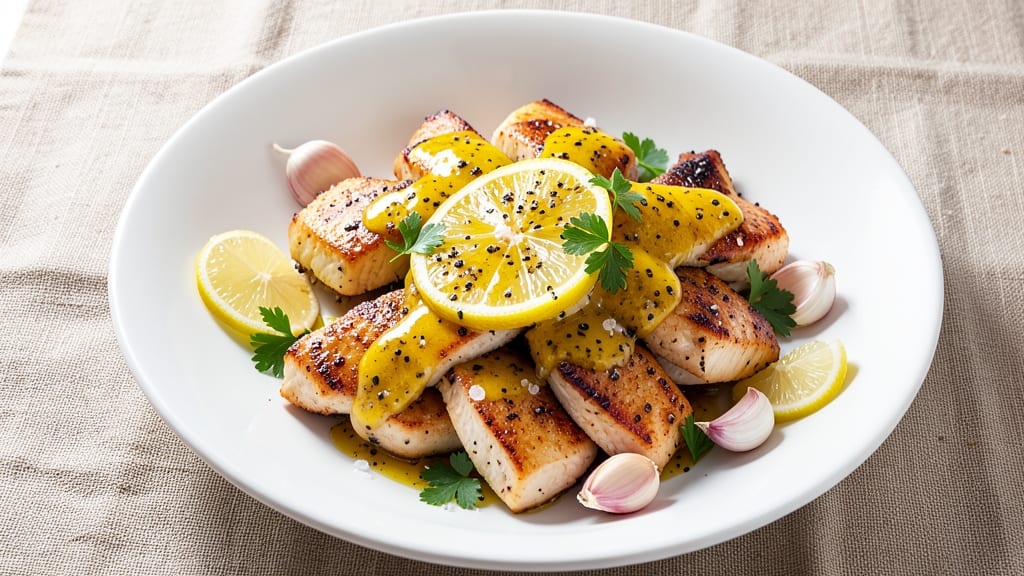
This America's Test Kitchen lemon chicken recipe delivers restaurant-quality results with a bright, tangy pan sauce that transforms simple chicken into something extraordinary. The secret lies in a foolproof marinade and precise pan-searing technique that locks in juices while creating a golden crust.
As a chef who's spent years perfecting protein techniques, I can tell you this method is what separates home cooking from professional results.
What sets this recipe apart is the zesty pan sauce—made from the same lemony marinade reduced to a glossy, flavorful finish. The chicken stays tender and juicy while developing crispy edges, and the sauce cuts through the richness with its vibrant citrus notes.
This isn't just another lemon chicken recipe; it's a method that delivers consistent, impressive results every time.
The process is straightforward but requires attention to key steps: proper marinating time, high-heat searing, and careful basting with the pan juices. When done right, you'll have perfectly balanced bites with bright lemon flavor that doesn't overpower the chicken's natural taste.
The sauce clings beautifully to each piece, creating that restaurant-quality finish.
Serve with steamed jasmine rice and roasted asparagus for a complete meal that's elegant yet simple to prepare. The bright acidity of the lemon sauce makes this dish particularly refreshing for spring and summer dinners.
Let's get started on creating this standout main course that will impress even the most discerning guests.
Ingredients for america's test kitchen lemon chicken
Precision ingredients for restaurant-quality lemon chicken with a bright, tangy pan sauce that elevates simple chicken pieces.
| Ingredient | Amount | Notes |
|---|---|---|
| Boneless, Skinless Chicken Thighs 🍗 | 1 ½ lb | Cut into 1-inch pieces, uniform size |
| Fresh Lemon Juice 🍋 | ½ cup | From 2-3 medium lemons, freshly squeezed |
| Extra-Virgin Olive Oil 🫒 | ¼ cup | High-quality, fruity variety preferred |
| Garlic Cloves 🧄 | 6 cloves | Minced, fresh preferred |
| Diamond Crystal Kosher Salt 🧂 | 1 ½ tsp | For seasoning and marinade |
| Freshly Ground Black Pepper 🌶️ | ½ tsp | Cracked peppercorns preferred |
| All-Purpose Flour 🌾 | 1 tbsp | For dredging chicken pieces |
| Unsalted Butter 🧈 | 2 tbsp | Cold, cut into small cubes |
| Heavy Cream 🥛 | ¼ cup | Full-fat for optimal sauce texture |
| Fresh Thyme Leaves 🌿 | 2 tsp | From 2 sprigs, finely chopped |
| Granulated Sugar 🍚 | ½ tsp | Balances acidity in sauce |
| Jasmine Rice 🍚 | 1 cup | Uncooked, for serving |
The chicken thighs are non-negotiable for this recipe—their higher fat content ensures juiciness while developing that coveted golden crust. Look for uniform 1-inch pieces at your butcher or pre-cut section; Whole Foods and Trader Joe's consistently carry high-quality, fresh cuts. For the lemon juice, avoid bottled versions—the flavor profile is significantly inferior. Freshly squeezed lemon juice contains natural oils that enhance the sauce's brightness. The garlic should be minced to a paste for even distribution in both the marinade and sauce. If using pre-minced garlic, ensure it's fresh and not dried out.
No fresh thyme? Dried thyme at one-third the amount works in a pinch, though the flavor will be less vibrant. Substituting butter with olive oil in the sauce will alter the texture slightly, but it's acceptable if you're avoiding dairy. For the sugar, honey or maple syrup can be used at the same measurement, though granulated sugar provides the cleanest flavor balance. The heavy cream should be full-fat—reduced-fat versions will create a thinner sauce. If you prefer a lighter sauce, replace half the cream with whole milk** while adjusting the butter proportionally. Always taste the sauce before serving—adjust sweetness or acidity as needed.
Marinated chicken pieces should be refrigerated for at least 4 hours, ideally overnight, to maximize flavor penetration. The sauce can be made ahead and reheated gently on the stovetop, adding a splash of water or lemon juice if it thickens too much. Store leftovers in airtight containers for up to 3 days in the refrigerator, though the sauce's vibrancy diminishes after the first day. For longer storage, freeze the sauce separately in ice cube trays—perfect for quick future meals. Serve with freshly steamed jasmine rice to complement the dish's bright acidity.
Why You'll Love This Recipe
- No-Fuss Pan Time: I swear by this recipe because it’s actually one-pan magic—just sear the thighs in olive oil, toss in garlic and lemon juice, then let the salt and residual heat work their magic while you chop veggies or set the table. The thighs stay juicy without a single sauce to monitor.
- Bright & Tangy: That fresh lemon juice cut? It’s the star. The recipe balances it perfectly with garlic and olive oil, so you get a bright, herby punch without the dish tasting like a sad lemon wedge. Honestly, the first bite makes me think, "Why didn’t I do this sooner?"
- Lunchbox Hero: Between us, this is my go-to for meal prep. The thighs hold up for days in the fridge—toss them cold into salads, reheat for sandwiches, or pack them straight for lunch. My kid brings the leftovers back with "This is way better than school lunch."
- Budget Win: Chicken thighs are cheaper than breasts, and this recipe uses them wisely—no waste, no fancy add-ons. A single lemon and a head of garlic stretch across multiple meals. I’ll be real: it’s the kind of dish that makes grocery day feel like a victory.
Step-by-step instructions for america's Test Kitchen lemon chicken recipe
Here's how to execute this bright, balanced dish with professional precision.
Prepare the Chicken for Perfect Browning
Pat the boneless, skinless chicken thighs dry with paper towels—this critical step ensures maximum browning. Cut them into uniform 1-inch pieces using a sharp chef's knife. Place the chicken in a large bowl and add the 0.5 cup fresh lemon juice, 0.25 cup extra-virgin olive oil, 1.5 tsp diamond crystal kosher salt, and 0.5 tsp freshly ground black pepper. Toss gently to coat evenly, then let marinate for at least 15 minutes at room temperature.
The acid in the lemon juice begins tenderizing the chicken while the oil helps create a golden crust. Don't skip this step—uneven marination leads to inconsistent flavor and texture. I always use a glass or ceramic bowl for marinating as it doesn't absorb odors like plastic.
Create the Golden Crust Through Careful Browning
Heat a large skillet over medium-high heat until it's hot but not smoking. Add the chicken pieces in a single layer, leaving space between them to prevent steaming. Cook undisturbed for 4-5 minutes until the undersides develop a deep golden brown color with crisp edges. Flip carefully and cook another 4-5 minutes until the second side is equally browned.
This is where the magic happens—the Maillard reaction creates complex flavors. If the chicken releases easily from the pan, it's ready. Overcrowding the pan will lower the temperature and result in steamed rather than browned chicken. For extra insurance, I press down gently on the chicken pieces during the first minute to prevent curling.
Build the Zesty Pan Sauce Layer by Layer
Remove the chicken to a plate and reduce heat to medium. Add the 6 minced garlic cloves to the same skillet and cook for 30 seconds until fragrant—don't let them brown or they'll turn bitter. Sprinkle in the 1 tbsp all-purpose flour and stir vigorously for 1 minute to cook off the raw flour taste.
Slowly pour in the 0.5 cup fresh lemon juice from the marinade (strain if needed) and scrape up any browned bits from the bottom of the pan. These bits contain concentrated flavor that will thicken your sauce beautifully. Bring to a gentle simmer and cook for 2-3 minutes until slightly reduced.
Finish with Cream and Aromatics for Depth
Reduce heat to low and add the 2 tbsp cold unsalted butter, 0.25 cup heavy cream, 2 tsp fresh thyme leaves, and 0.5 tsp granulated sugar. Stir gently until the butter melts completely and the sauce becomes silky smooth. Return the chicken to the skillet and toss to coat evenly in the sauce.
The sugar here balances the acidity while the cream adds richness without overpowering the bright lemon flavor. Taste and adjust seasoning—you might need a pinch more salt to complement the acid. Let the chicken sit in the sauce for 2-3 minutes off the heat to allow flavors to meld completely.
Serve Over Jasmine Rice with Professional Presentation
Cook the 1 cup jasmine rice according to package instructions until tender and fluffy. Divide the rice among four plates and arrange the lemon chicken pieces artfully over the top. Spoon the sauce generously over the chicken, allowing some to pool on the plate for visual appeal. Garnish with additional fresh thyme leaves if desired.
Serve immediately while the chicken is still warm and the sauce maintains its silky texture. The bright lemon flavor should cut through the richness of the chicken and sauce, creating a perfect balance in every bite. For extra presentation, I like to drizzle a small amount of the reserved lemon juice around the plate to enhance the zesty aroma.
Pro Tips For Making America'S Test Kitchen Lemon Chicken
- CRISP THE THIGHS FIRST: Pat the chicken thighs bone-dry with paper towels before seasoning—this isn’t just about flavor, it’s about getting that golden crust. I used to skip this, and my thighs always ended up soggy even after browning. Trust me, the extra 30 seconds saves the whole dish.
- USE A MEAT THERMOMETER: Pull the chicken at 165°F—no guessing, no cutting into it mid-cook. I learned this after one batch where the outside was perfect but the inside was still pink. A cheap $10 thermometer changes everything.
- ZEST THE LEMON: Add the zest of half a lemon to the marinade—it’s the thing that makes this dish taste professional. Fresh lemon juice alone is good, but the zest adds that bright, aromatic punch that takes it from "weeknight dinner" to "restaurant quality."
- SALT THE GARLIC: Toss the minced garlic with a pinch of kosher salt before cooking—it prevents burning and deepens the flavor. I was skeptical until I tried it, and now I never cook garlic without it. Just a quick mix with the salt before adding to the pan.
Perfect pairings for these flavors
Bright Lemon Rice
Replace the standard jasmine rice with a lemon-infused rice that mirrors the dish's zesty profile. Cook 1 cup jasmine rice in 2 cups water with zest of 1 lemon and 1 tsp lemon juice.
Let it steam covered for 15 minutes after the water boils, then fluff with a fork. The subtle citrus aroma will complement the main dish beautifully. 🍋
Herbed Green Beans
Sauté 1 lb fresh green beans in 1 tbsp olive oil with 2 minced garlic cloves and 1 tsp fresh thyme for 6-8 minutes until crisp-tender. Finish with 1 tbsp lemon juice and a pinch of salt.
The green beans' crispness contrasts perfectly with the creamy chicken and sauce. I often add a sprinkle of toasted pine nuts for extra crunch.
Citrusy Arugula Salad
Toss 4 cups baby arugula with 2 tbsp olive oil, 1 tbsp lemon juice, 1 tsp honey, and ¼ tsp salt. Top with ¼ cup shaved Parmesan and 2 tbsp toasted almonds.
The peppery greens cut through the richness while the lemon ties everything together. This salad works equally well as a starter or side.
Wine Pairings
A crisp Sauvignon Blanc from New Zealand is my go-to pairing—its bright citrus notes mirror the dish's lemon profile. Look for a Marlborough Sauvignon Blanc like Oyster Bay or Kim Crawford.
For red wine lovers, a Pinot Noir with light acidity, such as Meiomi, complements without overpowering the lemon flavors. Avoid heavy, oaked wines that would clash with the dish's brightness. 🍷
Beer Recommendations
For beer drinkers, a Belgian-style witbier like Hoegaarden or Blue Moon provides a refreshing contrast with its citrusy coriander notes. Alternatively, a German Helles Lager like Weihenstephaner Original offers a clean, crisp profile that won't compete with the lemon. Avoid hoppy IPAs—they'll overpower the delicate sauce flavors.
Garnish Finishing Touches
Elevate your plating with fresh thyme sprigs and lemon zest for a pop of color and aroma. I also like adding a few edible flower petals (like nasturtiums) for an elegant touch.
For a smoky note, sprinkle with ½ tsp smoked paprika**—just enough to enhance without dominating. These garnishes add visual appeal while complementing the dish's bright flavors. ✨
Nutrition facts
Frequently asked questions
Can I use chicken breasts instead of thighs for this recipe?
While you can use chicken breasts, thighs are ideal because their higher fat content stays juicier during cooking. If using breasts, cut them into ½-inch pieces (thinner than thighs) and reduce cooking time to 3-4 minutes per side to prevent drying. For extra moisture, add 1 tbsp lemon juice to the pan sauce after cooking.
How do I prevent the sauce from becoming too thin?
The sauce thickens as it reduces, but if it's too thin, simmer uncovered for 1-2 extra minutes to evaporate excess liquid. For a thicker texture, mix 1 tsp cornstarch with 1 tbsp cold water, stir into the sauce, and cook for 30 seconds until thickened. Avoid adding flour directly—it can create lumps.
Can I make this recipe ahead of time?
Yes! Cook the chicken and sauce up to 1 day ahead, then refrigerate in an airtight container. Reheat gently on the stovetop over medium-low heat, adding 1-2 tbsp water or lemon juice if the sauce thickens too much. For best results, serve within 2 days—the sauce's brightness fades over time.
What's the secret to getting crispy chicken without drying it out?
The key is high heat and proper timing: sear the chicken in a hot (but not smoking) skillet for 4-5 minutes per side without moving it until deep golden brown forms. Use a meat thermometer—chicken should reach 165°F internally. Patting the chicken dry before cooking and using a heavy skillet (like cast iron) also helps create that perfect crust.
Can I substitute heavy cream with something lighter?
For a lighter sauce, replace half the heavy cream with whole milk or half-and-half, but reduce the butter to 1 tbsp to maintain balance. The sauce will be slightly thinner but still flavorful. If using coconut milk, the flavor will shift—it's best to stick with dairy for authenticity. The cream adds richness that complements the lemon's brightness.