
Main Courses
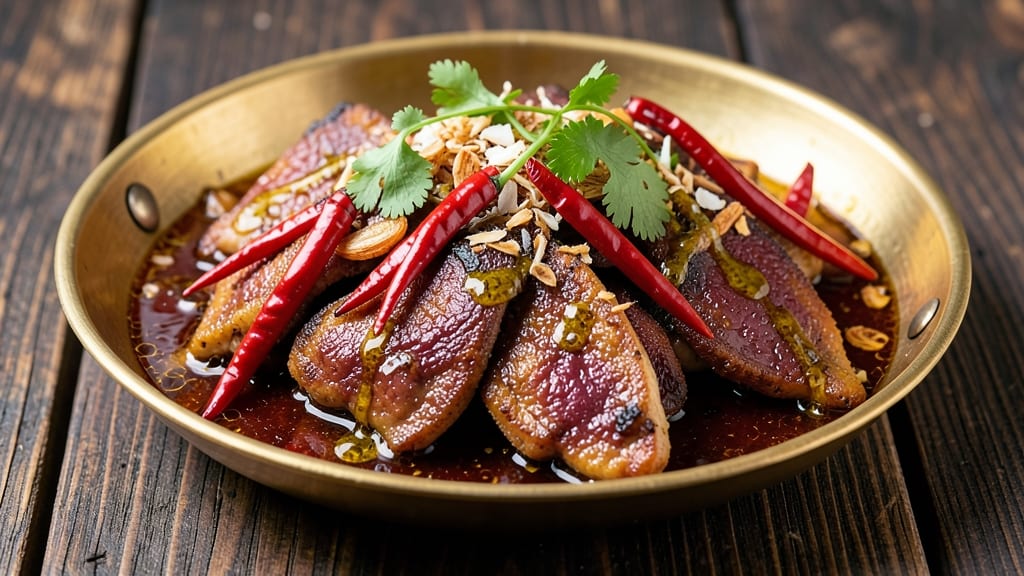
The Andhra chicken liver fry delivers a symphony of textures—crispy edges, tender centers, and a tangy tamarind crunch that lingers like a memory. I first tasted this dish in a bustling Andhra kitchen where the scent of tempered spices filled the air, and it became my obsession.
The secret lies in the slow marinade of tamarind and spices, followed by a precise shallow fry that achieves that signature crunch without losing moisture.
What sets this recipe apart is the balance of heat and acidity—tamarind provides the signature tang, while red chilies add depth without overwhelming. The liver stays juicy inside while developing a golden crust that shatters at the touch.
This isn't just a dish; it's an experience that transforms ordinary weeknight dinners into something special with minimal effort once you master the technique.
By the time you're done, you'll have a plate of golden-brown liver pieces with crispy edges that give way to tender, flavorful meat. The tamarind glaze adds a bright, tangy contrast that cuts through the richness.
Serve with steamed rice and a cooling side of curd to balance the heat—this is the kind of meal that makes you want to cook it again and again.
Here's where the magic happens: the tempering of mustard seeds and curry leaves releases aromas that fill your kitchen, while the final toss with fresh coriander lifts the dish to another level. This recipe stays true to Andhra traditions while being accessible for home cooks. Let's make it together.
Ingredients for andhra chicken liver fry
Fresh livers, tangy tamarind, and a symphony of spices—this is where the magic happens.
| Ingredient | Amount | Notes |
|---|---|---|
| Chicken Livers 🍗 | 1 ½ lb | Fresh, trimmed of connective tissue |
| Tamarind Paste 🍈 | ½ cup | Unadulterated, block or paste form |
| Red Chili Powder 🌶️ | 2 tbsp | Kashmiri or Andhra variety preferred |
| Mustard Seeds 🌿 | 1 tbsp | Whole, yellow or brown |
| Curry Leaves 🌿 | ¼ cup | Fresh, tightly packed |
| Fresh Coriander Leaves 🌿 | ¼ cup | Chopped, stems removed |
| Asafoetida Powder 🧂 | ¼ tsp | Pure, no fillers |
| Turmeric Powder 🌿 | ½ tsp | Freshly ground preferred |
| Ginger Paste 🧄 | 1 tbsp | Freshly made, no additives |
| Vegetable Oil 🫒 | 2 cups | High smoke point, like sunflower |
| Salt 🧂 | 1 tsp | Kosher or sea salt |
| Lemon Juice 🍋 | 1 tbsp | Freshly squeezed |
| Cumin Seeds 🌿 | ½ tsp | Toasted for aroma |
The chicken livers are non-negotiable here. Buy them fresh from a butcher or high-quality grocery store like Whole Foods—they should be bright red, not gray or slimy. Trim any connective tissue carefully; it's what makes this dish special. Tamarind is the soul of this recipe, so grab a block from the international aisle at Trader Joe's or an Indian market. If you can't find it, tamarind paste works, but avoid the kind with added sugar. The curry leaves? Fresh is a must—dried just won't cut it. Look for them in the produce section or the Indian grocery store. Andhra red chili powder is the secret weapon—find it at an Indian specialty store if you can, or use Kashmiri chili powder for a milder heat.
No tamarind? Lime juice with a pinch of sugar is a decent stand-in, but it won't have that same depth. Fresh curry leaves missing? Dried thyme at half the amount won't replicate the flavor, but it's better than nothing. The mustard seeds can be swapped for sesame seeds, though the aroma changes. For the ginger paste, if you don't have time to grate it, buy the jarred kind—just check the label for no added oils or preservatives. The liver marinade needs to sit for at least 30 minutes, so don't rush it. And if you're worried about the heat level, start with one teaspoon of chili powder and adjust to taste.
This dish tastes even better the next day, so make extra if you can. Store leftovers in an airtight container in the fridge for up to 3 days. The livers will keep their crispy edges for about 2 days, after which they'll soften. For longer storage, freeze the cooked livers in a single layer before transferring to a bag—they'll keep for 3 months. Reheat gently in a pan with a splash of oil to restore that crispy texture. And if you're serving a crowd, double the batch—this disappears fast.
Why You'll Love This Recipe
- No Fuss, Big Payoff: I swear by this one—just fry the livers until golden, toss in mustard seeds and curry leaves for that sizzle, then hit it with tamarind and chili. Five ingredients, zero stress, and the result? A dish that tastes like you slaved over it.
- Tamarind Tang Magic: That sticky-sweet tamarind paste is the star—it cuts through the richness of the livers and balances the heat of the red chili powder. Honestly, the first time I made it, I thought, "Why don’t I do this more often?" Now it’s my go-to for when I want bold but not overwhelming flavors.
- Crowd-Pleaser Flex: Serve it with steamed rice for a quick lunch, pair it with beer for game day, or pack it in lunchboxes—it’s that adaptable. My college roommate, who hated liver, devoured this. (Yes, even with the mustard seeds popping.)
- Budget-Friendly Protein: Chicken livers are a steal, and this recipe stretches them further than you’d think. I make a big batch on Sundays, and it lasts me all week—reheated in a pan with a splash of water, it’s just as good the second time. (Between us, the leftovers are the best part.)
Step-by-step instructions for Andhra chicken liver fry
Here's how to achieve that perfect balance of crispy edges and tangy-spicy flavor every time.
Prepare the Chicken Livers
Start by trimming any connective tissue and fat from the 1.5 lb chicken livers using a sharp knife. I like to cut them into ½-inch thick pieces—this ensures even cooking and those coveted crispy edges. Rinse them thoroughly under cold water and pat completely dry with paper towels, removing all moisture from the surface.
In a bowl, combine the livers with 1 tbsp lemon juice, 1 tsp salt, 0.5 tsp turmeric powder, and 1 tbsp ginger paste. Mix gently but thoroughly—this marinade will tenderize the livers and add depth of flavor. Let them sit for 15 minutes while you prepare the rest of the ingredients. This short marinating time prevents the livers from becoming rubbery.
Create the Spice-Tamarind Base
Heat 2 cups vegetable oil in a heavy-bottomed pan over medium heat. Add the 0.5 tsp toasted cumin seeds and let them sizzle for 30 seconds until fragrant. This step unlocks the warm, earthy aroma that forms the foundation of the dish.
Reduce heat to low and add 0.5 cup tamarind paste, stirring continuously for 2-3 minutes until it dissolves completely. The mixture should turn into a smooth, slightly sticky paste. Here's where the magic happens—the tamarind's tangy-sweetness balances the heat perfectly. If you notice any lumps, strain the mixture through a fine-mesh sieve to ensure a silky texture in your final dish.
Build the Spice Layer
Increase heat to medium-high and add 1 tbsp mustard seeds. Let them splutter and pop for 30 seconds—this is your signal that they're ready. Immediately add 0.25 cup curry leaves and 0.25 cup fresh coriander leaves, stirring for 1 minute until the leaves turn vibrant green and release their aromatic oils.
Now add 2 tbsp red chili powder and 0.25 tsp asafoetida powder. Stir vigorously for 30 seconds—you'll see the spices change color and fill your kitchen with an intoxicating aroma. The asafoetida (hing) is crucial here; it adds a unique umami depth that's characteristic of Andhra cuisine. Don't skip this step—it makes all the difference in the final flavor profile.
Fry to Crispy Perfection
Working in batches to avoid overcrowding, add the marinated livers to the pan. The oil should be hot enough that the livers sizzle immediately upon contact. Cook for 2-3 minutes per side until they develop a deep golden-brown crust—this is your crispy reward for patience. If you notice the oil temperature dropping, reduce the heat slightly to maintain even cooking.
As each batch cooks, remove the livers to a paper towel-lined plate to drain excess oil. The residual heat will continue cooking them slightly, so don't rush this process. You're aiming for livers that are crispy on the outside while remaining tender and juicy inside. If any pieces stick to the pan, gently loosen them with a spatula—don't force them or they'll break apart.
Finish and Serve
Once all livers are cooked, return them to the pan with the spice mixture. Toss gently to coat each piece in that beautiful, aromatic crust. The livers should absorb the flavors while maintaining their crispy texture. Cook for an additional 1-2 minutes, just until everything comes together in a harmonious blend.
Serve immediately while still crispy and hot. The contrast of the tangy-tamarind sauce with the spicy, crispy livers is what makes this dish truly special. Pair with warm, fluffy appalam or crusty bread to soak up every last bit of that flavorful oil. The livers should be tender enough to eat with a fork but still hold their shape—each bite should deliver that perfect balance of textures and flavors that Andhra cuisine is known for.
Pro Tips For Making Andhra Chicken Liver Fry
- Blanch Livers First: Skip the raw bloodiness—give your chicken livers a quick 30-second blanch in boiling salted water before frying. This removes impurities and ensures they brown evenly instead of turning rubbery or sticking to the pan like glue. (Yes, even if you’re impatient like me, don’t rush this.)
- Dry Them Thoroughly: Pat those livers completely dry with paper towels—no half-measures. Wet livers steam instead of sear, and you’ll end up with soggy, unevenly cooked pieces. Pro move: Let them air-dry on a wire rack for 10 minutes after blotting. Trust me, the texture changes everything.
- Temper Tamarind Slowly: Never dump tamarind paste directly into hot oil—it’ll clump like sad porridge. Instead, mix it with a splash of warm water first, then whisk it into the oil after the mustard seeds have popped. This keeps your gravy smooth and silky, not grainy or separated.
- Fry in Batches: Overcrowding the pan drops the temperature instantly, leading to greasy livers instead of crispy ones. Fry them in small batches—no more than 4-5 at a time—over medium-high heat until golden brown. Your future self will thank you when they bite into perfect, caramelized edges.
Common mistakes when making great andhra chicken liver fry
Overcooking Livers
I've learned the hard way that chicken livers cook faster than you think—just 30 seconds too long turns them from tender to rubbery. Watch them closely once they hit the pan, aiming for 2-3 minutes per side max. The moment they turn golden-brown, remove them immediately.
Pro tip: Use a meat thermometer to check—livers are done at 145°F internal temperature. Overcooking also sucks out all the moisture, leaving you with dry, flavorless bites. 🔥
Skipping the Marinade
Don't rush the 15-minute marinade—this step tenderizes the livers and infuses them with flavor. I once skipped it entirely and ended up with tough, bland pieces. The lemon juice and ginger paste work together to break down the fibers while adding brightness.
If you're short on time, even 10 minutes helps, but you'll sacrifice some tenderness. Trust me, the extra time pays off in every crispy, flavorful bite.
Using Wet Livers
Moisture is the enemy of crispy edges. After trimming, I always pat the livers completely dry with paper towels before marinating. Any remaining moisture will cause them to steam instead of fry properly, resulting in soggy instead of crispy texture.
For extra insurance, I even let them air-dry on a wire rack for 5 minutes before cooking. This might seem like overkill, but it's what gives you that perfect crunch.
Ignoring Batch Cooking
Crowding the pan is a rookie mistake that leads to uneven cooking and greasy livers. I've seen people try to fry all the pieces at once, and it always ends in disaster—the oil temperature drops, the livers absorb too much oil, and you lose that beautiful crust.
Work in small batches of 4-5 pieces at a time, giving each piece space to develop that golden-brown crust. Your patience will be rewarded with perfectly crispy edges every time.
Wrong Oil Temperature
The oil needs to be hot enough to sizzle immediately when the livers hit the pan—this is what creates that signature crust. If it's not hot enough, you'll end up with greasy, undercooked livers. Test it by dropping a small piece of liver in—if it sizzles vigorously, it's ready.
I use a heavy-bottomed cast iron skillet because it maintains even heat better than lighter pans. And don't be afraid to adjust the heat if the oil starts smoking too much.
Missing the Tempering Step
The final toss with the spice mixture isn't just for flavor—it's what creates that beautiful aromatic crust that clings to the livers. I've made this mistake and ended up with delicious but bland livers.
After frying, return them to the pan with the spice mixture and toss gently for 1-2 minutes. This step ensures every bite is packed with those intoxicating aromas of mustard seeds, curry leaves, and asafoetida that make this dish so special. 💫
Nutrition facts
Frequently asked questions
Can I substitute chicken livers with another type of liver?
While chicken livers work perfectly for this recipe, you can try duck livers for a richer flavor, though they'll be slightly more delicate. Beef or pork livers won't work well—they have a stronger taste and different texture that won't crisp up the same way. Stick with chicken livers for that authentic Andhra experience!
What if I can't find tamarind paste?
Mix 2 tbsp lime juice with 1 tsp sugar as a quick substitute, though it won't have the same depth of flavor. For best results, visit an Indian grocery store—they'll have tamarind blocks or paste that's essential for that signature tang. The recipe simply won't taste the same without it!
How do I adjust the spice level?
Start with 1 tbsp red chili powder for mild heat, then increase to 2 tbsp for medium spice. For extra heat, add ½ tsp cayenne pepper with the chili powder. Remember, the tamarind's acidity balances the heat—don't skip it! Taste as you go and adjust gradually.
Can I make this recipe ahead of time?
Cooked livers keep their crispy texture for 2 days in an airtight container in the fridge. For longer storage, freeze them in a single layer before transferring to a bag—they'll keep for 3 months. Reheat gently in a pan with a splash of oil to restore that perfect crunch!
What's the best way to serve this dish?
Pair with warm steamed rice or fluffy appalam to soak up the flavorful oil. A side of cooling yogurt or a simple cucumber raita balances the heat beautifully. This dish is perfect for family meals or special occasions—it's always a crowd-pleaser!