
Main Courses
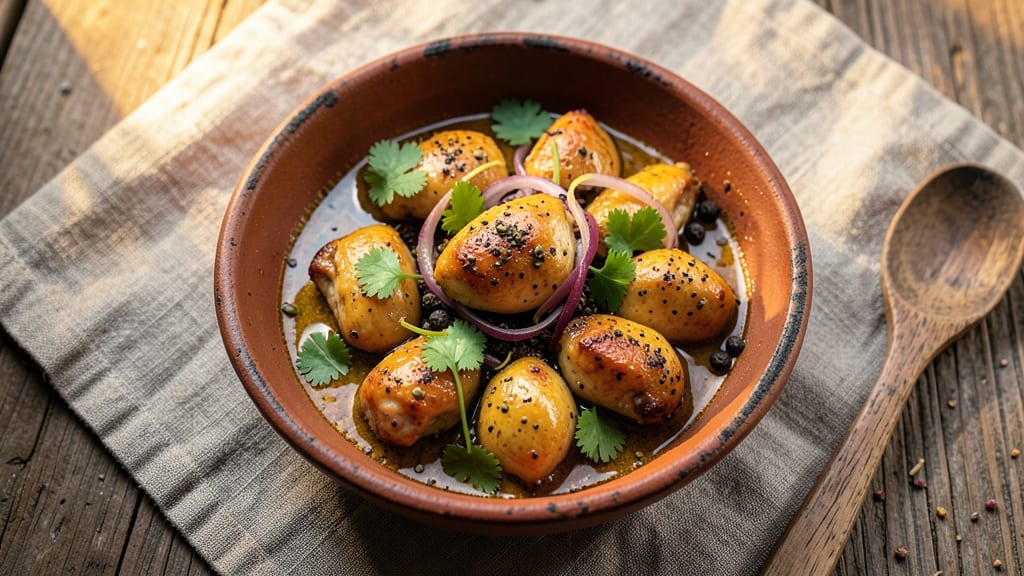
This Ankapur Chicken Curry transports you to the spice markets of South India with its aromatic blend of cumin, cardamom, and cinnamon. The secret lies in the slow-cooked gravy that transforms tender chicken into melt-in-your-mouth perfection, balanced by tangy tamarind and sweet coconut milk.
I first tasted this dish in a tiny restaurant in Mysore, where the chef swore by a 3-hour simmer to develop the deep, complex flavors—worth every minute for that first bite.
The recipe begins with a fragrant spice tempering that infuses the oil with warm, earthy notes before the chicken is gently cooked until fork-tender. Unlike many curries that rely on heavy cream, this version uses coconut milk for a lighter texture while maintaining richness.
The tamarind adds a subtle tang that cuts through the natural richness of the chicken, creating harmony in every spoonful.
What makes this curry truly special is how the spices evolve during cooking—starting with bright, peppery cumin and finishing with sweet, toasted cardamom. The result is a dish that's both comforting and sophisticated, perfect for serving with steamed basmati rice or warm naan.
Each component plays its part: the chicken absorbs the flavors, the spices meld together, and the coconut milk creates a velvety base that ties everything together.
This is a recipe that rewards patience, but the effort is invisible in the final dish—just layers of flavor that make every bite worth the wait. Whether you're cooking for family gatherings or a quiet weeknight dinner, the aroma alone will have everyone gathered at the table.
Let's bring Ankapur to your kitchen.
Ingredients for ankapur chicken curry
Spice markets of South India come to your kitchen with these fragrant, time-honored ingredients.
| Ingredient | Amount | Notes |
|---|---|---|
| Boneless Chicken Thighs 🍗 | 1 ½ lb | Skin-on for best flavor |
| Vegetable Oil 🫒 | ½ cup | For spice tempering |
| Whole Cumin Seeds 🌿 | 1 tbsp | Toasted for aroma |
| Green Cardamom Pods 🌿 | 8 whole | Lightly crushed |
| Cinnamon Sticks 🍃 | 2 whole | Broken into pieces |
| Black Peppercorns 🌶️ | ½ tsp | Crushed lightly |
| Ginger 🧄 | 1 inch | Fresh, peeled, sliced |
| Coconut Milk 🥥 | 1 can | 13.5 oz can, full-fat |
| Tamarind Paste 🍈 | 2 tbsp | Adjust for tanginess |
| Medium Tomatoes 🍅 | 2 whole | Ripe, blended |
| Yellow Onion 🧅 | 1 whole | Medium, chopped |
| Garlic Cloves 🧄 | 6 cloves | Peeled, minced |
| Salt 🧂 | 1 ½ tsp | Adjust to taste |
| Fresh Coriander Leaves 🌿 | ¼ cup | Chopped, for garnish |
| Lemon Juice 🍋 | 1 tbsp | Freshly squeezed |
The chicken is non-negotiable—skin-on thighs absorb flavors better than breasts. Look for bone-in, skin-on pieces at Whole Foods or your local Indian grocery for authenticity. The spices? Whole spices (cumin, cardamom, cinnamon) toast beautifully in oil—don't skip this step. For cardamom, green pods are traditional; if you can only find ground, use half the amount. Tamarind paste can be found in the international aisle at Target or any Asian market. If you're short on time, Trader Joe's sells pre-made paste in tubes.
No fresh ginger? Ground ginger at half the amount works in a pinch. Short on tamarind? Lime juice plus a pinch of sugar mimics the tang. The tomatoes can be canned (San Marzano if possible) or fresh—just blend until smooth. For coconut milk, full-fat is essential—light versions won't give that creamy finish. The onion and garlic should be finely chopped; food processor works best—no big chunks in this curry. And trust me on the lemon juice at the end—it brightens everything up.
This curry tastes even better the next day as flavors meld. Store in an airtight container in the fridge for up to 4 days. Freezes beautifully for 3 months—just thaw overnight in the fridge. I always double the batch because it disappears fast. Garnish with fresh coriander right before serving—it adds that restaurant-quality touch. The rice? Steamed basmati, no substitutions—it's the perfect canvas for this dish.
Why You'll Love This Recipe
- One-Pot Magic: I swear by this recipe when I’m too tired to wash pots—just brown the chicken, toss in the whole spices (cumin, cardamom, cinnamon), and let the slow simmer do the work. No chopping, no fuss, and that deep, smoky aroma fills the kitchen before the dish even finishes.
- Spice Symphony: The star here is how those whole spices—especially the cardamom and cinnamon—infuse the chicken without overpowering it. It’s warm, earthy, and just slightly sweet, like a hug in a bowl. Honestly, I’ve tried pre-ground spices, but nothing beats the fresh crackle of toasting these whole seeds first.
- Lunchbox Hero: This curry reheats like a dream, so I make a big batch on Sundays and pack it for work. The chicken stays tender, the oil keeps it rich, and the spices keep it exciting—no sad, dry leftovers here. My coworkers actually ask for seconds, and that’s saying something.
- Budget Winner: Chicken thighs are forgiving and cheap, and this recipe stretches them far. A single pan, minimal ingredients, and no fancy garnishes mean I’m not breaking the bank, but my family still thinks it’s restaurant-quality. Between us, that’s the kind of secret weapon every home cook needs.
Step-by-step instructions for Ankapur chicken curry
Let's create this aromatic curry where cumin and cardamom build layers of warmth and depth.
Prepare the Chicken and Spice Tempering
Pat the 1.5 lb boneless chicken thighs dry with paper towels and season generously with 1.5 tsp salt on all sides. Let them sit at room temperature for 15 minutes while you prepare the spices—this ensures even cooking. In a small dry skillet over medium heat, toast the 1 tbsp whole cumin seeds for 30 seconds until they darken slightly and release their aroma. Immediately transfer them to a mortar and lightly crush.
In the same skillet, add the 0.5 cup vegetable oil and the remaining whole spices: 8 green cardamom pods (lightly crushed), 2 cinnamon sticks (broken into pieces), and 0.5 tsp black peppercorns. Cook for 1-2 minutes until the spices sizzle and fill your kitchen with their fragrance. Remove from heat and let cool slightly—this spice oil will form the flavor base of your curry.
Build the Aromatic Base
Heat a heavy-bottomed pot over medium heat and add the spice oil. Lower the heat to medium-low and add the 1 whole yellow onion (chopped) and 1 inch ginger (sliced). Cook for 5-6 minutes until the onions turn translucent and the ginger softens. Add the 6 cloves garlic (minced) and cook for another 30 seconds until fragrant—this is where the magic happens, so don't rush it.
Pour in the 2 tbsp tamarind paste and stir to dissolve completely. Add the 2 whole medium tomatoes (blended) and cook for 5 minutes until the oil separates from the mixture. This step develops the tangy-sweet balance that defines Ankapur curry. If the mixture looks too dry, add 2 tablespoons water to help it cook down smoothly.
Simmer the Chicken in Coconut Milk
Add the seasoned chicken thighs to the pot and cook for 3-4 minutes on each side until they develop a light golden crust. Pour in the 1 can coconut milk and bring to a gentle simmer. Reduce heat to low and cover partially, allowing the curry to cook undisturbed for 25-30 minutes. The chicken is done when it's fork-tender and the sauce has thickened slightly—you'll see the oil glistening on top.
Here's the thing—don't lift the lid during cooking. Every time you peek, you release steam and dilute the flavors. Trust the process and let the spices work their magic. The curry should reduce enough that the chicken is almost swimming in a rich, velvety sauce rather than drowning in it.
Finish with Fresh Herbs and Acid
Once the chicken is tender, remove it from the pot and set aside. Increase heat to medium and let the sauce reduce for another 2-3 minutes until it coats the back of a spoon. Stir in the 0.25 cup fresh coriander leaves (chopped) and 1 tbsp lemon juice, then return the chicken to the pot. Taste and adjust seasoning—you might need a pinch more salt or a splash of water to reach your preferred consistency.
Let the curry sit off heat for 5 minutes before serving. This resting period allows the flavors to meld completely. Garnish with additional coriander if desired, and serve with steamed basmati rice or warm naan. The balance of spices, coconut richness, and tangy tamarind makes this curry unforgettable—each bite delivers layers of warmth and complexity.
Pro Tips For Making Ankapur Chicken Curry
- Bloom the Spices: Toast your cumin seeds, cardamom, and cinnamon in the oil until they pop—not just smell good, but actually crackle. I learned this the hard way: skipping the toasting leaves the spices underdeveloped, and the curry tastes flat. Low heat here—just enough to warm the oil and let the spices sing without burning.
- Salt the Chicken First: Generously coat the chicken thighs with salt and let them sit for 10 minutes before cooking. This isn’t just seasoning—it kickstarts the moisture release, so they brown better and stay juicier. I used to skip this, and the curry always ended up dry, no matter how much water I added.
- Simmer, Don’t Boil: Once the chicken is in the sauce, keep the heat at a gentle simmer—not a rolling boil. High heat turns the curry into soup and makes the chicken rubbery. Ankapur curry relies on slow, even cooking to develop its rich, layered flavor. Trust me, your patience will pay off.
- Crush the Cardamom: Lightly crush the green cardamom pods with the side of your knife before adding them to the oil. This releases more aroma and flavor without turning to dust. I was skeptical at first—sounds weird, but it works—and now I can taste the difference in every bite.
Flavor customization for this dish
Spice Level Control
Ankapur curry traditionally balances warmth without heat, but you can adjust the spice profile to your taste. For mild heat, reduce the black peppercorns to ¼ tsp and omit red chili powder entirely.
If you crave medium heat, add ½ tsp Kashmiri red chili powder (for color without extreme heat) during the spice tempering. For fiery kick, stir in 1 tsp gochugaru Korean chili flakes at the end—trust me, the tamarind's tang will balance it beautifully. 🌶️
Sweet-Tangy Balance
The tamarind-coconut milk combo creates this curry's signature harmony, but you can tweak it. For more sweetness, add 1 tsp jaggery or brown sugar when blending tomatoes. For extra tang, increase tamarind to 3 tbsp or add 1 tbsp lime juice instead of lemon.
I once served a version with ½ cup mango pulp blended into the sauce—it added tropical brightness that surprised my guests.
Creamy Variations
While coconut milk gives authentic richness, you can experiment with other dairy options. For lighter texture, replace half the coconut milk with ½ cup Greek yogurt (whisked smooth) after simmering the chicken.
For decadent indulgence, stir in ¼ cup heavy cream at the very end for a restaurant-style finish. Pro tip: If using yogurt, reduce simmering time to 20 minutes—it cooks faster than coconut milk.
Vegetable Additions
This curry shines with just chicken, but vegetables add texture and color. For classic South Indian style, add 1 cup cauliflower florets with the chicken—they absorb flavors beautifully.
For modern twist, stir in ½ cup bell peppers and ½ cup baby potatoes during the final 10 minutes of cooking. I love adding ½ cup spinach at the end for a pop of green—it wilts instantly in the hot sauce.
Protein Swaps
While chicken is traditional, this curry works beautifully with other proteins. For seafood lovers, substitute 1.5 lb firm white fish (like cod or halibut) and reduce simmering to 12-15 minutes—fish cooks faster. For vegetarian version, use 1.5 lb chickpeas (soaked overnight) and add them with the vegetables.
The spices transform even tofu—press 1 block extra-firm tofu, cube, and cook for 10 minutes before adding coconut milk.
Herb Garnish Options
Fresh coriander is classic, but other herbs elevate this dish differently. For citrusy brightness, garnish with 2 tbsp chopped mint and a sprinkle of lemon zest. For earthy depth, add 1 tbsp chopped cilantro stems (not just leaves) for extra texture.
My favorite restaurant trick? A pinch of freshly ground black pepper** right before serving—it wakes up all the flavors like a secret handshake. 🌿
Nutrition facts
Frequently asked questions
Why does this curry need whole spices instead of ground ones?
Whole spices like cumin, cardamom, and cinnamon release their flavors gradually during cooking, creating depth and complexity that ground spices can't match. When toasted lightly in oil, they develop nutty, aromatic notes that ground spices lack. Plus, the texture of whole spices adds visual appeal to the dish—just look at that fragrant oil swirling in the pot!
Can I make this curry in a slow cooker or Instant Pot?
For a slow cooker, follow the same spice tempering steps, then transfer everything to the pot and cook on low for 4-5 hours or high for 2-3 hours. For an Instant Pot, sauté the onions, ginger, and garlic, then add all remaining ingredients and cook on high pressure for 15 minutes, followed by a 10-minute natural release. The coconut milk helps prevent curdling in pressure cookers.
What's the secret to getting the perfect spice tempering?
The key is low and slow heat—never let the spices burn! Start with medium heat to toast the cumin seeds until they darken slightly (30 seconds), then reduce to medium-low for the remaining spices. The oil should bubble gently but not smoke. Listen for that sizzling sound—it means the spices are releasing their essential oils. If you smell burning, you've gone too far!
How do I know when the chicken is fully cooked?
The chicken is done when it reaches 165°F internally and the juices run clear when pierced with a fork. For skin-on thighs, the skin should be golden and crispy. If you're unsure, cut into the thickest piece—the meat should be opaque with no pink remaining. Remember, the chicken will continue cooking while resting, so it's better to pull it out slightly underdone than overcooked.
Can I make this curry ahead of time?
This curry actually tastes better the next day as the flavors meld together! Store in an airtight container in the fridge for up to 4 days. The sauce will thicken further, and the spices will develop even more complexity. Reheat gently on the stove with a splash of water or coconut milk to restore the perfect consistency. For freezing, portion into containers and freeze for up to 3 months—thaw overnight in the fridge.