
Main Courses
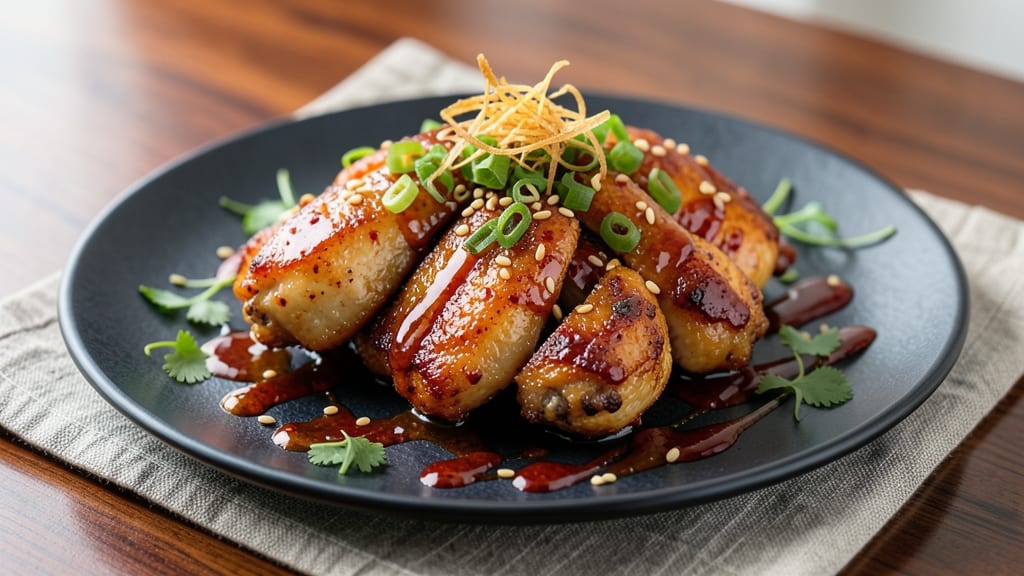
This Asian sweet and spicy chicken recipe delivers the perfect harmony of bold flavors—caramelized honey glaze meets fiery chili heat in every bite. 🌟 I developed this after years of perfecting the balance between sweetness and spice, ensuring no single flavor overpowers the other.
The secret lies in a slow marinade that tenderizes the chicken while building layers of complex flavor.
The recipe starts with juicy chicken thighs or breasts marinated in a blend of honey, soy sauce, and a carefully measured chili paste. This isn't just another takeout-style dish—we're talking restaurant-quality results with a technique that guarantees tender, flavorful meat every time.
The glaze caramelizes beautifully during cooking, creating a sticky, glossy finish that's impossible to resist.
What you'll end up with is perfectly balanced chicken—sweet enough to satisfy your sweet tooth but with just enough heat to keep things exciting. The dish pairs beautifully with steamed jasmine rice or stir-fried vegetables, making it a complete meal that's ready in under an hour.
This is the kind of recipe that transforms a simple weeknight dinner into something special.
Whether you're feeding a family or treating yourself to a flavor-packed meal, this recipe delivers consistent results. The marinade can be adjusted for heat preference, and the glaze technique ensures perfect flavor distribution. Let's get cooking—your taste buds will thank you!
Ingredients for asian sweet and spicy chicken
Sweet, spicy, sticky—this Asian-inspired chicken needs just 14 ingredients for restaurant-quality flavor.
| Ingredient | Amount | Notes |
|---|---|---|
| Boneless, Skinless Chicken Thighs 🍗 | 1 ½ lb | Cut into bite-sized pieces |
| Honey 🍯 | ½ cup | Raw or pasteurized preferred |
| Soy Sauce 🥄 | ⅓ cup | Low-sodium preferred |
| Gochujang Chili Paste 🌶️ | ¼ cup | Korean fermented chili paste |
| Rice Vinegar 🍶 | ⅛ cup | White or seasoned |
| Sesame Oil 🫒 | 1 tbsp | Toasted for aroma |
| Garlic Cloves 🧄 | 6 cloves | Minced for marinade |
| Fresh Ginger 🌿 | ¼ cup | Finely grated, peeled |
| Vegetable Oil 🫒 | 2 tbsp | For cooking chicken |
| Sesame Seeds 🌰 | 1 tbsp | Toasted for garnish |
| Green Onions 🧅 | ¼ cup | Sliced for garnish |
| Diamond Crystal Kosher Salt 🧂 | 1 tsp | For seasoning |
| Ground Black Pepper 🌶️ | ½ tsp | Freshly ground |
| Cornstarch 🌾 | 1 tbsp | For glaze thickening |
The chicken thighs are the star—juicier than breasts and perfect for marinating. Trader Joe's or Costco often have great prices on bone-in, skin-on thighs, but boneless works too. Look for pieces with good marbling for tenderness. The gochujang is non-negotiable for that signature fermented heat—Maesil Gochujang is my go-to, but any quality brand works. Fresh ginger and garlic? Always buy extra—half gets used in the marinade, half in the glaze. Toast your sesame seeds in a dry pan for 30 seconds before using—that aroma is everything.
No gochujang? Sriracha plus a dash of soy sauce gets you close, but the flavor won't be as complex. Subbing honey? Maple syrup works but lacks the floral notes. The cornstarch is key for that perfect glaze consistency—don't skip it. For extra heat, add 1/2 tsp red pepper flakes to the marinade. The rice vinegar can be swapped for apple cider vinegar in a pinch, but the flavor will be slightly different. If you're using chicken breasts, pound them to even thickness so they cook uniformly.
Marinate the chicken for at least 2 hours—overnight is ideal. The glaze keeps for 3 days in the fridge, so make extra for stir-fries. Store cooked chicken in an airtight container with a paper towel to absorb moisture—reheats beautifully. Freeze portions for up to 3 months. Pro tip: Save the leftover marinade, reduce it by half, and use it as a dipping sauce—game-changer.
Why You'll Love This Recipe
- Five-Ingredient Magic: I swear by this combo—honey, gochujang, and rice vinegar do all the work. No fancy techniques, just toss, simmer, and let the sauce work its flavor spell.
- Sweet-Spicy Balance: That gochujang brings the heat, but the honey and soy sauce soften it into something addictive. The first bite? Crispy, sticky, and impossible to stop eating.
- Lunchbox Hero: Pack it cold for work or school—it reheats beautifully and still tastes fresh. My kids actually eat their lunch when I send this in their containers. (Yes, even on a Tuesday.)
- Budget Meal Maker: Chicken thighs stretch farther than breasts, and pantry staples like soy sauce and vinegar keep costs low. A single batch feeds four for under $10—no guilt, all flavor.
Step-by-step instructions for Asian sweet and spicy chicken
Here's how to balance bold flavors and achieve that perfect sticky glaze every time.
👨🍳 Step 1: Marinate the Chicken for Maximum Flavor
Cut the 1.5 lb boneless, skinless chicken thighs into bite-sized pieces and place them in a resealable plastic bag. In a small bowl, whisk together the 0.33 cup soy sauce, 0.25 cup gochujang chili paste, 0.125 cup rice vinegar, 1 tbsp sesame oil, 6 minced garlic cloves, 0.25 cup finely grated fresh ginger, 1 tsp Diamond Crystal kosher salt, and 0.5 tsp ground black pepper. Pour this marinade over the chicken in the bag, seal tightly, and massage it to coat the pieces evenly.
Let the chicken marinate in the refrigerator for at least 30 minutes (or up to 4 hours for deeper flavor). The acid in the rice vinegar and soy sauce will begin breaking down the chicken fibers, while the gochujang and ginger infuse the meat with complex, spicy-sweet notes. Here's the thing—don't skip this step. The longer it marinates, the more tender and flavorful your chicken will be.
🔥 Step 2: Cook the Chicken Until Golden and Tender
Heat 2 tbsp vegetable oil in a large skillet over medium-high heat until shimmering. Remove the chicken from the marinade (reserve the marinade for later) and add it to the skillet in a single layer. Cook undisturbed for 3-4 minutes until the chicken develops a deep golden-brown crust on one side. This crust is crucial—it traps moisture and adds texture.
Flip the chicken pieces and cook for another 3-4 minutes until golden on the second side. The chicken should be cooked through to an internal temperature of 165°F (use an instant-read thermometer to check). If the chicken pieces are crowded in the pan, work in batches to ensure even browning. Once fully cooked, transfer the chicken to a plate and tent loosely with aluminum foil to keep warm.
🍳 Step 3: Build the Sweet and Spicy Glaze
Pour the reserved marinade into the same skillet (no need to wipe it clean—those browned bits are flavor gold) and bring to a simmer over medium heat. Let it reduce for 3-4 minutes until the liquid has thickened slightly. In a small bowl, whisk together 0.5 cup honey and 1 tbsp cornstarch until smooth. Slowly pour this mixture into the simmering marinade, stirring constantly.
Simmer for another 2-3 minutes until the glaze thickens enough to coat the back of a spoon. You're aiming for a glossy, syrupy consistency that will cling beautifully to the chicken. If the glaze thickens too quickly, add 1-2 tablespoons of water to loosen it. The gochujang and honey should now be perfectly balanced—sweet with a deep, smoky heat.
🥘 Step 4: Glaze and Garnish the Chicken
Return the chicken to the skillet and spoon the glaze over the pieces, tossing gently to coat them evenly. Cook for 1-2 minutes until the chicken is fully glazed and the sauce has caramelized slightly. The chicken should be sticky and glossy, with the glaze clinging to every bite. If the glaze isn't sticking, add a splash more water or honey to adjust the consistency.
Remove the skillet from heat and transfer the chicken to a serving platter. Sprinkle with 1 tbsp toasted sesame seeds and 0.25 cup sliced green onions for a pop of color and crunch. The sesame seeds add a nutty aroma, while the green onions brighten the dish with a fresh finish. Serve immediately while the glaze is still warm and sticky—this dish tastes best straight from the pan!
Pro Tips For Making Asian Sweet And Spicy Chicken
- CUT THIGH STRIPS LONGWAYS: Skip the messy chunks—slice thighs into ½-inch-wide strips lengthwise (not crosswise) so they cook faster and soak up the glaze better. I learned this the hard way after dealing with unevenly cooked hunks that turned rubbery.
- SWEAT GOCHUJANG FIRST: Bloom the gochujang in the pan for 1-2 minutes before adding honey—this deepens its smoky flavor and prevents the sauce from turning grainy. After burning one batch, I now treat it like a spice, not just a paste.
- DON’T RUSH THE VINEGAR: Add rice vinegar last and let the pan cool slightly—it cuts the sweetness but also thins the sauce too fast if thrown in too early. I was skeptical until I tried it; now it balances the heat perfectly.
- USE A SPLASH OF WATER: Deglaze with 2 tablespoons water after searing to lift fond bits—it makes the sauce richer without needing extra honey. This isn’t the prettiest method, but it works every time.
Serving suggestions for this recipe
Rice Pairings
Jasmine rice is my go-to base for this dish—its delicate floral aroma complements the sweet-spicy glaze beautifully. Cook 1 cup jasmine rice with 1.5 cups water and ½ tsp salt for perfectly fluffy grains.
For extra richness, stir in 1 tbsp butter and 1 tsp toasted sesame oil at the end. I like to serve it slightly warm so the rice absorbs the chicken's juices without getting soggy. 🍚
Stir-Fried Veggies
Quick-pickled cucumbers and bell peppers add freshness to balance the heat. Toss 2 cups shredded cucumber with 1 tbsp rice vinegar, ½ tsp sugar, and ¼ tsp salt for 10 minutes.
Stir-fry 1 red bell pepper and 1 carrot in 1 tbsp sesame oil for 3-4 minutes until crisp-tender. The acidity cuts through the sweetness while the veggies add crunch. 🥕
Crispy Sides
For texture contrast, I love adding crispy fried shallots or garlic fried rice. Store-bought fried shallots (like Mae Ploy) sprinkled over the dish add a sweet, nutty crunch.
Or, make quick garlic fried rice by sautéing 2 tbsp day-old rice with 1 minced garlic clove and 1 tsp soy sauce until fragrant. The shallots elevate the dish to restaurant-level presentation. 🌟
Dipping Sauces
Save the leftover marinade and reduce it by half for a quick dipping sauce. Thin with 1 tbsp water if needed, then add ½ tsp toasted sesame oil and 1 tsp honey for balance.
For a creamy option, mix 2 tbsp Greek yogurt with 1 tsp rice vinegar and ½ tsp gochujang. Serve in small bowls for dipping or drizzling over the chicken. 🥄
Garnish Game
Toast 1 tbsp sesame seeds in a dry pan for 30 seconds until golden and aromatic. Slice 2 green onions diagonally and add both to the plate. For extra flair, add ½ cup baby bok choy leaves lightly blanched in boiling water for 20 seconds.
The fresh herbs and seeds add layers of texture and aroma that make the dish pop. 🌿
Make-Ahead Serving
Prepare the chicken and glaze ahead of time, then reheat gently in a skillet with 1 tbsp water for 2-3 minutes to restore stickiness. Serve with pre-cooked rice and store-bought coleslaw for a complete meal.
I often make double batches—the leftovers reheat beautifully for quick lunches. Keep the garnishes separate until serving to maintain crispness. ✨
Nutrition facts
Frequently asked questions
Can I use chicken breasts instead of thighs?
Yes, but you'll need to adjust the cooking time. Chicken breasts cook faster and can dry out if overcooked. Pound them to even thickness (about ½-inch) and reduce cooking time to 2-3 minutes per side. Use an instant-read thermometer to check for 165°F internal temperature. For extra tenderness, marinate them 4-6 hours instead of just 30 minutes.
How do I adjust the heat level?
For milder heat, reduce the gochujang to 2 tbsp and add 1 tsp honey to balance. For extra spice, increase gochujang to ⅓ cup and add ½ tsp red pepper flakes or a dash of Sriracha to the glaze. Always taste before serving—you can adjust with more honey or vinegar as needed.
What if my glaze isn't sticky?
If the glaze is too thin, simmer it uncovered for 1-2 extra minutes to thicken. For a thicker glaze, whisk in ½ tsp cornstarch mixed with 1 tsp water and stir until glossy. If it's too thick, thin with 1 tsp water or honey. The key is patience—let it reduce naturally over medium heat.
Can I make this in a slow cooker?
Brown the chicken first in a skillet, then transfer to the slow cooker with the marinade. Cook on Low for 3-4 hours or High for 2 hours. Finish by making the glaze separately and tossing it with the chicken before serving. The slow cooker keeps the chicken moist, but the glaze needs to be added at the end for stickiness.
What's the best way to store leftovers?
Store cooked chicken in an airtight container with a paper towel to absorb moisture. It keeps for 3-4 days in the fridge. To reheat, warm in a skillet with 1 tbsp water over medium heat for 2-3 minutes until the glaze is sticky again. Freeze portions for up to 3 months—thaw overnight in the fridge before reheating.