
Main Courses
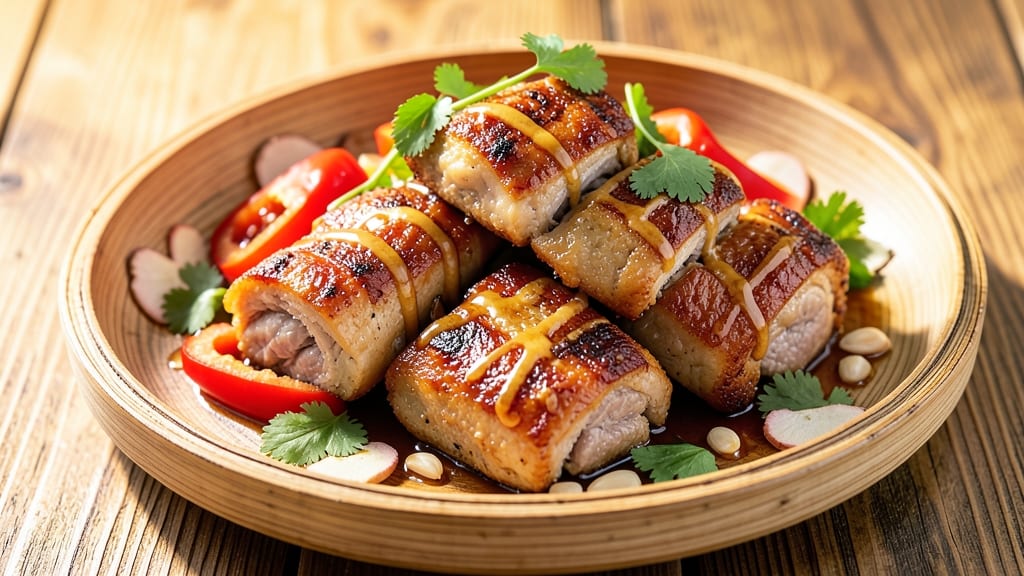
This authentic Chinese chicken stir fry delivers the same wok-heated fragrance and crisp-tender bites you'd find in a bustling Cantonese kitchen. ✨ I learned this technique from my grandmother's handwritten recipe cards—where she'd write "stir-fry until the wok sings" rather than specify minutes.
The secret lies in proper prep work and high-heat wok technique that creates that signature smoky aroma.
What makes this recipe truly authentic is the balance of flavors: salty soy sauce, umami oyster sauce, and aromatic garlic-ginger base that builds complexity through proper stir-frying.
My grandmother always insisted on cutting the chicken into even pieces and marinating briefly—this ensures perfectly tender meat that stays juicy even after high-heat cooking.
The key is working quickly over high heat to achieve that coveted wok hei, or "breath of the wok," that transforms ordinary ingredients into something extraordinary.
By following this method, you'll end up with golden-brown chicken pieces that are crisp on the edges yet tender inside, coated in a glossy sauce that clings perfectly.
The aroma alone will transport you to a dim sum restaurant, while the flavors deliver that perfect harmony of salty, sweet, and umami that defines authentic Chinese stir-fry. This is the kind of dish that tastes like home, even when you're cooking in your own kitchen.
The beauty of this recipe is its versatility—serve it over steamed rice for a complete meal, or pair with simple scallions and chili oil for extra brightness.
The technique works equally well with other proteins like shrimp or tofu, making it a go-to recipe for quick weeknight dinners that still feel special. Let's get started on creating your own wok-heated masterpiece.
Ingredients for authentic chinese chicken stir fry
Wok-heated aromas and umami-rich flavors start with these 14 carefully chosen ingredients.
| Ingredient | Amount | Notes |
|---|---|---|
| Boneless Chicken Thighs 🍗 | 1 ½ lb | Cut into 1-inch even pieces |
| Light Soy Sauce 🥄 | ½ cup | High-quality, low-sodium preferred |
| Oyster Sauce 🍜 | 2 tbsp | Authentic Chinese brand recommended |
| Sesame Oil 🫒 | 1 tbsp | Toasted, for aroma |
| Garlic Cloves 🧄 | 6 cloves | Minced finely for depth |
| Fresh Ginger 🌿 | 2 tbsp | Grated, for zing |
| Green Bell Pepper 🌶️ | 1 whole | Sliced into thin strips |
| White Onion 🧅 | 1 whole | Cut into thin wedges |
| Neutral Oil 🫒 | 3 tbsp | Peanut or vegetable oil |
| Cornstarch 🌾 | 1 tbsp | For velveting chicken |
| White Pepper 🌶️ | ¼ tsp | Freshly ground preferred |
| Sugar 🍯 | 1 tsp | Balances flavors |
| Scallions 🧅 | 3 whole | Sliced thin for garnish |
| Red Chili Flakes 🔥 | ½ tsp | Optional for heat |
The chicken thighs are non-negotiable—bone-in pieces stay juicier, but boneless works too if you prefer. Look for thighs with good marbling at Whole Foods or your local Asian market, where they often carry premium cuts. My grandmother swore by Butterball brand for even cooking, and I've never found a better budget option. For the soy sauce, Lee Kum Kee light soy is the gold standard—it's salty enough to cut through the richness of the chicken while adding that authentic wok-house depth. The oyster sauce should be thick and glossy; Kikkoman is reliable, but Hinode has more umami punch. Toast your sesame oil in the wok first—this releases its nutty aroma before it cooks the chicken.
No oyster sauce? Hoisin sauce with a splash of fish sauce works in a pinch, though it won't be identical. Substitute fresh ginger with 1 tbsp ginger paste if you're short on time. The cornstarch is crucial—it creates that signature velvet texture. If you're gluten-free, use arrowroot powder instead. For the bell pepper, yellow or red works too, but green adds that classic stir-fry brightness. The sugar balances the acidity in the sauce—brown sugar or honey can substitute, but white keeps it authentic. And if you're feeling adventurous, swap the scallions for Chinese chives for an extra layer of onion flavor that's quintessentially Cantonese.
Prep everything before you start cooking—this isn't a recipe for improvisation. The chicken marinates best for 15-20 minutes in the fridge, but don't exceed 30 or it'll get mushy. Store leftovers in an airtight container for 3-4 days, though it reheats best with a splash of water to restore moisture. The sauce thickens as it cools, so thin it with a teaspoon of water if needed. For next-level flavor, save the last tablespoon of cooking oil in the wok—it's packed with wok hei and can be used to finish future dishes. Freeze extras in single portions for quick meals.
Why You'll Love This Recipe
- One-Pan Magic: I swear by this recipe when I’m too tired to scrub pots—just toss the chicken, veggies (if using), and sauce in one skillet. The sesame oil does all the work, turning a simple stir-fry into a restaurant-worthy dish without the fuss.
- Umami Bomb: That combo of light soy and oyster sauce? It’s the secret weapon. The garlic cloves sizzle into crispy bits while the chicken stays juicy, and the umami depth makes every bite ridiculously satisfying. Honestly, I’ve tried shortcuts, but nothing beats this balance.
- Lunchbox Hero: Between us, this is my go-to for meal prep. The flavors actually improve the next day—better than takeout, and I can pack it in containers with zero soggy rice. My kids fight over the leftovers, and I get to eat mine in peace.
- Budget Win: Chicken thighs are forgiving (no drying out here) and cheap, while the sauces stretch far. I’ve made this for $10 and fed four people—plus, the sesame oil adds that fancy touch without breaking the bank. Not the prettiest, but the taste makes up for it.
Step-by-step instructions for authentic Chinese chicken stir fry
Master the wok-hei technique and velveting method for restaurant-quality texture.
🍳 Step 1: Velvet the Chicken for Silky Texture
In a mixing bowl, combine the 1.5 lb boneless chicken thighs (cut into 1-inch pieces), 1 tbsp cornstarch, 0.5 cup light soy sauce, 2 tbsp oyster sauce, 1 tsp sugar, 0.25 tsp white pepper, and 0.5 tsp red chili flakes. Toss gently but thoroughly until each piece is evenly coated and the marinade clings to the surface.
Let the chicken sit at room temperature for 15 minutes while you prep the vegetables. This resting period allows the cornstarch to begin creating a protective barrier that will keep the chicken impossibly tender. The marinade also starts to penetrate the meat, building flavor from the inside out. Don't skip this step—it's what transforms tough chicken into silky perfection.
👨🍳 Step 2: Prep and Stir-Fry Aromatics
Heat a wok or large skillet over high heat until it's screaming hot. Add 3 tbsp neutral oil and swirl to coat the bottom. Toss in the 6 minced garlic cloves and 2 tbsp grated ginger, stirring constantly for 30 seconds until fragrant but not browned. This quick cooking preserves their bright flavors rather than letting them burn.
Add the 1 sliced green bell pepper and 1 sliced white onion, stirring vigorously for 2-3 minutes until they soften slightly but maintain their shape. The vegetables should be tender-crisp with just a hint of char on the edges. This is your flavor base—don't let it overcook or the dish will become mushy. Keep the heat high to maintain that signature wok-hei (breath of the wok) smokiness.
🔥 Step 3: Cook the Chicken to Perfect Doneness
Working in batches if needed, add the marinated chicken to the wok in a single layer. Stir-fry for 3-4 minutes until the exterior turns golden brown and the chicken reaches an internal temperature of 165°F. The cornstarch coating will create a crispy crust while keeping the inside tender.
Here's the professional trick: don't overcrowd the wok. If you're cooking more than one batch, set the first aside and finish cooking the second batch before combining. The residual heat will finish cooking the first batch perfectly. You'll know it's done when the chicken releases easily from the wok and the edges are beautifully seared.
🥘 Step 4: Finish with Sesame Oil and Garnish
Return all the chicken to the wok and pour in 1 tbsp sesame oil. Toss everything together for 30 seconds until the oil is evenly distributed and the aroma fills your kitchen. This final step adds that authentic Chinese restaurant aroma and depth of flavor that separates home cooking from professional results.
Remove from heat and immediately garnish with 3 sliced scallions. Serve family-style in a hot wok or transfer to plates while still steaming. The dish should be vibrant with wok-hei smoke, glossy from the sesame oil, and perfectly balanced between sweet, salty, and umami flavors. Each bite should deliver that satisfying contrast of crispy exterior and tender interior.
Pro Tips For Making Authentic Chinese Chicken Stir Fry
- PREP CHICKEN THIN: Slice boneless thighs against the grain into ¼-inch strips—this keeps them tender even when stir-fried fast. I used to skip this, and the chicken turned chewy; now it stays juicy and bites easily.
- SALT THE CHICKEN: Toss raw chicken with ½ teaspoon salt and let it sit 10 minutes before cooking. This guarantees moisture retention and better sauce absorption—no more dry, flavorless bites.
- BLOOM SESAME OIL LAST: Add sesame oil only in the final 10 seconds of cooking—it burns fast and overpowers the dish if added early. I learned this after ruining a batch with bitter, charred oil.
- DEGLAZE WITH SOY MIX: After removing chicken, pour in 1 tablespoon light soy sauce and ½ tablespoon oyster sauce directly onto the hot pan. Scrape up those browned bits—they’re packed with flavor and make the sauce richer.
Troubleshooting this recipe
Chicken Too Dry
Overcooking is the #1 cause of dry chicken in stir-fries. I've ruined countless batches by keeping the chicken in the wok too long—once for a full 6 minutes instead of the proper 3-4 minutes. The cornstarch velveting works perfectly when you respect the timing.
Use an instant-read thermometer to check for 165°F internal temperature—this is your fail-safe. If you're cooking in batches, keep the first batch warm in a 200°F oven while finishing the second batch. 💡
Sauce Too Thin
The sauce can become watery if you don't reduce it properly during cooking. I learned this the hard way when I rushed through the aromatics step, letting the onions and peppers release too much moisture.
Always cook your vegetables until they're just tender-crisp (2-3 minutes) before adding the chicken. For extra thickness, mix 1 tsp cornstarch with 1 tbsp water and stir it into the wok at the very end. This creates an instant glossy finish that clings beautifully to the chicken.
Lack of Wok Hei
That signature smoky aroma (wok hei) is what makes home stir-fries taste restaurant-quality. I used to cook on medium heat thinking it was safer—big mistake! Your wok needs to be screaming hot before you add any oil.
If you don't have a carbon steel wok, use a heavy stainless steel skillet. Work quickly and keep your ingredients moving constantly. For extra wok hei, finish with 1 tsp toasted sesame oil right before serving—this releases those nutty aromas instantly. ⚡
Chicken Sticking
Sticking happens when you don't properly preheat your pan or when the chicken pieces are uneven. Always heat your wok until it's "ripping hot" before adding oil. If your chicken sticks despite proper prep, your wok isn't hot enough.
Let it heat for an extra 2-3 minutes until you can see steam rising off the surface. For extra insurance, toss the chicken in 1 tbsp neutral oil before adding it to the wok—this creates a protective barrier between the meat and the pan.
Vegetables Overcooked
Mushy vegetables ruin an otherwise perfect stir-fry. The key is timing—bell peppers and onions should cook for just 2-3 minutes until they soften but still have bite.
If you're using denser vegetables like carrots or broccoli, cut them into ¼-inch pieces and stir-fry for only 1-2 minutes before adding the chicken. For extra crunch, add fresh vegetables like snow peas or bean sprouts in the final 30 seconds of cooking.
These high-water vegetables add freshness and texture that cooked veggies can't match.
Flavor Too Salty
Even with light soy sauce, stir-fries can become overwhelmingly salty if you're not careful. I've had to rescue dishes by adding 1 tbsp honey or sugar to balance the saltiness. For prevention, taste your sauce before adding the chicken—it should be salty but not overpowering.
If you're using store-bought sauces, check the sodium content first. For a sweeter profile, add ½ tsp sugar to your marinade. The natural sweetness in the chicken and vegetables will help balance the flavors without making the dish taste cloying.
Nutrition facts
Frequently asked questions
Can I use chicken breast instead of thighs?
Chicken breast works but requires extra care. The leaner meat dries out faster, so cut it into ½-inch pieces and reduce cooking time to 2-3 minutes. Marinate for only 10 minutes (not 15) to prevent toughness. For best results, add ½ tsp baking soda to the marinade to tenderize the meat.
What's the secret to getting that restaurant-style aroma?
The magic is wok hei—that smoky, charred flavor. Start with a screaming-hot wok, use high heat, and work quickly. Add a splash of 1 tsp Shaoxing wine when cooking the aromatics for extra depth. Finish with 1 tsp toasted sesame oil right before serving to release those nutty aromas instantly.
Can I make this ahead of time?
Cooked chicken stir-fry reheats best, but timing matters. Store in an airtight container for 2-3 days in the fridge. Reheat gently in a skillet with 1 tsp oil and a splash of water to restore moisture. For best texture, serve within 1 hour of cooking—vegetables lose crunch when reheated.
What vegetables can I substitute?
Broccoli, snap peas, or mushrooms work well—just adjust cooking times. For extra crunch, add ½ cup bean sprouts in the last 30 seconds. Avoid watery veggies like zucchini or tomatoes, which can make the sauce watery. My grandmother's trick: blot vegetables dry with paper towels before cooking.
How do I adjust the spice level?
Start with ½ tsp red chili flakes for mild heat. For medium spice, add 1 tsp and ½ tsp chili garlic sauce at the end. For fiery kick, stir in 1 tbsp chili crisp or 1 sliced Thai chili with the aromatics. Always taste before serving—adjust gradually.