
Main Courses
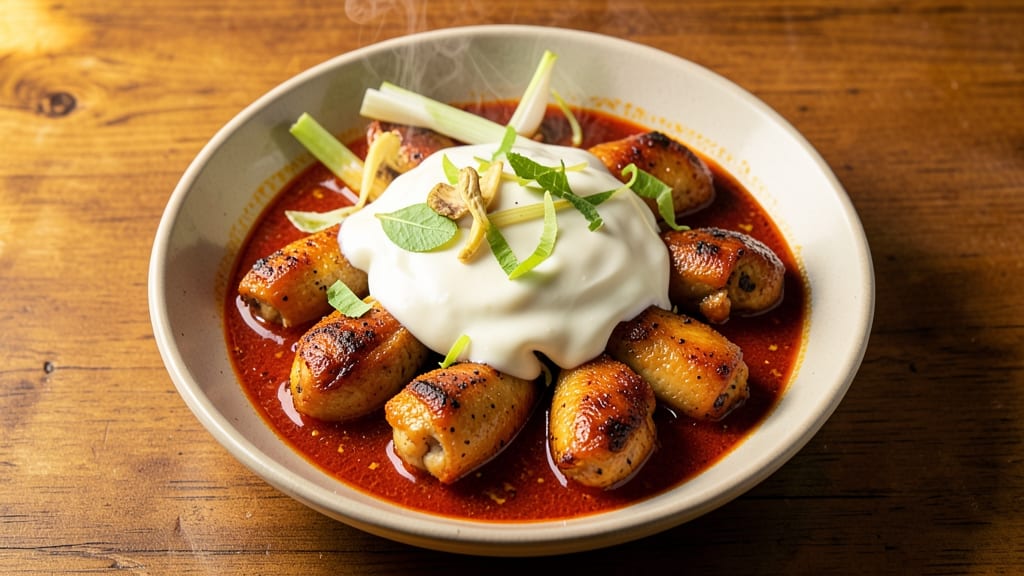
This authentic Thai chicken red curry recipe brings the bold, aromatic flavors of Bangkok to your kitchen—no shortcuts, just traditional technique. 🌟 The secret lies in homemade curry paste, simmered low and slow to develop layers of spice and fragrant herbs that transform simple chicken into a restaurant-worthy dish.
I've spent years perfecting this balance between heat, sweetness, and umami, using the same methods my grandmother relied on when she cooked for family gatherings.
The foundation is a vibrant red curry paste made from toasted spices, lemongrass, galangal, and kaffir lime leaves—each ingredient playing a crucial role in that signature Thai flavor profile. We'll build the sauce gradually, allowing the chicken to cook through while the spices meld into a rich, velvety consistency.
The key? Patience and attention to detail, especially when adjusting the spice level to suit your taste.
What you'll end up with is a dish that's authentic in every sense—deeply aromatic from the herbs, perfectly balanced between spicy and sweet, and rich enough to coat each bite of tender chicken.
The sauce will be glossy and fragrant, with just the right amount of heat that lingers without overpowering. This isn't just a curry; it's a taste of Thailand, made possible with simple techniques and quality ingredients.
Serve it over steamed jasmine rice to soak up every last drop of that fragrant sauce, and garnish with fresh Thai basil and sliced green onions for brightness. The leftovers? Even better the next day as the flavors deepen. Let's get cooking—this curry is worth every minute of the process.
Ingredients for authentic thai chicken red curry
These vibrant ingredients transform simple chicken into an aromatic, restaurant-style Thai curry.
| Ingredient | Amount | Notes |
|---|---|---|
| Boneless Chicken Thighs 🍗 | 1 ½ lb | Skin-on preferred for flavor |
| Red Curry Paste 🌶️ | ½ cup | Homemade or quality store-bought |
| Coconut Milk 🥥 | 1 can | Full-fat for creaminess (13.5 oz can) |
| Lemongrass 🌿 | 3 whole | Bruised stems for aroma |
| Galangal 🌿 | 1 piece | Substitute ginger if unavailable |
| Kaffir Lime Leaves 🍋 | 4 whole | Lightly bruised for flavor |
| Garlic Cloves 🧄 | 6 cloves | Minced for depth of flavor |
| Shallots 🧅 | 4 whole | Minced or finely chopped |
| Fish Sauce 🍶 | 2 tbsp | Red Boat preferred |
| Palm Sugar 🍯 | 2 tbsp | Or light brown sugar |
| Thai Chili Peppers 🌶️ | 2 whole | Adjust for heat preference |
| Fresh Thai Basil 🌿 | ½ cup | For garnish, stems removed |
| Green Onions 🧅 | 3 whole | Sliced for garnish |
| Jasmine Rice 🍚 | 1 ½ cups | Uncooked, for serving |
| Vegetable Oil 🫒 | 2 tbsp | For sautéing |
The curry paste is everything—look for authentic brands at Asian markets like Mae Ploy or Thai Kitchen, or make your own if you're feeling ambitious. Galangal is the tricky one: substitute ginger if you can't find it, but it's worth hunting down for that authentic Thai flavor. Lemongrass should be bright green and firm—avoid any that's yellowing or limp. For the coconut milk, full-fat is non-negotiable—light versions won't give you that rich, velvety texture. I usually grab mine from Trader Joe's because it's affordable and reliable, but any quality brand works.
No fish sauce? Soy sauce or coconut aminos work in a pinch, but you'll lose that umami depth. Running out of Thai chilies? Bird's eye chilies or red pepper flakes at half the amount will give you similar heat. The shallots and garlic can be swapped for regular onions if needed, but they add a subtle sweetness that rounds out the dish. Palm sugar is ideal, but light brown sugar works perfectly—just don't use white sugar, or the sauce will taste flat. And if you can't find kaffir lime leaves, double the lime zest plus a splash of lime juice gets you close.
This curry tastes even better the next day as the flavors meld together. Store leftovers in an airtight container in the fridge for up to 5 days. The sauce thickens as it cools, so add a splash of water or coconut milk when reheating. For quick meals, freeze portions for up to 3 months. I always make extra because it disappears faster than you'd think—especially when served over that fragrant jasmine rice.
Why You'll Love This Recipe
- One-Pot Magic: I swear by this—just sear the chicken, toss in the curry paste, splash on coconut milk, and let it simmer. No extra bowls, no mess. That fragrant steam alone tells me dinner’s saved.
- Flavor Bomb: The galangal and lemongrass hit different—earthy, citrusy, with a slow-building heat. Honestly, the first time I tasted it, I nearly dropped my fork. That’s the kind of dish that makes you want to eat with your hands.
- Leftovers That Win: This curry actually improves the next day. The flavors meld even deeper, and it reheats like a dream. I freeze half for lazy nights when I just need that same restaurant-quality taste without the effort.
- Budget-Friendly Luxury: Chicken thighs stretch farther than breast, and a single jar of red curry paste goes a long way. Between us, this is the only “fancy” meal I make that won’t break the bank—or my willpower to eat it all in one sitting.
Step-by-step instructions for authentic Thai chicken red curry
Here's how to build this fragrant, balanced curry with perfect spice depth and tender chicken.
🍳 Step 1: Prepare the Aromatic Base
Heat the 2 tablespoons vegetable oil in a heavy pot over medium heat until shimmering. Add the 4 whole shallots and 6 cloves garlic cloves (minced) and sauté for 3-4 minutes until the shallots turn translucent and golden. Here's the thing—don't rush this step. You want those aromatics to soften and release their natural sweetness before adding anything else.
Next, add the 1 piece galangal (peeled and sliced) and 3 whole lemongrass (bruised and cut into 2-inch pieces). Cook for another 2 minutes until fragrant. The galangal will darken slightly—that's normal and actually enhances the flavor. This aromatic base is the foundation of your curry's complexity, so take your time getting it right.
🍳 Step 2: Build the Curry Paste Foundation
Push the aromatics to one side of the pot and add the 0.5 cup red curry paste. Let it cook undisturbed for 1-2 minutes until it darkens slightly and releases its oils. This is where the magic happens—the paste's spices will toast and deepen in flavor. Stir occasionally to prevent burning, but don't rush this step.
Now add the 2 whole Thai chili peppers (sliced) and the 4 whole kaffir lime leaves (lightly bruised). Cook for another 30 seconds until everything is well incorporated. The paste should coat the back of a spoon and smell intensely aromatic. This is your flavor anchor—if it smells amazing now, your curry will be authentic and delicious.
🥘 Step 3: Add Chicken and Simmer
Increase heat to medium-high and add the 1.5 lb boneless chicken thighs. Let them sear for 2-3 minutes until they develop a light golden crust. This step is crucial for building flavor through the Maillard reaction. Then pour in 1 cup of the coconut milk (reserve the rest) and stir to combine. The curry will look thick and intense right now—that's perfect.
Reduce heat to low and let the chicken simmer gently for 10 minutes. You're looking for the chicken to become tender but not fall apart. Here's where it gets tricky—if the curry looks too thick, add ½ cup water to loosen it. The sauce should coat the back of a spoon but still be able to cling to the chicken. Don't skip this adjustment; it makes all the difference in texture.
🥘 Step 4: Finish with Coconut Milk and Season
Pour in the remaining coconut milk and add the 2 tablespoons fish sauce and 2 tablespoons palm sugar. Stir well to combine. The curry should now be rich and velvety. Let it simmer gently for another 8-10 minutes until the chicken is fully cooked through and tender. You'll know it's ready when the chicken easily separates at the bone and the sauce has thickened slightly.
Taste and adjust seasoning—add more fish sauce if you want more umami depth, or more sugar if you need to balance the heat. The curry should have a perfect balance of spicy, sweet, and savory flavors. This is where authenticity shines through in every bite.
🍽️ Step 5: Serve with Jasmine Rice
While the curry simmers, cook the 1.5 cups jasmine rice according to package instructions until fluffy and separate. To serve, ladle the curry over the rice, garnishing with 0.5 cup fresh Thai basil and 3 whole green onions (sliced). The basil adds a bright, fresh contrast to the rich curry, while the green onions bring a subtle sharpness that cuts through the creaminess.
For the best experience, serve immediately while the curry is steaming hot. The aroma alone will transport you straight to Thailand. Each bite should deliver tender chicken, fragrant herbs, and a perfect balance of spicy and sweet flavors that make this curry truly authentic.
Pro Tips For Making Authentic Thai Chicken Red Curry
- Bloom the Paste First: Toss the red curry paste into your hot pot and let it sizzle for 2-3 minutes before adding anything else—this releases its oils and deepens the flavor. I used to skip this, and the curry always tasted flat until I realized how much difference those first 60 seconds make.
- Pound the Galangal: Galangal’s tough fibers need a good beating with the flat side of your knife or a mortar and pestle before adding it to the paste. My grandmother swore by this, and she was right: it dissolves into the curry instead of sitting in stubborn chunks.
- Simmer, Don’t Boil: After adding coconut milk, keep the heat low enough that you see tiny bubbles at the edges—not a rolling boil. I learned this the hard way when my curry curdled into a greasy mess after one aggressive simmer.
- Use Full-Fat Coconut Milk: Skip the light version—authentic Thai curry relies on the richness of full-fat coconut milk (the first canned layer). It’s worth the extra splurge; the texture and depth of flavor are completely different. (Yes, even if you’re impatient like me.)
Pro cooking tips for great authentic thai chicken red curry
Spice Toasting Secrets
The moment you add the curry paste, let it toast undisturbed for 1-2 minutes until it darkens and releases its oils. This is where the spices wake up—think of it like blooming flowers in your pot.
I use a heavy-bottomed pot (like my trusty Lodge Dutch oven) to prevent scorching. Stirring too early can burn the spices, making them bitter instead of fragrant. The paste should smell like a spice market in Bangkok—earthy, citrusy, and just a hint of heat. 🌶️
Chicken Searing Trick
Don't skip the 2-3 minute sear on the chicken thighs—this builds flavor through the Maillard reaction, creating that delicious crust that keeps the meat juicy. I always use skin-on thighs because the fat renders down into the sauce, making it richer.
If you're using boneless, skinless chicken, pat it dry first with paper towels—this helps the crust form better. The chicken should be golden before you add the coconut milk, not pale. 🍗
Low-and-Slow Simmer
After adding the coconut milk, reduce heat to low and let it simmer gently. This is where patience pays off—the sauce will develop depth and the chicken will become fork-tender without drying out. I check the chicken's internal temperature with a meat thermometer—it should reach 165°F.
If the sauce gets too thick, add ½ cup water gradually. The goal is a sauce that coats the back of a spoon but still clings to the chicken. 🥘
Balancing Act
Taste your curry before serving and adjust the balance between spicy, sweet, and savory. Need more heat? Add ½ teaspoon of chili flakes or a dash of fish sauce. Too spicy? Balance it with ½ teaspoon more palm sugar or a splash of lime juice.
I keep a small bowl of red Boat fish sauce and palm sugar on hand for quick adjustments. The curry should make your taste buds dance—not just from heat, but from all the flavors working together. ✨
Herb Garnish Hack
Fresh Thai basil and green onions aren't just for looks—they add brightness that cuts through the richness. I like to bruise the basil leaves slightly by rolling them in my palm before adding them to the pot for the final minute of cooking.
This releases their oils and intensifies their flavor. For garnish, use ½ cup fresh basil and 3 sliced green onions—just enough to add color and freshness without overpowering. 🌿
Leftovers Love
This curry tastes even better the next day as the flavors meld together. Store leftovers in an airtight container in the fridge for up to 5 days. When reheating, add a splash of water or coconut milk to loosen the sauce—it thickens as it cools.
For quick meals, freeze portions for up to 3 months. I always make extra because it disappears faster than you'd think—especially when served over that fragrant jasmine rice. 💫
Nutrition facts
Frequently asked questions
Can I use chicken breast instead of thighs?
You can, but thighs are ideal for this dish—they stay juicier during the long simmer. If using breasts, cut them into 1-inch pieces and reduce the cooking time to 8 minutes after adding coconut milk. They'll dry out faster, so don't overcook! For extra tenderness, marinate them in 1 tbsp fish sauce and 1 tbsp lime juice for 30 minutes before cooking.
How do I make this less spicy?
Start by reducing the Thai chilies to 1 whole pepper or omit them entirely. For extra insurance, remove the seeds and membranes first. After cooking, stir in ½ teaspoon more palm sugar or a splash of lime juice to balance the heat. If it's still too spicy, add a ½ cup coconut milk to dilute the sauce slightly.
What can I substitute if I can't find kaffir lime leaves?
Use 2 tablespoons lime zest plus 1 tablespoon lime juice as a close substitute. For extra depth, add ½ teaspoon ground coriander—it mimics the citrusy, slightly floral notes. The dish won't be identical, but it'll still taste authentically Thai. If you're feeling adventurous, try makrut lime leaves (a close relative) from Asian markets.
Can I make this curry in an Instant Pot?
Sauté the aromatics and curry paste as directed, then add the chicken and 1 cup coconut milk. Seal the lid and cook on high pressure for 8 minutes. Quick-release the pressure, then add the remaining coconut milk, fish sauce, and sugar. Let it simmer on low heat for 5 minutes to thicken. The Instant Pot speeds up cooking but may require a splash of water to adjust thickness.
Why is my curry paste burning?
Curry paste burns easily because of its high oil content. Always use a heavy-bottomed pot and keep the heat at medium-low while toasting. Stir constantly once it starts to darken (after 1 minute). If it does burn, remove the pot from heat immediately and scrape out the blackened bits—they'll make the curry bitter. Next time, reduce the heat even more or toast in batches.