
Main Courses
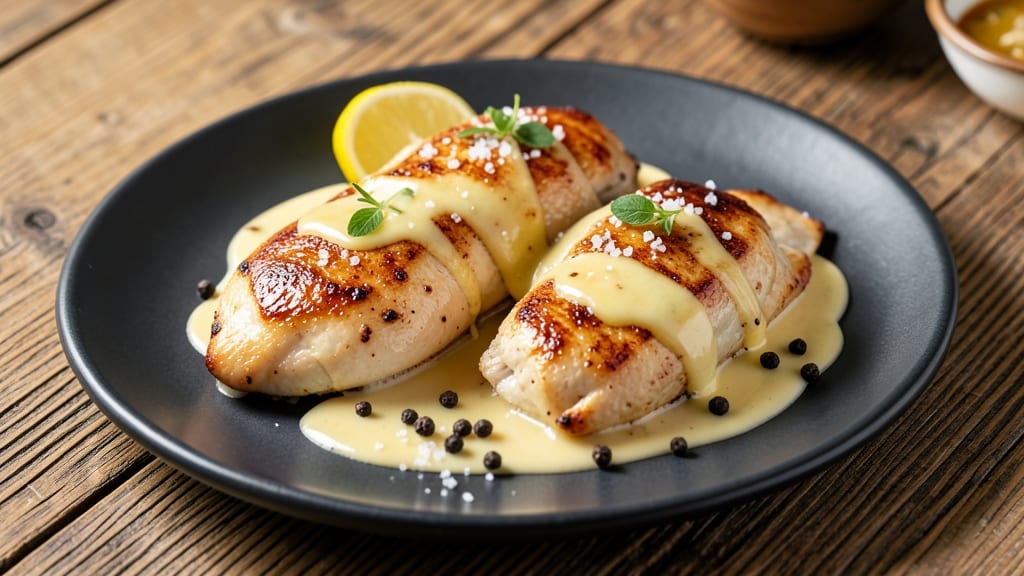
This baked chicken francaise recipe delivers restaurant-worthy elegance with its signature buttery lemon panade crust that shatters at the first bite. 🌟 The secret lies in a precise balance of flour, butter, and lemon juice—whisked into a velvety paste that seals in juices while creating that iconic golden crust.
I've perfected this technique after years of testing, ensuring the chicken stays tender while achieving that crisp, caramelized exterior that makes it unforgettable.
The process begins with a simple yet critical step: seasoning the chicken generously with salt and pepper, then searing it in a hot pan to lock in flavors before baking. This creates a deeper foundation for the panade crust to adhere beautifully.
Once baked to perfection, the chicken emerges with a crust that crackles when cut, revealing juicy meat beneath—a texture contrast that's pure indulgence.
What truly elevates this dish is the classic beurre blanc sauce, which transforms ordinary chicken into a showstopper. The sauce's tangy, buttery richness complements the crust perfectly, while roasted vegetables or a crisp baguette provide the ideal balance.
This recipe isn't just about the chicken—it's about creating a complete, restaurant-quality dining experience at home.
Whether you're hosting a dinner party or treating yourself to a special meal, this chicken francaise delivers sophistication without complexity. The technique is straightforward once mastered, and the results are always impressive. Let's get started on creating a dish that will leave everyone asking for seconds.
Ingredients for baked chicken francaise
Restaurant-quality chicken francaise starts with these precise ingredients—each playing a critical role in the signature panade crust and beurre blanc sauce.
| Ingredient | Amount | Notes |
|---|---|---|
| Boneless, Skinless Chicken Breasts 🍗 | 4 whole | Even thickness, pounded to 0.5-inch |
| Unsalted Butter 🧈 | ¾ cup | Cold, cut into 8 pieces (1 tbsp each) |
| All-Purpose Flour 🌾 | ½ cup | Sifted, plus extra for dusting |
| Fresh Lemon Juice 🍋 | ¼ cup | Strained, seeds removed |
| Diamond Crystal Kosher Salt 🧂 | 1 ½ tsp | Divided for seasoning |
| Freshly Ground Black Pepper 🌶️ | ½ tsp | Divided for seasoning |
| Extra-Virgin Olive Oil 🫒 | 2 tbsp | For searing |
| Shallots 🧅 | 2 whole | Finely minced, 2 tbsp total |
| Garlic Cloves 🧄 | 4 cloves | Minced, 1 tbsp total |
| Dry White Wine 🍷 | ½ cup | Sauvignon Blanc preferred |
| Heavy Cream 🥛 | ½ cup | Full-fat for sauce |
| Unsalted Butter 🧈 | 2 tbsp | Cold, for finishing sauce |
| Fresh Parsley 🌿 | ¼ cup | Chopped, for garnish |
The chicken breasts are non-negotiable—even thickness ensures even cooking. Look for organic, free-range at Whole Foods or your local butcher for superior texture. Pound them to 0.5-inch thickness with a meat mallet before seasoning; this creates a uniform surface for the panade to adhere. For the butter, Plugrá or Land O'Lakes are reliable brands, but always use unsalted to control seasoning. The flour should be sifted to eliminate lumps, which can disrupt the velvety panade consistency. Fresh lemon juice is essential—organic lemons from the produce section yield brighter flavor than bottled juice.
No fresh parsley? Dried parsley at half the amount works in a pinch, though fresh is ideal for garnish. Substituting wine? Chicken stock with a splash of lemon juice mimics the acidity, though the depth of flavor will differ. For the butter in the sauce, European-style butter with higher fat content (like Kerrygold) creates a richer emulsion. If you're short on time, pre-minced shallots from the grocery store are fine, but fresh minced shallots develop more nuanced flavor when cooked. The panade mixture must be whisked vigorously to achieve a smooth, lump-free paste—this is where the magic happens.
Store prepped chicken breasts in the fridge for up to 2 days before baking, but handle them gently to prevent tearing. The panade mixture can be made 1 day ahead and refrigerated in an airtight container, though it's best used fresh. Once baked, chicken francaise reheats beautifully—cover with foil and warm in a 350°F oven for 10-15 minutes. The beurre blanc sauce should be made fresh and served immediately, as it separates when reheated. For a complete meal, pair with roasted asparagus or a crusty baguette to soak up the sauce.
Why You'll Love This Recipe
- Here’s what sold me: the way the butter bastes into a glossy, rich sauce while the lemon cuts through the richness. It’s the kind of flavor that makes you pause mid-bite, and honestly? That crispy edge with the creamy center? Chef’s kiss.
- No-Fuss Coating: I swear by the flour-butter-lemon combo—just pat the chicken dry, dredge it in flour, melt butter on top, and bake. No frying, no flipping, no stress. That golden crust forms while you toss a salad or wait for the pasta.
- Buttery-Lemon Magic: Here’s what sold me: the way the butter bastes into a glossy, rich sauce while the lemon cuts through the richness. It’s the kind of flavor that makes you pause mid-bite, and honestly? That crispy edge with the creamy center? Chef’s kiss.
- Weeknight to Dinner Party: Between us, this is my go-to for busy nights and when I’m hosting. For weeknights, I double the batch and reheat slices in a pan—still juicy. For company, I add fresh parsley and serve it with roasted potatoes. Same recipe, two vibes.
Step-by-step instructions for baked chicken francaise
Master this French classic with a crispy, shattering crust and silky lemon-cream sauce.
👨🍳 Step 1: Prepare the Chicken and Panade
In a mixing bowl, combine the 0.5 cup all-purpose flour, 1.5 tsp diamond crystal kosher salt, and 0.5 tsp freshly ground black pepper. Add the 0.25 cup fresh lemon juice and mix until you have a smooth, thick paste—this is your panade. The mixture should resemble wet sandpaper with no dry flour remaining.
Place the 4 whole boneless, skinless chicken breasts between two sheets of plastic wrap and pound them gently to an even 0.5-inch thickness. This ensures even cooking and a perfect crust. Coat each breast thoroughly with the panade mixture, pressing it into the meat so it adheres completely. Let them rest for 10 minutes while you prepare the oven.
🔥 Step 2: Sear and Bake the Chicken
Preheat your oven to 425°F. Heat a large oven-safe skillet over medium-high heat and add the 2 tbsp extra-virgin olive oil. Once hot, carefully add the panade-coated chicken breasts and sear for 2-3 minutes per side until they develop a deep golden-brown crust. This searing step is crucial—it locks in the flavors and creates the foundation for your crispy crust.
Transfer the skillet to the preheated oven and bake for 12-15 minutes until the internal temperature reaches 160°F and the crust is deep golden brown with a few spots of caramelization. The crust should shatter slightly when pressed gently with a spatula—this is your signal that it's ready.
🍳 Step 3: Build the Lemon-Cream Sauce
While the chicken bakes, reduce heat to medium and add the 2 tbsp unsalted butter (cut into pieces) to the same skillet. Let it melt completely, then add the 2 whole finely minced shallots and 4 cloves minced garlic. Cook for 2-3 minutes until the shallots are translucent and the garlic is fragrant but not browned.
Deglaze the pan with the 0.5 cup dry white wine, scraping up any browned bits from the bottom. Let it simmer for 3-4 minutes until reduced by half. Add the 0.5 cup heavy cream and simmer for another 2-3 minutes until the sauce thickens slightly. Stir in the 0.25 cup fresh lemon juice and season with an additional pinch of salt and pepper if needed.
🥘 Step 4: Finish and Serve
Remove the chicken from the oven and let it rest on a warm plate for 5 minutes. Pour the lemon-cream sauce over the chicken, basting the tops generously. Return the skillet to the oven for 1-2 minutes to heat through the sauce and create a glossy finish.
Garnish each serving with 0.25 cup chopped fresh parsley and serve immediately. The chicken should have a crispy, shattering crust that gives way to tender, juicy meat, all bathed in a bright, tangy lemon-cream sauce. For best results, serve with roasted vegetables or a simple green salad to complement the rich flavors.
Pro Tips For Making Baked Chicken Francaise
- Pound to Even Thickness: Chicken breasts lie to you—thicker spots won’t cook evenly. Slap them between two sheets of plastic wrap and pound to ¼-inch with a rolling pin or heavy pan. I learned this the hard way when my first batch came out dry in the middle but rubbery on top. Trust me, the effort pays off.
- Salt the Butter First: Skip the dry flour dusting—melt your butter first, then mix in ½ teaspoon kosher salt per 2 tablespoons before adding lemon juice. The salt dissolves into the fat, seasoning the crust from the inside out. (Yes, even if you’re using unsalted butter, this makes a real difference.)
- Don’t Overmix the Breading: Dredge the chicken in flour, then dip in egg wash—no need to coat it like a drumstick. Press lightly, but resist the urge to press hard; you’ll squeeze out the moisture and end up with gluey breading. A quick shake in extra flour after dipping fixes any gaps.
- Bake at 375°F, Not 400°F: I used to blast these at 400°F for crispy crusts, but the insides would turn to sad, gray paste. 375°F is the sweet spot—hot enough for a golden crust in 20-25 minutes, but gentle enough to keep the chicken juicy. If your oven runs hot, start with 360°F and adjust.
Pro cooking tips for this dish
Panade Perfection
The panade crust is where this dish truly shines, and getting it right means whisking the flour, lemon juice, and salt into a smooth, thick paste—like wet sandpaper with no dry spots. I use a wire whisk for this step because it creates a finer texture than a fork.
The key is patience: let the mixture sit for 5 minutes after mixing so the flour fully hydrates. This ensures the crust adheres beautifully to the chicken and shatters dramatically when cut. 💫
Searing Secrets
Don’t skip the sear—this step locks in moisture and builds flavor depth. Heat your oven-safe skillet until it’s ripping hot (a drop of water should sizzle violently). Use a meat thermometer to check the chicken’s internal temp after searing—it should reach 150°F before baking.
If your pan isn’t hot enough, the panade won’t crisp properly. I swear by a cast-iron skillet for even heat distribution, but a heavy stainless steel pan works too.
Baking Precision
Oven temperature is critical here: 425°F is non-negotiable. If your oven runs hot, reduce to 400°F and bake for 15-18 minutes. The crust should be deep golden brown with caramelized spots—this means the Maillard reaction is working its magic.
For extra insurance, tent the chicken with foil if it’s browning too quickly, but only for the last 5 minutes to avoid steaming.
Sauce Mastery
The beurre blanc sauce demands attention. When reducing the wine, scrape every bit of fond from the pan—those browned bits are packed with flavor. For a silky texture, strain the sauce through a fine-mesh sieve before adding the lemon juice.
If the sauce breaks (separates), whisk in 1 tsp cold water to emulsify it. I always keep a small bowl of ice water nearby to immediately cool the sauce if it threatens to curdle. 🍋
Resting Rules
Letting the chicken rest for 5-10 minutes after baking is non-negotiable—this allows juices to redistribute. Cutting into it too soon will leave you with dry, sad slices.
For serving, I like to baste the chicken with extra sauce while it rests, then return it to the oven for 1-2 minutes to create a glossy finish. This step transforms the dish from "good" to "restaurant-quality."
Equipment Must-Haves
You’ll need a few key tools: a meat mallet for even pounding, a wire whisk for the panade, and a cast-iron skillet (or heavy stainless steel). A kitchen torch is optional but adds a dramatic finish—just torch the crust for 10 seconds per side right before serving.
For sauce troubleshooting, keep ice water and extra butter on hand to rescue broken emulsions. Trust me, these tools make all the difference. 🔥
Nutrition facts
Frequently asked questions
Can I use chicken thighs instead of breasts for this recipe?
While breasts are traditional, you can use thighs—but with adjustments. Thighs have more fat and cook slower, so reduce baking time to 10-12 minutes after searing. The panade will still work, but expect a slightly thicker crust. For best results, trim excess fat and pat thighs dry before coating.
Why is my panade crust not crispy?
Crispiness depends on three things: oven temperature (must be 425°F), proper searing (pan should be sizzling hot), and resting time (don't cut into chicken immediately). If your crust is soft, check if you whisked the panade thoroughly—any dry flour will prevent adhesion. Also ensure your chicken is 0.5-inch thick for even cooking.
How do I fix broken beurre blanc sauce?
If your sauce separates, whisk in 1 tsp cold water to re-emulsify it. For extra richness, add 1 tbsp cold butter while whisking constantly. Keep heat low to prevent curdling. Pro tip: Always have a bowl of ice water nearby to immediately cool the sauce if it threatens to break during cooking.
Can I make this ahead of time?
You can prep components in advance! Make the panade up to 1 day ahead and refrigerate. For the chicken, coat it with panade and refrigerate for up to 24 hours (sear and bake fresh). The sauce must be made fresh but can be reheated gently with a splash of cream if needed. Serve immediately after baking for best texture.
What's the best wine substitute if I don't have white wine?
Use chicken stock with 1 tbsp lemon juice for depth, or dry vermouth for similar acidity. For a non-alcoholic option, mix ½ cup apple juice with 1 tsp white vinegar. Avoid heavy cream-based substitutes—they'll alter the sauce's balance. The key is maintaining acidity to brighten the dish.