
Main Courses
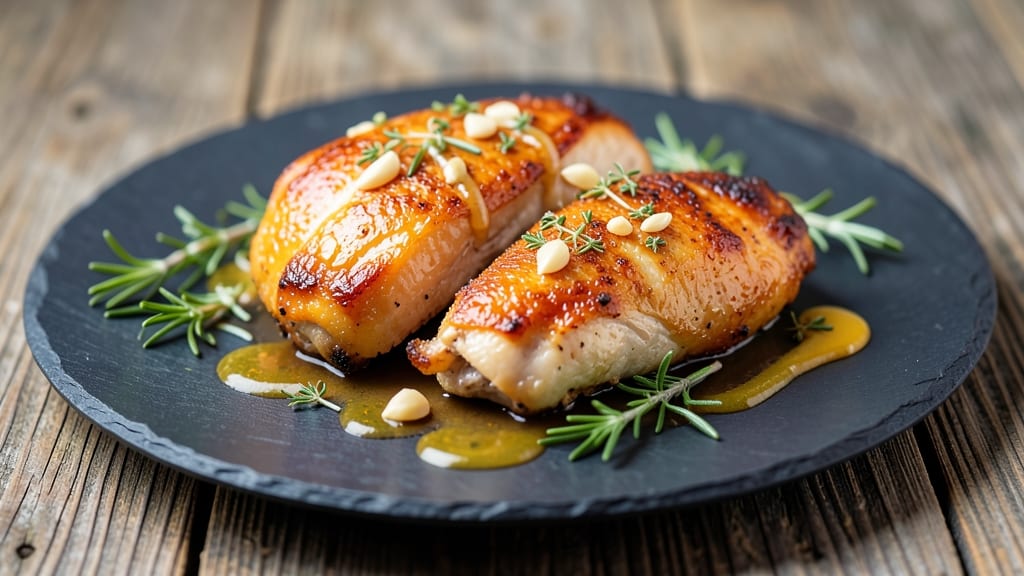
This baked chicken with orange juice recipe transforms ordinary weeknight dinners into something special—tender, juicy bites braised in bright citrus and aromatic herbs. 💛 The secret lies in using orange juice as both marinade and glaze, creating a balance of sweet-tart flavors that keeps the chicken impossibly moist while developing a beautiful caramelized crust.
I developed this recipe after years of battling dry baked chicken, and the orange juice makes all the difference. The acidity tenderizes the meat while infusing it with vibrant flavor, while the baking process creates that perfect contrast between crisp edges and succulent centers.
No fancy equipment needed—just one pan, simple ingredients, and about 45 minutes of hands-off cooking.
What you'll end up with is golden-brown chicken pieces that practically fall apart at the touch, bathed in a sticky-sweet orange glaze that's impossible to resist. The citrus notes brighten every bite, making this dish feel fresh and restaurant-worthy without requiring special skills.
It's the kind of recipe that turns a simple weeknight into something memorable.
Pair with roasted potatoes or a simple green salad to round out the meal. The orange flavors work beautifully with complementary sides, but the chicken stands strong enough to be the star. Let's get started with this foolproof method that delivers juicy, flavorful results every time.
Ingredients for baked chicken orange juice
Citrus-forward ingredients that transform simple chicken into restaurant-worthy bites.
| Ingredient | Amount | Notes |
|---|---|---|
| Boneless, Skinless Chicken Thighs 🍗 | 1 ½ lb | Cut into even 1-inch pieces |
| Fresh Orange Juice 🍊 | 1 cup | 100% pure, no pulp |
| Extra-Virgin Olive Oil 🫒 | ¼ cup | For searing and basting |
| Garlic Cloves 🧄 | 4 cloves | Minced for aromatic depth |
| Fresh Rosemary 🌿 | ¼ cup | Chopped, stems removed |
| Fresh Thyme Leaves 🌿 | ¼ cup | Packed, stems discarded |
| Diamond Crystal Kosher Salt 🧂 | 1 ½ tsp | For seasoning and balancing |
| Ground Black Pepper 🌶️ | ½ tsp | Freshly cracked for heat |
| Honey 🍯 | 1 tbsp | For glaze sweetness |
| Orange Zest 🍊 | 1 tbsp | From 1 organic orange |
| All-Purpose Flour 🌾 | 1 tsp | For light dusting |
| Fresh Lemon Juice 🍋 | 1 tbsp | Brightens citrus notes |
The chicken thighs are the foundation—thighs stay juicier than breasts during baking. Look for organic, free-range thighs at Whole Foods or your local butcher for optimal flavor and texture. Fresh orange juice is non-negotiable; bottled juice lacks the vibrant acidity needed for proper tenderizing. For the best quality, use Valencia or Navel oranges—their natural sweetness balances beautifully with the herbs. The zest should come from organic oranges to avoid wax residue, and Trader Joe's often carries these pre-peeled and ready to zest. Rosemary and thyme should be fragrant and green, not wilted or brown at the stems—Costco's bulk herb section offers excellent value for these aromatic staples.
No fresh orange juice? Freshly squeezed grapefruit juice works in a pinch, though the flavor profile shifts slightly. Substitute bottled orange juice only if it's 100% pure with no additives—Tropicana Pure is the safest bet. For the herbs, dried thyme at one-third the amount maintains the base flavor, but fresh is ideal. The honey can be swapped for maple syrup for a vegan option, though it alters the caramelization slightly. If you're missing the orange zest, lemon zest at half the quantity provides a similar bright note. The olive oil should be extra-virgin for its fruity depth—California Olive Ranch is a reliable brand for consistent quality.
Freshly squeezed orange juice can be stored for 3 days in the fridge, but it's best used immediately for peak flavor. The herbs should be wrapped in damp paper towels and sealed in a plastic bag for up to 5 days in the fridge. Chicken pieces can be prepped a day ahead and refrigerated, but bake within 24 hours for best texture. The glaze thickens as it cools, so reheating briefly with a splash of water or orange juice restores its silky consistency. Leftovers keep for 3 days in the fridge or 3 months frozen, though the texture changes slightly after freezing.
Why You'll Love This Recipe
- No-Fuss Weeknight Win: I swear by this when I’m too tired to think. Toss those chicken thighs in a bowl with olive oil, garlic, and rosemary—no marinating, no fuss—then bake while I chop veggies for the side. The orange juice glaze happens in the last 10 minutes, and suddenly, dinner smells like a restaurant.
- Bright & Tangy Magic: That citrus glaze isn’t just for looks—it actually tenderizes the chicken while adding this bright, almost Mediterranean punch. The rosemary and garlic deepen the flavor, but the orange juice keeps it from feeling heavy. It’s the kind of dish where every bite tastes like a little vacation.
- Leftover Hero: Between us, this recipe doubles as my go-to for lunches. Bake a big batch, and the leftovers reheat beautifully—juicy, not dry, with that sticky-sweet glaze clinging to the edges. Pack it in containers, and suddenly you’ve got effortless lunches for days (yes, even on a Tuesday).
- Budget Meal, Big Flavor: Chicken thighs are cheaper than breasts, and fresh orange juice feels fancy without breaking the bank. A few sprigs of rosemary and a head of garlic stretch further than you’d think, making this a dish that’s kind to your wallet but not your taste buds. Honestly, it’s one of those recipes where you wonder why you don’t make it more often.
Step-by-step instructions for juicy citrus-braised chicken
Here's the method for tender, citrus-kissed chicken with minimal effort and maximum flavor.
🍳 Step 1: Sear the Chicken for Maximum Flavor
Preheat your oven to 400°F. Heat 0.25 cup extra-virgin olive oil in a large oven-safe skillet over medium-high heat. Add the 1.5 lb boneless, skinless chicken thighs in a single layer, cut-side down. Let them sear undisturbed for 3-4 minutes until deeply golden brown—this creates the foundational crust that locks in juices.
Flip the chicken pieces and continue searing for another 2-3 minutes until the second side is golden. The goal here is to develop a rich, caramelized exterior while keeping the interior raw. This high-heat step builds flavor that will infuse into the citrus braise later. Remove the chicken from the pan and set aside on a plate.
👨🍳 Step 2: Build the Citrus Herb Base
In the same skillet (don't wipe it clean—those browned bits are flavor gold), add the 4 minced garlic cloves and cook for 30 seconds until fragrant but not browned. Add the 0.25 cup chopped fresh rosemary and 0.25 cup packed fresh thyme leaves, stirring for 1 minute until the herbs release their aromatic oils.
Pour in the 1 cup fresh orange juice and scrape up all those delicious browned bits from the bottom of the pan. This deglazing step captures all the caramelized chicken flavor. Bring the mixture to a gentle simmer, then reduce heat to medium-low and let it cook for 3-4 minutes until slightly reduced—this concentrates the citrus flavors that will braise the chicken.
🥘 Step 3: Create the Signature Glaze
In a small bowl, whisk together the 1 tbsp honey, 1 tbsp orange zest, 1 tbsp fresh lemon juice, 1.5 tsp diamond crystal kosher salt, 0.5 tsp ground black pepper, and 1 tsp all-purpose flour. The flour here acts as a gentle thickener that will help create that beautiful glossy finish on the chicken.
Pour this glaze mixture into the skillet with the citrus base. Stir well to combine, then return the chicken to the pan, spooning the glaze evenly over the top. The chicken should be mostly submerged in the citrus mixture, which will braise and tenderize it beautifully. Cover the skillet with a lid or foil, creating a seal that traps steam and keeps the chicken moist.
🔥 Step 4: Braise Until Juicy Perfection
Transfer the skillet to the preheated 400°F oven and bake for 25-30 minutes. The chicken is done when it reaches an internal temperature of 165°F and the juices run clear when pierced with a meat thermometer. The citrus mixture should have reduced to a glossy, syrupy consistency that coats the chicken.
Here's the thing—don't lift the lid during cooking. Every time you peek, you release steam and potentially dry out the chicken. The trapped moisture is what creates those incredibly tender, juicy results. If you're worried about doneness, use an instant-read thermometer instead of guessing.
🍽️ Step 5: Rest and Serve with Citrus Glaze
Remove the chicken from the oven and let it rest in the skillet for 5 minutes before serving. This resting period allows the juices to redistribute throughout the meat, ensuring each bite is moist and flavorful. During this time, the chicken will absorb any remaining citrus glaze, creating that perfect balance of sweet, tangy, and savory flavors.
Serve the chicken directly from the skillet, spooning the citrus glaze over the top. The sauce should be thick enough to coat the back of a spoon but still flow gracefully. Pair with crusty bread to soak up any remaining glaze or serve over a bed of steamed greens for a complete meal. The bright citrus notes cut through the richness of the chicken beautifully, making this a refreshing yet satisfying dish.
Pro Tips For Making Baked Chicken Orange Juice
- Marinate Overnight: I used to think a few hours was enough, but fresh orange juice breaks down chicken better when given time—at least 8 hours, ideally overnight. The acidity tenderizes without overcooking, and the rosemary’s flavor sinks in deeper. Trust me, the texture difference is noticeable.
- Dry the Chicken Well: Pat those thighs thoroughly with paper towels before baking—no wet spots. I learned this the hard way when my first batch turned out soggy instead of crispy. A dry surface helps the olive oil cling and creates that golden crust you’re after.
- Deglaze the Pan: After searing the garlic and rosemary in olive oil, pour in the orange juice immediately and scrape up the browned bits. That’s where the flavor lives. I skip this step sometimes, and the dish tastes flat—like missing half the soul of the recipe.
- Bake at 375°F: Too hot, and the juice burns before the chicken cooks; too low, and it dries out. 375°F is the sweet spot—juicy, caramelized edges, and no waiting forever. Use a meat thermometer (165°F internal) to avoid guessing. (Yes, even if you’re impatient like me.)
Troubleshooting great baked chicken orange juice
Chicken Too Dry?
If your chicken turns out dry, the issue is usually overcooking or improper resting. Chicken thighs are forgiving, but even they can dry out if baked beyond 165°F internal temperature. I’ve found that using a meat thermometer is the only reliable way to avoid this—no more guessing!
Also, never skip the 5-minute rest after baking, as this lets juices redistribute. If you’re short on time, try baking at 375°F for 35 minutes instead of 400°F—lower heat helps retain moisture. 💧
Glaze Too Thin?
A runny glaze usually means the citrus mixture didn’t reduce enough. To fix this, simmer the glaze uncovered on the stovetop for 3-5 minutes after baking, stirring occasionally, until it thickens to your desired consistency.
If it’s still too thin, mix 1 tsp cornstarch with 1 tbsp cold water, stir into the glaze, and simmer for another 1-2 minutes. For next time, reduce the orange juice slightly to ¾ cup to ensure a thicker base. 🍯
Citrus Flavor Weak?
If the orange flavor feels muted, it’s likely because the juice wasn’t fresh or the zest wasn’t used. Always use 100% fresh orange juice—bottled juice lacks the bright acidity needed for proper flavor infusion.
For extra punch, add ½ tsp orange extract to the glaze or use Navel oranges, which are sweeter and more aromatic. Also, don’t skip the zest—it adds depth and aroma that juice alone can’t provide. 🍊
Herbs Burning?
Herbs burn quickly, especially rosemary, and can turn bitter. To prevent this, add them to the pan just before pouring in the orange juice, and keep the heat at medium-low when building the citrus base.
If you notice the herbs darkening too quickly, remove them temporarily while you deglaze the pan, then return them once the liquid is simmering gently. Fresh herbs should cook for no more than 2-3 minutes total. 🌿
Chicken Not Cooked Through?
Undercooked chicken is a common issue when relying on time alone. Always use a meat thermometer to check for 165°F internal temperature in the thickest part of the thigh.
If your chicken isn’t quite there after 30 minutes, return it to the oven for 5-10 minutes more, covered with foil. For extra insurance, start with slightly smaller chicken pieces (½-inch thick) so they cook more evenly. 🌡️
Pan Too Sticky?
A sticky pan usually means the citrus glaze didn’t coat the chicken evenly or the pan wasn’t hot enough for proper searing. To fix this, deglaze the pan more aggressively by adding 2 tbsp water or chicken broth after removing the chicken, scraping up all the browned bits.
For next time, ensure your skillet is properly preheated before searing the chicken—this helps create a better crust that releases more easily. If the glaze is stubborn, let it cool slightly, then scrape it out with a rubber spatula. 🧂
Nutrition facts
Frequently asked questions
Can I use chicken breasts instead of thighs?
Chicken breasts work but require extra care to stay juicy. Use ½-inch thick pieces and reduce baking time to 20-25 minutes at 375°F. The citrus glaze helps, but breasts dry out faster—consider brining them for 30 minutes first in ¼ cup salt per 4 cups water to improve moisture retention.
What's the best orange juice substitute if I don't have fresh?
For the closest flavor, use 100% pure bottled orange juice like Tropicana Pure—just add ½ tsp orange extract for brightness. A mix of ½ cup grapefruit juice + ½ cup apple juice also works well, though the tartness will differ slightly. Avoid store-bought "juice drinks" with added sugars.
Can I make this recipe ahead of time?
Prep the chicken and citrus mixture up to 24 hours ahead and refrigerate uncovered. When ready to cook, bring to room temperature first, then proceed with the 30-minute baking time. The flavors actually develop better overnight. For leftovers, store in an airtight container for 3 days or freeze for 3 months.
Why does my glaze turn out too sweet?
The honey might overpower the citrus if your oranges are particularly tart. Balance it by adding 1 extra tbsp lemon juice to the glaze or reducing the honey to ½ tbsp. For next time, taste your orange juice first—adjust the honey proportion accordingly (start with ½ tbsp for tart varieties).
What sides pair best with this citrus chicken?
This dish shines with simple, complementary sides like garlic mashed potatoes, roasted Brussels sprouts, or couscous with toasted almonds. For a complete meal, serve with crusty bread to soak up the glaze or a fresh arugula salad with lemon vinaigrette to balance the richness.