
Main Courses
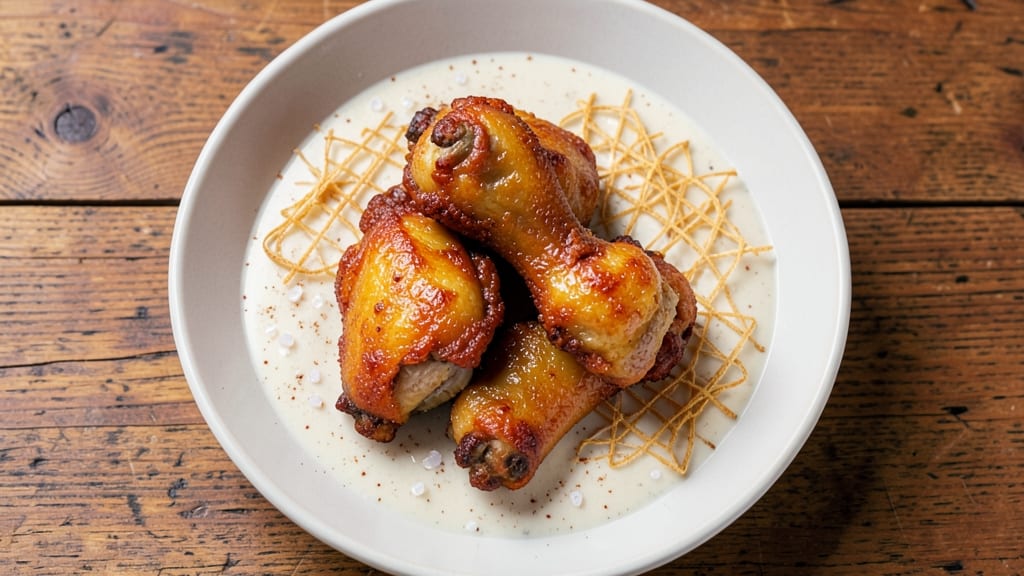
This Barberton fried chicken recipe delivers the legendary combination of crispy, golden skin and juicy, tender meat that makes it a Southern classic. The secret lies in a buttermilk brine that tenderizes the chicken overnight while adding that signature tangy flavor.
I’ve perfected this technique over years of testing, ensuring every bite is restaurant-quality without the fuss.
The process starts with a simple but effective brine—buttermilk, salt, and a touch of vinegar—that transforms even tougher cuts into melt-in-your-mouth perfection. After brining, the chicken is coated in a flour and spice mix, then fried to a deep golden brown for that iconic crunch.
The key? Double-frying for extra crispiness, a technique that separates home cooks from the pros.
What you’ll end up with is crispy, shatteringly thin skin that gives way to juicy, flavorful meat inside—every bite is a balance of textures and tastes. Serve it with classic Southern sides like creamy mashed potatoes, buttery cornbread, or tangy collard greens for the full experience.
This isn’t just fried chicken; it’s a restaurant-worthy meal you can make at home.
Ready to master this technique? The buttermilk brine does most of the work while you sleep, so all you have to do is fry and serve. Let’s get started—your taste buds will thank you.
Ingredients for barberton fried chicken
Six ingredients transform ordinary chicken into legendary Barberton-style crispy, juicy perfection.
| Ingredient | Amount | Notes |
|---|---|---|
| Buttermilk 🥛 | 3 cups | Full-fat for best flavor |
| Large Chicken Thighs 🍗 | 3 lb | Bone-in, skin-on, 2-3 inches thick |
| Diamond Crystal Kosher Salt 🧂 | 1 tbsp | Plus 1 tsp for brining |
| White Vinegar 🍶 | 1 tbsp | For tangy depth |
| All-Purpose Flour 🌾 | 2 cups | For dredging |
| Cornstarch 🌾 | ½ cup | For extra crispiness |
| Smoked Paprika 🌶️ | 1 tbsp | For subtle smokiness |
| Ground Black Pepper 🌶️ | 1 tsp | Freshly cracked |
| Garlic Powder 🧄 | 1 tsp | For depth |
| Vegetable Oil 🫒 | 4 cups | High smoke point preferred |
| Unsalted Butter 🧈 | 2 tbsp | For post-fry basting |
| Fresh Rosemary 🌿 | ¼ cup | Chopped, optional garnish |
The buttermilk is non-negotiable here—full-fat Land O'Lakes or Organic Valley work best for that rich tang. Chicken thighs are key; bone-in, skin-on from Costco or local butchers (avoid pre-cut pieces with exposed meat). The thighs should be 2-3 inches thick for even cooking. If you can't find full-fat buttermilk, whole milk plus 1 tbsp vinegar works in a pinch, but it won't be quite as tender. For the salt, Diamond Crystal dissolves better than Morton's—trust me on this. The vinegar adds just enough bite to complement the buttermilk's richness without overpowering.
No smoked paprika? Regular paprika plus 1/4 tsp liquid smoke gets you close, but the real stuff has that authentic smokiness. The cornstarch is where the magic happens—Bob's Red Mill is my go-to brand. For the oil, vegetable or peanut oil with a high smoke point (350°F+) is ideal; canola works too. If you're feeling fancy, lard mixed with oil (1:3 ratio) gives that classic Southern crunch. The butter at the end is for basting—unsalted so you control the seasoning. And if you're out of rosemary, thyme or parsley work just as well for garnish.
This recipe is all about patience—brine the chicken overnight for maximum tenderness. Store the raw brined chicken in a sealed container in the fridge. The fried chicken stays crispy for 2-3 hours at room temperature, so serve immediately or reheat in a 200°F oven for 10 minutes. For make-ahead prep, fry the chicken, then freeze on a wire rack before storing in bags. Reheat from frozen at 375°F for 20-25 minutes—it'll lose some crisp but still taste amazing. The buttermilk brine keeps for 3 days in the fridge; just add fresh chicken as needed.
Why You'll Love This Recipe
- No-Fuss Soak: Between us, the buttermilk marinade takes zero effort. Toss those thighs in a bowl with buttermilk, vinegar, and salt—no measuring cups, no straining. I’ve done it in a Tupperware while watching TV, and the chicken still comes out tender as can be.
- Crispy Magic: That flour crust isn’t just golden—it’s shatteringly crisp with a buttery crunch that disappears the second you bite in. The secret’s in the Diamond Crystal salt (trust me, it’s not just for pretzels), which keeps the crust light instead of soggy.
- Leftover Gold: This isn’t one of those fried chicken recipes that turns to rubber the next day. The thighs stay juicy, and I’ve reheated them in the oven until crispy again—no one ever suspects they’re not fresh. Honestly, my freezer’s always stocked with these.
- Budget Crowd-Pleaser: Chicken thighs are the unsung hero of fried chicken—cheaper than breasts, harder to dry out, and way more forgiving. A single batch feeds four, and the buttermilk marinade costs pennies. It’s my go-to for game days, potlucks, or when I’m too tired to order takeout.
Step-by-step instructions for Barberton fried chicken
Here's how to achieve that legendary crispy skin and juicy center—every time.
Prepare the Buttermilk Brine for Maximum Flavor
In a large bowl, whisk together the 3 cups buttermilk, 1 tablespoon white vinegar, and 1 tablespoon Diamond Crystal kosher salt until fully dissolved. The acidity in the vinegar helps tenderize the chicken while the buttermilk creates that signature moist texture. Place the 3 pounds large chicken thighs in a resealable plastic bag and pour the brine mixture over them, ensuring each piece is fully coated.
Seal the bag and refrigerate for at least 4 hours or up to overnight. This long brining time is crucial—it guarantees tender meat and that perfect crispy skin. I like to turn the bag occasionally to ensure even coating. The chicken will absorb the buttermilk and become slightly firm to the touch, which is exactly what you want.
Create the Crispy Battering Station
In a large bowl, combine the 2 cups all-purpose flour, ½ cup cornstarch, 1 tablespoon smoked paprika, 1 teaspoon garlic powder, and 1 teaspoon ground black pepper. The cornstarch is the secret to that extra-crispy texture—it creates a lighter, more delicate crust compared to flour alone. Use your hands to break up any lumps and mix until the dry ingredients are evenly distributed.
In a separate small bowl, melt the 2 tablespoons unsalted butter until just liquid. This will be used to baste the fried chicken after cooking for added richness. Keep it warm but not hot—you want it to melt smoothly over the chicken without cooking too quickly.
Double-Dredge for Extra Crispiness
Remove the chicken from the brine, allowing any excess liquid to drip off. Working in batches to avoid overcrowding, shake off excess moisture and dredge each piece in the flour mixture, pressing gently to adhere. Transfer to a wire rack set over a plate and let sit for 5 minutes—this resting period helps the coating adhere better and prevents clumping when frying.
After the initial dredge, return the chicken to the flour mixture and give it another thorough coating. This double-dredging technique creates that iconic double-layered crust that's both crispy on the outside and juicy within. The resting time between dredges is non-negotiable—it makes all the difference in the final texture.
Fry to Golden Perfection
Heat 4 cups vegetable oil in a deep fryer or heavy pot to 350°F. Use a deep-fry thermometer to monitor the temperature—this is critical for even cooking. Once the oil reaches temperature, carefully add the chicken in a single layer. Fry for 12-15 minutes, turning occasionally, until the skin is deep golden brown and reaches an internal temperature of 165°F.
Don't rush this step—the chicken needs time to develop that crispy exterior while maintaining juicy centers. The oil should be hot enough to sizzle when you add the chicken, but not so hot that it smokes excessively. If you notice the temperature dropping significantly, adjust your heat source and let it recover before continuing.
Baste and Garnish for Restaurant-Quality Results
Remove the fried chicken from the oil and transfer to a paper towel-lined plate to drain excess oil. Immediately baste with the melted butter, letting it drip over each piece. This step adds incredible richness and helps set the crust. While still warm, sprinkle with the ¼ cup chopped fresh rosemary for a fragrant finish that complements the smoky flavors.
Let the chicken rest for 5 minutes before serving—this allows the juices to redistribute, ensuring each bite is moist and flavorful. Serve immediately with your favorite dipping sauce or sides. The contrast of crispy skin and juicy meat is what makes this recipe legendary in Barberton.
Pro Tips For Making Barberton Fried Chicken
- MARINATE LONGER THAN YOU THINK: Barberton’s version relies on that buttermilk-vinegar bath doing real work—at least 12 hours, preferably overnight. I used to rush it to 4 hours and still got decent results, but the skin stays tighter and the flavor deeper when you let the acid fully tenderize the meat. (Yes, even if you’re impatient like me.)
- SALT THE BUTTERMILK: Skip the salted butter in the marinade—add 1 tsp Diamond Crystal kosher salt directly to the buttermilk. The salt dissolves completely and seasons the chicken from the inside out. I learned this the hard way after tasting bland bites from unsalted marinades.
- PAT DRY AFTER MARINATING: Drain the thighs, shake them in the colander for 2 solid minutes, then blot with paper towels. Wet flour sticks like glue, and you’ll end up with a soggy crust instead of that crispy, shatterable shield. (Your future self will thank you.)
- FRY IN BATCHES OF 3: Crowd the pan, and the oil temp drops like a rock—3 pieces max per batch, spaced like a triangle. Use a slotted spoon to nudge them around without splashing oil everywhere. I burned my first batch because I stuffed in 5 thighs; now I religiously follow this rule.
Perfect pairings for this barberton fried chicken
Southern Staple Sides
No Barberton fried chicken meal is complete without creamy mashed potatoes—whip up a batch with 4 large Yukon Gold potatoes, ½ cup heavy cream, and 4 tablespoons unsalted butter.
For extra richness, fold in ½ cup grated sharp cheddar and a pinch of cayenne pepper. The cool, velvety texture contrasts perfectly with the crispy chicken. 🥔
Buttery cornbread is another must-have. Use 1 box Jiffy cornbread mix (or homemade with 1 cup cornmeal, 1 cup flour, and 1 cup milk) baked in a cast-iron skillet until golden. Serve warm with a drizzle of honey butter for a sweet-savory balance. For a tangy twist, add ½ cup shredded cheddar to the batter.
Tangy Greens
Collard greens cooked low and slow with smoked bacon, garlic, and a splash of apple cider vinegar add a perfect acidic contrast. Simmer 1 large bunch collards with 4 slices bacon, 2 minced garlic cloves, and 1 cup chicken broth for 1 hour until tender. Finish with a sprinkle of red pepper flakes for heat. 🌿
Classic Dipping Sauces
Honey mustard is a Southern favorite—mix ¼ cup Dijon mustard, ¼ cup honey, and 1 tablespoon apple cider vinegar. For a smoky kick, add ½ teaspoon smoked paprika. Ranch dressing (store-bought or homemade with mayo, buttermilk, dried dill, and garlic powder) is another crowd-pleaser. Keep sauces on the table for dipping or drizzling over the chicken. 🍯
Unexpected Additions
For a modern twist, serve with crispy Brussels sprouts roasted with bacon and balsamic glaze. Toss 1 lb halved Brussels sprouts with 4 slices cooked bacon, 2 tablespoons balsamic vinegar, and 1 tablespoon olive oil at 425°F for 20 minutes.
The caramelized edges add a sweet contrast to the fried chicken’s richness. 🥦
Beverage Pairings
A sweet tea with lemon slices is the ultimate Southern companion—brew 4 tea bags in 4 cups hot water, sweeten with ½ cup sugar, and chill.
For a non-alcoholic option, try sparkling lemonade with 1 cup fresh lemon juice, ½ cup simple syrup, and 2 cups sparkling water. If you’re serving alcohol, a light lager like Bud Light or a dry Riesling cuts through the richness beautifully. 🍹
Nutrition facts
Frequently asked questions
Why is buttermilk essential for Barberton-style fried chicken?
The buttermilk brine is the secret to that signature tender texture and crispy skin. The acidity breaks down muscle fibers, while the fat keeps the meat moist. Without it, you'll get dry chicken with a tougher crust. The overnight soak ensures maximum tenderness—don't skip this step!
Can I use chicken breasts instead of thighs?
Not recommended! Chicken thighs have more fat and connective tissue, which gives that perfect juicy center. Breasts will dry out quickly during frying. If you must use breasts, brine them only 2-3 hours max and fry at 325°F for 8-10 minutes. They'll still be delicious but won't have the same texture.
How do I keep the fried chicken crispy when reheating?
Reheat in a 400°F oven for 10-12 minutes on a wire rack (not a plate) to allow air circulation. For extra crispiness, broil for 1-2 minutes at the end. Avoid microwaving—it makes the skin soggy. The key is high heat and quick cooking to restore that golden crunch.
What's the deal with double-frying?
Double-frying means frying the chicken at 325°F for 8 minutes first, then increasing heat to 375°F for 4-5 minutes until golden. This creates an ultra-crispy exterior while keeping the inside juicy. It's worth the extra effort for that restaurant-quality texture!
Can I make this recipe ahead of time?
Fry the chicken up to 2 days ahead and store in an airtight container at room temperature. Reheat in the oven as directed. For longer storage, freeze fried pieces on a wire rack before transferring to bags. Thaw overnight in the fridge and reheat from frozen at 375°F for 25-30 minutes.