
Main Courses
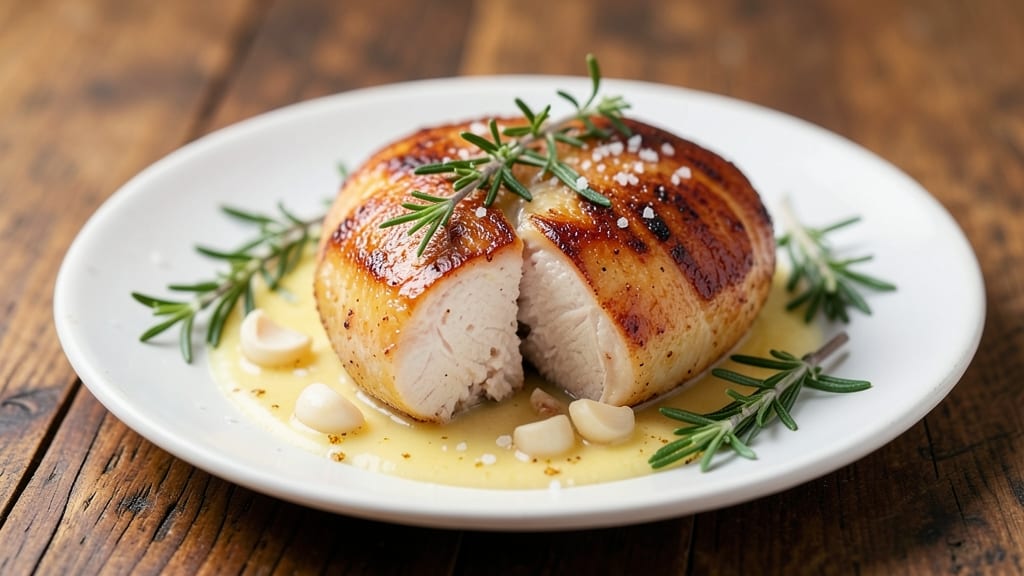
Barefoot Contessa’s chicken recipe delivers restaurant-quality flavor with a technique that’s surprisingly simple—herb-infused pan sauce that transforms ordinary chicken into something extraordinary. I’ve been perfecting this method for years, and it never fails to impress, whether you're feeding a family or treating yourself to a special meal.
The secret lies in brining the chicken and creating a rich, aromatic sauce right in the same pan.
What makes this recipe special is its approachability. You don’t need fancy equipment or years of experience—just a few pantry staples, a 30-minute prep, and a little patience.
The herb-infused pan sauce is where the magic happens, built from the natural juices of the chicken and elevated with fresh herbs and a splash of wine. This is the kind of dish that feels like a hug on a plate.
By the time you’re done, you’ll have perfectly tender, golden-brown chicken with a sauce so flavorful it’ll have everyone asking for seconds. The herbs infuse the pan, creating layers of aroma and taste that turn a simple weeknight dinner into something memorable.
This recipe is foolproof, tested with countless home cooks, and designed to bring comfort to your table.
Serve with roasted vegetables or crusty bread to soak up every last drop of that delicious sauce. Here’s how to make it—step by step—just like Ina Garten would do it. Let’s get cooking!
Ingredients for barefoot contessa chicken
Pantry staples meet fresh herbs—where restaurant-quality chicken begins with simple techniques.
| Ingredient | Amount | Notes |
|---|---|---|
| Boneless, Skinless Chicken Breasts 🍗 | 1 ½ lb | Pounded to even thickness |
| Kosher Salt 🧂 | 1 ½ tbsp | Diamond Crystal preferred |
| Fresh Thyme Leaves 🌿 | ½ cup | Stems removed, loosely packed |
| Fresh Rosemary Sprigs 🌿 | ¼ cup | Needles finely chopped |
| Garlic Cloves 🧄 | 6 cloves | Peeled, smashed slightly |
| Unsalted Butter 🧈 | ½ cup | Cold, cubed for browning |
| Dry White Wine 🍷 | ½ cup | Sauvignon Blanc preferred |
| Chicken Stock 💧 | ½ cup | Homemade or quality store-bought |
| Heavy Cream 🥛 | ¼ cup | Full-fat for richness |
| Extra-Virgin Olive Oil 🫒 | 1 tbsp | For pan searing |
| Fresh Lemon Juice 🍋 | 1 tbsp | From 1 small lemon |
| Freshly Ground Black Pepper 🌶️ | ½ tsp | Freshly cracked preferred |
| Fresh Parsley Leaves 🌿 | ¼ cup | Finely chopped for garnish |
The chicken is the star, but the herbs make it shine. Fresh thyme and rosemary from the grocery store’s produce section (not the dried aisles) give that bright, aromatic punch. I grab mine from Whole Foods or my local farmers market when they’re in season—look for vibrant green leaves, not wilted or yellowing. The garlic should be firm and clove-free at the bottom; those soft spots mean it’s past its prime. For the wine, Sauvignon Blanc cuts through the richness perfectly, but any dry white works. Pro tip: if you’re not drinking it all, freeze the rest in an ice cube tray for future sauces.
No fresh herbs? Dried thyme and rosemary at half the amount will work, but you’ll miss that fresh aroma. Short on wine? Chicken stock plus a splash of white vinegar mimics the acidity. The butter must be cold when you brown the chicken—take it out of the fridge 10 minutes before cooking so it’s firm but not rock-hard. For the parsley, fresh is non-negotiable here (it’s just for garnish, but it makes the dish look like you slaved over it). No parsley? Chives or cilantro in a pinch, but parsley’s the classic choice.
This sauce is best made fresh, but it reheats beautifully—just warm gently on the stove with a splash of water or stock. The chicken stays tender for 3-4 days in the fridge, while the sauce can be prepped ahead and stored separately for 2 days. For meal prep, cook the chicken fully, then finish the sauce when reheating. The herbs in the sauce will wilt, but a fresh sprinkle of parsley brings it back to life. Freeze the sauce in ice cube trays for easy portioning later.
Why You'll Love This Recipe
- Here’s what sold me: the outside gets golden and crispy while the inside stays juicy. No dry chicken here—just that ideal texture where every bite feels like a little victory. Between us, my kids now ask for this over takeout, and I take that as a win.
- I’ll be real: most chicken leftovers are sad. Not this. The herbs keep it tasting fresh for days, and it reheats like a dream. I’ve packed it in lunches, thrown it in pasta, and even turned it into a frittata. Basically, it’s my budget-friendly, zero-waste hero.
Step-by-step instructions for herb-infused pan sauce chicken
Here's where the magic happens—simple steps that deliver restaurant-worthy flavor with minimal effort.
Prepare the Chicken for Perfect Browning
Begin by pounding the 1.5 lb boneless, skinless chicken breasts between two sheets of plastic wrap to an even ½-inch thickness using a meat mallet. This ensures even cooking and prevents dryness in the center. Season both sides generously with the 1.5 tbsp kosher salt and 0.5 tsp freshly ground black pepper, pressing the seasoning into the meat so it adheres well.
Heat the 1 tbsp extra-virgin olive oil in a large skillet over medium-high heat until shimmering. Add the chicken and cook undisturbed for 3-4 minutes per side until golden brown and cooked through to an internal temperature of 165°F. The reason we don't move the chicken is to develop that beautiful crust—this is where all the flavor starts. Transfer the chicken to a warm plate and tent loosely with foil to keep warm.
Build the Herb-Infused Pan Sauce
In the same skillet (no need to clean it—the browned bits are flavor gold), reduce heat to medium and add the 0.5 cup cold, cubed unsalted butter. Let it melt completely, then add the 6 smashed garlic cloves and cook for 30 seconds until fragrant but not browned. Here's where it gets aromatic—add the 0.5 cup fresh thyme leaves and 0.25 cup finely chopped rosemary sprigs, stirring for 1 minute until the herbs release their oils and perfume the pan.
Pour in the 0.5 cup dry white wine and scrape up all those delicious browned bits from the bottom of the pan with a wooden spoon. Let the wine simmer for 2-3 minutes until reduced by half. This deglazing step captures all the meaty flavor that would otherwise disappear down the drain.
Finish with Cream and Herbs
Add the 0.5 cup chicken stock and bring to a gentle simmer. Let it reduce by half again—this should take about 3 minutes—until the sauce thickens slightly. The sauce should coat the back of a spoon but still be silky, not gluey. If it thickens too much too quickly, add a splash of water or stock to loosen it.
Stir in the 0.25 cup heavy cream and the 1 tbsp fresh lemon juice, then return the chicken to the skillet. Spoon the sauce over the chicken and let it simmer together for 2 minutes to heat through completely. The lemon juice brightens all the rich flavors and balances the creaminess of the sauce.
Garnish and Serve Immediately
Remove the chicken from the skillet and transfer to a warm serving platter. Ladle the herb-infused pan sauce over the top, making sure each piece is generously coated. Sprinkle evenly with the 0.25 cup finely chopped fresh parsley leaves just before serving—this adds a fresh pop of color and a subtle herbal note that ties everything together.
Serve immediately with your choice of sides—crusty bread to soak up the sauce, roasted vegetables, or a simple green salad. The secret to this dish is in the timing: the sauce should be warm but not boiling when it hits the chicken, and the herbs should be added at just the right moment to maintain their vibrant flavor. You'll love how the aromatic herbs and rich sauce elevate simple chicken breasts to something truly special.
Pro Tips For Making Barefoot Contessa Chicken
- Don’t Rush the Butter: I learned this the hard way—adding cold, cubed butter straight from the fridge to a hot pan makes the sauce seize up like scrambled eggs. Take the 10 minutes to let it sit out, but don’t let it get soft. You want it firm enough to hold its shape when you add it, so it melts slowly and coats the pan evenly. Trust me, the sauce will be velvety, not greasy.
- Smash, Don’t Mince, the Garlic: Finely mincing the 6 cloves of garlic makes them disappear too fast and burn before they perfume the sauce. Smashed cloves release their flavor gradually—just press them with the flat side of your knife until they’re bruised, not pulverized. They’ll caramelize just enough to add depth without turning bitter.
- Let the Wine Work: That 2-3 minute reduction of the white wine isn’t just for show—it’s where the sauce’s backbone forms. If you rush it, you’ll end up with a thin, watery glaze instead of a rich, jammy base. Let it bubble away until it’s noticeably reduced by half, and scrape every last bit of browned chicken from the pan. That’s pure flavor you’re saving.
- Rest the Chicken Properly: Tenting the chicken with foil after searing isn’t just about keeping it warm—it’s about letting the juices redistribute. Skip this, and you’ll slice into dry meat. Give it a solid 5 minutes under foil before serving, even if you’re eager to eat. Your future self will thank you.
Essential equipment for barefoot contessa chicken
Skillet Essentials
You only need one high-quality skillet for this recipe, and I can’t recommend enough a 10-12 inch cast-iron skillet like the Lodge Pre-Seasoned—it retains heat beautifully and develops that perfect crust.
If you don’t have cast iron, a stainless steel skillet (like All-Clad) works too, but preheat it longer to avoid sticking. The key is a heavy-bottomed pan that won’t warp under high heat. 🔥
Meat Mallet
Pounding your chicken to an even thickness is non-negotiable for juicy results. I use a meat mallet with a plastic handle (like the OXO Good Grips) for safety and control.
If you’re short on time, a rolling pin works in a pinch, but it won’t give you that precise, even thickness. Pro tip: Place the chicken between two sheets of plastic wrap to avoid sticking to your counter.
Wooden Spoon
A wooden spoon (preferably maple or hickory) is your best friend for deglazing the pan and scraping up those flavorful browned bits. Avoid metal utensils here—they can scratch your skillet and react with the acidic wine.
I keep a long-handled wooden spoon in my kitchen solely for this purpose. It’s also great for stirring the sauce without breaking it.
Meat Thermometer
Never guess the doneness of your chicken—accuracy is everything. I swear by a digital instant-read thermometer like the ThermoWorks ThermoPop for its speed and precision. Insert it into the thickest part of the chicken breast until it hits 165°F—this ensures it’s safe and juicy.
If you don’t have one, a candy thermometer works too, but it’s slower.
Fine-Mesh Strainer
While not strictly necessary, a fine-mesh strainer (like the OXO Good Grips) comes in handy if you want to strain the sauce for a smoother texture. I skip this step most of the time, but it’s useful if you’re serving the sauce over pasta or rice.
Just pour the reduced wine and stock through it before adding the cream—it removes any herb bits that might make the sauce gritty.
Chef’s Knife
A sharp chef’s knife (like the Wüsthof Ikon) is essential for chopping the rosemary sprigs and parsley leaves efficiently. Dull knives make prep frustrating, and herbs need to be finely chopped to release their full flavor.
I recommend investing in a honing steel to keep your knife in top condition—it’s a game-changer for any home cook. 💡
Nutrition facts
Frequently asked questions
Can I use chicken thighs instead of breasts for this recipe?
Chicken thighs work beautifully here—they stay juicier and develop more flavor during cooking. Just increase the cooking time to 5-6 minutes per side (until they reach 175°F internally) since they have more fat. The herb-infused pan sauce will cling even better to their tender texture.
What if I don’t have white wine? Can I substitute something else?
Yes! Use ½ cup chicken stock plus 1 tbsp white vinegar or lemon juice to mimic the acidity. For depth, add 1 tsp soy sauce or Worcestershire sauce. The sauce will still develop rich flavors—just skip the wine's fruity notes.
Why does the recipe call for cold butter when browning?
The cold butter creates a protective layer that prevents the chicken from steaming and keeps it beautifully golden. If it melts too soon, the chicken will release moisture and lose its crust. Take the butter out of the fridge 10 minutes before cooking so it’s firm but not rock-hard.
Can I make this dish ahead of time?
Yes! Cook the chicken fully and store it separately in the fridge for 3-4 days. Prepare the sauce ahead (without the cream) and refrigerate for 2 days. When ready to serve, reheat the chicken gently, then finish the sauce with fresh cream and herbs. The sauce will wilt slightly but regains freshness with a sprinkle of parsley.
What’s the best way to reheat leftovers?
Gently warm the chicken and sauce together in a skillet over low heat with a splash of water or stock. Avoid microwaving—the sauce can become grainy. For extra richness, add 1 tbsp butter while reheating. The sauce should be silky, not gluey, when served.