
Main Courses
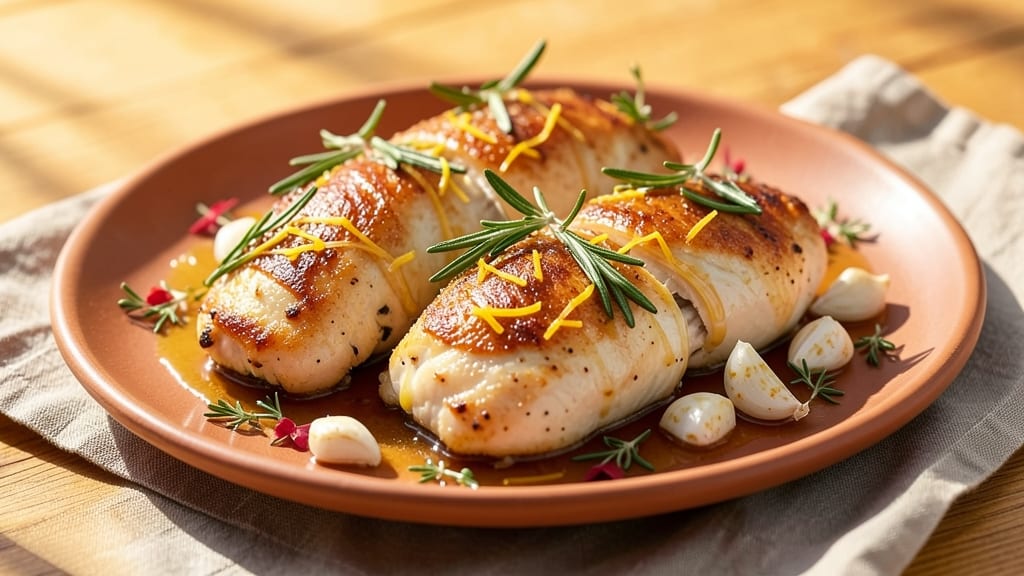
This Barefoot Contessa Tuscan lemon chicken recipe delivers restaurant-quality flavor with minimal effort, transforming simple ingredients into a dish that tastes like it simmered all day. 💛 I first tried it during a particularly busy week when I needed a weeknight dinner that felt special—no shortcuts, just smart techniques that build deep flavor without complicated steps.
The secret lies in the herb-infused pan sauce that develops while the chicken roasts, creating a rich, lemony coating that clings perfectly to each piece. We'll use fresh rosemary and thyme for that signature Tuscan aroma, balanced by bright lemon and a touch of garlic that makes every bite unforgettable.
The best part? Most of the work happens while you're doing other things.
By the time you serve this dish, you'll have golden-brown chicken with crispy edges and tender centers, all bathed in that velvety lemon-herb sauce. It's elegant enough for company but simple enough for a Tuesday night—just like my grandmother used to make, though she never wrote it down.
The sauce alone makes this dish worth the effort.
Pair it with garlic bread and roasted vegetables for a complete meal that feels like a restaurant experience without the fuss. The recipe includes both oven and stovetop methods, so you can choose what works best for your kitchen.
Let's get started—this chicken is about to become your new go-to recipe.
Ingredients for barefoot contessa tuscan lemon chicken
These Tuscan-inspired ingredients transform simple chicken into restaurant-worthy magic with minimal effort.
| Ingredient | Amount | Notes |
|---|---|---|
| Boneless, Skinless Chicken Thighs 🍗 | 1 ½ lb | Trimmed of excess fat for crispy edges |
| Fresh Rosemary 🌿 | ¼ cup | Finely chopped, stems removed |
| Fresh Thyme 🌿 | 1 tbsp | Leaves only, stems discarded |
| Garlic Cloves 🧄 | 6 cloves | Minced for sauce, peeled |
| Lemon Zest 🍋 | 1 tbsp | From 1 large organic lemon |
| Fresh Lemon Juice 🍋 | ¼ cup | From 2 large lemons |
| Extra-Virgin Olive Oil 🫒 | ⅓ cup | For roasting and sauce |
| Unsalted Butter 🧈 | 2 tbsp | Cold, cubed for sauce |
| Diamond Crystal Kosher Salt 🧂 | 1 ½ tsp | For seasoning and sauce |
| Ground Black Pepper 🌶️ | ½ tsp | Freshly cracked for texture |
| All-Purpose Flour 🌾 | 1 tbsp | For thickening sauce |
| Chicken Broth 💧 | ¼ cup | Low-sodium for balance |
| Fresh Parsley 🌿 | ⅛ cup | Chopped, for garnish |
The chicken thighs are key—bone-in, skin-on for crispy edges, but boneless here for ease. Trader Joe's or Whole Foods carry pre-trimmed thighs, saving time. Fresh rosemary and thyme make all the difference—Costco's bulk section has affordable sprigs. Look for vibrant green leaves, not wilted stems. The garlic should smell pungent, not musty. And that lemon? Organic Meyer lemons from the grocery store's produce section add sweetness to the bright acidity. If you can't find Meyer, regular lemons work—just add a pinch more zest.
No fresh rosemary? Dried works at one-third the amount, but it lacks that piney depth. Short on thyme? Oregano or marjoram can substitute, though the flavor shifts slightly. No chicken thighs? Breasts work too, but they'll stay drier—brine them first. The butter is non-negotiable for sauce richness, but vegan butter works if needed. For the flour, all-purpose is fine, but cake flour gives a smoother sauce. The parsley is purely decorative—skip it if you're in a rush, but it adds that final pop of color.
The chicken keeps 3-4 days in the fridge, but the sauce is best used fresh. Store sauce separately in an airtight container—it reheats beautifully. For meal prep, roast the chicken ahead and reheat gently with a splash of broth. The lemon zest loses potency after 2 days, so zest it fresh when ready to serve. If you make extra sauce, freeze it in ice cube trays for quick portions later. The herbs? Wrap them in damp paper towels and store in a bag—they'll last 5-7 days this way.
Why You'll Love This Recipe
- Here’s what sold me: this works everywhere. Toss it together on a Tuesday when you’re exhausted, or dress it up with crusty bread for guests. The chicken stays juicy, the sauce clings perfectly, and no one will guess it took less than 40 minutes. (Yes, even on a Tuesday night.)
- One-Pan Magic: Honestly, I love recipes that don’t make me feel like I’m running a restaurant. This dish lives on a single sheet pan—no fancy dishes, no extra pots—just chicken thighs, herbs, and garlic roasting together. The lemon zest ties everything into one fragrant, golden mess that’s easier to make than it is to clean up.
- Herb-Packed Punch: Between us, the rosemary and thyme in this recipe are chef’s kiss. Those fresh sprigs infuse the chicken with that earthy, woodsy aroma while the lemon zest brightens it up like a burst of sunshine. It’s not just flavor—it’s ridiculously good flavor that makes you want to eat it straight off the pan.
- Weeknight to Dinner Party: Here’s what sold me: this works everywhere. Toss it together on a Tuesday when you’re exhausted, or dress it up with crusty bread for guests. The chicken stays juicy, the sauce clings perfectly, and no one will guess it took less than 40 minutes. (Yes, even on a Tuesday night.)
Step-by-step instructions for herb-infused pan sauce magic
Here's how to create restaurant-quality Tuscan lemon chicken with crispy edges and velvety herb sauce.
🔥 Step 1: Sear the Chicken Thighs to Golden Perfection
Heat a large oven-safe skillet over medium-high heat until very hot. Add the 1.5 lb boneless, skinless chicken thighs, trimmed of excess fat, and sear for 4-5 minutes per side until the skin is deep golden brown and crispy. I press down gently on the thighs during the first minute—this prevents them from curling and ensures even contact with the pan.
Don't overcrowd the pan or the chicken will steam instead of sear. You'll know it's ready to flip when it releases easily from the skillet. Transfer the chicken to a plate and tent loosely with foil to keep warm while you work on the sauce.
👨🍳 Step 2: Build the Herb-Infused Pan Sauce
In the same skillet (those browned bits are pure flavor), reduce heat to medium and add 0.33 cup extra-virgin olive oil. Toss in 0.25 cup finely chopped fresh rosemary and 1 tbsp fresh thyme leaves, cooking for 30 seconds until fragrant. Add the 6 minced garlic cloves and cook for another 30 seconds until golden—don't let them burn, or they'll turn bitter.
Pour in 0.25 cup fresh lemon juice and 1 tbsp lemon zest, scraping up all those delicious browned bits from the bottom of the pan. Let the mixture simmer for 2 minutes until slightly reduced and aromatic. The sauce should coat the back of a spoon but still be pourable.
🍳 Step 3: Thicken and Finish the Sauce
Return the chicken to the skillet, skin-side up. Sprinkle with 1.5 tsp kosher salt and 0.5 tsp freshly cracked black pepper, then add 2 tbsp cold cubed unsalted butter and 1 tbsp all-purpose flour. Toss everything together gently for 1 minute until the butter melts and the sauce begins to thicken.
Pour in 0.25 cup low-sodium chicken broth and let it simmer for 3-4 minutes until the sauce has thickened to a velvety consistency. You want it to coat the chicken beautifully without being gluey. If it's too thick, add a splash more broth 1 tablespoon at a time until perfect.
🥘 Step 4: Garnish and Serve Immediately
Transfer the chicken to a warm serving platter and spoon the sauce generously over the top. Garnish with 0.125 cup chopped fresh parsley for a pop of color and freshness. The chicken should be juicy inside with crispy, golden skin, and the sauce should be rich, herby, and perfectly balanced with bright lemon notes.
Serve immediately with crusty bread or over your favorite pasta to soak up every last bit of that incredible pan sauce. This dish tastes even better the next day when the flavors have time to meld, so leftovers make fantastic sandwiches!
Pro Tips For Making Barefoot Contessa Tuscan Lemon Chicken
- CRISP THE THYME LEAVES: I used to toss whole sprigs of thyme into the pan, thinking it’d infuse the oil better—but it just sat there like a decorative garnish. Instead, strip the leaves off the stems with your fingers (yes, even if you’re impatient like me) and smash them lightly with the flat of your knife. That releases their oils and guarantees they’ll actually flavor the chicken, not just float in the sauce like ignored guests.
- SALT THE CHICKEN BEFORE SEARING: If you wait until after browning to season, you’ll end up with uneven flavor and a dry finish. Pat the thighs dry first, then hit them with salt and pepper before hitting the pan. Let them sit for 10 minutes—this seasons the meat deeply and ensures that crispy crust you’re after. (I know, I know, but trust the process.)
- DON’T SKIP THE LEMON ZEST REST: Fresh lemon zest loses its bright punch the second it hits heat. Zest your lemon right before adding it to the sauce, then let it sit off the heat for 2-3 minutes while you finish the garlic. This lets the oils mingle without cooking off the citrus’s delicate aroma—otherwise, you’re left with a sad, muted aftertaste.
- LOW AND SLOW FOR THE SAUCE: After deglazing, resist the urge to crank the heat to boil the sauce. Simmer it gently—just a bare bubble—until it thickens. If you rush it, the rosemary and thyme will turn bitter, and the lemon flavor will retreat. Five minutes of patience here makes a real difference, especially if you’re using bone-in thighs later. (Your future self will thank you.)
Best sauces and condiments for this recipe
Herb-Infused Pan Sauce
The star of this dish is the herb-infused pan sauce, where the magic happens while the chicken cooks. After searing the thighs, I reduce the heat and add 0.33 cup extra-virgin olive oil to the same skillet—those browned bits (fond) are pure flavor gold.
Toss in 0.25 cup chopped fresh rosemary and 1 tbsp thyme leaves, cooking just until fragrant (30 seconds). The key is timing: let the herbs bloom without burning. 🌿
Next, add 6 minced garlic cloves and cook for another 30 seconds—just until golden. Too long, and they turn bitter. Pour in 0.25 cup fresh lemon juice and 1 tbsp lemon zest, scraping up every last bit of flavor from the pan.
Let it simmer for 2 minutes until reduced and aromatic. This step builds the bright, citrusy foundation that balances the rich herbs.
Butter-Flour Thickener
The butter-flour slurry is what transforms the sauce from thin to velvety. After returning the chicken to the skillet, sprinkle with 2 tbsp cold cubed butter and 1 tbsp all-purpose flour, tossing gently for 1 minute until the butter melts.
This creates a light roux that thickens the sauce without making it heavy. The cold butter also adds richness and prevents the sauce from breaking. 🧈
Pour in 0.25 cup low-sodium chicken broth and simmer for 3-4 minutes until the sauce coats the back of a spoon. If it thickens too quickly, add 1 tbsp broth at a time until you reach the perfect consistency—glossy, clingy, and just thick enough to coat the chicken.
The sauce should feel luxurious, not gluey.
Lemon-Garlic Brightness
The lemon and garlic are non-negotiable—they cut through the richness of the herbs and butter, keeping the sauce bright and balanced. I always use fresh lemon juice (never bottled) and Meyer lemons if available, as they add a subtle sweetness.
The zest adds aromatic depth without overpowering. For extra brightness, a pinch of red pepper flakes (about ¼ tsp) can be stirred in at the end—it adds a subtle heat that pairs beautifully with the lemon. 🍋
Sauce Variations
For a creamy version, stir in 2 tbsp crème fraîche or Greek yogurt at the end for tangy richness. If you prefer a lighter sauce, replace half the butter with olive oil and add 1 tbsp white wine when deglazing the pan.
For a spicier kick, add 1 tsp Calabrian chili paste with the lemon juice. Each variation keeps the Tuscan essence while adapting to your taste.
Pro tip: If the sauce seems too thin after cooking, simmer it uncovered for an extra 1-2 minutes to reduce it naturally. If it’s too thick, thin it with 1 tsp warm water or broth.
The goal is a sauce that clings to the chicken like a second skin—silky, flavorful, and impossible to resist.
Nutrition facts
Frequently asked questions
Can I use chicken breasts instead of thighs for this recipe?
Yes, but you'll need to adjust the cooking time and method. Chicken breasts cook faster and can dry out more easily. For best results, brine them for 30 minutes in 1 cup water + 1 tbsp salt before cooking, and reduce the searing time to 3-4 minutes per side. Keep the oven temperature at 375°F and cook for 8-10 minutes total to reach 165°F internally.
How do I make this recipe without fresh herbs?
Use dried herbs at one-third the amount (so 1 tsp dried rosemary for 1 tbsp fresh). Toast the dried herbs in the skillet for 10 seconds to release their aroma before adding garlic. For extra depth, add ½ tsp dried oregano along with the thyme. The flavor won't be identical, but it'll still taste delicious!
Can I make this dish ahead of time?
The chicken can be cooked up to 2 days ahead and stored in the fridge. Reheat gently in a skillet with a splash of broth or water until warmed through. The sauce is best made fresh, but you can prepare the sauce base (without the butter and flour) ahead and finish it when ready to serve. For make-ahead meals, roast the chicken and store it separately, then make the sauce fresh when you're ready to eat.
What's the secret to getting crispy chicken skin?
The key is patting the chicken dry with paper towels before cooking and using a very hot skillet. Sear the chicken over medium-high heat for 4-5 minutes per side without moving it until golden brown forms. If your chicken thighs have skin, leave it on—it adds incredible texture! For extra crispiness, broil for 1-2 minutes at the end of cooking.
What are the best sides to serve with this Tuscan lemon chicken?
Crusty garlic bread is a must—it soaks up all that delicious sauce! Other great pairings include roasted seasonal vegetables (like asparagus or zucchini), creamy polenta, or a simple arugula salad with lemon vinaigrette. For a heartier meal, serve over fettuccine or orzo to catch every bit of the herb-infused sauce.