
Sauces & Condiments
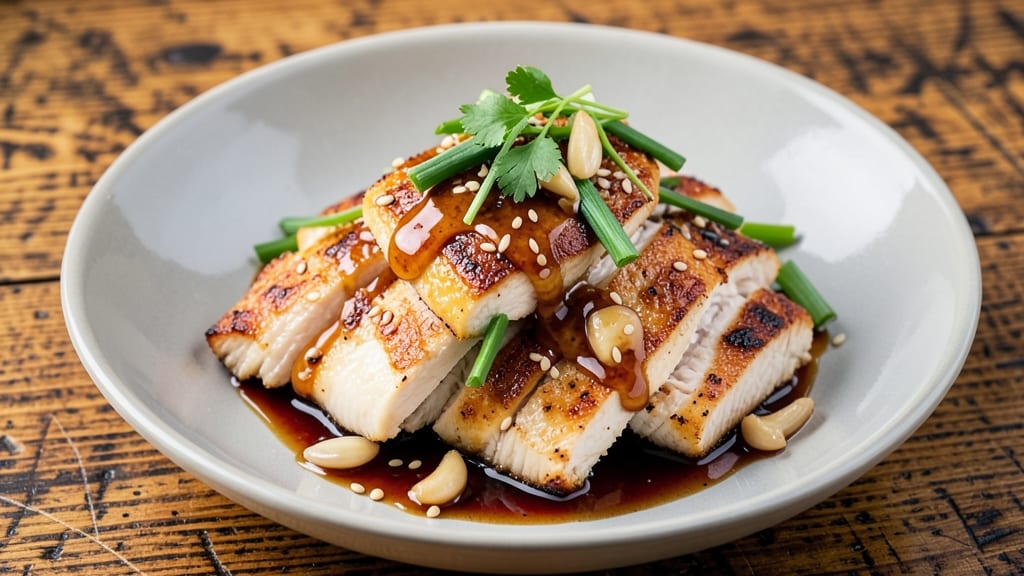
This basic chicken stir fry sauce recipe delivers the umami-packed balance that transforms simple stir-fries into restaurant-quality meals. The foundation is a simple blend of soy sauce, garlic, and ginger—classic ingredients that create depth of flavor without overwhelming the dish.
What makes this sauce special is its versatility; it works equally well with crispy chicken, tender vegetables, or even tofu, making it a pantry staple for quick weeknight dinners.
The secret lies in the 5-minute preparation, where high heat brings out the natural aromatics of garlic and ginger while allowing the soy sauce to develop its signature savory richness. A touch of honey or brown sugar balances the saltiness, adding just enough sweetness to complement the umami.
This sauce is designed to be foolproof, with no complicated techniques—just a few ingredients combined in the right proportions.
Once you taste the result, you’ll understand why this sauce is a game-changer for home cooks. The glossy, aromatic liquid coats every ingredient, infusing them with layers of flavor that elevate even the simplest stir-fry.
It’s the kind of sauce that turns a basic meal into something memorable, all while keeping prep time minimal and cleanup effortless.
Store any leftovers in an airtight container in the refrigerator for up to a week, or freeze for longer storage. The sauce’s simplicity doesn’t compromise its impact—it’s the kind of foundational recipe that belongs in every cook’s repertoire, ready to transform ordinary ingredients into extraordinary dishes.
Ingredients for basic chicken stir fry sauce
Nine essential ingredients blend into a restaurant-quality stir-fry sauce in minutes.
| Ingredient | Amount | Notes |
|---|---|---|
| Soy Sauce 🍶 | ½ cup | High-quality, light or all-purpose |
| Garlic Cloves 🧄 | 4 cloves | Freshly minced for maximum aroma |
| Fresh Ginger 🌿 | 1 tbsp | Finely grated, peel removed |
| Honey 🍯 | 1 tbsp | Pure, for natural sweetness |
| Sesame Oil 🫒 | 1 tbsp | Toasted, for nutty depth |
| Rice Vinegar 🍶 | 1 tbsp | White or seasoned |
| Cornstarch 🌾 | ½ tsp | For thickening consistency |
| Water 💧 | ¼ cup | Room temperature |
| Salt 🧂 | ½ tsp | Diamond Crystal preferred |
| Black Pepper 🌶️ | ¼ tsp | Freshly cracked |
The foundation of this sauce lies in the quality of your soy sauce—Kikkoman or La Choy are reliable choices, but premium brands like Japanese soy sauce elevate the umami profile. Fresh ginger and garlic are non-negotiable; organic produce from the grocery store’s refrigerated section delivers the brightest flavor. Toasted sesame oil adds depth, so look for it in the Asian foods aisle—Lee Kum Kee or La Choy are excellent options. The honey should be pure, with no added corn syrup, and the rice vinegar should be white or seasoned, not balsamic. These ingredients transform simple stir-fries into restaurant-worthy meals when combined correctly.
No fresh ginger? Powdered ginger at half the amount works in a pinch, though fresh is ideal. Substitute honey with brown sugar or maple syrup for a different sweetness profile. Sesame oil can be omitted if unavailable, but the sauce will lack its signature nutty richness. For a gluten-free version, use tamari instead of soy sauce. The cornstarch and water mixture is critical for achieving the glossy, coatable consistency that makes this sauce so versatile—don’t skip it, even if you’re impatient. If you’re short on time, pre-minced garlic and grated ginger from the freezer section save prep steps without sacrificing flavor.
This sauce keeps beautifully in an airtight container in the refrigerator for up to 1 week, though it’s best used within 3-4 days for peak freshness. For longer storage, freeze in ice cube trays—1 cube equals 1 tbsp, perfect for single-use portions. Reheat gently over low heat, stirring constantly to prevent separation. The sauce’s simplicity makes it ideal for batch cooking; double the recipe and store for quick weeknight meals. Its versatility extends beyond chicken—use it for tofu, shrimp, or even as a marinade for beef or pork.
Why You'll Love This Recipe
- Five-Ingredient Magic: I swear, this sauce is the kind of shortcut that makes you feel like a pro. Just minced garlic, a knob of ginger, a splash of soy—no measuring cups, no fancy techniques. Honestly, I’ve made it half-asleep on a Monday morning, and it still delivers.
- Umami Bomb: That honey cutting through the salty soy? Chef’s kiss. The garlic and ginger sizzle until they’re fragrant but not bitter, and the sesame oil finishes it with a nutty warmth. Between us, it’s the kind of flavor that makes you pause mid-bite like, “Wait, how is this so good?”
- Leftover Hero: This sauce doesn’t just work once—it’s my secret weapon for turning last night’s chicken into tomorrow’s lunch. Drizzle it over rice, toss it with noodles, or even slather it on a sandwich. I’ve even used it to glaze baked potatoes when I’m lazy. (Yes, even on a Tuesday night.)
- Pantry Staple Power: You’re already using these ingredients—soy sauce, garlic, ginger—so this isn’t an extra grocery run. The honey adds just enough sweetness to balance the savory, and sesame oil gives it that je ne sais quoi without costing a fortune. It’s the kind of recipe that makes you wonder why you ever bought store-bought sauces.
Step-by-step instructions for basic chicken stir fry sauce
This professional sauce builds layer upon layer of flavor in minutes.
Prepare the Aromatics
In a small saucepan, combine the 4 cloves garlic cloves and 1 tablespoon fresh ginger with the 0.25 cup water. Bring to a gentle simmer over medium heat and cook for 2-3 minutes until the garlic becomes translucent and fragrant. You'll notice the aroma intensify as the garlic softens—this is your signal to proceed.
Use a fine-mesh strainer to remove the cooked aromatics, pressing gently to extract every last drop of flavor. Discard the solids—what remains is a concentrated aromatic base that forms the foundation of your sauce. This step ensures you capture all the nuanced flavors without bitterness that can develop from overcooking garlic.
Build the Sauce Base
Return the strained liquid to the saucepan and add the 0.5 cup soy sauce, 1 tablespoon honey, and 1 tablespoon rice vinegar. Stir to combine and bring the mixture to a gentle boil over medium-high heat. Reduce heat to medium and let it simmer for 3-4 minutes until slightly reduced by about 25%. The sauce should thicken slightly and develop a glossy sheen.
This reduction process concentrates the flavors and balances the sweetness with the acidity from the vinegar. Taste as you go—you're aiming for a harmonious blend where the umami from the soy sauce shines through without overpowering the other components. If it tastes too sharp, add a touch more honey; if it needs more depth, add a splash of water and reduce again.
Thicken and Finish
In a small bowl, whisk together the 0.5 teaspoon cornstarch with 1 tablespoon cold water until completely dissolved. This creates a smooth slurry that will thicken your sauce without clumping. Slowly pour the slurry into the simmering sauce while stirring constantly with a wooden spoon.
Continue simmering for 1-2 minutes until the sauce reaches your desired consistency—it should coat the back of a spoon but still flow smoothly. Stir in the 1 tablespoon sesame oil and season with 0.5 teaspoon salt and 0.25 teaspoon black pepper. The sesame oil adds a nutty depth that ties all the flavors together, while the salt and pepper balance the sweet and savory notes.
Rest and Adjust
Remove the sauce from heat and let it rest for 5 minutes. This resting period allows the flavors to meld and the sauce to thicken further as it cools slightly. Taste again and make any final adjustments—perhaps a touch more salt for brightness or a drizzle of honey for sweetness.
The sauce should now have a perfect balance of umami, sweetness, and acidity with a glossy finish. If you find it too thick after resting, whisk in 1 teaspoon water at a time until it reaches the ideal consistency for tossing with your stir-fry. This sauce is versatile enough to complement a variety of proteins and vegetables, making it a staple in your culinary repertoire.
Pro Tips For Making Basic Chicken Stir Fry Sauce
- MINCE THAT GINGER: Fresh ginger is stubborn—peel it, then slice it thinly (almost paper-thin) before mincing. I learned this the hard way after choking on chunks that refused to break down, no matter how long I cooked them. A microplane works, but a sharp knife and a little elbow grease get the job done.
- COOK GARLIC LOW AND SLOW: Garlic burns faster than you think, especially when you’re distracted. Once it turns golden, immediately remove the pan from heat and let it cool for 10 seconds—this stops it from turning bitter. (Yes, even if you’re impatient like me.)
- SALT THE SOY SAUCE: Plain soy sauce tastes flat in stir-fry sauce. Add a pinch of salt (about ¼ teaspoon per 2 tablespoons) before mixing it with honey and sesame oil. My grandmother swore by this, and she was right: it balances the sweetness and deepens the umami.
- STOP WHEN IT’S SHINY: Sesame oil is delicate—add it last, just before serving, and stir gently. If you cook it too long, it’ll turn bitter and overpower the dish. A few drops are enough to coat the sauce; more won’t make it taste better, just stronger.
Wine and beer pairings for this recipe
Crisp White Wine
For this umami-rich sauce, I reach for a dry Riesling or Sauvignon Blanc—both wines cut through the sauce’s depth with their bright acidity and citrus notes.
A German Riesling like Dr. Loosen Blue Slate adds a mineral edge that mirrors the sauce’s savory-sweet balance, while a New Zealand Sauvignon Blanc like Oyster Bay brings tropical fruitiness that complements the honey’s sweetness. Serve slightly chilled to enhance the wine’s crispness. 🍷
Light Beer Pairings
A Japanese lager like Asahi Super Dry or Sapporo is my go-to beer pairing—its clean, crisp profile cleanses the palate between bites without overpowering the sauce’s complex flavors.
For a hoppier option, try a German Helles like Weihenstephaner Original—its subtle malt sweetness and herbal notes harmonize beautifully with the sesame and ginger. Avoid heavy IPAs or stouts, which can clash with the sauce’s delicate balance.
Red Wine Exception
If you prefer red, a light-bodied Pinot Noir from Oregon or Burgundy works surprisingly well—its red fruit notes and silky tannins won’t compete with the sauce’s umami. Look for a La Crema Sonoma Coast or Louis Jadot Bourgogne for a smooth, versatile match.
Decant for 15-20 minutes to soften any remaining acidity, ensuring the wine’s elegance shines alongside the dish.
Non-Alcoholic Options
For a refreshing non-alcoholic match, I recommend sparkling yuzu soda—its citrusy effervescence mirrors the sauce’s brightness. Alternatively, a ginger beer like Feather’s adds a spicy kick that echoes the ginger in the sauce.
For a simpler choice, iced green tea with a squeeze of lemon provides a clean, herbal contrast that balances the dish’s richness.
Sauce as a Marinade
Use this sauce as a marinade for grilled chicken or shrimp—the wine or beer pairings will then complement the dish twice over! For example, marinate boneless chicken thighs in the sauce for 30-60 minutes before grilling, then serve with your chosen wine or beer.
The flavors meld beautifully, creating a cohesive dining experience from start to finish. ✨
Nutrition facts
Frequently asked questions
Can I make this sauce without cornstarch?
Yes, but the texture will be thinner. For a thicker sauce without cornstarch, try whisking in 1 teaspoon xanthan gum or 1 tablespoon arrowroot powder with the water. Alternatively, reduce the sauce longer on medium heat to achieve a similar consistency. The sauce will still taste delicious but may not cling as well to ingredients.
How can I adjust this sauce for spicy stir-fries?
Add ½ teaspoon chili flakes or 1 teaspoon sriracha to the finished sauce for heat. For deeper spice, include 1 teaspoon gochujang (Korean chili paste) when building the sauce base. Always taste first—you can adjust the spice level after the sauce cools.
What's the best way to store leftover sauce?
Transfer to an airtight container and refrigerate for up to 1 week. For longer storage, freeze in ice cube trays—1 cube equals 1 tablespoon. Thaw overnight in the fridge and reheat gently over low heat, stirring constantly to prevent separation. The sauce thickens slightly when cold, so add water as needed when reheating.
Can I use this sauce for other proteins besides chicken?
This sauce works beautifully with shrimp, tofu, beef, or pork. For seafood, reduce the soy sauce slightly (¼ cup instead of ½ cup) to avoid overpowering delicate flavors. For beef or pork, add ½ teaspoon smoked paprika to deepen the richness. The sauce's versatility makes it perfect for any stir-fry protein.
Why did my sauce turn cloudy or separate?
Cloudiness often occurs from overcooking or adding cold ingredients too quickly. To fix it, whisk in 1 teaspoon water and reheat gently until smooth. Separation happens when cornstarch isn't dissolved properly—next time, whisk the slurry vigorously until completely smooth before adding to the sauce. Always reheat gently to maintain consistency.