
Appetizers
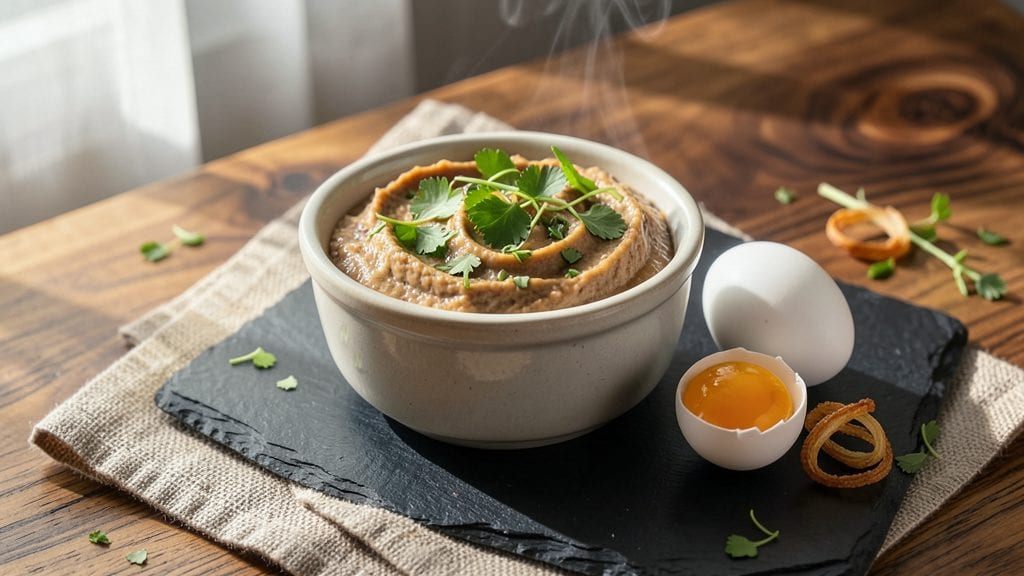
Creating a chicken liver pate without alcohol that rivals traditional versions is simpler than you think—and it delivers that same luxurious, velvety texture. I learned this technique from my grandmother’s handwritten recipe cards, where she’d note ingredients by feel rather than measurement.
The secret lies in blending the livers with just the right amount of fat and herbs to create a spread that’s rich yet balanced.
What makes this recipe stand out is how quickly it comes together—just 30 minutes—without sacrificing depth of flavor. The key is using high-quality chicken livers, which you’ll simmer gently with aromatics until tender, then blend until silky smooth.
No alcohol means no waiting for it to evaporate, so the process stays efficient while still delivering that signature luxurious mouthfeel.
By the time you’re done, you’ll have a spread that’s perfect for serving with crusty bread, crackers, or even as a sandwich filling. The texture is velvety, the flavor is robust but not overpowering, and the aroma alone will have everyone at the table asking for seconds.
This is the kind of dish that transforms a simple gathering into something special—without the fuss.
Whether you’re hosting a dinner party or just craving something elegant for a weeknight, this pate delivers restaurant-quality results in your own kitchen. Let’s get started with the ingredients you’ll need to create it.
Ingredients for chicken liver pate recipe without alcohol
Rich, velvety texture comes from just a few quality ingredients—no alcohol needed.
| Ingredient | Amount | Notes |
|---|---|---|
| Chicken Livers 🍗 | 1 lb | Fresh, trimmed of connective tissue |
| Unsalted Butter 🧈 | ½ cup | Cold, cut into cubes |
| Shallots 🧅 | 3 whole | Peeled, finely minced |
| Garlic Cloves 🧄 | 4 cloves | Peeled, minced |
| Fresh Parsley 🌿 | ¼ cup | Stems removed, chopped |
| Fresh Tarragon 🌿 | 2 tbsp | Chopped, stems removed |
| Heavy Cream 🥛 | ½ cup | Full-fat for richness |
| Diamond Crystal Kosher Salt 🧂 | ½ tsp | Adjust to taste |
| Freshly Ground Black Pepper 🌶️ | ¼ tsp | Freshly cracked |
| Extra-Virgin Olive Oil 🫒 | 1 tbsp | For finishing |
| Crusty Baguette 🍞 | 1 whole | For serving, sliced |
| Lemon Zest 🍋 | 1 tsp | From organic lemon |
The chicken livers are the star—freshness is key. Look for bright red, not grayish, at your butcher or grocery store's meat counter. Trader Joe's or Whole Foods usually carry the best quality. Trim off any connective tissue or silver skin—it's bitter and unpleasant. I like to soak them in cold water for 15 minutes first to remove any blood, then pat them bone-dry. For extra flavor, ask your butcher to save the livers from a chicken they've butchered recently—those tend to be more flavorful than the pre-packaged kind.
No shallots? Substitute 4 tablespoons finely minced red onion—it's sweeter but works in a pinch. Fresh tarragon is ideal, but if you can't find it, dried tarragon at half the amount will do. The heavy cream should be full-fat—none of that light stuff—it's what gives that luxurious texture. For the butter, European-style unsalted like Plugrá or President melts beautifully. Lemon zest brightens everything up—organic lemons have more flavor, but conventional works too. If you're feeling fancy, add a pinch of fresh nutmeg for depth.
This pate keeps beautifully—3 days in the fridge sealed in an airtight container with a thin layer of plastic wrap pressed directly on the surface to prevent a skin from forming. For longer storage, freeze it for up to 3 months. I like to portion it into small ramekins before freezing so I can pop out just what I need. When reheating, warm it gently in a water bath or microwave at 50% power until just melted—overheating makes it grainy. Serve at room temperature for the best texture.
Why You'll Love This Recipe
- One-Pan Magic: I love that this pate turns one skillet into your whole meal—no extra dishes, no cleanup chaos. The browned butter and seared livers stay in that pan the whole time, infusing everything with that deep, nutty flavor while I just stir and blend.
- Bright & Rich Balance: The lemon zest and fresh tarragon cut through the richness of the liver like a cool breeze after a long walk. It’s not just savory; it’s complex—that creamy heavy cream smooths out the texture, while the shallots and garlic give it a punch you’ll crave.
- Budget’s Best Kept Secret: Chicken livers are cheaper than chicken breasts, but they deliver more flavor. A pound goes a long way, and with the heavy cream and butter, it feels like a luxury dish without the luxury price tag. Plus, it’s the kind of thing that makes people ask, “What’d you make?”—and then they’ll beg for the recipe.
Step-by-step instructions for chicken liver pate without alcohol
Here's how to transform simple ingredients into a velvety, restaurant-worthy pate that shines without alcohol.
Prepare and Sear the Chicken Livers
Trim any connective tissue from the 1 lb chicken livers and pat them completely dry with paper towels. This step is crucial—moisture will cause your pate to steam instead of sear. Cut each liver into ½-inch chunks for even cooking.
In a large skillet, melt the ½ cup unsalted butter over medium heat until it foams but doesn't brown. Add the liver chunks in batches, being careful not to overcrowd the pan. Sear for 2-3 minutes per side until they develop a deep golden crust and are cooked through to an internal temperature of 160°F. Remove them immediately and set aside on a plate—they'll continue cooking from residual heat.
Sauté Aromatics and Build the Base
In the same skillet (don't wipe it clean—those browned bits are flavor gold), add the 3 minced shallots and cook over medium heat for 3-4 minutes until translucent. Add the 4 minced garlic cloves and cook for another 30 seconds until fragrant—don't let them brown or they'll turn bitter.
Stir in the ¼ cup chopped fresh parsley and 2 tbsp chopped fresh tarragon, cooking for 1 minute to meld the flavors. Remove from heat and let the mixture cool slightly. Here's where it gets interesting: add the lemon zest and stir—this brightens the rich liver flavor and balances the dish beautifully.
Create the Silky Texture with Cream
Return the skillet to low heat and pour in the ½ cup heavy cream, stirring constantly to combine with the liver and aromatics. Let the mixture simmer gently for 3-4 minutes until slightly thickened. This is where your pate transforms from a simple mixture into something luxurious.
Using an immersion blender, carefully blend the mixture until completely smooth. If you don't have one, transfer to a food processor in batches and blend until silky. The texture should be velvety with no visible chunks—this is your quality checkpoint. Taste and adjust seasoning with the ½ tsp diamond crystal kosher salt and ¼ tsp freshly ground black pepper.
Finish and Chill for Perfect Texture
Return the blended mixture to the skillet and stir in the 1 tbsp extra-virgin olive oil. This final touch adds richness and helps create that signature shine. Transfer the pate to a heatproof bowl and let it cool to room temperature, then refrigerate for at least 2 hours or up to 24 hours. This chilling step is essential—it allows the flavors to fully meld and the texture to set properly.
When ready to serve, spoon the pate into a serving dish and drizzle with a touch more olive oil. The surface should be glossy and temptingly smooth. Serve with slices of the crusty baguette for dipping—each bite should deliver that perfect balance of rich, creamy liver with bright herbal notes.
Pro Tips For Making Chicken Liver Pate Recipe Without Alcohol
- Sear in Batches: I used to dump all the liver chunks in at once, and half the pan just steamed instead of searing. The butter won’t recover—it’ll turn greasy and your pate will taste flat. Work in batches, even if it takes a little longer. That golden crust is what carries the flavor.
- Mince Shallots Like Confetti: Finely minced shallots cook faster and sweeten up without burning. If yours look like tiny dice, they’ll turn bitter before they soften. Use a sharp knife and go for it—smaller means better, and you’ll taste the difference in every spoonful.
- Don’t Rush the Cream: The heavy cream needs those 3-4 minutes of gentle simmering to thicken properly. Skimp on the time, and your pate will be thin and watery. Low heat is your friend here—let it work its magic instead of rushing it.
- Chill or Regret: I learned this the hard way—serving it straight from the skillet means a greasy, unstable mess. The 2-hour chill isn’t optional; it’s what turns your pate from "meh" to "wow." Trust the process, even if you’re eager to eat it.
Troubleshooting great chicken liver pate recipe without alcohol
Grainy Texture?
If your pate ends up grainy after blending, it’s likely from overcooking the livers or not enough fat. I’ve found that searing the ½-inch chunks for just 2-3 minutes per side keeps them tender. If you overcook them, they’ll turn rubbery.
Also, make sure to use ½ cup unsalted butter—it’s the fat that gives that silky texture. If you’re using a food processor, blend in batches for 20-second pulses until smooth. 💡
Too Salty?
Taste as you go! I always add the ½ tsp kosher salt gradually while blending. If it’s too salty, you can dilute it slightly by mixing in 1-2 tbsp cold water or a splash of heavy cream.
Trust your palate—this is where home cooking shines. Honestly, I’ve ruined batches by over-salting, but now I taste before finalizing!
Lumpy Mixture?
If your pate still has lumps after blending, it might be from not enough cream or improper blending. The ½ cup heavy cream is essential for that velvety texture.
If you’re using an immersion blender, hold it at the bottom of the skillet and pulse for 30 seconds to break down any remaining chunks. If needed, add another 1 tbsp cream to help smooth it out.
Flavor Too Strong?
If the liver flavor overpowers, you’ve likely skipped the lemon zest or didn’t balance it with enough herbs. The 1 tsp lemon zest and ¼ cup fresh parsley are your flavor anchors.
If it’s still too bold, add a pinch of fresh nutmeg or a tiny bit of extra-virgin olive oil to mellow it. I’ve learned the hard way—always taste before chilling!
Skin Forming?
That unsightly skin happens when the pate isn’t covered properly. After transferring to an airtight container, press plastic wrap directly on the surface to prevent a film from forming. If you notice it starting, gently spoon off the skin and discard it.
For extra insurance, I like to layer the wrap tightly over the pate before sealing the container. ❄️
Nutrition facts
Frequently asked questions
Why does my pate need to chill before serving?
Chilling for at least 2 hours lets the flavors meld and the texture firm up beautifully. This step transforms a good pate into an exceptional one—it’s where the magic happens. The cold temperature also helps the fat solidify slightly, creating that luxurious mouthfeel.
Can I make this pate ahead of time?
This recipe actually benefits from being made ahead. Store it in an airtight container in the fridge for up to 3 days, or freeze for 3 months. The flavors deepen with time, making it even more delicious when served later. Just make sure to press plastic wrap directly on the surface to prevent a skin from forming.
What if I don’t have tarragon?
No problem! Substitute with 1 tbsp dried tarragon or even 1 tsp dried thyme—it’ll still taste wonderful. The key is keeping the herbs fresh when possible, as they add the bright herbal notes that balance the rich liver. Parsley alone will still work in a pinch.
How do I prevent my pate from getting grainy?
Graininess usually comes from overcooking the livers or not enough fat. Sear the ½-inch chunks for just 2-3 minutes per side and use the full ½ cup unsalted butter. If blending, pulse in 20-second bursts until completely smooth. Adding a splash more heavy cream can also help achieve that velvety texture.
Can I use duck livers instead of chicken livers?
Yes, but adjust the cooking time! Duck livers are denser, so they’ll need 1-2 minutes less per side to avoid overcooking. They’ll also add a richer flavor, so you might want to reduce the ½ tsp salt slightly. The texture will be slightly more decadent, which is perfect for special occasions.