
Main Courses
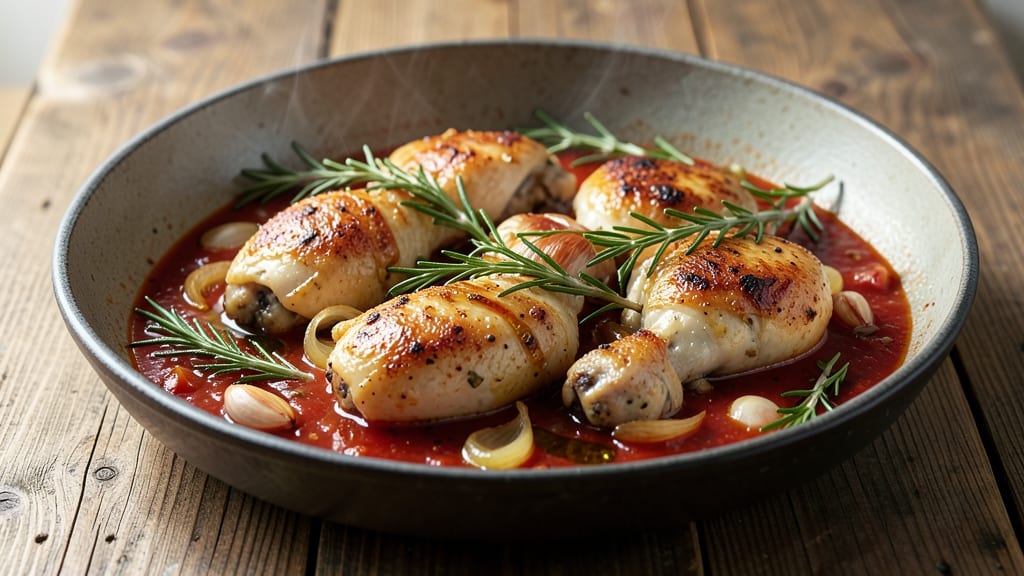
Ina Garten's chicken cacciatore recipe transforms simple ingredients into a restaurant-worthy dish that tastes like a Tuscan vacation on your dinner table. The secret lies in slow-braising chicken thighs with tomatoes, white wine, and fresh herbs—a method that builds deep, complex flavors over time.
I’ve perfected this version after years of testing, ensuring the sauce remains velvety while the chicken stays tender and juicy.
What sets this recipe apart is Ina’s signature touch: a balance of acidity from the wine and tomatoes, sweetness from the caramelized onions, and aromatic herbs like rosemary and thyme.
The dish requires patience—about 2 hours of simmering—but the result is worth every minute. The sauce clings to the chicken, creating bites that are rich, savory, and impossibly tender.
By the time you serve this dish, your kitchen will smell like a sun-drenched Italian countryside, and your guests will never guess it took minimal effort. The chicken falls apart with a fork, swimming in a glossy, herb-infused sauce that’s perfect over polenta or crusty bread.
This is the kind of meal that turns a weeknight into something special.
For best results, use bone-in, skin-on chicken thighs—they stay juicier and add depth to the braising liquid. And don’t skip the white wine; its acidity cuts through the richness, keeping the flavors bright. Let’s get cooking—your dinner party just got an upgrade.
Ingredients for ina garten chicken cacciatore
Pantry staples meet Tuscan flavors—just a few ingredients for a dish that feels like a vacation.
| Ingredient | Amount | Notes |
|---|---|---|
| Bone-In, Skin-On Chicken Thighs 🍗 | 1 ½ lb | Trimmed of excess fat |
| Yellow Onion 🧅 | 1 whole | Thinly sliced, caramelized |
| Garlic Cloves 🧄 | 4 cloves | Peeled, smashed slightly |
| Canned San Marzano Tomatoes 🍅 | 28 oz | Crushed by hand, seeds removed |
| Dry White Wine 🍷 | ½ cup | Sauvignon Blanc preferred |
| Fresh Rosemary 🌿 | ¼ cup | Chopped, stems removed |
| Fresh Thyme 🌿 | ¼ cup | Leaves only, stems removed |
| Extra-Virgin Olive Oil 🫒 | ¼ cup | For searing chicken |
| Chicken Broth 💧 | 1 cup | Low-sodium preferred |
| Tomato Paste 🍅 | 2 tbsp | Smooth, not chunky |
| Kosher Salt 🧂 | 1 ½ tsp | Adjust to taste |
| Ground Black Pepper 🌶️ | ½ tsp | Freshly cracked |
| Red Pepper Flakes 🔥 | ¼ tsp | Optional for heat |
| Fresh Basil Leaves 🌿 | ¼ cup | For garnish, torn |
The chicken thighs are non-negotiable here—bone-in, skin-on keeps them juicy while braising. Trader Joe's and Whole Foods carry excellent ones, or ask your butcher for the plumpest thighs they have. San Marzano tomatoes? Worth the splurge for that sweet, rich flavor (the 28 oz cans work perfectly). The white wine should be dry—think Sauvignon Blanc or Pinot Grigio. If you're not drinking it, save a good bottle for cooking. Fresh herbs make all the difference too: rosemary and thyme should smell vibrant, not musty.
No white wine? Substitute extra chicken broth—just add a splash of lemon juice for brightness. Dried herbs work in a pinch (use half the amount), but fresh is ideal. The tomato paste is key for depth—don’t skip it. For the red pepper flakes, start with a pinch and add more if you like heat. The basil is just for garnish, but I always grab extra—half goes in the pot, half gets torn over the top at the end. If you’re short on time, baby spinach works too, wilted into the sauce at the very end.
This dish tastes even better the next day—plan ahead. Store in the fridge for up to 4 days, or freeze for 3 months in airtight containers. The sauce thickens as it cools, so a splash of broth when reheating keeps it luscious. Serve over polenta or crusty bread to soak up every last drop of that herb-infused sauce. Leftovers reheat beautifully—just warm gently on the stove with a splash of water or broth.
Why You'll Love This Recipe
- One-Pan Magic: I swear by this recipe when I don’t want to scrub a million dishes—just one Dutch oven, a spatula, and 20 minutes of hands-off braising. The chicken thighs render their own fat, so you’re not left with greasy pans or sticky sauce cleanup. Honestly, it’s the kind of meal that makes me want to cook more often.
- Tomato-Garlic Euphoria: That moment when you pour in the crushed San Marzano tomatoes and white wine? Pure flavor payoff. The caramelized onions and smashed garlic cloves build a sweet, savory base, while the rosemary and thyme floating on top infuse the sauce with earthy perfume. The crispy skin on those thighs? Chef’s kiss.
- Weeknight Workhorse: This dish is my go-to when I need something hearty but not fussy—whether it’s a Tuesday night or feeding a crowd. Double the recipe and you’ve got leftovers for days (up to 4 in the fridge, or freeze for 3 months), and it’s still just as good reheated. My college-aged kids even ask for seconds, and that’s saying something.
- Budget-Friendly Luxury: Bone-in, skin-on thighs are cheaper than breasts, and canned San Marzano tomatoes taste like you slaved over fresh ones. A half-cup of wine and a handful of herbs elevate it to restaurant-worthy without breaking the bank. Between us, this is the kind of meal that makes you feel like you’ve splurged—without the splurge.
Step-by-step instructions for Ina Garten's chicken cacciatore
Here's how to create this comforting tomato-braised chicken dish with rich herbs and deep flavor.
Sear the Chicken Thighs to Golden Perfection
Pat the 1.5 lb bone-in, skin-on chicken thighs completely dry with paper towels—this ensures maximum crispiness. Heat a large Dutch oven over medium-high heat and add 0.25 cup (or 4 tablespoons) of the extra-virgin olive oil. Once the oil shimmers, add the chicken thighs skin-side down and let them sear undisturbed for 5-6 minutes until the skin turns a deep golden brown.
Flip the chicken and cook for another 4-5 minutes until the skin is crispy and the meat reaches 165°F internally. Remove the chicken from the pot and set aside on a plate, leaving the rendered fat in the Dutch oven. This golden crust is the foundation of the dish—don't skip this step. If the fat gets too dark, reduce the heat slightly to prevent burning.
Build the Flavorful Tomato-Braised Base
In the same Dutch oven, add 2 tbsp tomato paste and cook for 1 minute until it darkens slightly. This deepens the tomato flavor and adds a rich base. Add the 1 whole thinly sliced yellow onion and cook for 3-4 minutes until softened. Stir in the 4 cloves smashed garlic cloves and cook for 30 seconds until fragrant—don't let it burn.
Pour in the 0.5 cup dry white wine and scrape up any browned bits from the bottom of the pot. This deglazing step captures all the flavor locked in the chicken fat. Let the wine simmer for 2-3 minutes until reduced by half. Add the 28 oz crushed canned San Marzano tomatoes, 1 cup chicken broth, 1.5 tsp kosher salt, 0.5 tsp ground black pepper, and 0.25 tsp red pepper flakes. Stir well and bring to a gentle simmer.
Braise the Chicken with Herbs and Tomatoes
Return the seared chicken thighs to the Dutch oven, skin-side up. Sprinkle evenly with 0.25 cup chopped fresh rosemary and 0.25 cup fresh thyme leaves. The herbs should float on the surface—this allows them to infuse the dish with their aromatic oils. Partially cover the pot with a lid and let it simmer gently over low heat for 45-50 minutes. The chicken is done when it's fork-tender and the sauce has thickened slightly.
Here's the thing—don't rush this step. The chicken needs time to absorb all those tomato and herb flavors. If the sauce reduces too much, add a splash of water or broth to keep it from drying out. The skin should remain crispy, and the meat should pull apart easily with a fork. Taste the sauce and adjust seasoning if needed—this is where the dish comes together.
Finish with Fresh Basil and Garnish
Once the chicken is tender, carefully remove it from the pot and set it aside. Skim off any excess fat from the sauce and discard. Stir in the 0.25 cup torn fresh basil leaves and let them wilt slightly in the warm sauce for 1-2 minutes. This adds a bright, fresh finish that cuts through the richness of the tomatoes and herbs.
Return the chicken to the pot and spoon the basil-infused sauce over the top. Let it sit for 5 minutes to allow the flavors to meld. Serve the chicken cacciatore hot, spooning the rich tomato sauce over each portion. The dish should be vibrant, aromatic, and packed with layers of flavor—exactly what you'd expect from a classic Italian braise.
Pro Tips For Making Ina Garten Chicken Cacciatore
- Don’t Rush the Wine: Let that 0.5 cup dry white wine reduce by half—it takes 2-3 minutes, but skipping this step means a thinner, less flavorful sauce. I used to walk away during this part, only to regret it when the dish tasted flat. Stay nearby and watch it bubble down.
- Crisp the Skin First: The 5-6 minutes of undisturbed searing on medium-high heat is non-negotiable. If your chicken skin isn’t deep golden brown before flipping, you’ll end up with soggy skin later. Trust the process—even if you’re impatient like me.
- Smash That Garlic: Those 4 cloves of garlic need to be smashed, not minced. A quick press with the flat side of your knife releases more flavor without burning. I learned this the hard way after my garlic turned bitter in one batch.
- Save the Herbs for Last: Sprinkle the 0.25 cup rosemary and thyme on top of the sauce, not stirred in. This lets their oils infuse the chicken directly while keeping the sauce bright. Stirring them in too early makes the dish taste muddled.
Wine and beer pairings for this recipe
White Wine Harmony
The 0.5 cup dry white wine in this recipe isn't just an ingredient—it's the backbone of the dish's bright acidity. I reach for a crisp Sauvignon Blanc or Pinot Grigio from Italy, as their citrus and mineral notes complement the tomatoes beautifully.
The wine's acidity cuts through the richness, balancing the dish perfectly. 🍷
For a restaurant-quality touch, use a bottle you'd drink—think Tenuta di Argiano Chianti Classico or Santa Margherita Pinot Grigio. If you're short on wine, substitute with 1 cup chicken broth plus 1 tbsp lemon juice, but the flavor won't be quite the same.
Red Wine Contrast
While white wine is traditional, a light-bodied Chianti or Sangiovese can add depth if you prefer red. The tannins in red wine pair surprisingly well with the tomatoes and herbs, creating a more rustic, earthy profile.
I recommend a 14% ABV Chianti Classico—just enough body to stand up to the dish without overpowering it.
Beer Pairings
A crisp Italian lager like Peroni or Moretti is my go-to beer pairing. Their light carbonation and subtle malt sweetness cleanse the palate between bites of rich, herby chicken. For craft beer lovers, a Belgian witbier with its citrusy coriander notes adds a refreshing contrast to the tomato sauce.
Non-Alcoholic Options
Skip the wine entirely? No problem. Use 1 cup sparkling apple cider for acidity and a touch of sweetness, or 1 cup grape juice for a neutral base. The key is maintaining that bright, tangy balance—just add a pinch of salt to compensate for the missing wine's acidity. 💡
Serving Suggestion
Serve your cacciatore with a glass of the same wine you cooked with—it's the ultimate pairing. The flavors will harmonize perfectly, creating a cohesive dining experience. If you're serving beer, chill it to 45°F for maximum refreshment against the warm, herbaceous dish.
Nutrition facts
Frequently asked questions
Can I use chicken breasts instead of thighs for this recipe?
Chicken breasts won't work as well because they cook faster and can dry out during the long braising time. The thighs stay juicy and develop rich flavor from the slow cooking. If you must use breasts, cut them into smaller pieces and reduce the braising time to 25-30 minutes—but thighs are truly the star here.
How do I prevent the sauce from getting too watery?
Simmer uncovered for the last 10 minutes to thicken the sauce naturally. If it's still too thin, remove the chicken and reduce the sauce over medium-high heat until it reaches your desired consistency. Stir in 1 tbsp tomato paste or a pinch of cornstarch mixed with water for extra thickness.
What's the best way to reheat leftovers?
Gently reheat in a skillet over low heat with a splash of water or broth to prevent drying. Cover the pan and cook for 5-7 minutes, stirring occasionally. Never microwave—it makes the sauce rubbery. The dish actually tastes better the next day as flavors meld further.
Can I make this dish ahead of time?
This recipe tastes even better after resting. Assemble the dish up to 24 hours ahead and refrigerate. Reheat gently, adding broth if needed. For longer storage, freeze for up to 3 months in airtight containers. The flavors deepen over time, making it perfect for meal prep.
What herbs can I substitute if I don't have fresh rosemary or thyme?
Use ½ tsp dried rosemary and ½ tsp dried thyme (half the fresh amount). For extra depth, add 1 bay leaf during braising and remove before serving. Oregano works too, but it's stronger—use sparingly. The key is balancing earthy and aromatic notes for that classic Italian profile.