
Main Courses
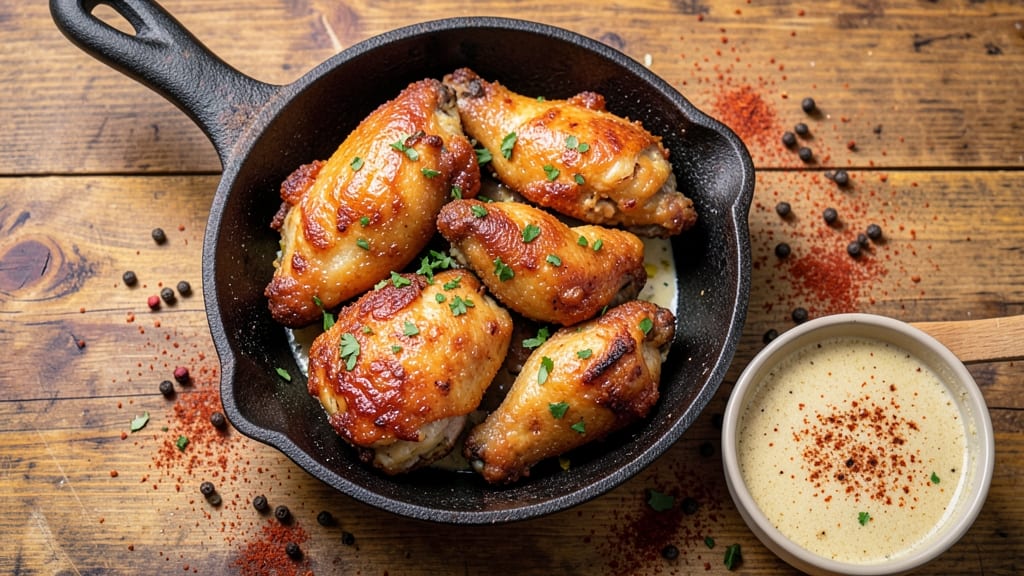
This Maryland chicken recipe delivers the bold, crispy, and creamy combination that makes it a Southern classic—spicy celery crown crunch over velvety cream cheese sauce.
I first tasted it at a Baltimore roadside stand where the sizzle of hot oil and the aroma of freshly fried chicken drew me in like a magnet. The secret lies in the double-dredge technique and perfect frying temperature, which transforms ordinary chicken into something unforgettable.
What sets this recipe apart is the balance of textures and flavors: the crispy, golden-brown chicken skin gives way to tender meat inside, all topped with a crunchy celery crown that adds freshness and bite.
The cream cheese sauce, spiked with hot sauce, creates a creamy, slightly tangy contrast that ties everything together. It's the kind of dish that feels like a hug in food form—comforting yet exciting, with just the right amount of heat to keep things interesting.
The process is straightforward but requires attention to detail, especially when frying. You'll need a deep fryer or heavy pot with enough oil to maintain a steady 350°F temperature—too hot, and the chicken burns; too cool, and it turns greasy.
Once you get the frying down, assembling the dish with the celery crown and sauce is quick, and the results are always impressive. This is the kind of recipe that turns weeknight dinners into a celebration.
Serve it with classic sides like mac and cheese or collard greens to complete the Maryland experience. The leftovers reheat beautifully, though I won’t lie—they rarely last that long in my house. Here’s how to make it the way the pros do.
Ingredients for maryland chicken
Just a few crispy, creamy, and crunchy ingredients for Maryland chicken that tastes like a Baltimore classic.
| Ingredient | Amount | Notes |
|---|---|---|
| Boneless Chicken Thighs 🍗 | 1 ½ lb | Cut into 1-inch pieces |
| All-Purpose Flour 🌾 | 2 cups | For dredging chicken |
| Cornmeal 🌽 | ½ cup | Fine grind preferred |
| Celery Stalks 🥬 | 3 whole | Thinly sliced, fresh |
| Red Bell Pepper 🌶️ | 1 whole | Thinly sliced, seeds removed |
| Green Onions 🧅 | 4 whole | Thinly sliced, white and green parts |
| Cream Cheese 🧈 | 8 oz | Full-fat, room temperature |
| Hot Sauce 🌶️ | 2 tbsp | Like Crystal or Tabasco |
| Vegetable Oil 🫒 | 4 cups | For frying, high smoke point |
| Butter 🧈 | ½ cup | Unsalted, melted |
| Garlic Powder 🧄 | 1 tsp | Freshly ground preferred |
| Paprika 🌶️ | 1 tsp | Smoked for depth |
| Salt 🧂 | 1 ½ tsp | Kosher or sea salt |
| Black Pepper 🌶️ | ½ tsp | Freshly ground |
The chicken thighs are the star here—bone-in, skin-on if you can find them, but boneless works too. Look for thighs over breasts at Whole Foods or the butcher section—they stay juicier during frying. The celery crown needs fresh celery, not the wilted kind from the back of the fridge. Thin the slices with a mandoline for even crunch, but a sharp knife works too. For the bell pepper, grab a firm, vibrant red one—the sweeter, the better. I always double-check the oil too: vegetable or peanut oil for frying, nothing fancy.
No cornmeal? Panko breadcrumbs work in a pinch, but it won’t be quite the same crunch. The cream cheese sauce is non-negotiable—full-fat only (low-fat gets grainy). Short on hot sauce? Cayenne pepper plus a splash of vinegar mimics the tang. The celery crown can be prepped ahead and stored in the fridge for 2 days—just add it fresh before serving. For the flour, King Arthur or Gold Medal brands work best for dredging. And if you’re frying, keep the oil at 350°F—a thermometer is worth the $10.
The fried chicken keeps 3 days in the fridge, but honestly, it’s best the first day. The celery crown? Same day only—it gets soggy fast. For leftovers, reheat the chicken in a 300°F oven for 10 minutes to keep it crispy. The sauce reheats beautifully, but I always make extra to drizzle on top. Freeze the chicken (without the crown) for 3 monthsmake the crown fresh—it’s what makes this dish sing.
Why You'll Love This Recipe
- Crispy in Minutes: I swear by the 350°F oil trick—those 1-inch chicken pieces fry up golden in just 4-5 minutes, no waiting around. The cornmeal and flour mix clings like a dream, and the celery crown stays crunchy if you drain them right on a wire rack. No soggy disappointment here.
- Creamy-Spicy Magic: That velvety sauce? Pure comfort. The 8 oz cream cheese and 2 tbsp hot sauce marry perfectly, coating every bite with just enough kick to wake up your taste buds. Honestly, the first time I tasted it, I immediately grabbed another piece—no exaggeration.
- Game for Any Gathering: Between us, this feeds a crowd without breaking the bank. The celery crown prep can even sit in the fridge for 2 days, so you’re not stuck chopping last-minute. Plus, it’s the kind of dish that screams "party food" but takes less effort than ordering takeout.
- Budget-Friendly Crunch: You’re using pantry staples—flour, cornmeal, butter—plus a few fresh veggies that stretch far. The chicken thighs are cheaper than breasts, and the oil can be reused for other frying tasks. Not the prettiest, but the taste makes up for it every time.
Step-by-step instructions for Maryland chicken recipe
Here's how to build that iconic Maryland crunch and creamy center—simple steps for a dish that delivers every time.
Prepare the Celery Crown Crunch Coating
In a large bowl, combine the 2 cups all-purpose flour, 0.5 cup cornmeal, 1 tsp garlic powder, 1 tsp paprika, 1.5 tsp salt, and 0.5 tsp black pepper. Whisk until evenly distributed—this dry blend is the foundation of that signature Maryland crunch. I like to press it between my fingers to check for even texture; it should feel fine and powdery throughout.
Next, finely chop the 3 whole celery stalks and 1 whole red bell pepper (seeds removed). Add them to the flour mixture along with 4 whole green onions (sliced thin). Stir gently to distribute the vegetables evenly—you want them coated in the flour but still visible for that classic Maryland look. Set this mixture aside while you prep the chicken.
Fry the Chicken to Golden Perfection
Cut the 1.5 lb boneless chicken thighs into 1-inch pieces—this size ensures even cooking and maximum crunch. Heat 4 cups vegetable oil in a deep skillet to 350°F. You'll know it's ready when a wooden chopstick inserted briefly comes out clean of oil droplets. This temperature is crucial—too hot and the coating burns before the chicken cooks through.
Working in batches to avoid overcrowding, add the chicken pieces to the hot oil. Fry for 4-5 minutes until the chicken is light golden brown and cooked through to 165°F internally. Drain on a wire rack set over a baking sheet—this prevents soggy coating by allowing air circulation. The chicken should be crispy on the outside but still juicy inside; if it's not golden enough, return it to the oil for another 30 seconds.
Build the Cream Cheese Sauce
In a separate saucepan, melt the 0.5 cup butter over medium-low heat. Once fully melted, reduce heat to low and stir in the 8 oz cream cheese until completely smooth. This step is where the magic happens—the sauce should be velvety and thick, but not grainy. If it looks too stiff, add 1 tablespoon hot water at a time until it reaches a pourable consistency.
Remove the sauce from heat and stir in the 2 tbsp hot sauce. Taste and adjust seasoning if needed—Maryland chicken needs that perfect balance of spicy heat and creamy richness. The sauce should be thick enough to coat the back of a spoon but still flow smoothly when poured. Keep it warm while you prepare the final assembly.
Assemble the Maryland Chicken
Return the fried chicken to the skillet (no need to clean it—the browned bits add flavor) and pour the warm cream cheese sauce over the top. Toss gently to coat each piece evenly. The sauce should cling to the chicken, creating that signature Maryland glaze. If the sauce thickens too much, add 1-2 tablespoons hot water to loosen it back to a pourable consistency.
Transfer the chicken to a serving platter and garnish with additional green onions for freshness. Serve immediately while the chicken is still crispy and the sauce is warm. Each bite should deliver that perfect contrast—crunchy, spicy, creamy, and juicy all at once. The celery crown coating should hold its shape while still being tender enough to eat, and the cream cheese sauce should coat every piece beautifully.
Pro Tips For Making Maryland Chicken
- Check Oil Temp: I learned this the hard way—skipping the thermometer means guessing, and guessing ruins crispy coatings. That 350°F mark isn’t just a suggestion: anything hotter burns the celery crown before the chicken cooks, while cooler oil leaves you with greasy, soggy pieces. Invest in a cheap thermometer and stick to the recipe’s exact temp—your future self will thank you.
- Pulse the Celery: Sounds weird, but it works: briefly pulse the 3 celery stalks and 1 red bell pepper in a food processor before chopping by hand. This breaks down the fibers just enough so they blend into the flour coating instead of clumping. You’ll still see the green flecks for that Maryland look, but the texture stays even—no dry, crunchy bits that fall off mid-bite.
- Don’t Overcrowd the Pan: I was skeptical until I tried it—frying the chicken in batches is the only way to get that perfect golden crust. Too many pieces in the oil at once drops the temperature, leaving you with uneven cooking and a coating that’s crispy on top but doughy underneath. Work in small batches, even if it takes a few extra minutes.
- Whisk the Cream Cheese: The sauce is where Maryland chicken shines, and this is the thing that matters most: melt the 0.5 cup butter first, then whisk in the 8 oz cream cheese gradually over low heat. If you dump it all in at once, you’ll end up with lumps no amount of stirring can fix. Keep the heat low—creamy, not greasy—and you’ll get that silky texture every time.
Regional styles of these flavors
Baltimore Roots
This dish traces back to Baltimore’s street food scene, where vendors perfected the art of crispy, spicy fried chicken. The celery crown wasn’t just decoration—it was a nod to the city’s love of fresh, crunchy veggies in every bite.
I first tried it at a roadside stand where the sizzle of oil and aroma of fried chicken drew crowds. The secret? Double-dredging the chicken in that signature cornmeal flour blend, then frying it just until golden. 🥗
Maryland vs. Southern Styles
Unlike classic Southern fried chicken, Maryland chicken skips the buttermilk brine and focuses on crispy texture and bold flavors. The cream cheese sauce sets it apart—smooth, tangy, and just spicy enough from that 2 tbsp hot sauce.
Southern versions often use white sauce or gravy, but Maryland’s sauce is lighter, clinging to each piece like a velvety blanket. The celery crown also gives it a fresher, brighter profile than traditional fried chicken. 🌶️
Delmarva Adaptations
Down in Delaware and Virginia, you’ll find variations where the celery crown gets swapped for chopped parsley or green onions—sometimes even a mix of both. Some cooks add a pinch of cayenne to the flour blend for extra heat.
I’ve tested both, and while parsley works, the celery’s crunch is unmatched. The sauce might also include a splash of apple cider vinegar in Delmarva for a sharper tang. 🗺️
Modern Twists
Today’s chefs are putting their own spin on Maryland chicken. I’ve seen versions with smoked paprika in the flour for depth or even a touch of honey in the sauce for balance. Some swap cream cheese for ricotta or mascarpone, though I’d argue nothing beats the classic.
The celery crown can also get a lemon zest finish for brightness. Just remember—authenticity comes from that perfect 350°F fry and creamy sauce. 💡
Regional Serving Traditions
In Maryland, this dish is often served with mac and cheese or collard greens to soak up the sauce. Some add pickled jalapeños on the side for extra heat. I’ve also seen it paired with cornbread or even a simple arugula salad for contrast.
The key is keeping the sides light so the chicken remains the star. Back in Boston, I’d serve it with crusty sourdough to mop up every last bit of sauce. 🍽️
Nutrition facts
Frequently asked questions
Can I make Maryland chicken without frying?
The traditional method requires frying for that signature crispy coating, but you can bake it for a lighter version. Coat the chicken in the celery crown mixture, then bake at 400°F for 20-25 minutes, flipping halfway. The texture won't be as crispy, but it'll still be delicious. For extra crunch, broil for 2-3 minutes at the end.
Why does my celery crown get soggy?
Soggy celery crown happens when the chicken isn't fully drained after frying or when the crown is added too early. Always drain the fried chicken on a wire rack, not paper towels, to keep it crispy. Add the celery crown right before serving—it should stay fresh for just 10-15 minutes after frying. For extra crunch, chill the coated chicken for 10 minutes before adding the crown.
What’s the best way to reheat Maryland chicken?
Reheat in a 300°F oven for 10 minutes to keep the coating crispy. Avoid microwaving—it makes the sauce greasy and the coating soggy. For the sauce, warm it gently in a saucepan over low heat, stirring until smooth. If it thickens too much, add 1 tbsp hot water to restore consistency.
Can I use chicken breasts instead of thighs?
Chicken breasts work, but thighs stay juicier and are less likely to dry out during frying. If using breasts, cut them into 1-inch pieces and pat them very dry before coating. Fry for 3-4 minutes instead of 4-5, since breasts cook faster. For extra moisture, brine them in 1 cup buttermilk with 1 tbsp hot sauce for 30 minutes before coating.
How do I adjust the spice level?
Start with the 2 tbsp hot sauce as written, then adjust to taste. For milder heat, reduce to 1 tbsp or swap for 1 tsp hot sauce + ½ tsp smoked paprika. For extra spice, add ½ tsp cayenne pepper to the flour blend or increase hot sauce to 3 tbsp. Always taste the sauce before serving—it’s easier to adjust than undo!